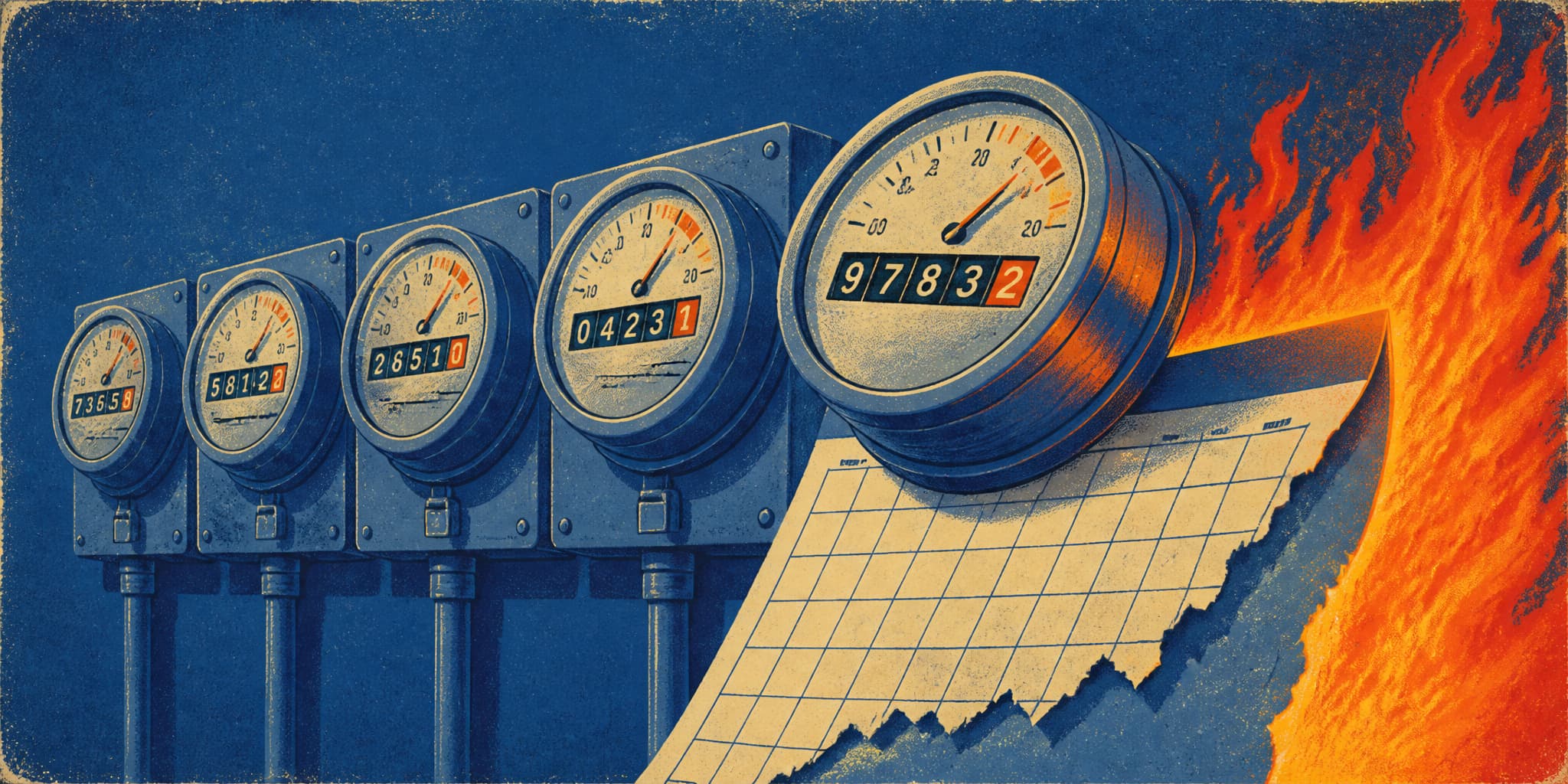
The Goats Have a Start Date. The Supreme Court Doesn't.

The Supreme Court will decide whether Boulder can bill the oil companies for a changed climate. When, nobody will say. The goats hired to eat the fuel along the city's west edge went to work in June, on a schedule, like people who have jobs.
In between sits a city budget officer who spent part of last year going department to department through her own government to learn what Boulder spends on not burning down, and came back with six and a half million dollars nobody had counted. And a county road that wants a bigger culvert for four hundred thousand. The pipe holds no view on federal preemption.
The Goats Have a Start Date. The Supreme Court Doesn't.
The Supreme Court will decide whether Boulder can bill the oil companies for a changed climate. When, nobody will say. The goats hired to eat the fuel along the city's west edge went to work in June, on a schedule, like people who have jobs.
In between sits a city budget officer who spent part of last year going department to department through her own government to learn what Boulder spends on not burning down, and came back with six and a half million dollars nobody had counted. And a county road that wants a bigger culvert for four hundred thousand. The pipe holds no view on federal preemption.
Counter-Ruling

On a July afternoon in McElderry Park, the row houses east of downtown sit several degrees hotter than the leafier blocks a few miles west. Baltimore pays for that gap out of its own budget: cooling centers, ambulance runs, pumps for the intersections that flood after every hard storm.
In 2018 the city sued 26 oil and gas companies to move part of the bill. The claim was deception. The companies knew what burning their product would do, and sold it for decades without saying so. On March 24, nearly eight years later, Maryland's highest court dismissed the case.
It turned on a question settled before any evidence was heard: what is this lawsuit really about? The majority held that no amount of "creative pleading" could disguise an attempt to regulate emissions worldwide, something only the federal government may do. Justice Killough dissented. The companies "were not sued because of what they emitted. They were sued over what they concealed."
Hawaii and Colorado read it the dissent's way. The U.S. Supreme Court will decide whose reading holds. The costs, meanwhile, stay with the city that already paid them.