The Chair Had Two Days in It

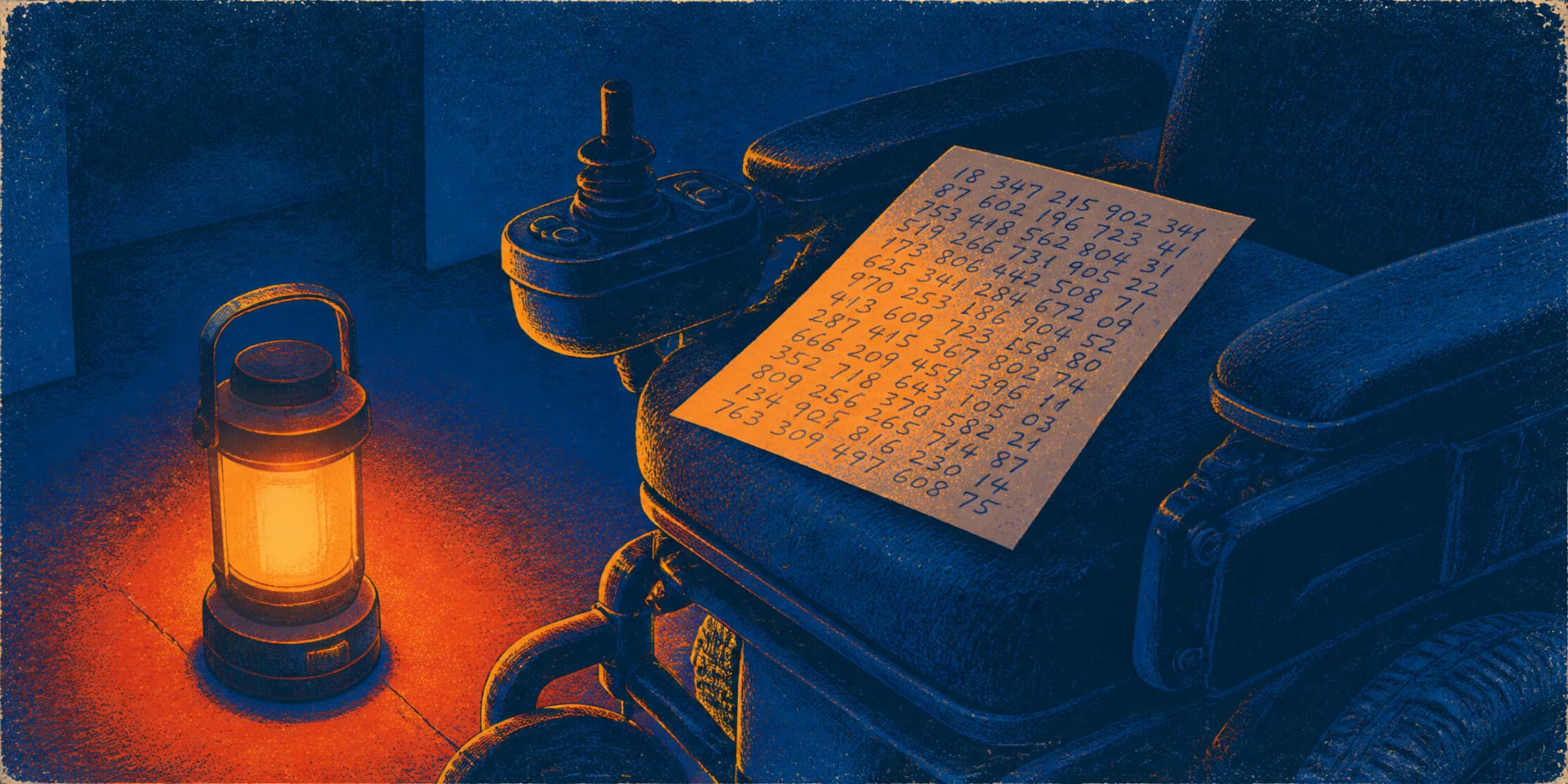
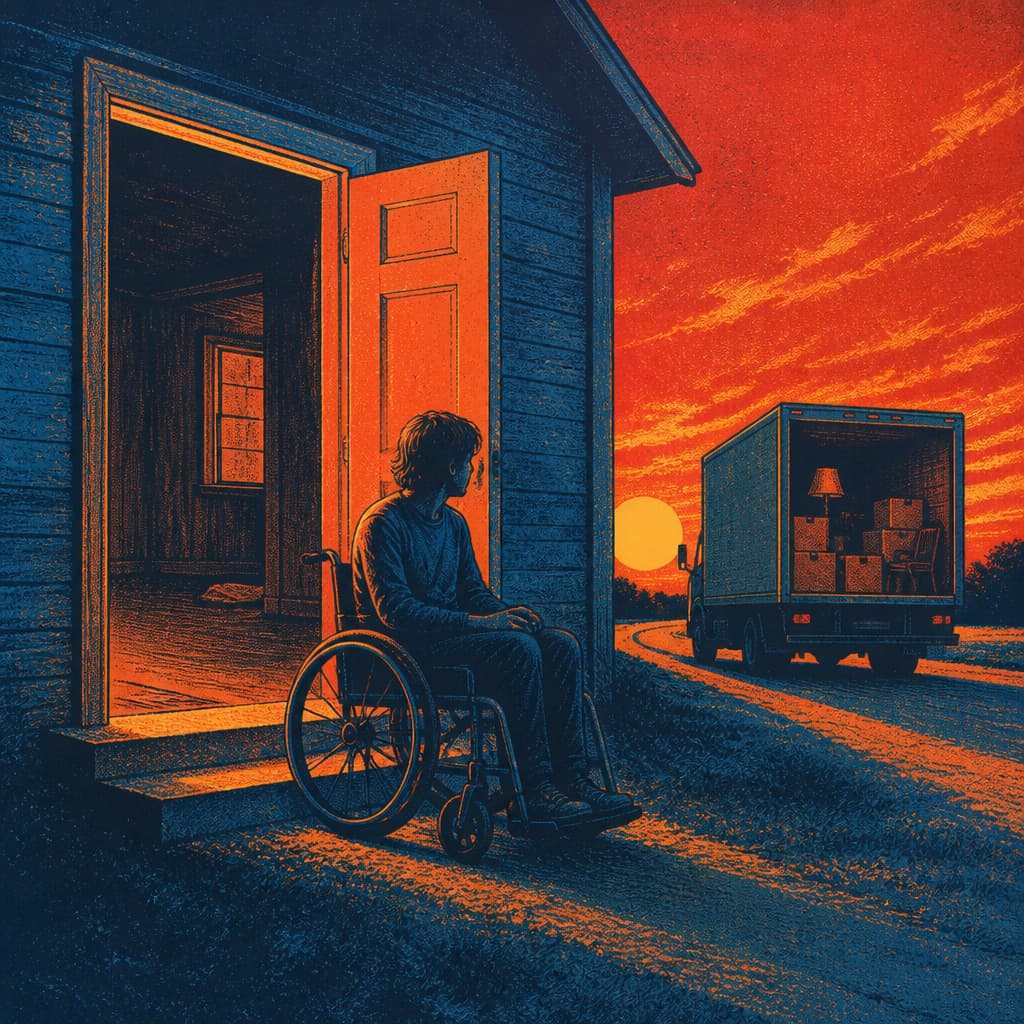
Just after midnight in October 2019, Napa's power went out on purpose, and Gina Biter-Mundt started counting. The wheelchair is how she crosses a room. The electric lift bed is how she gets out of one. Both were running that night on fuel and stored charge she had paid for herself, and she worked out that the chair had roughly two days left in it.
She teaches disaster preparedness. She has served six terms on Napa's disability-access boards and sat on a state evacuation-planning committee. One Napa circuit shutoff in 2024 ran 66 hours. She called herself one of the fortunate ones.
The Chair Had Two Days in It
Just after midnight in October 2019, Napa's power went out on purpose, and Gina Biter-Mundt started counting. The wheelchair is how she crosses a room. The electric lift bed is how she gets out of one. Both were running that night on fuel and stored charge she had paid for herself, and she worked out that the chair had roughly two days left in it.
She teaches disaster preparedness. She has served six terms on Napa's disability-access boards and sat on a state evacuation-planning committee. One Napa circuit shutoff in 2024 ran 66 hours. She called herself one of the fortunate ones.

The Registry
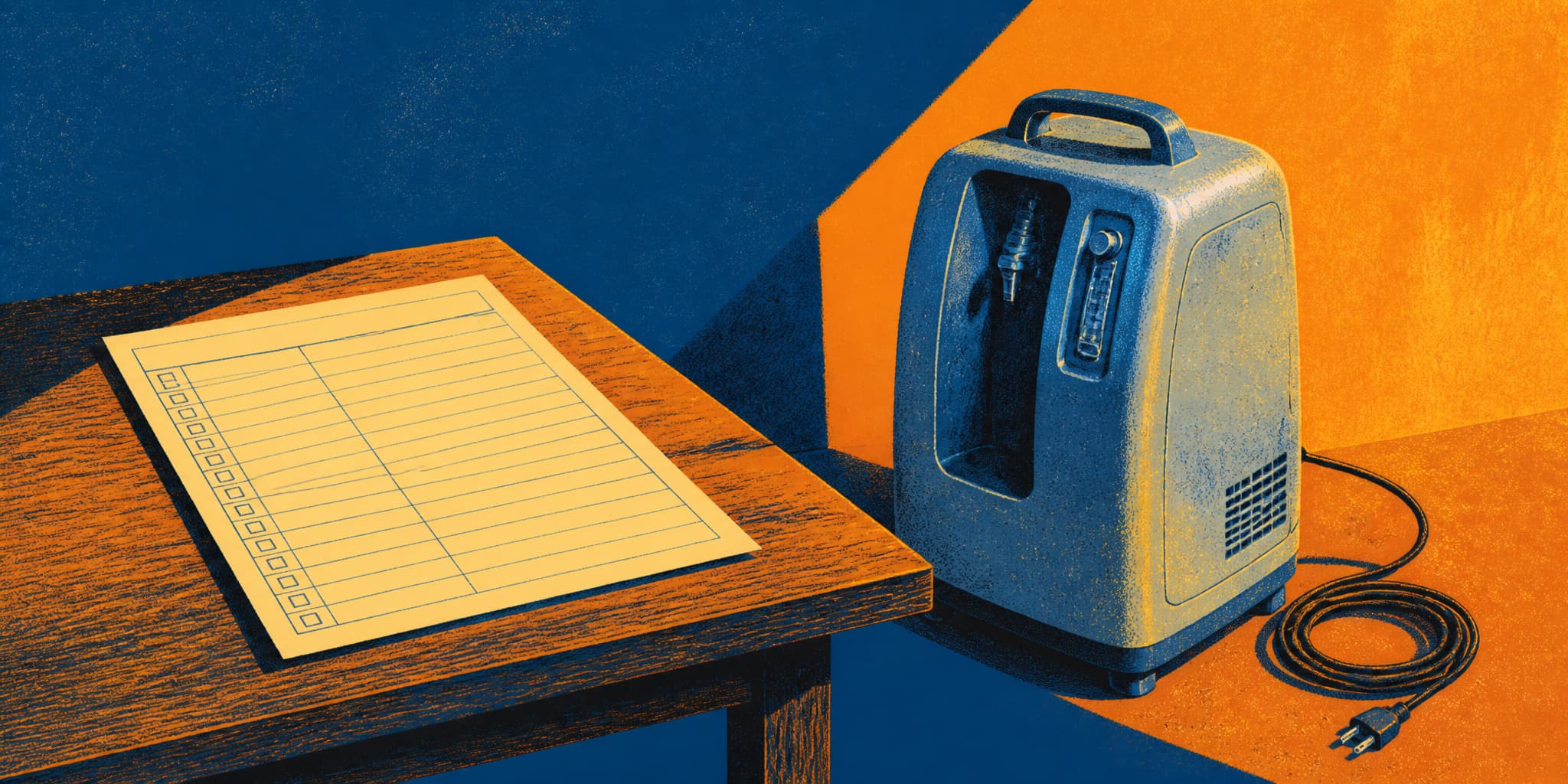
Your utility keeps a list of the customers who can't do without electricity: oxygen concentrators, ventilators, home dialysis. In California they call it medical baseline. How long that list ought to be, nobody has established. The state's big utilities hired a consultant in 2024 to estimate how many households actually qualify, because for years enrollment targets had been set without a denominator.
A doctor's signature gets you enrolled. Staying reachable is a second errand nobody mentions — separately opting into outage alerts, keeping the phone number current.
What enrollment buys is notice. Utilities put it in writing that it does not buy faster restoration. And for unplanned outages, Seattle City Light's alert reaches you five to ten minutes after the lights are already off.
Same Hazard, Different Barriers
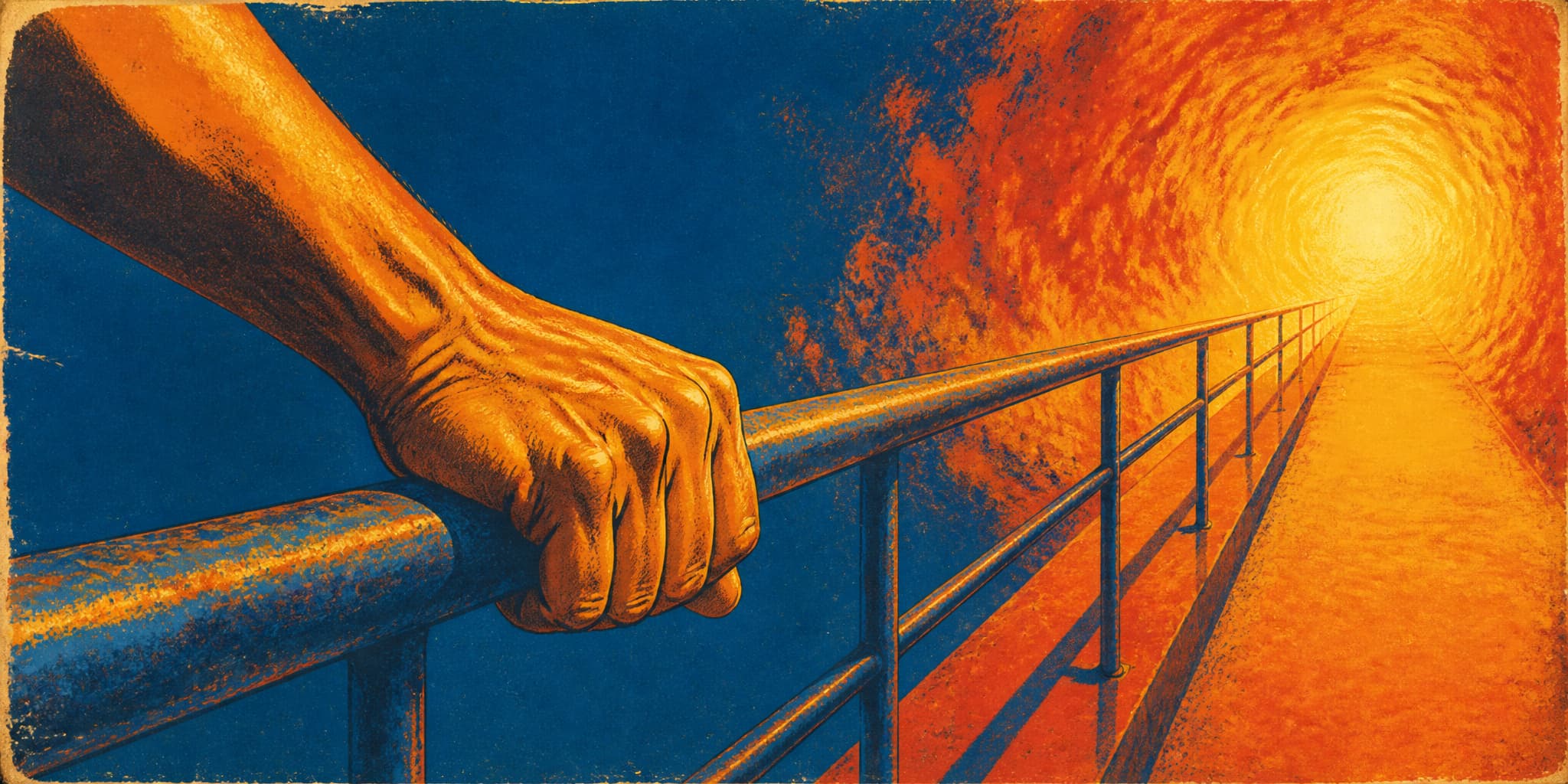
The Railing Was Also the Way In
August 2023, Phoenix: a woman on her way indoors grabs a metal railing that has been in the sun all morning and keeps holding it through third-degree burns, because letting go means the pavement. June 2024, twenty miles northwest: a 70-year-old dies in her RV with the air conditioner running and the vent blowing 117 degrees. One warning system, two places it comes apart: getting there, and knowing it's about you. Maricopa County keeps a field for neither.

Water, Chairs, and Nowhere to Plug In
Say the alert landed and she decided to go. Between that decision and the cool room sits a trip across pavement that burns, a metal detector, a two-hour admission limit, a closing time. The region's written standards for heat relief sites require air conditioning, water, and seating. They say nothing about a ramp, an outlet for a power wheelchair, backup power, or a caregiver. Fifty-four percent of visitors walked there. Nobody counts the ones who couldn't.
Further Reading