Who Checks the Batteries at 2 A.M.

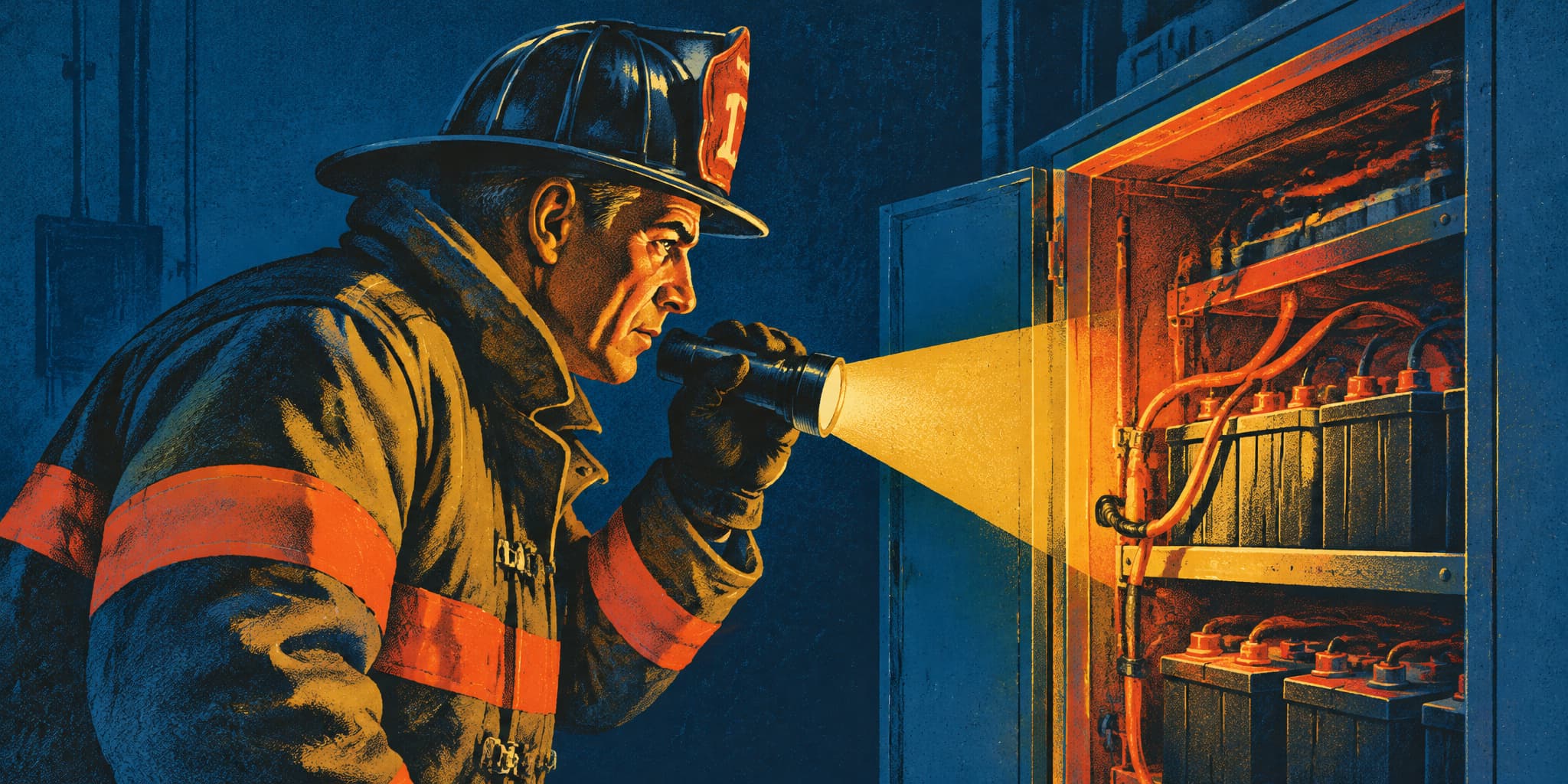
Bayfield County, Wisconsin, proved its microgrid works — batteries held a highway garage through a six-hour outage with charge to spare. Now the county is installing similar systems at 28 critical facilities using $9.7 million in federal funds. Fire halls, wastewater plants, public wells. The technology performs. But the public record doesn't answer who maintains these systems after the installers leave, in a county where volunteer fire chiefs and solo water operators already juggle multiple jobs and the battery manuals call for quarterly inspections, monthly cleaning, and round-the-clock alarm response.
Who Checks the Batteries at 2 A.M.
Bayfield County, Wisconsin, proved its microgrid works — batteries held a highway garage through a six-hour outage with charge to spare. Now the county is installing similar systems at 28 critical facilities using $9.7 million in federal funds. Fire halls, wastewater plants, public wells. The technology performs. But the public record doesn't answer who maintains these systems after the installers leave, in a county where volunteer fire chiefs and solo water operators already juggle multiple jobs and the battery manuals call for quarterly inspections, monthly cleaning, and round-the-clock alarm response.
Supply Chain Context

Twenty-nine sites in Bayfield County, Wisconsin — fire halls, ambulance stations, a courthouse, wastewater plants — need battery backup systems. Congress appropriated the money. The county won an $8.2 million federal award. The batteries they specified are real products assembled in the United States that you can order today. But the cells inside them come from overseas, which means they fail the Buy America domestic-content standard.
So before Wisconsin could purchase a single battery, it had to formally prove to the Department of Energy that no fully American-made alternative exists. That took thirteen months. The state contacted distributors starting May 2025. Each one confirmed the same thing. Manufacturers said they "were uncertain when they would achieve such compliance." DOE ran its own check and agreed.
The waiver came through June 2026. Bayfield County can now begin procurement. Meanwhile, DOE has granted the same finding for battery projects in San Antonio, Indianapolis, Colorado, and elsewhere — each applicant spending months documenting what the previous applicant already documented: nobody makes these batteries to the government's domestic-content standard. The fire halls keep waiting.