
Never Miss a Year


Burt Paul and his daughter Caley took a skiff up the Kugkaktlik River this August to pick salmonberries, the way their family always has. They came home with one five-gallon bucket, a fraction of a normal year's haul. Most of the family was elsewhere: Burt's wife and younger kids in Napaskiak, 90 miles east, and Caley herself now living 150 miles north. After ex-Typhoon Halong, Kipnuk, their Yup'ik community on Alaska's western coast, voted 92 percent to relocate. That move will take a decade or longer. In the meantime, a village built for nearly a thousand holds 190 people, the school is closed for a second year, and the families who made the decision are scattered across hundreds of miles, trying to stay a community while the institutions meant to help them still haven't worked out how.
Never Miss a Year
Burt Paul and his daughter Caley took a skiff up the Kugkaktlik River this August to pick salmonberries, the way their family always has. They came home with one five-gallon bucket, a fraction of a normal year's haul. Most of the family was elsewhere: Burt's wife and younger kids in Napaskiak, 90 miles east, and Caley herself now living 150 miles north. After ex-Typhoon Halong, Kipnuk, their Yup'ik community on Alaska's western coast, voted 92 percent to relocate. That move will take a decade or longer. In the meantime, a village built for nearly a thousand holds 190 people, the school is closed for a second year, and the families who made the decision are scattered across hundreds of miles, trying to stay a community while the institutions meant to help them still haven't worked out how.
School Closure Loop
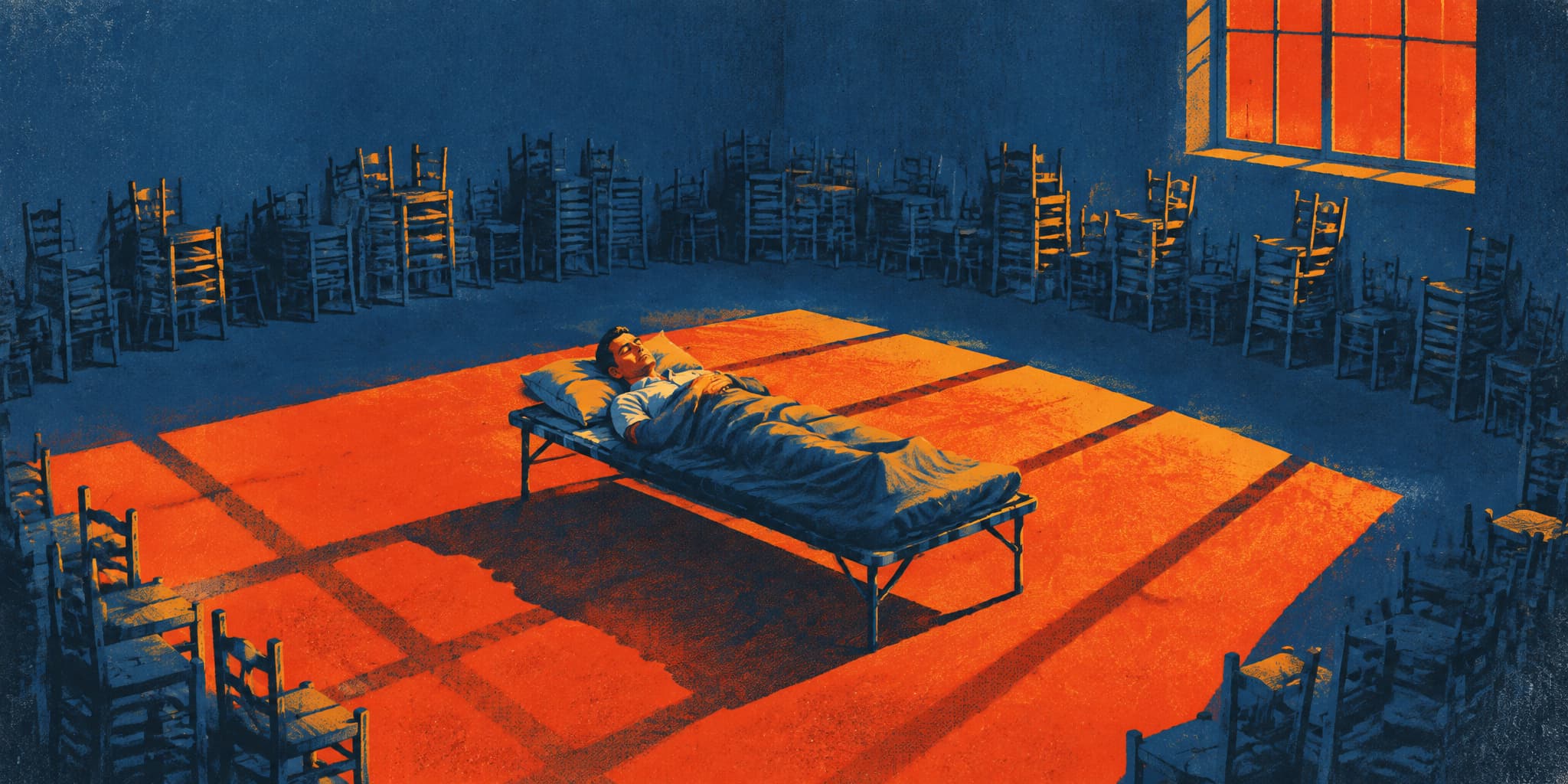
Benjamin Kugtsun slept in a classroom at Kipnuk's school this summer. The building has been closed for instruction since Typhoon Halong flooded this Yup'ik village last October, but Kugtsun was one of 19 people who stayed to rebuild. He ticked off what holds a community together: "an airport, school, post office — while they're standing."
The school still stands. When another storm hit in September, the tribal council opened it as emergency shelter. But 145 students from Kipnuk and neighboring Kwigillingok are enrolled in Anchorage now, their families a year deep into new routines, new schools, new grocery stores. The district says classes resume when "critical infrastructure repairs are completed." Both villages have voted to relocate to higher ground. There are no schools at the new sites yet, and nearby Newtok's relocation took thirty years.
Two Scattered Communities

Lahaina Is Being Rebuilt. Its Community Hasn't Come Back.
Lahaina has 614 completed homes and hundreds more under construction, but only 6.6 percent of displaced households have returned to their own addresses. Happy Nicolas got into federal housing in Lahaina, affordable for now. FEMA began raising rents in September, and the program ends in February. The town is being rebuilt; whether the families who made it Lahaina can afford to come back is something the construction numbers don't measure.

Kipnuk Voted to Leave Together. For Now, They're Leaving Separately.
In March, 92 percent of Kipnuk's adult tribal members voted to relocate their Yup'ik village together, the opposite of Lahaina's scattered attempt to return. Seven months later, their children are enrolled across six Alaska school districts, families are spread from Bethel to Anchorage, and no federal agency has been assigned to build the place they voted to go. A community that chose to leave together is, for now, leaving separately.

Houses on Skis and Other Federal Solutions for a Village That Voted to Move
CONTINUE READINGFurther Reading