Every Adjustment Works, Within Its Conditions

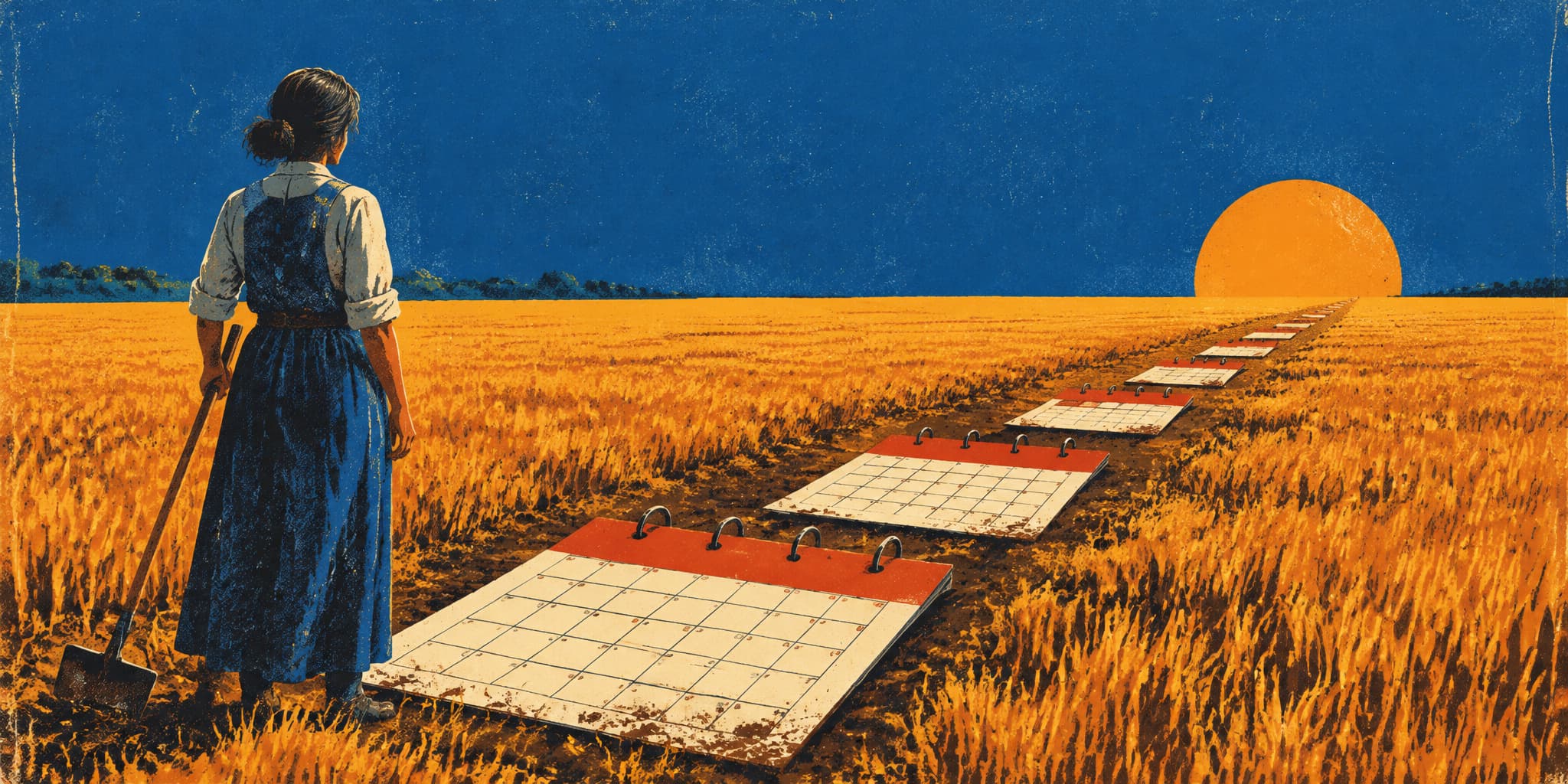
A 2025 study in Nature measured how much historical farming adjustments protect six staple crops against projected climate losses. For rice, the combined effect cut losses by 79 percent. For wheat, the reduction was statistically zero. Field research from eastern Washington's dryland wheat country helps explain why. Cover crops, variety choices, shifted planting dates, and fallow management all depend on soil moisture the farm can't control. That dependence reaches well past agriculture, to anyone whose adaptation plan rests on conditions they can't control.
Every Adjustment Works, Within Its Conditions
A 2025 study in Nature measured how much historical farming adjustments protect six staple crops against projected climate losses. For rice, the combined effect cut losses by 79 percent. For wheat, the reduction was statistically zero. Field research from eastern Washington's dryland wheat country helps explain why. Cover crops, variety choices, shifted planting dates, and fallow management all depend on soil moisture the farm can't control. That dependence reaches well past agriculture, to anyone whose adaptation plan rests on conditions they can't control.
Source Studies
Emerging Hotspots of Agricultural Drought Under Climate Change
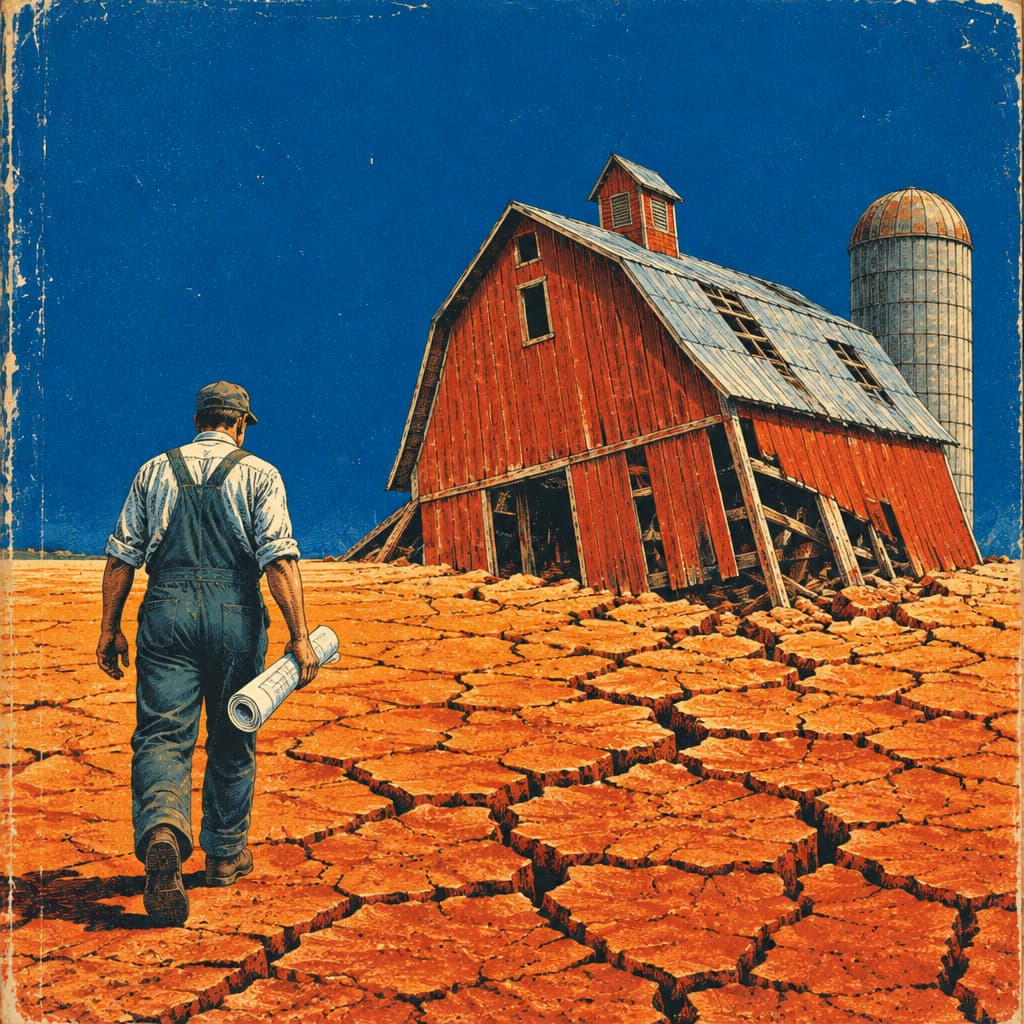
Warming pulls moisture from soil even when rain holds steady, creating drought conditions that precipitation forecasts miss entirely.
Agricultural drought in northern mid-latitudes rose 141% between 1980-2000 and 2000-2020, based on observational records.
Source Studies
Impacts of Climate Change on Global Agriculture Accounting for Adaptation
Operations already optimized for peak yield have almost no flexibility left. Climate losses drop from 21.0% to 20.8% with adaptation.
About 120 calories per person per day in global food production, roughly 4.4% of recommended daily intake.