Tampa Approved a $100 Million Flood Project. The Lawsuits Arrived Three Weeks Later.


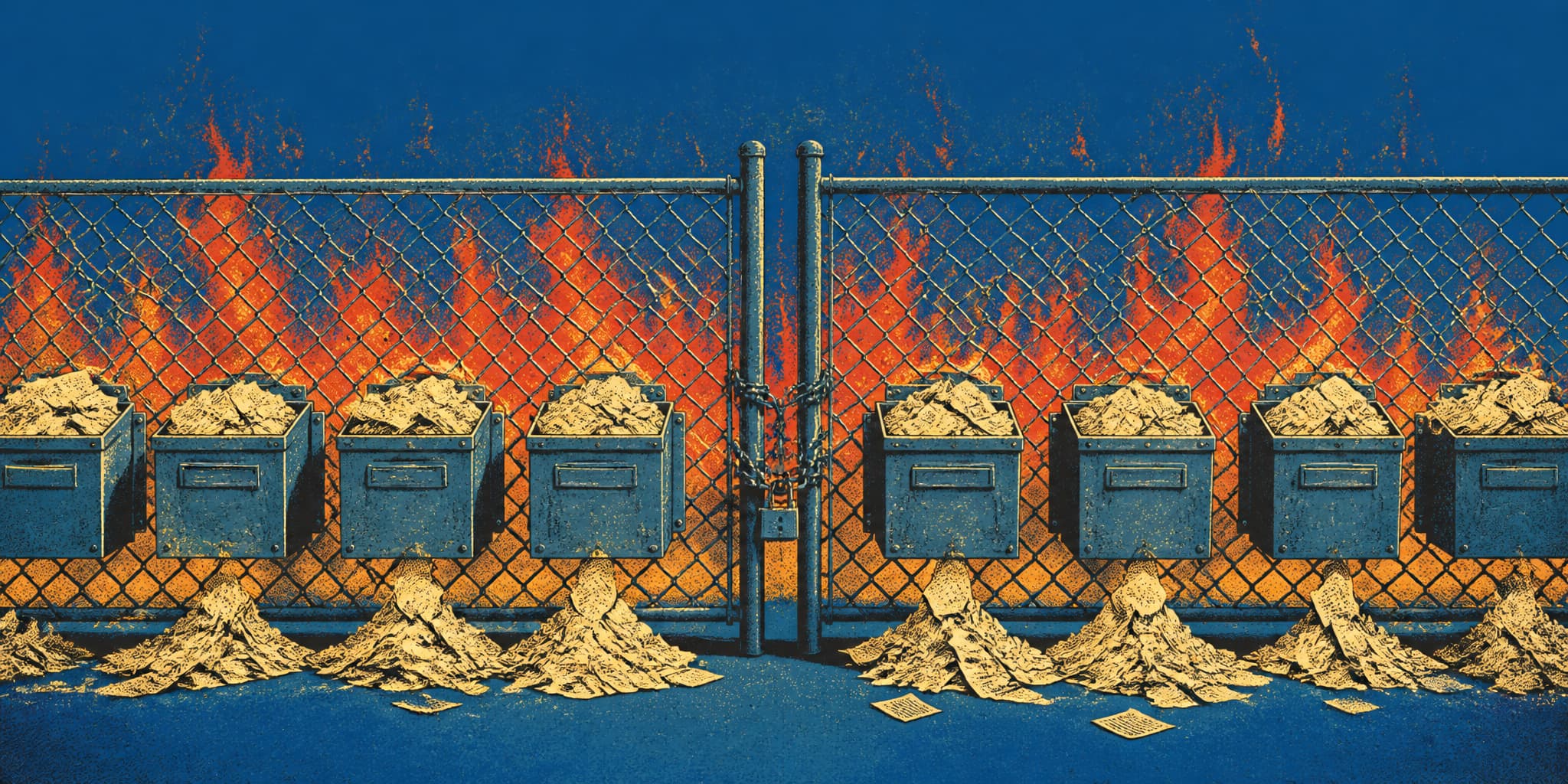
In two Tampa neighborhoods, families have watched water rise inside their homes, and one street went under four times in forty days. The city approved a $100 million culvert to carry the stormwater to the bay. Three weeks later, two lawsuits arrived from restaurants, hotels, and property owners along the street where the digging would happen. The suits don't dispute the flooding — they challenge whether the city owns the ground it wants to dig in, whether it followed the rules for spending the money, and whether a marketing campaign is enough to make up for four years of construction outside their doors.
Tampa Approved a $100 Million Flood Project. The Lawsuits Arrived Three Weeks Later.
In two Tampa neighborhoods, families have watched water rise inside their homes, and one street went under four times in forty days. The city approved a $100 million culvert to carry the stormwater to the bay. Three weeks later, two lawsuits arrived from restaurants, hotels, and property owners along the street where the digging would happen. The suits don't dispute the flooding — they challenge whether the city owns the ground it wants to dig in, whether it followed the rules for spending the money, and whether a marketing campaign is enough to make up for four years of construction outside their doors.
Story Summary
The Eaton and Palisades fires burned through Los Angeles in January 2025. Twenty-one months later, many families who lost homes have been paid by their insurance company and still can't use the money.
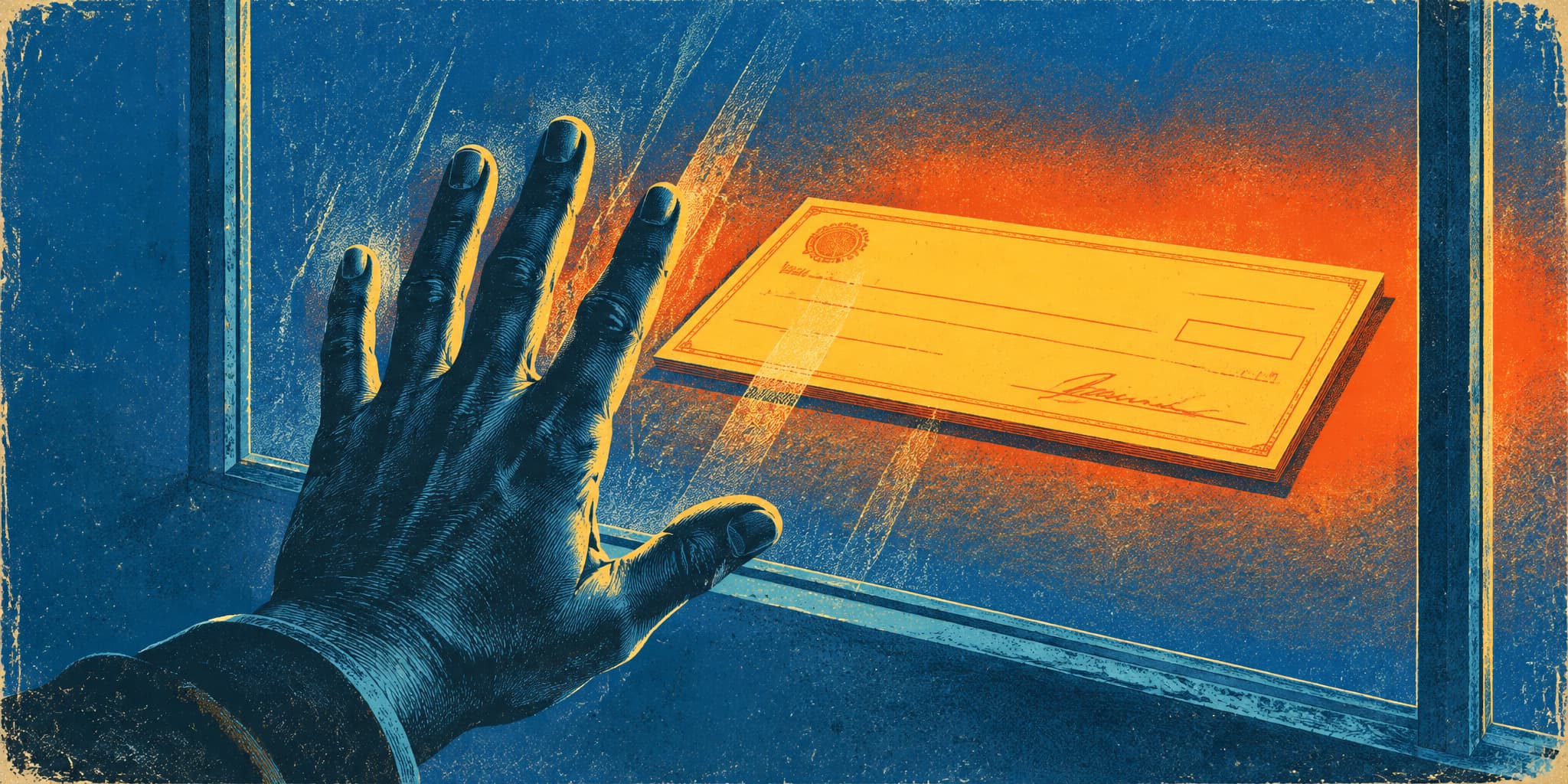
If a family still owes on its home loan (a mortgage), the insurance check usually goes to the company that collects the monthly payment, called the "servicer." The servicer holds the money and releases it a piece at a time as the house goes back up.
Fannie Mae is a government-backed company that buys home loans. Under its rules, a family that is current on payments can get $40,000 or one-third of the payout right away, whichever is more. The rest comes only after an inspector visits and confirms the work is done. That check exists because some builders have walked off half-finished houses and left families owing the full loan.
The trouble starts when the builder and the inspector disagree. The builder might call the house 60% done while the inspector says 40%. While they argue, the family pays rent somewhere else. The crew may leave for another job. Someone in the household spends evenings on the phone and writing emails. Nobody in this system has the job of tracking what those months cost the family.