
Two Years and Three Days

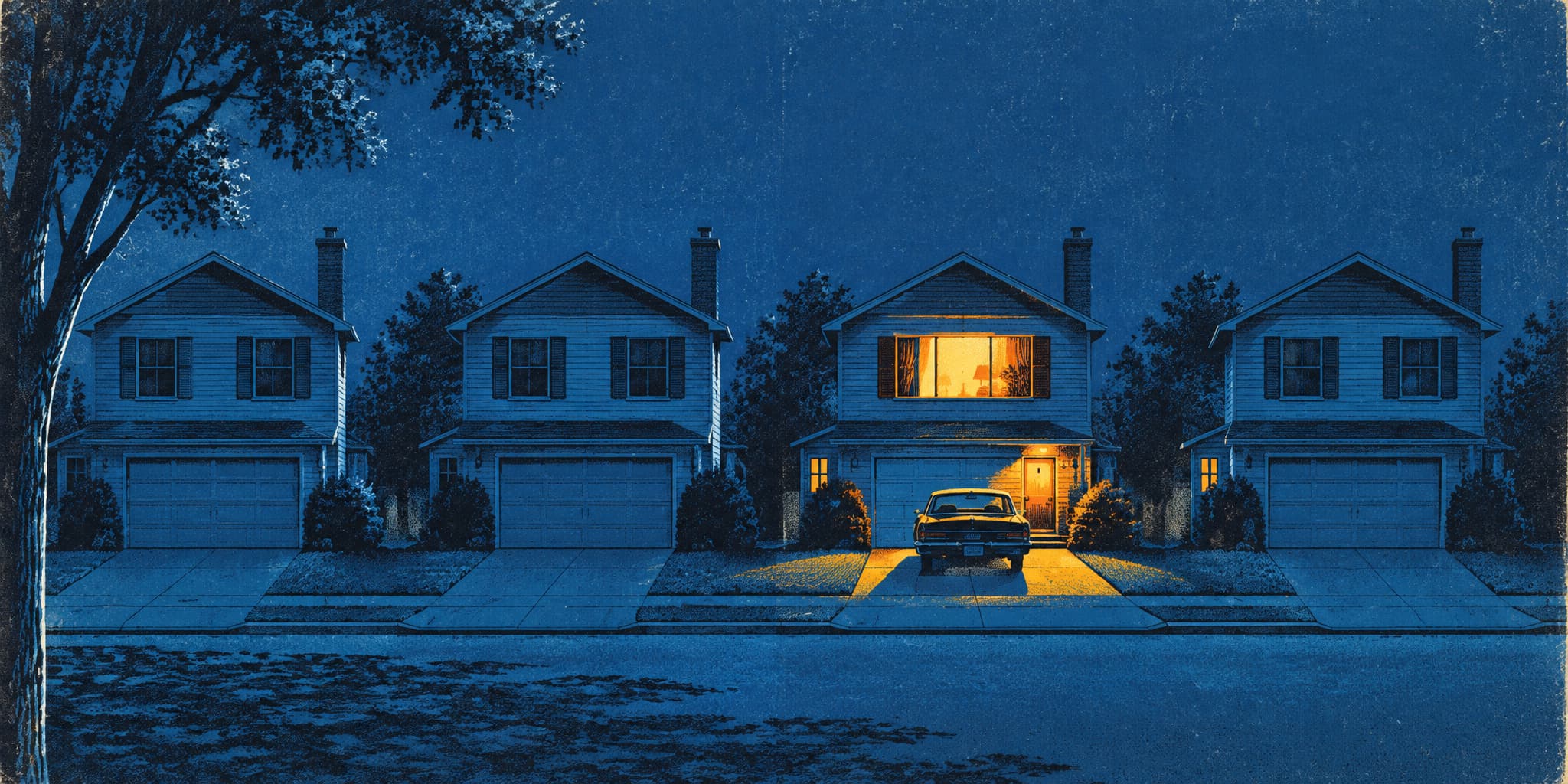
Two years after Hurricane Helene damaged homes in a North Carolina subdivision, FEMA approved funding to buy and demolish twenty-two of them. In those two years, at least four were repaired and lived in again. Owners fixed foundations, rented to tenants, sold to new buyers. Now the government is ready to buy houses people are living in, at prices based on what they were worth the day before the storm, not what they've turned into since. Every owner can still say no. Most of them aren't standing where they were when they applied.
Two Years and Three Days
Two years after Hurricane Helene damaged homes in a North Carolina subdivision, FEMA approved funding to buy and demolish twenty-two of them. In those two years, at least four were repaired and lived in again. Owners fixed foundations, rented to tenants, sold to new buyers. Now the government is ready to buy houses people are living in, at prices based on what they were worth the day before the storm, not what they've turned into since. Every owner can still say no. Most of them aren't standing where they were when they applied.
How Heat Moves Through an Oakland School


Oakland Unified installed temperature sensors in 80 school buildings, logging readings every 15 minutes. On October 6, when the outdoor temperature hit 83°F, the more useful number was inside: old concrete and brick absorbing heat all day and releasing it hours later, so that a second-grader's afternoon in an upper-floor classroom looks nothing like her morning. At one elementary school, parents spent $16,000 on portable AC units, and the building blew fuses when teachers ran them at the same time. The sensors can finally show the heat. What to do about it is a separate problem.
How Heat Moves Through an Oakland School
Oakland Unified installed temperature sensors in 80 school buildings, logging readings every 15 minutes. On October 6, when the outdoor temperature hit 83°F, the more useful number was inside: old concrete and brick absorbing heat all day and releasing it hours later, so that a second-grader's afternoon in an upper-floor classroom looks nothing like her morning. At one elementary school, parents spent $16,000 on portable AC units, and the building blew fuses when teachers ran them at the same time. The sensors can finally show the heat. What to do about it is a separate problem.

What Warnings Teach

Most airplanes I've flown have had one alarm that goes off for no good reason. Every pilot knows which one it is on his plane. It'll go off on a clear day, coming into an airport you've landed at a hundred times. You check. Nothing's wrong. The next time it goes off, you check a little faster and worry a little less. Nobody teaches you that. The last forty false alarms did.
Weather warnings work on the rest of us about the same way. Most people have heard more of them than they'd guess.
Think back to the first heat warning of the summer. Maybe you went next door to check on the older guy who won't run his air conditioner. By the third warning you just read it and went to work. Maybe you left home once for a hurricane or a fire and came back to a house that was fine. Maybe you stayed once when they told you to leave, and you turned out to be right.
All of that taught you something. Some of it made you surer the danger was real. Some of it made you surer you knew what to do. And some of it just taught you that this happens every year now and you usually get through it.
In February, researchers from Stanford and the National Center for Atmospheric Research followed 513 people in northern California through an "atmospheric river." That's a long band of wet air off the Pacific that parks over one stretch of coast and rains for days. Twice a day for a week, they asked the same people the same questions:
- How many warnings did you get?
- How serious does the storm seem?
- Did you do anything to protect yourself?
On days when people got more warnings than usual, they took the storm more seriously and were more likely to do something about it. You'd expect that.
But on those same days, people were also less sure the things they could do would actually help. So the warnings were pushing two ways at once. They got people moving, and they made people doubt that moving would do much good. The push won out, and people still did more. The doubt was there too, though, and the researchers could measure it. The study came out three weeks ago. The authors think warnings would work better if they did more than raise the alarm, if they also helped people feel sure that specific steps would help.
If you take danger more seriously than you did five years ago but trust your options less, you're a lot like those 513 people. That's about where a sensible person ends up when the warnings keep coming and the advice stays the same.
I had a trip Monday, the holiday, and that alarm went off twice on the way in. I checked both times. Nothing was wrong. I check faster than I used to. I can't tell anymore if that's because I've learned something or because I'm worn out. Probably some of both.