The Season Your Heart Didn't Know It Was Having


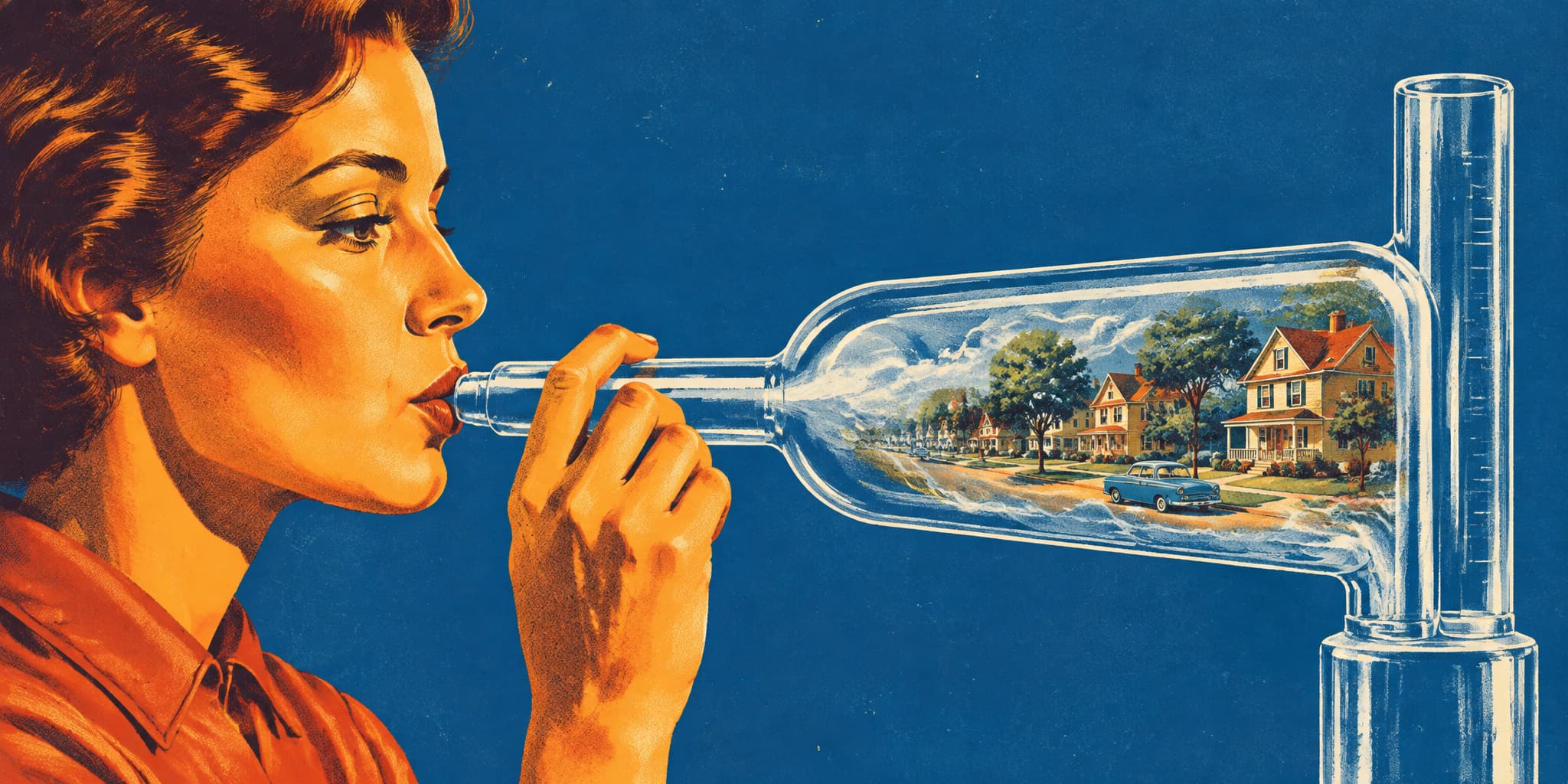
If you think about wildfire smoke as a health problem, you probably think about lungs. Two new studies point toward the heart. Research tracking hospitalizations across 20 states and 109,000 patients found that weeks and months of elevated smoke came with more heart attacks, heart failure, cardiac arrest, and stroke, on top of the expected respiratory effects. Together, the findings suggest fire season works as a sustained strain on the cardiovascular system, building over weeks instead of passing with a single bad air day. Clinical guidance for the patients living through it has barely started to catch up.
The Season Your Heart Didn't Know It Was Having
If you think about wildfire smoke as a health problem, you probably think about lungs. Two new studies point toward the heart. Research tracking hospitalizations across 20 states and 109,000 patients found that weeks and months of elevated smoke came with more heart attacks, heart failure, cardiac arrest, and stroke, on top of the expected respiratory effects. Together, the findings suggest fire season works as a sustained strain on the cardiovascular system, building over weeks instead of passing with a single bad air day. Clinical guidance for the patients living through it has barely started to catch up.
Study Summaries
On the Inherent Ambiguity of Extreme Event Costs Attributed to Climate Change
Because climate litigation and loss-and-damage negotiations depend on which number you use, and there is no neutral way to choose between them.
Match, Schaffer, and Fueglistaler in AGU Advances, September 2026 — a theoretical framework tested against published Harvey attribution analyses.
Study Summaries
Heat-related urban mortality attributable to human-induced climate change in Europe from 2000 to 2025
Steady warming raised the baseline, so even an average summer now kills more people than an extreme one did two decades ago.
They are population-level modeled estimates against a no-warming counterfactual, not individually certified causes of death — an important distinction when the figures enter policy debate.
Short Report

When I worked cargo ships, nobody on the bridge cared much where a storm was sitting right now. We wanted to know where it was headed. A new study says the folks handing out drought help in the western U.S. ought to think the same way.
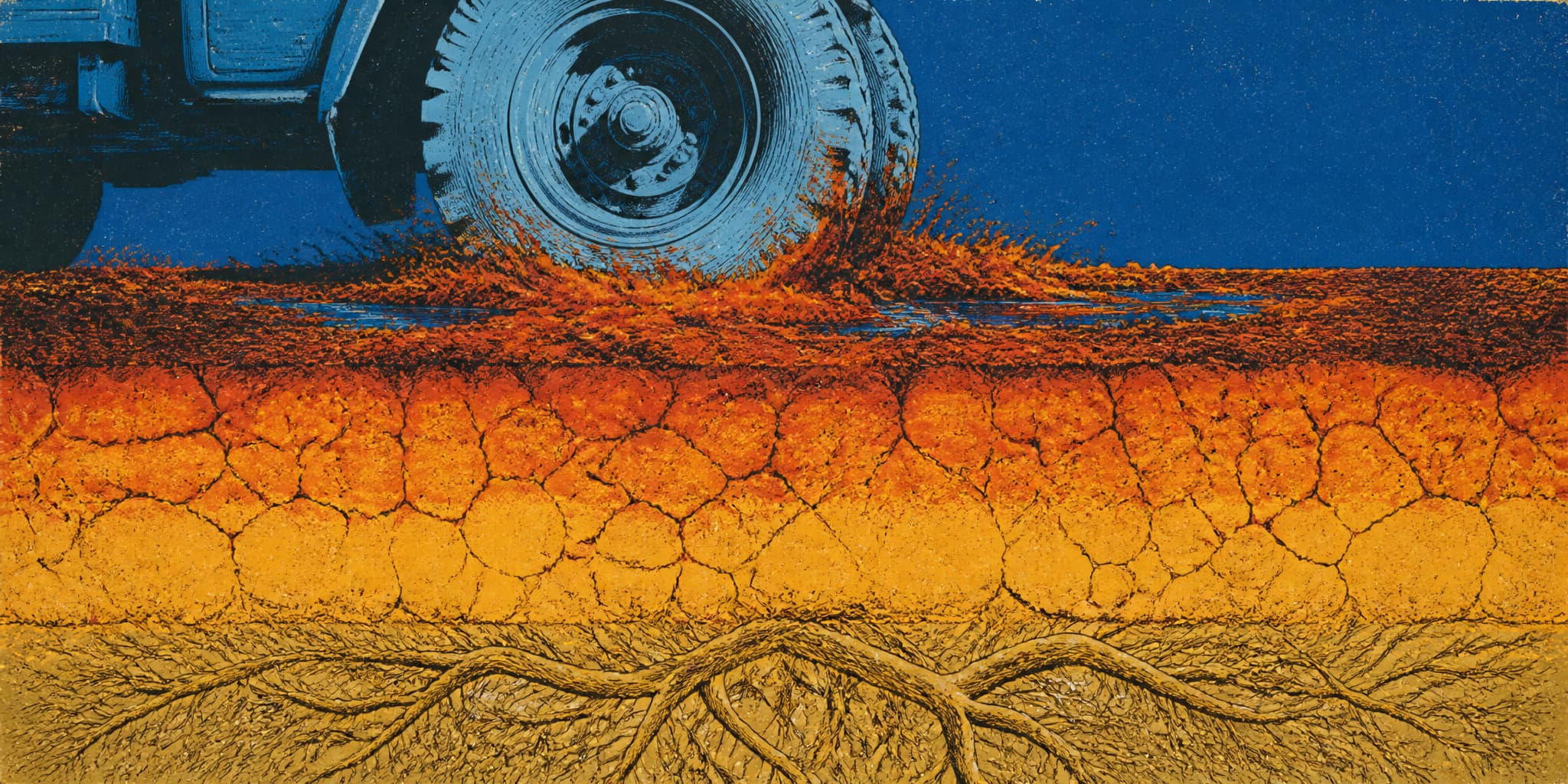
The scientists looked at more than 2,500 cases where bone-dry ground and a heat wave hit the same place at the same time. What they found is that these spells don't sit still. Strong winds high in the sky push them along, and the dried-out ground in front of them keeps them going. Most drifted east. Some traveled about 500 kilometers (310 miles). Western North America is getting more of them every year.
Federal drought aid for ranchers looks at one county at a time, off a map that gets updated once a week. Say heat bakes eastern Colorado, then rolls into western Kansas a few days later. On paper that's two separate problems, handled by two separate offices.
In fairness, the study only tracked weather. It didn't count dollars or dead cattle, and nobody has proven this gap has cost a rancher a herd. But a rancher in Kansas reading the Thursday map has no way to tell the heat is coming at them from the next state over.