What a Goat Was Worth
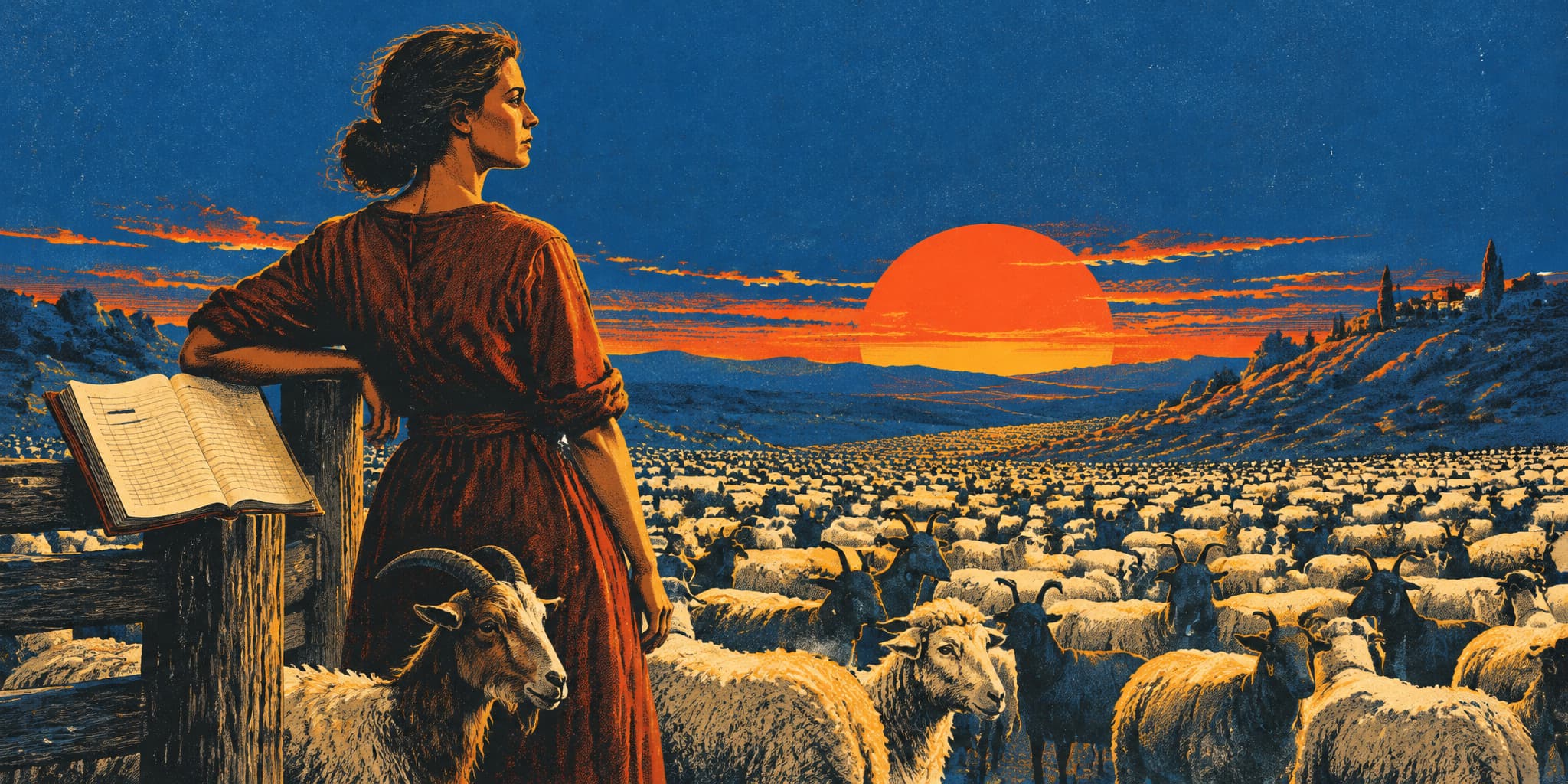
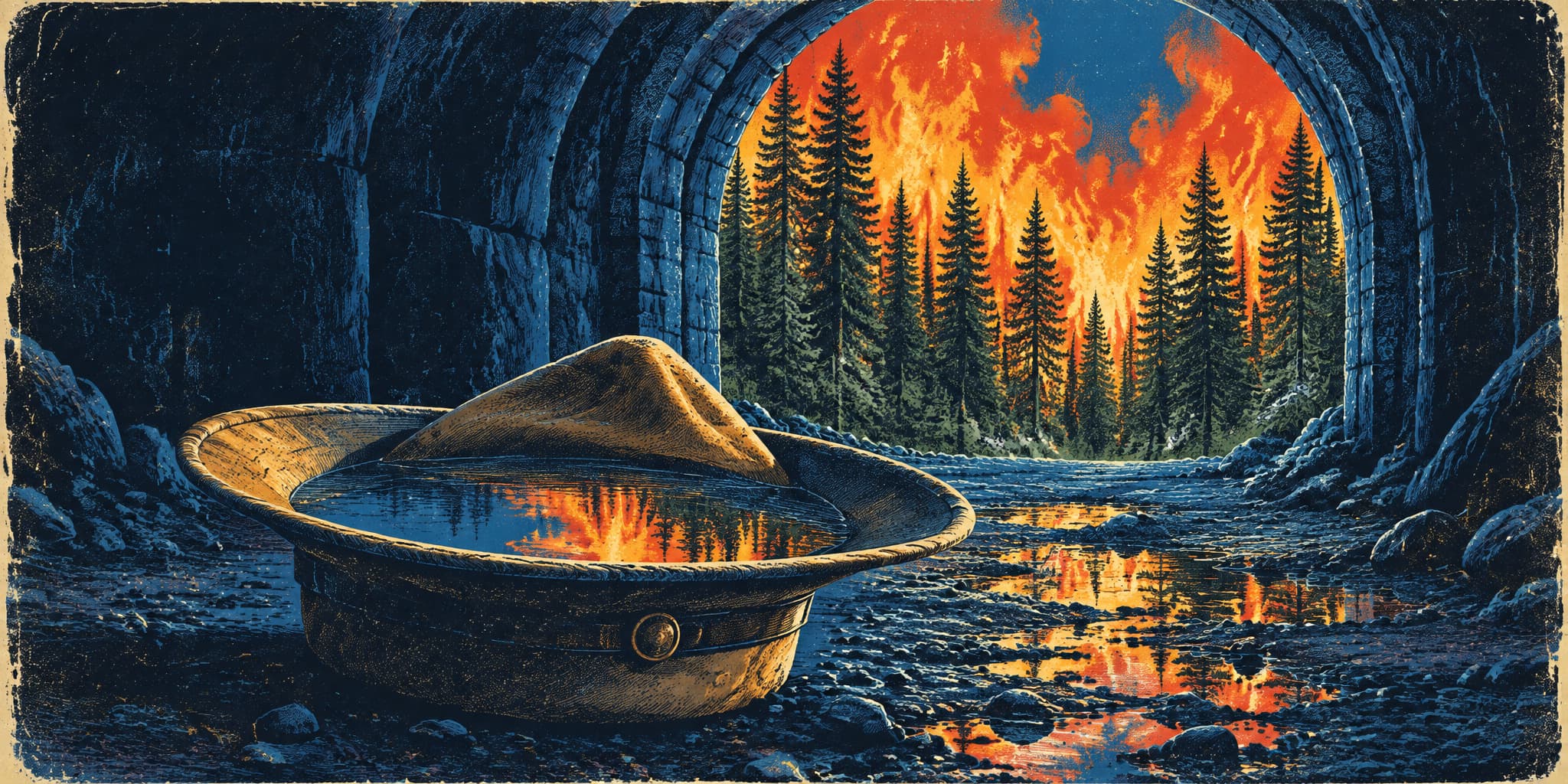
In 1934, federal officials came onto the Navajo Reservation to fix a real problem: overgrazing had stripped the ground cover and the soil was washing into the rivers. They bought goats for about a dollar apiece, killed thousands on the spot, and left carcasses to rot while the women who owned the animals stood and watched. Decades later, the Navajo Nation's own drought plan agreed the overgrazing was real. The same document calls the government's program a "nightmare." Both statements are on the same page, and what happened between them still shapes who will accept help today.
What a Goat Was Worth
In 1934, federal officials came onto the Navajo Reservation to fix a real problem: overgrazing had stripped the ground cover and the soil was washing into the rivers. They bought goats for about a dollar apiece, killed thousands on the spot, and left carcasses to rot while the women who owned the animals stood and watched. Decades later, the Navajo Nation's own drought plan agreed the overgrazing was real. The same document calls the government's program a "nightmare." Both statements are on the same page, and what happened between them still shapes who will accept help today.
Measurement Sidebar
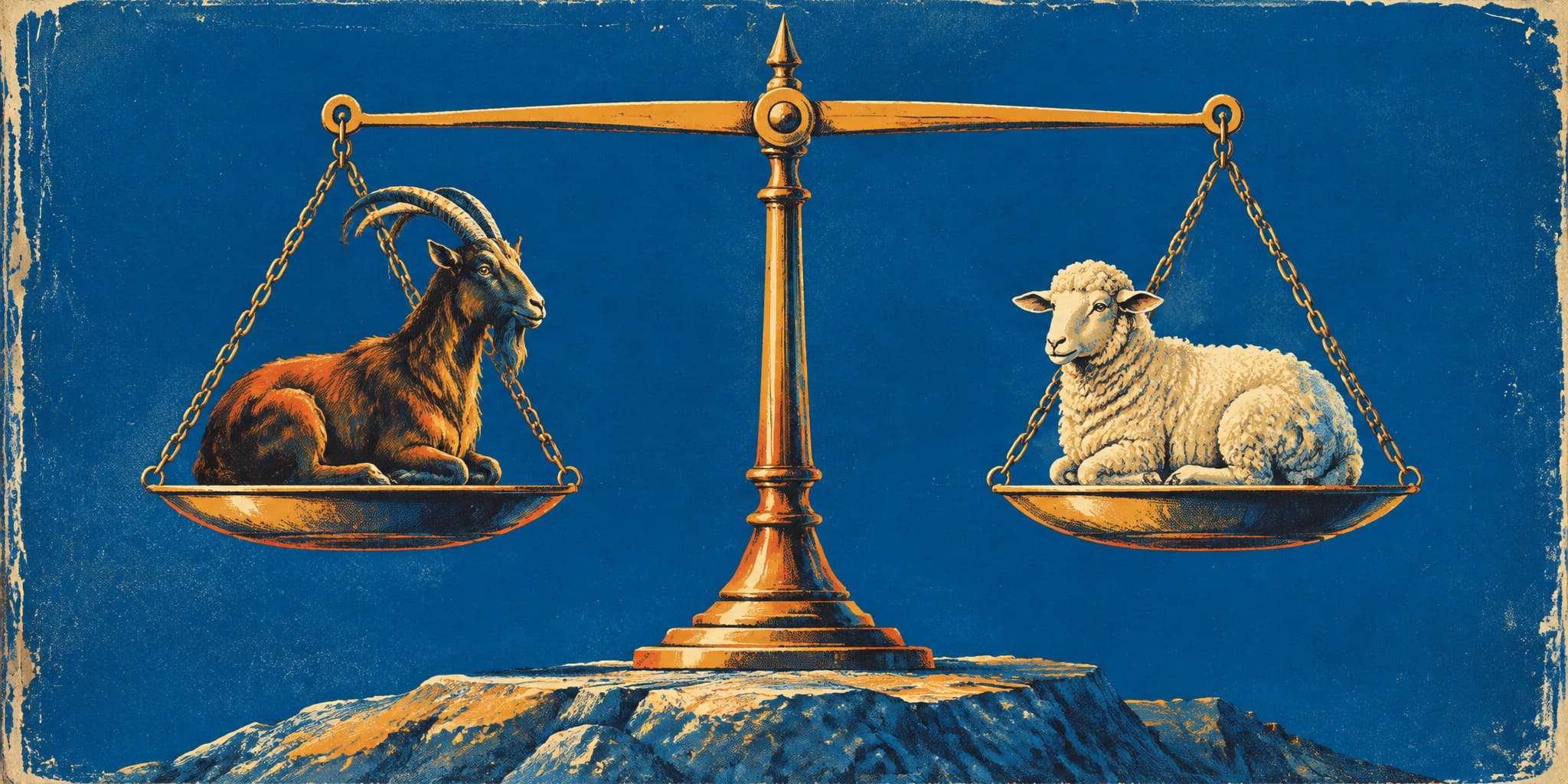
It was the goat that made me look closer.
In the 1930s, U.S. government land officials decided there were too many animals grazing on the Navajo reservation, which covers parts of Arizona, New Mexico and Utah. They wanted fewer. To cut the herds, they needed one number that could add up every kind of animal at once, so they used something called the sheep unit. A sheep counted as 1 unit, and so did a goat. A cow was 4 and a horse was 5. Each number was a rough guess at how much grass that animal ate.
One government estimate put the reservation at 1.27 million units, a figure the Navajo Nation's own plan for dry years later repeated. Government surveyors said the land could feed about 560,000.
That gap became the case for the cuts. Once everything was in units, officials could set a limit for each area and enforce it without knowing anything about the families. The unit had no room for what a goat actually did, like nursing orphaned lambs, leading the herd and giving milk. It also missed that women owned most of the sheep and nearly all the goats, and that families moved their herds with the seasons.
We still count like this, with flood maps and heat-death tallies and insurance claims. I keep wondering what our numbers are leaving out, and who will notice first.

Companion Features
Eight Hours in May
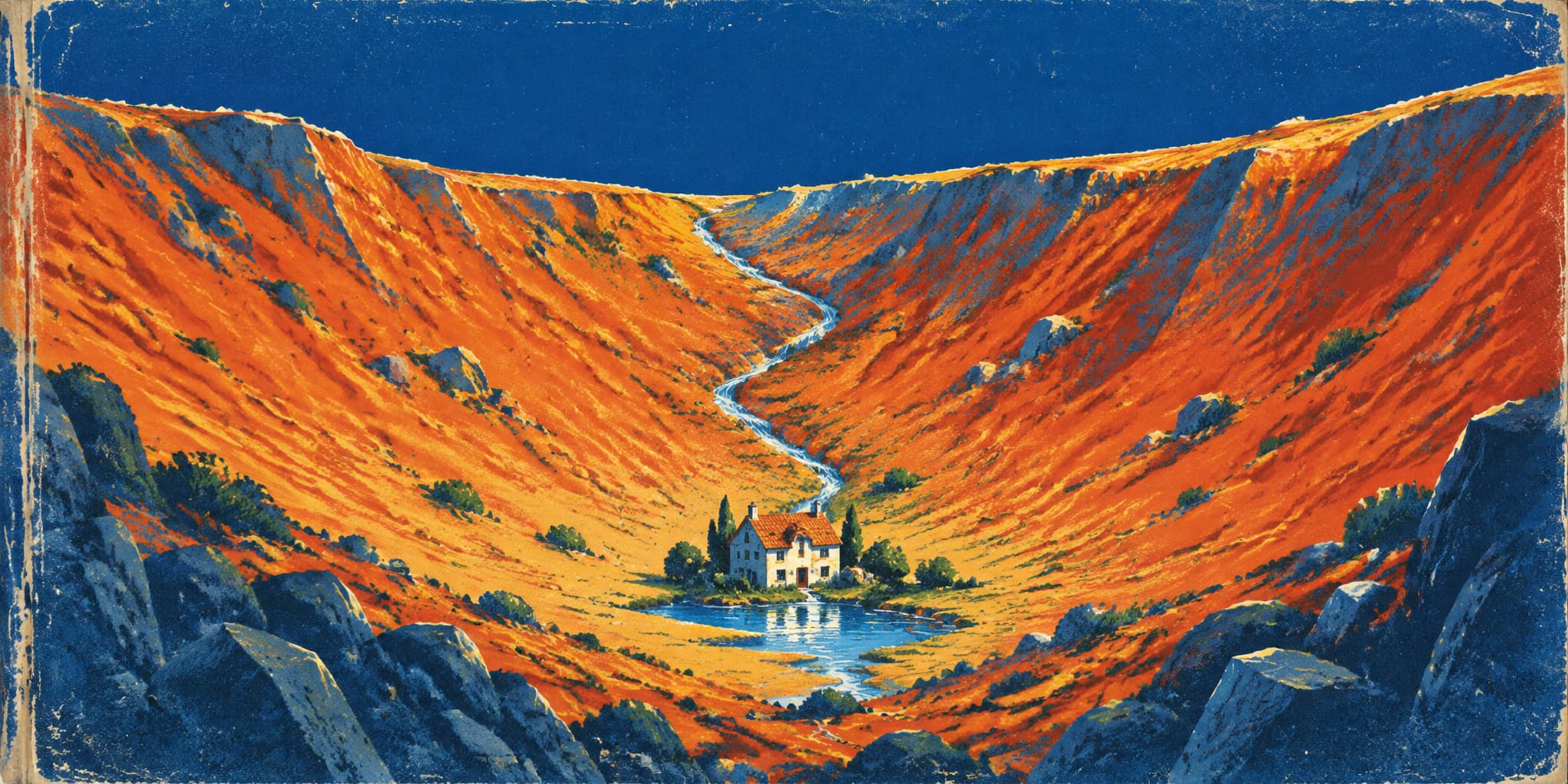
On Memorial Day weekend 1984, Tulsa's modest little creeks killed fourteen people in eight hours, and the Arkansas River never reached flood stage. The city had flooded before and patched things up before. This time a decade of neighborhood organizing and technical planning was waiting for an opening big enough to force real reform, and the storm handed it over. None of what followed was inevitable.

What $14.65 Buys
Forty years after a killing flood changed how Tulsa handles stormwater, every household pays $14.65 a month for detention basins, channel maintenance, development review, and a running list of properties that keep flooding. Seventy percent of the money goes to upkeep. The city says no compliant building has flooded. It also admits it hasn't faced a storm like the one that started all this. Both things are true, and they belong together.
Further Reading