Soldiers Grove Asked for a Study and Got a New Downtown


In the 1970s, the Army Corps of Engineers offered Soldiers Grove, Wisconsin, a levee that would cost more than three times what it protected, with upkeep that would eat most of the village's taxes. So a businesswoman on the low ground passed around a petition asking for a study of moving downtown up the hill. Thirty of 39 floodplain merchants signed.
The study committed nobody to anything. What came after it did: nearly $2 million in village debt, six feet of water on Main Street, and a grocer $86,000 short on his new store.
Soldiers Grove Asked for a Study and Got a New Downtown
In the 1970s, the Army Corps of Engineers offered Soldiers Grove, Wisconsin, a levee that would cost more than three times what it protected, with upkeep that would eat most of the village's taxes. So a businesswoman on the low ground passed around a petition asking for a study of moving downtown up the hill. Thirty of 39 floodplain merchants signed.
The study committed nobody to anything. What came after it did: nearly $2 million in village debt, six feet of water on Main Street, and a grocer $86,000 short on his new store.
Short History
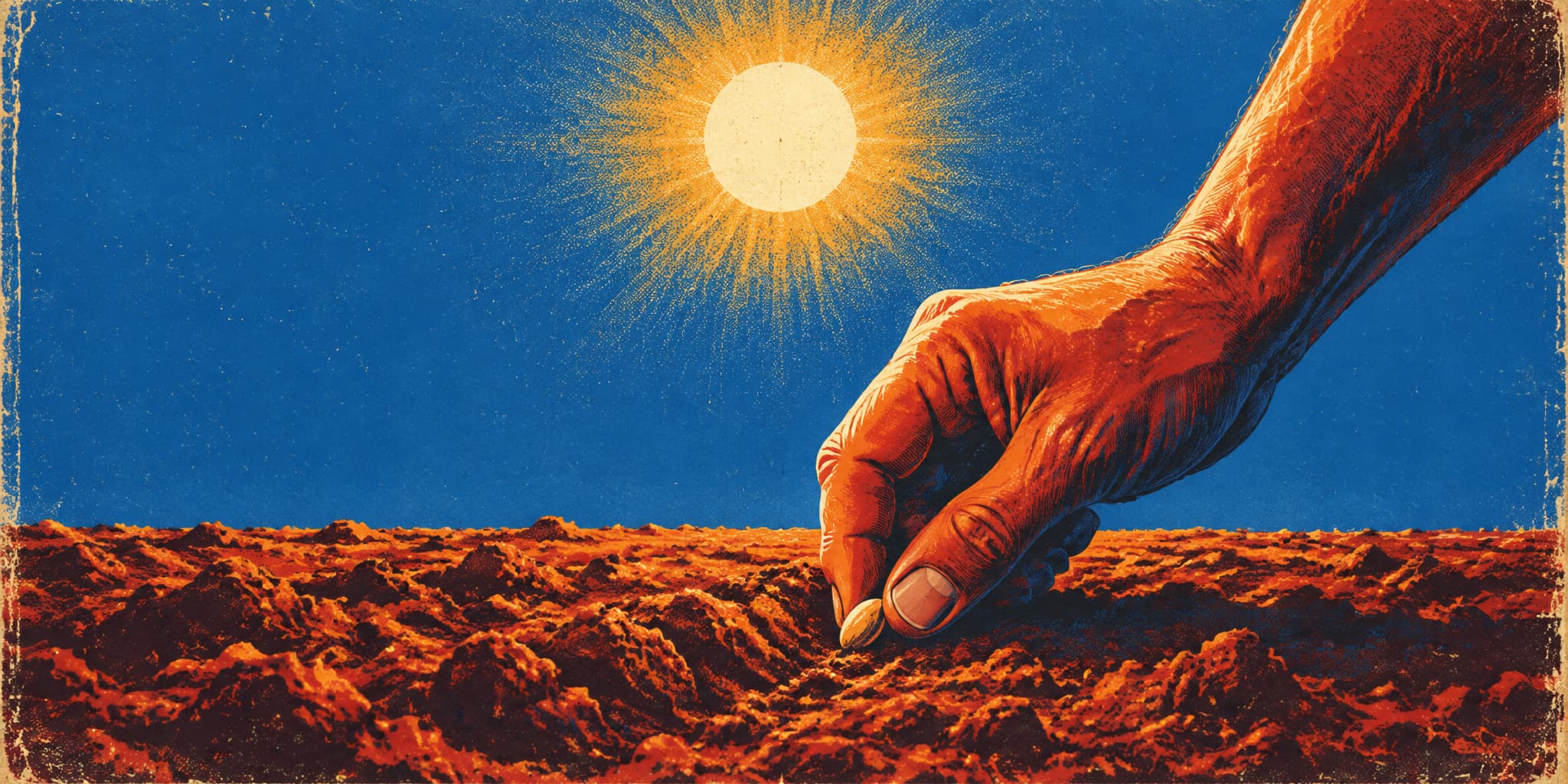
By spring 1816, the Smiths had lost two harvests on a rented farm in Norwich, Vermont, and typhoid had left them in debt. That March, the town served them a legal notice to leave.
Joseph Smith Sr. planted once more under a rule: if this crop failed, they would go to western New York, "where the farmers raise wheat in abundance." Frost hit in June, July and August. He went ahead, and his wife, Lucy, followed with eight children. Within a few years in New York they bought land on credit. They lost it in 1825 and stayed on as renters.
He made the rule before the cold came. Was the frost a signal, or only a deadline?

A Tailgate Interview With the Man Bulldozing His Father's Windbreak
CONTINUE READINGTwo Household Stories
Caroline Henderson Kept Deciding to Stay Through the Dust Bowl
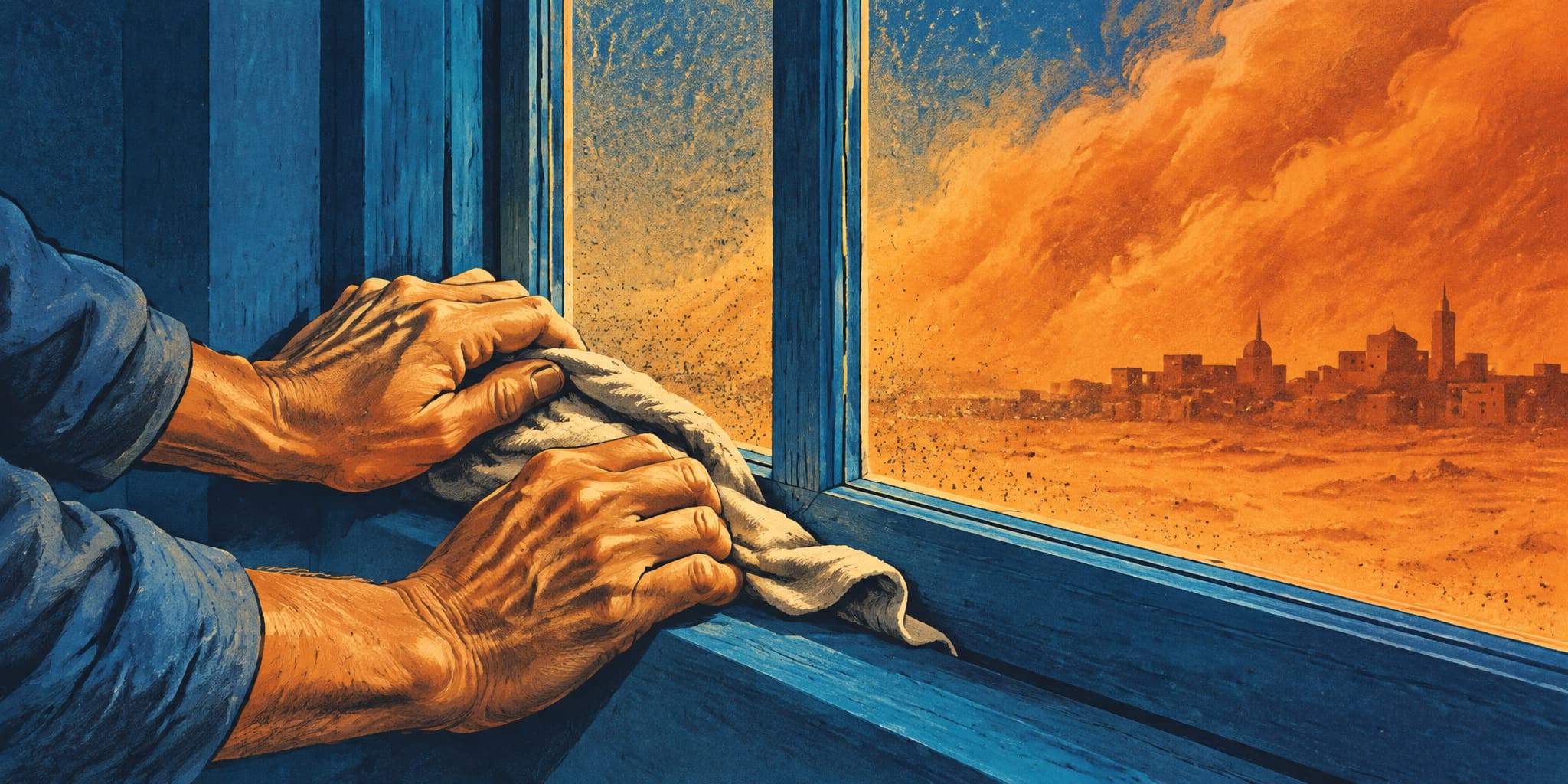
In June 1935, on her Oklahoma Panhandle farm, Caroline Henderson pressed oiled cloths into her window frames, rubbed vaseline inside her nose before sweeping, and wrote: "We may have to leave." Then she listed six reasons they hadn't. Two were about loving the place. The rest were about what made leaving hard, starting with a farm no one would buy or rent. The following March, after a winter of kerosene-sprayed sheets, she asked in print whether staying had become "recklessness and inertia."
On the Hottest Nights of the 1930s, New York Slept Outside Together
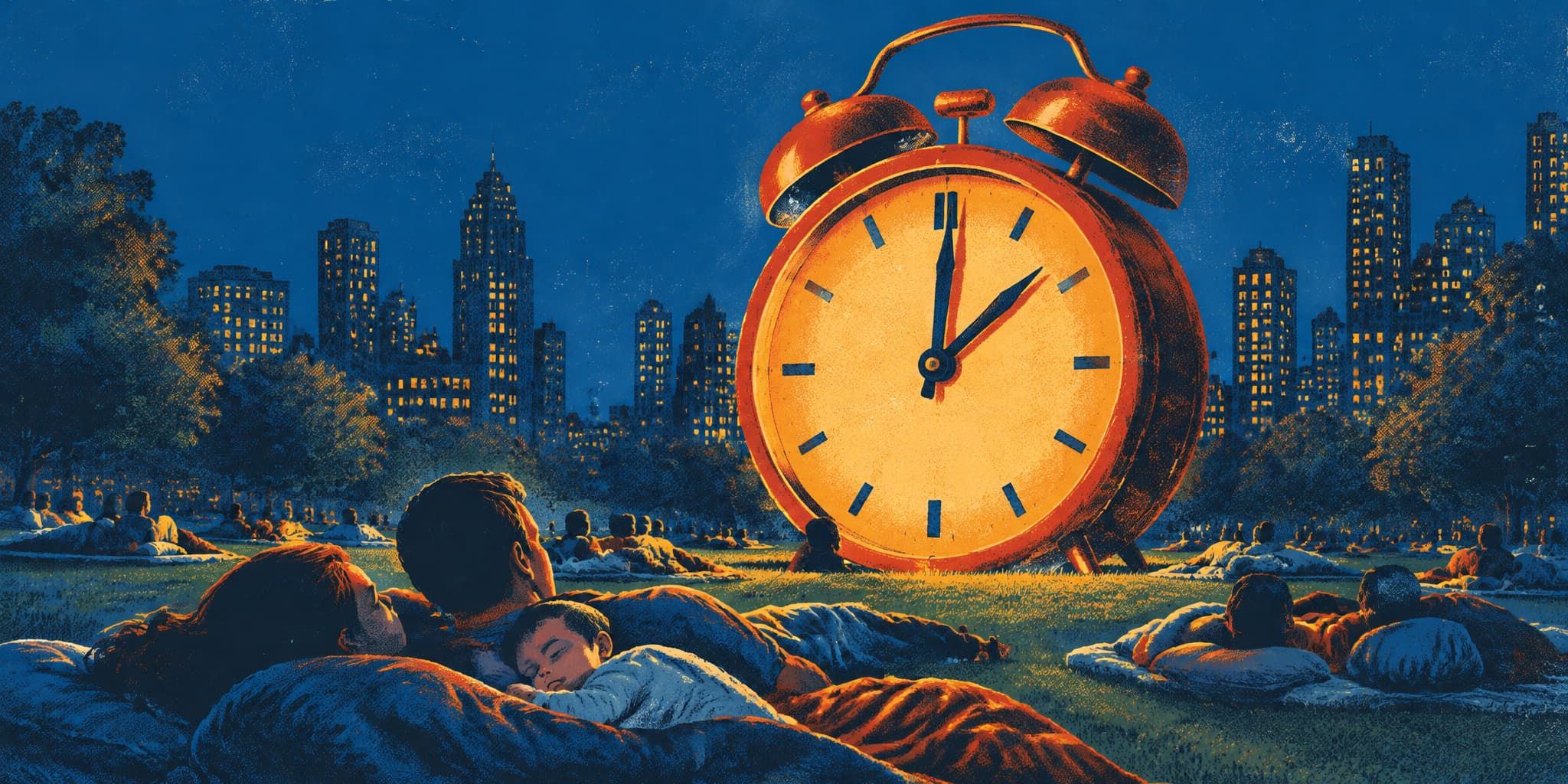
By sundown on July 9, 1936, New York's hottest recorded day, tenement families had already claimed Central Park's lawns. Others carried beds into Lower East Side streets or slept on Coney Island sand, rooftops, and fire escapes. They had been doing it for summers. Mayor La Guardia's order the next day told police to let them sleep. In 2024, no regular city cooling center stayed open past 11 p.m.
Further Reading