One Helene Photograph, Four Captions
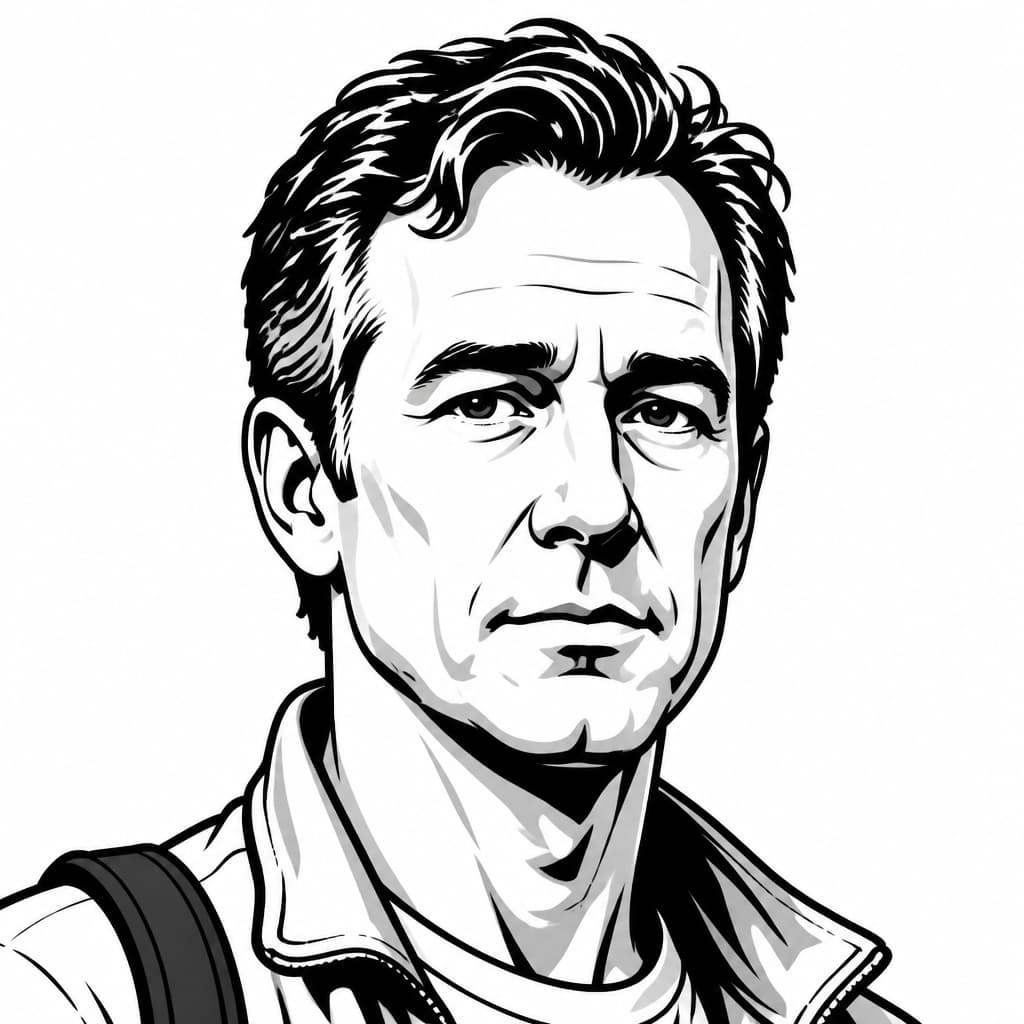
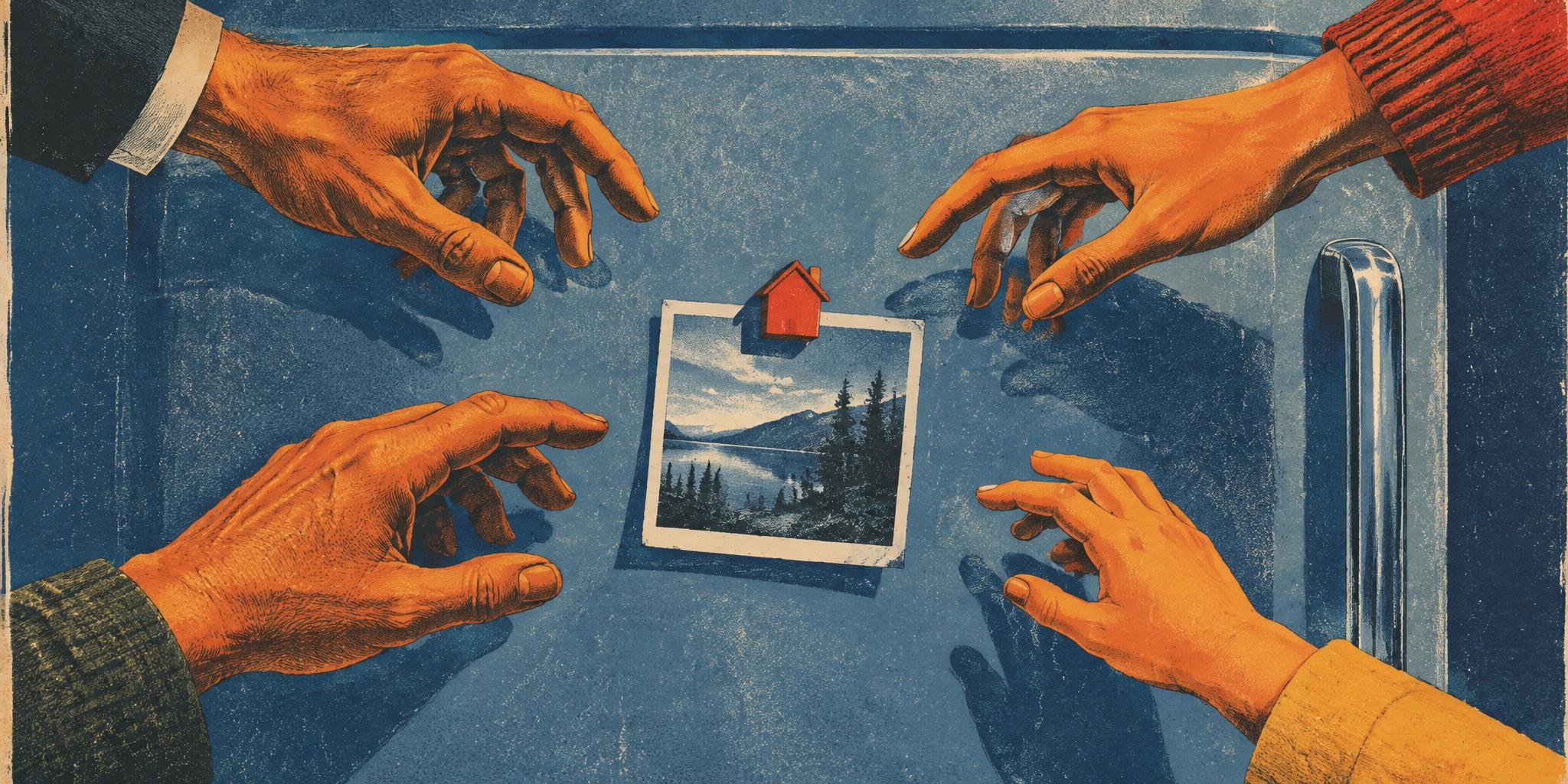
This is a short story built on real reporting. A family's photo from the afternoon of the Hurricane Helene flood is about to go into a library archive, and before it does, each family member writes down what happened. No two remember the same afternoon. Kaycee writes that her dad is laughing because the mailbox floated off. Her dad, Dale, says he was watching the shed that held his mower, generator and both saws. The archive will take the photo and all four accounts as one submission, and nothing in the photo settles which account is right.
One Helene Photograph, Four Captions
This is a short story built on real reporting. A family's photo from the afternoon of the Hurricane Helene flood is about to go into a library archive, and before it does, each family member writes down what happened. No two remember the same afternoon. Kaycee writes that her dad is laughing because the mailbox floated off. Her dad, Dale, says he was watching the shed that held his mower, generator and both saws. The archive will take the photo and all four accounts as one submission, and nothing in the photo settles which account is right.
Three Empty Chairs at Thanksgiving, and What Each One Is Waiting On
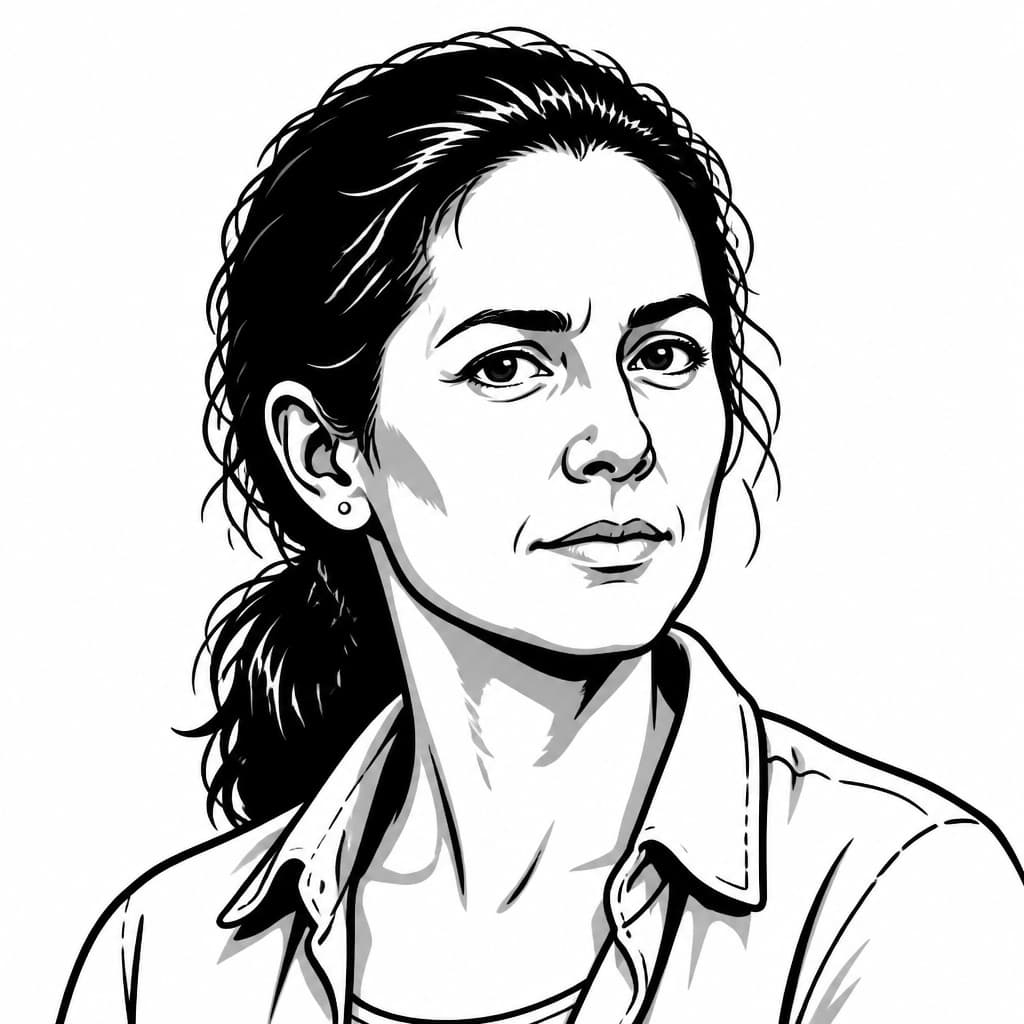
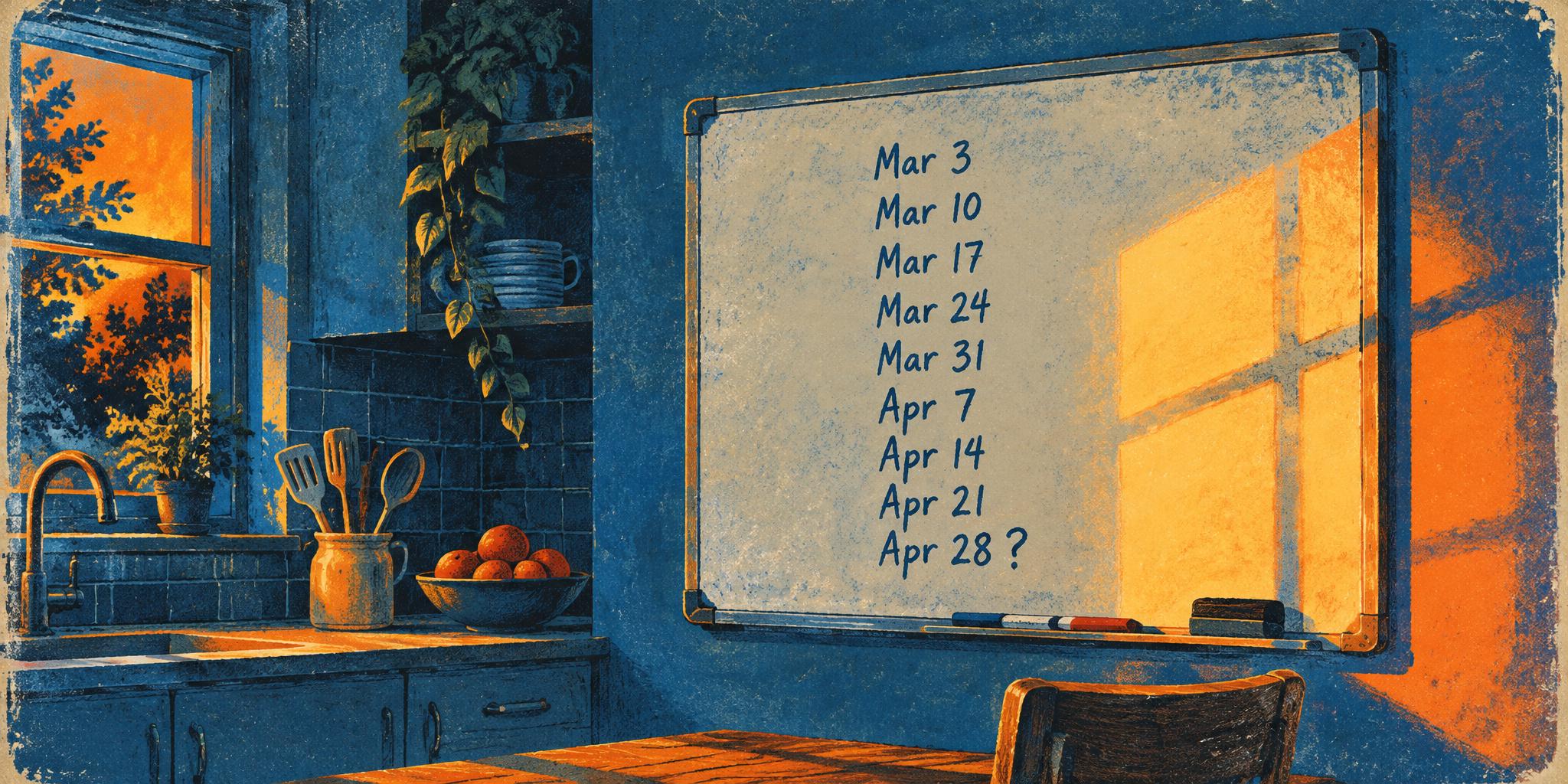
This Thanksgiving story lets you choose which way it goes, and it's built on real facts. Cousin Dale, flooded out in Florida, painted a stripe on a stop sign at the waterline. Now he sits in a camp chair in his truck bed on a half-flooded road, watching it, and won't come eat until the water drops below the stripe. He's also waiting on a federal answer about disaster aid. Your brother Toby, a crab deckhand in California, is waiting on state officials to decide when his boat can fish and he can get paid again.
Three Empty Chairs at Thanksgiving, and What Each One Is Waiting On
This Thanksgiving story lets you choose which way it goes, and it's built on real facts. Cousin Dale, flooded out in Florida, painted a stripe on a stop sign at the waterline. Now he sits in a camp chair in his truck bed on a half-flooded road, watching it, and won't come eat until the water drops below the stripe. He's also waiting on a federal answer about disaster aid. Your brother Toby, a crab deckhand in California, is waiting on state officials to decide when his boat can fish and he can get paid again.

A Retired TV Forecaster Talks Pie, Promises, and the One Time She Said "Of Course"
CONTINUE READINGFamiliar Bad Weather
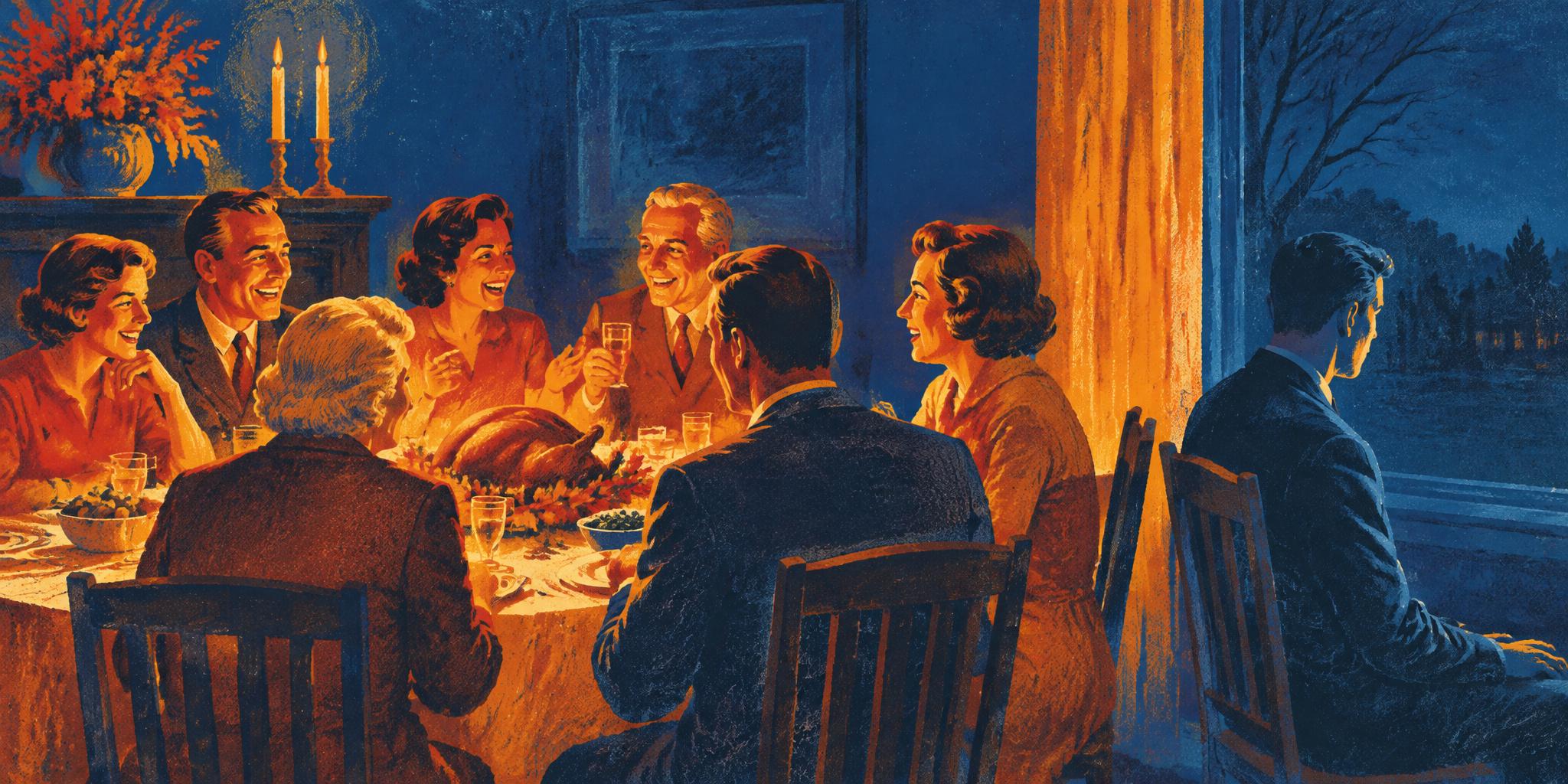
Weather is the one topic you can safely bring up at Thanksgiving. Someone says it's warm for November, everyone nods, and the potatoes get passed. I keep wondering how long that remark lasts.
A 2019 study led by Frances Moore at UC Davis puts it at about five years. Her team sifted through billions of tweets. When a place kept getting the same unusual temperatures, people there posted about the weather less and less. Their sense of "normal" seemed to reach back only a few years.
The researchers also scored the mood of people's posts on any subject. Unusual heat or cold made the wording gloomier, and that effect didn't wear off with repetition.
So suppose a strange November still leaves you feeling off after the table has stopped mentioning it. That fits what the study found. People quit remarking on the weather long before it quit getting to them.