First Count
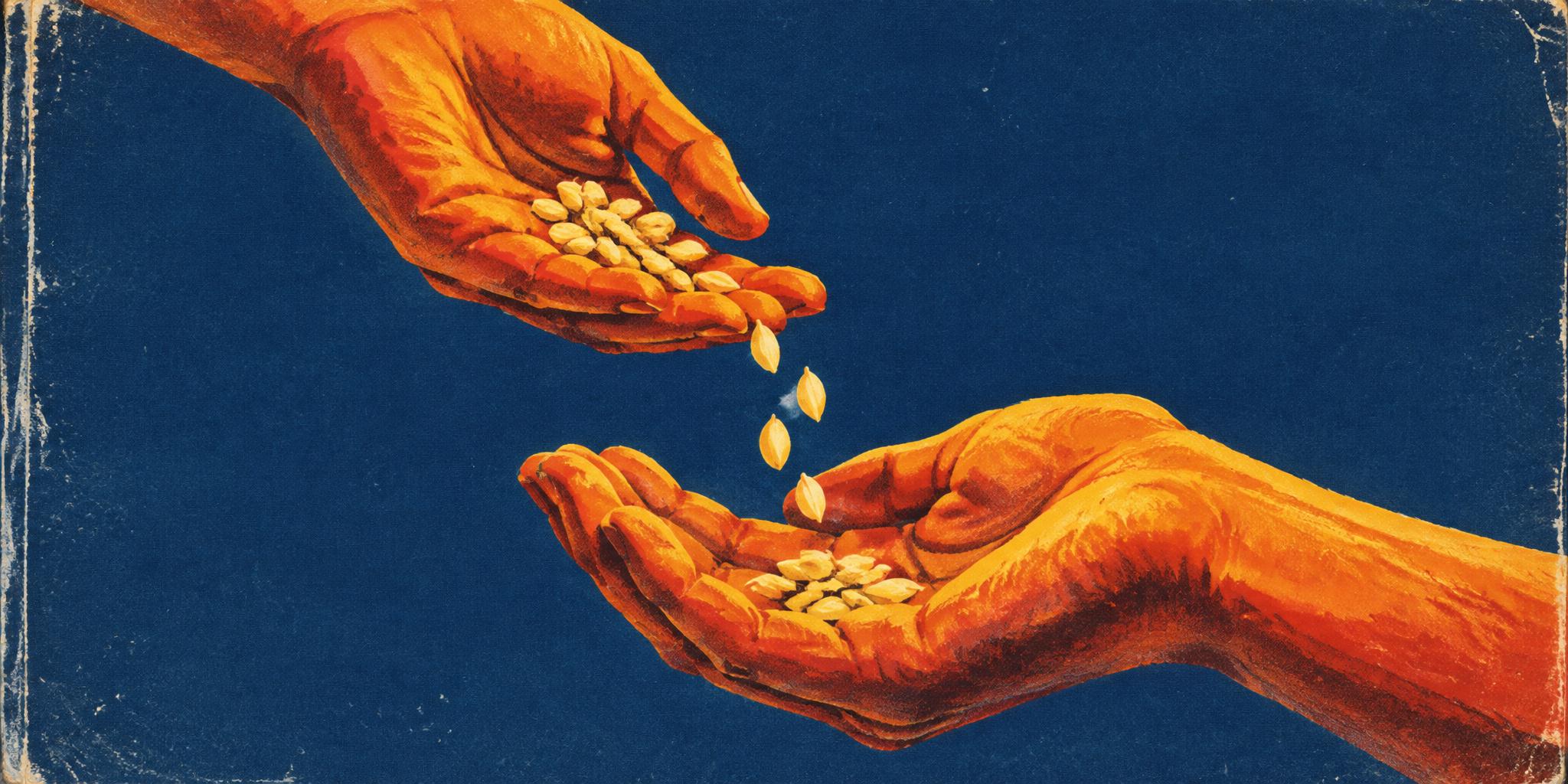
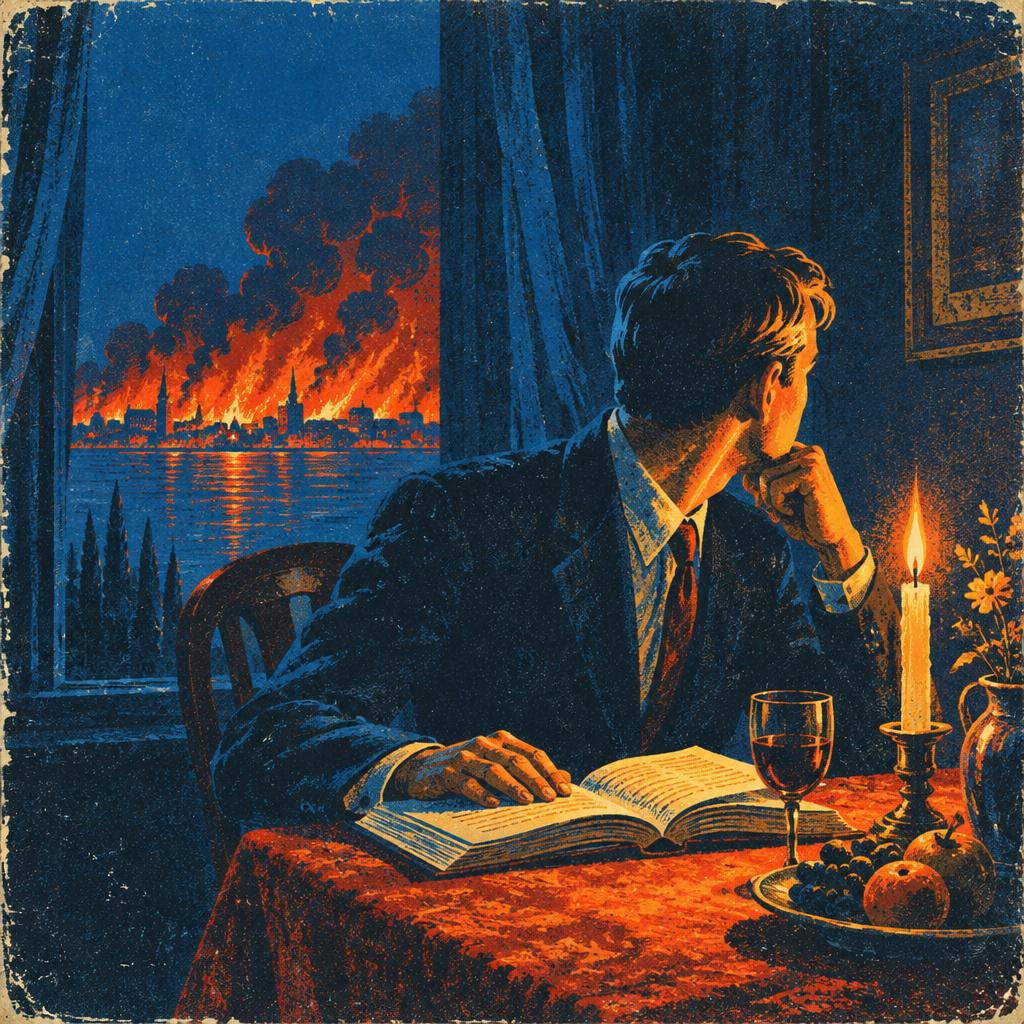
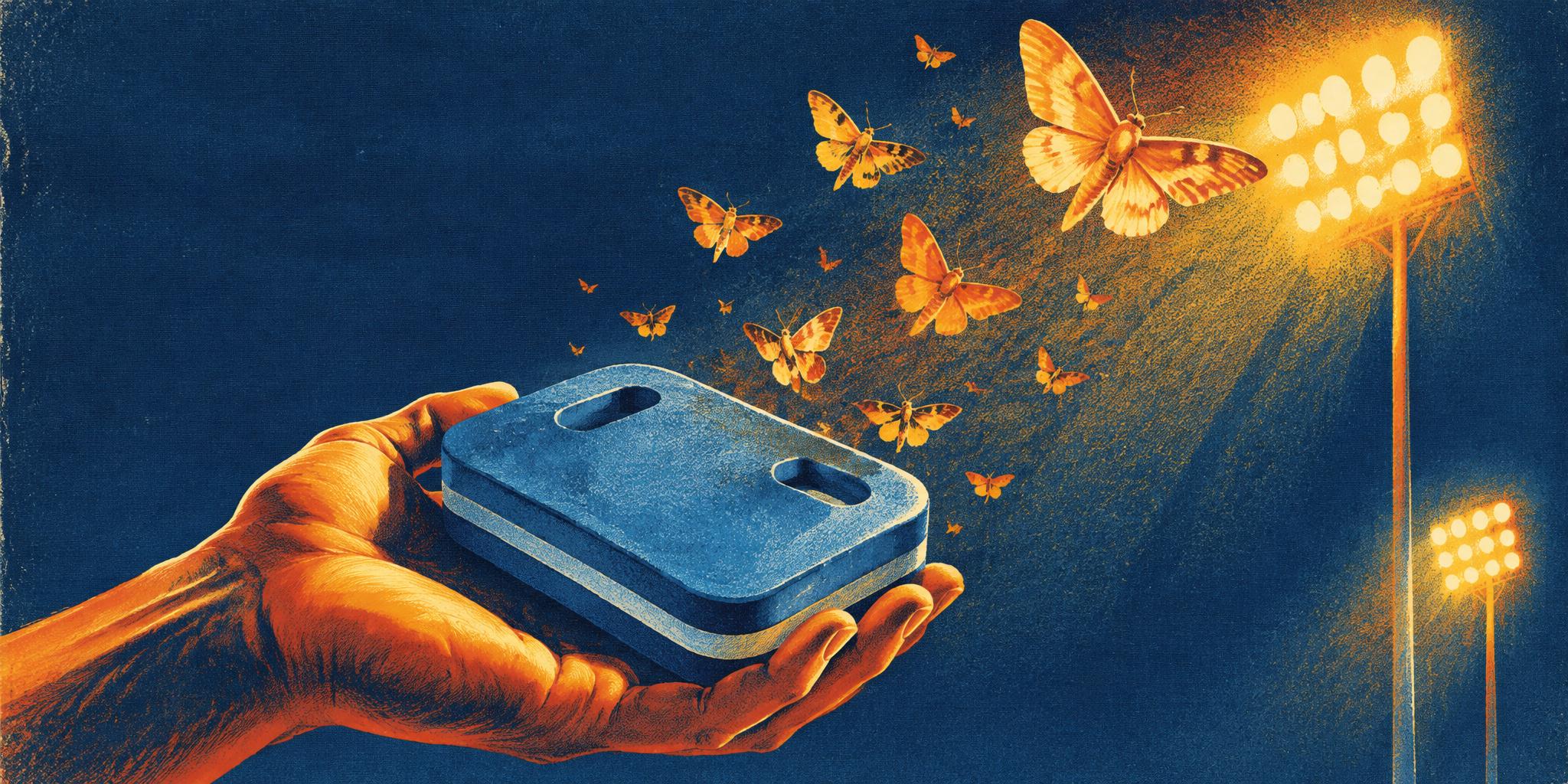
This serialized story opens in the front seat of a seed company's car with the heater on high. Cass is guarding a sack of seed for a farmer she can't reach, and the seed may be dying. To learn how much of it is still alive, she slices open 400 seeds, each smaller than a sesame seed, while the company's buyer watches and holds a headlamp for her. She has until 6 a.m. to finish. Then, whatever the count says, she has until Thanksgiving to decide who will grow it.
First Count
This serialized story opens in the front seat of a seed company's car with the heater on high. Cass is guarding a sack of seed for a farmer she can't reach, and the seed may be dying. To learn how much of it is still alive, she slices open 400 seeds, each smaller than a sesame seed, while the company's buyer watches and holds a headlamp for her. She has until 6 a.m. to finish. Then, whatever the count says, she has until Thanksgiving to decide who will grow it.
Even Years at Her House
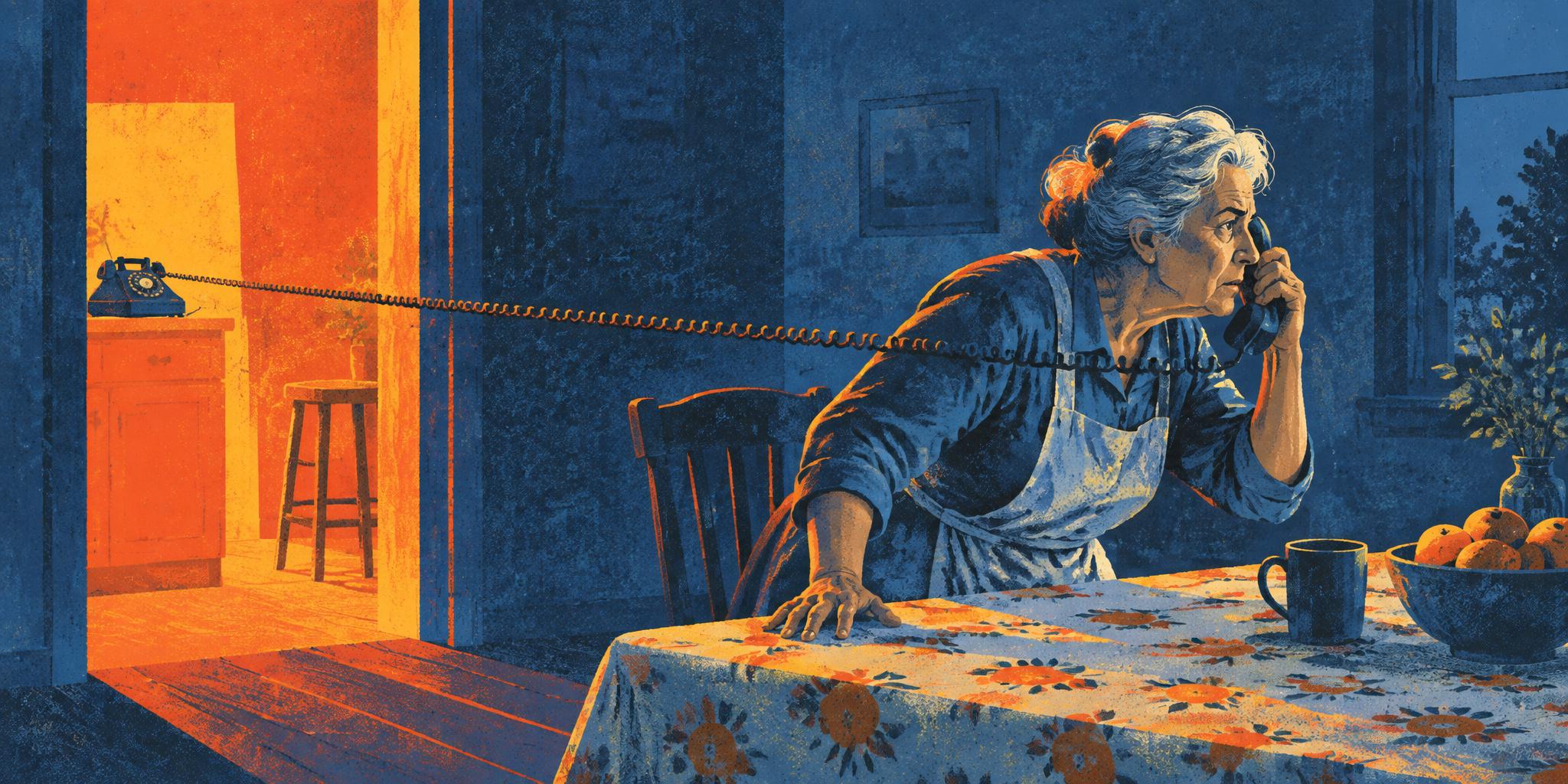
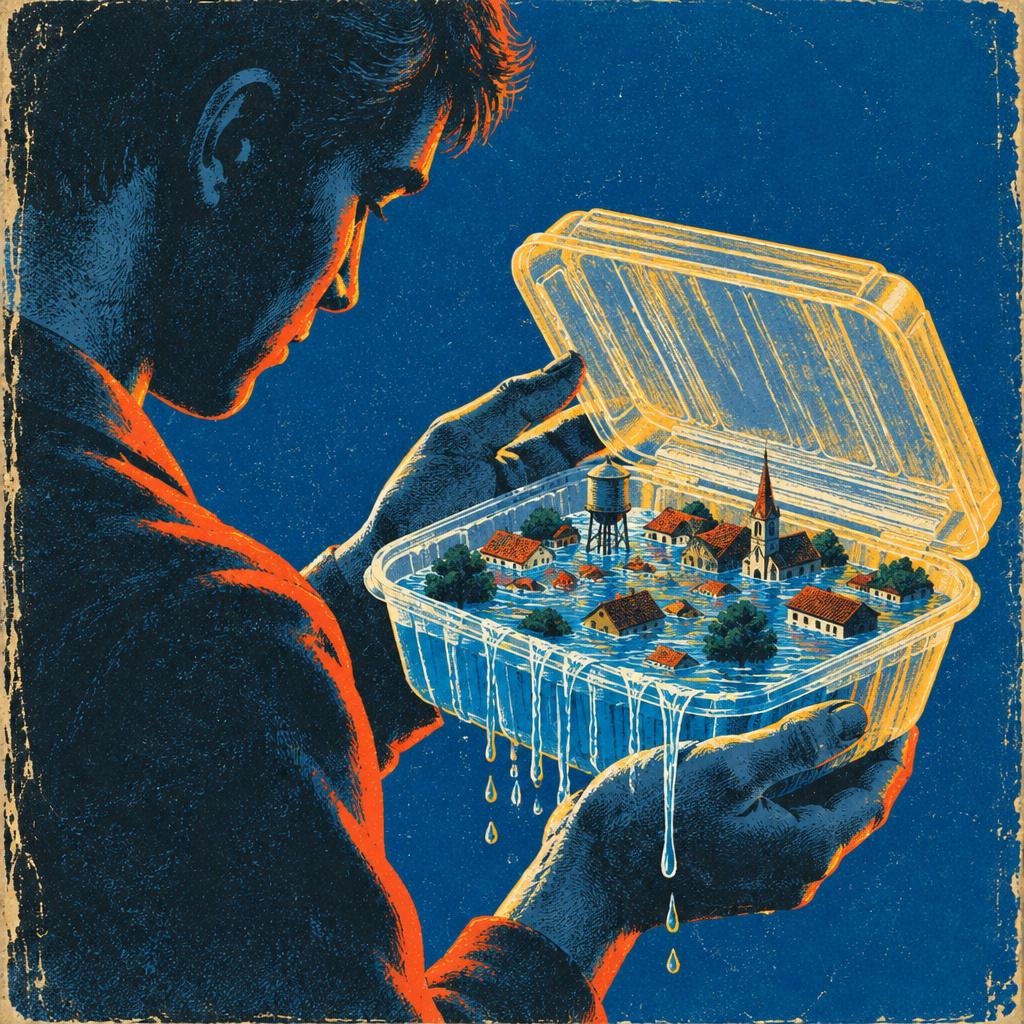
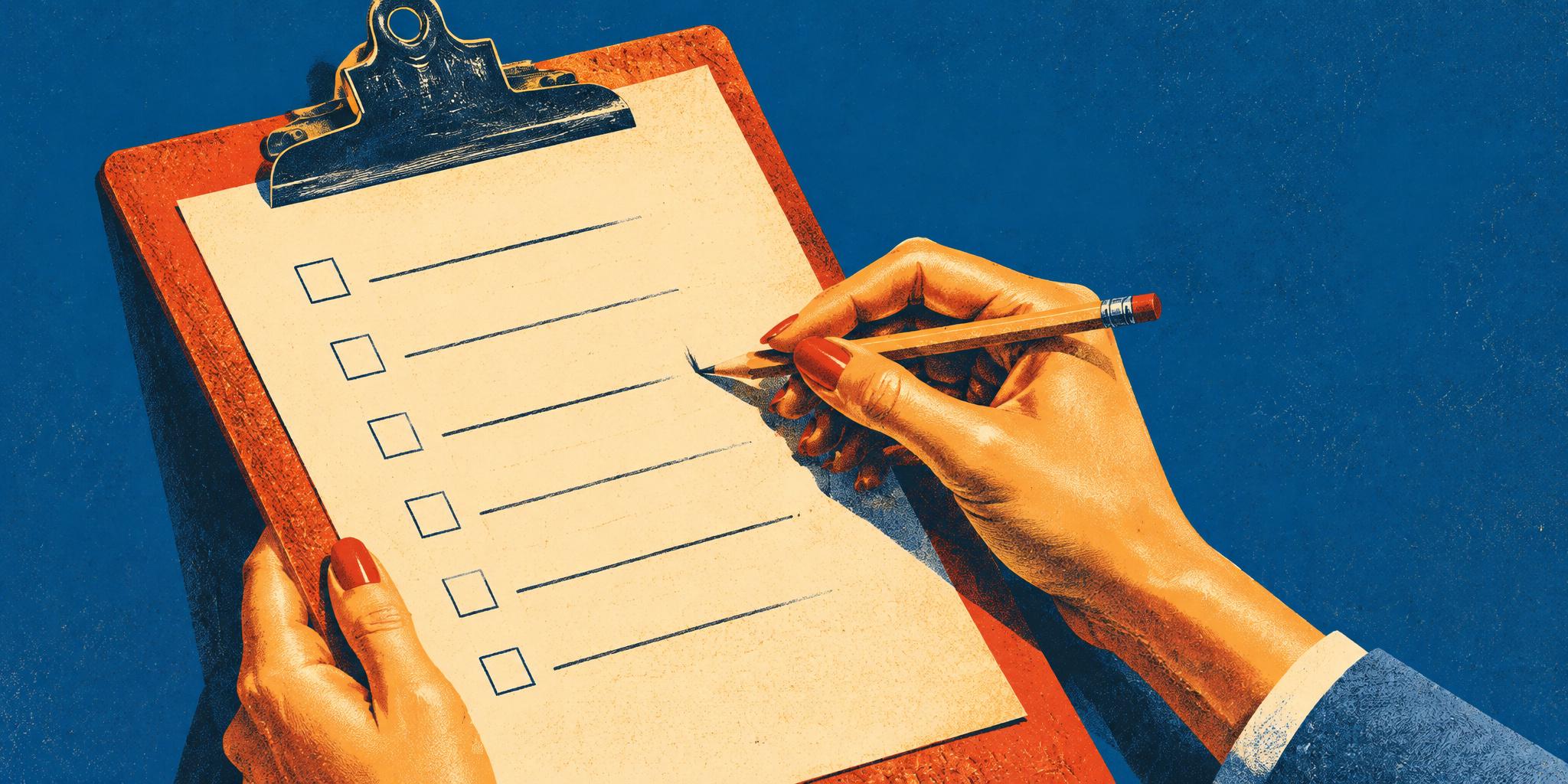
This short story is set during Thanksgiving week, 2042. The river comes over Cornelius Road most Novembers now, and this year it arrives the Monday before the holiday. Bev, a grandmother, is left on one side of the water. Her daughter is on the other, four miles away at the table of June, Bev's oldest friend. For forty years Bev and June have taken turns hosting Thanksgiving. This year, with the road underwater, they'll have to cook it together over a landline.
Even Years at Her House
This short story is set during Thanksgiving week, 2042. The river comes over Cornelius Road most Novembers now, and this year it arrives the Monday before the holiday. Bev, a grandmother, is left on one side of the water. Her daughter is on the other, four miles away at the table of June, Bev's oldest friend. For forty years Bev and June have taken turns hosting Thanksgiving. This year, with the road underwater, they'll have to cook it together over a landline.
Above the Line
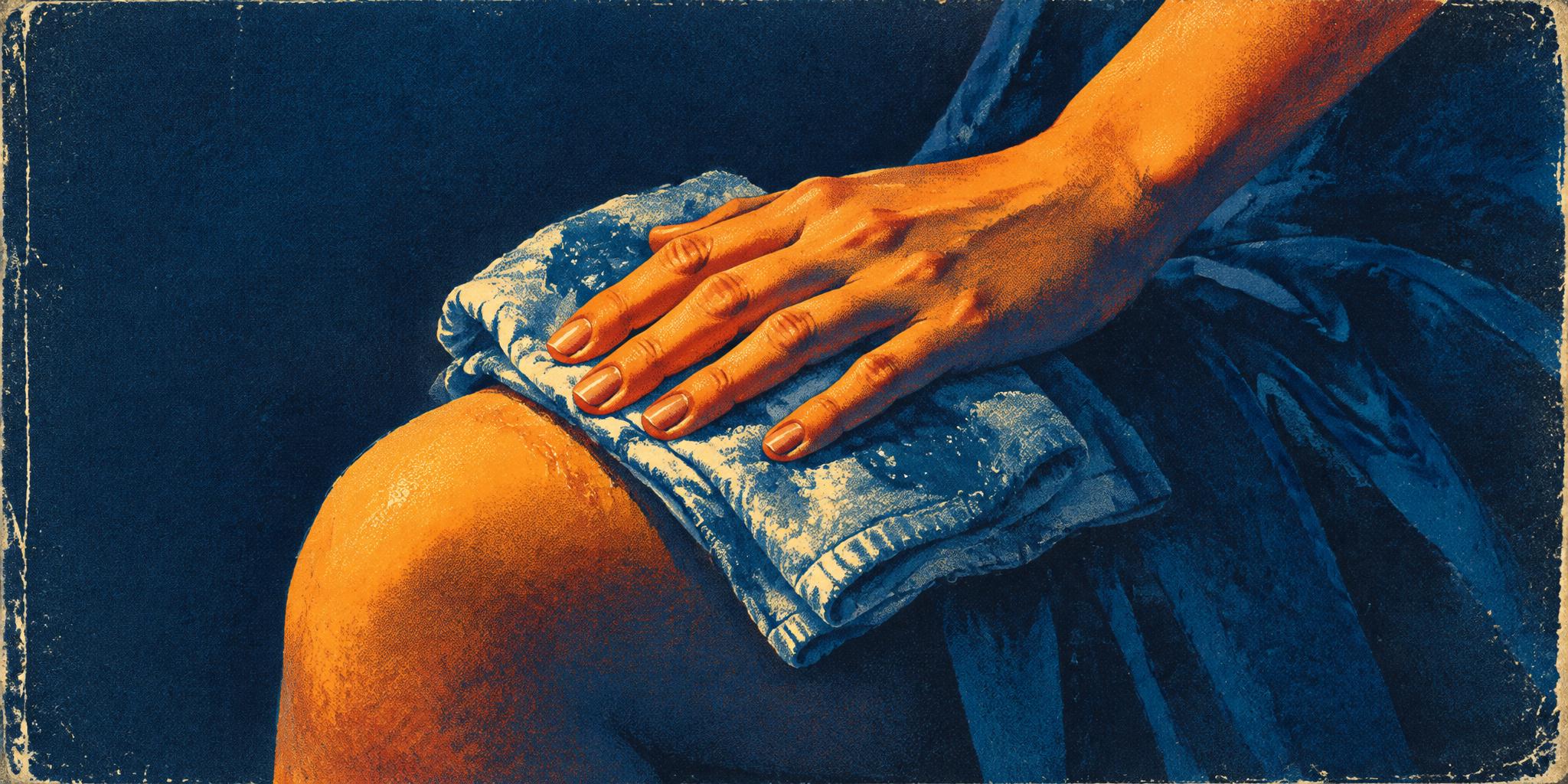
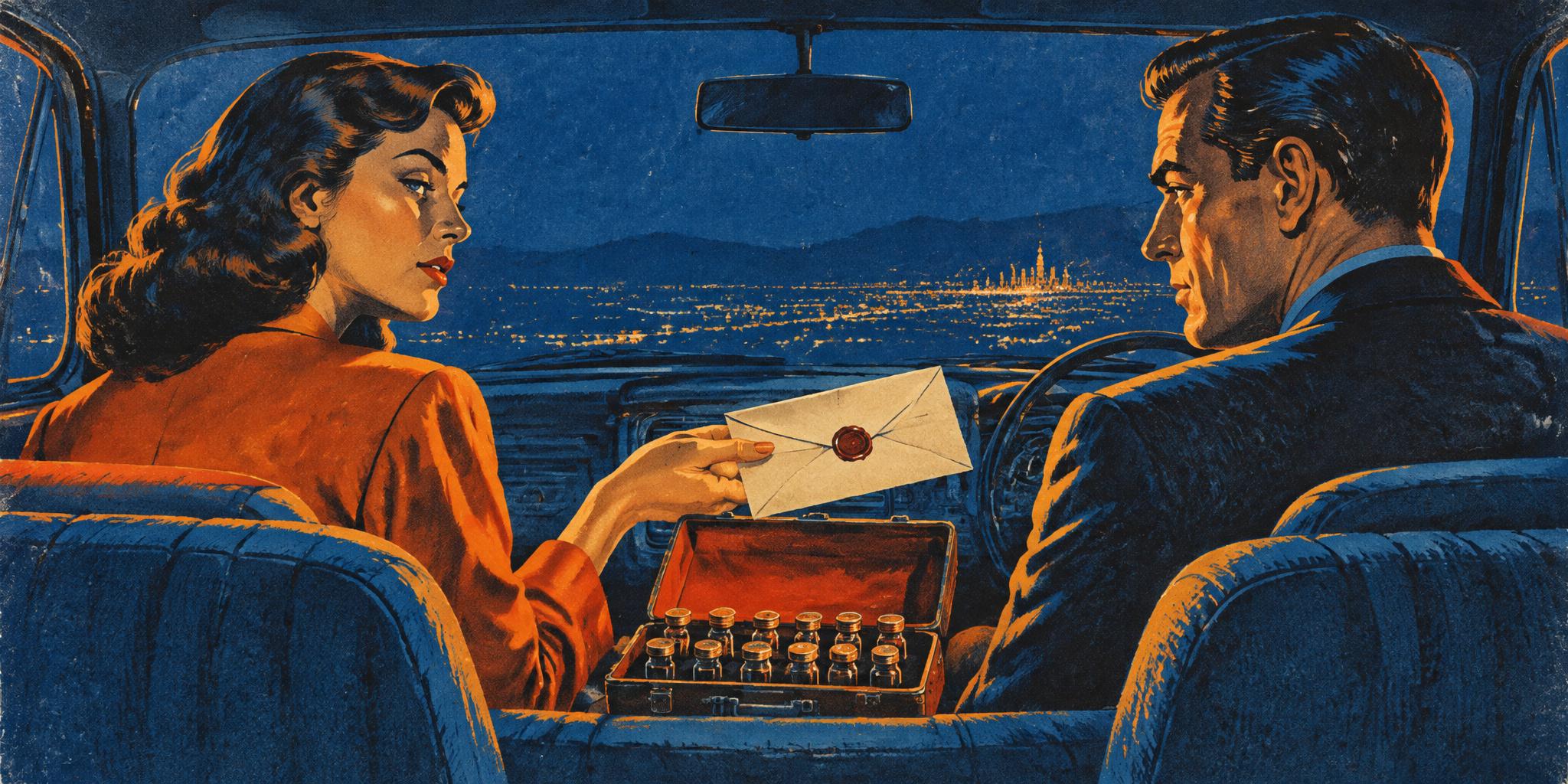
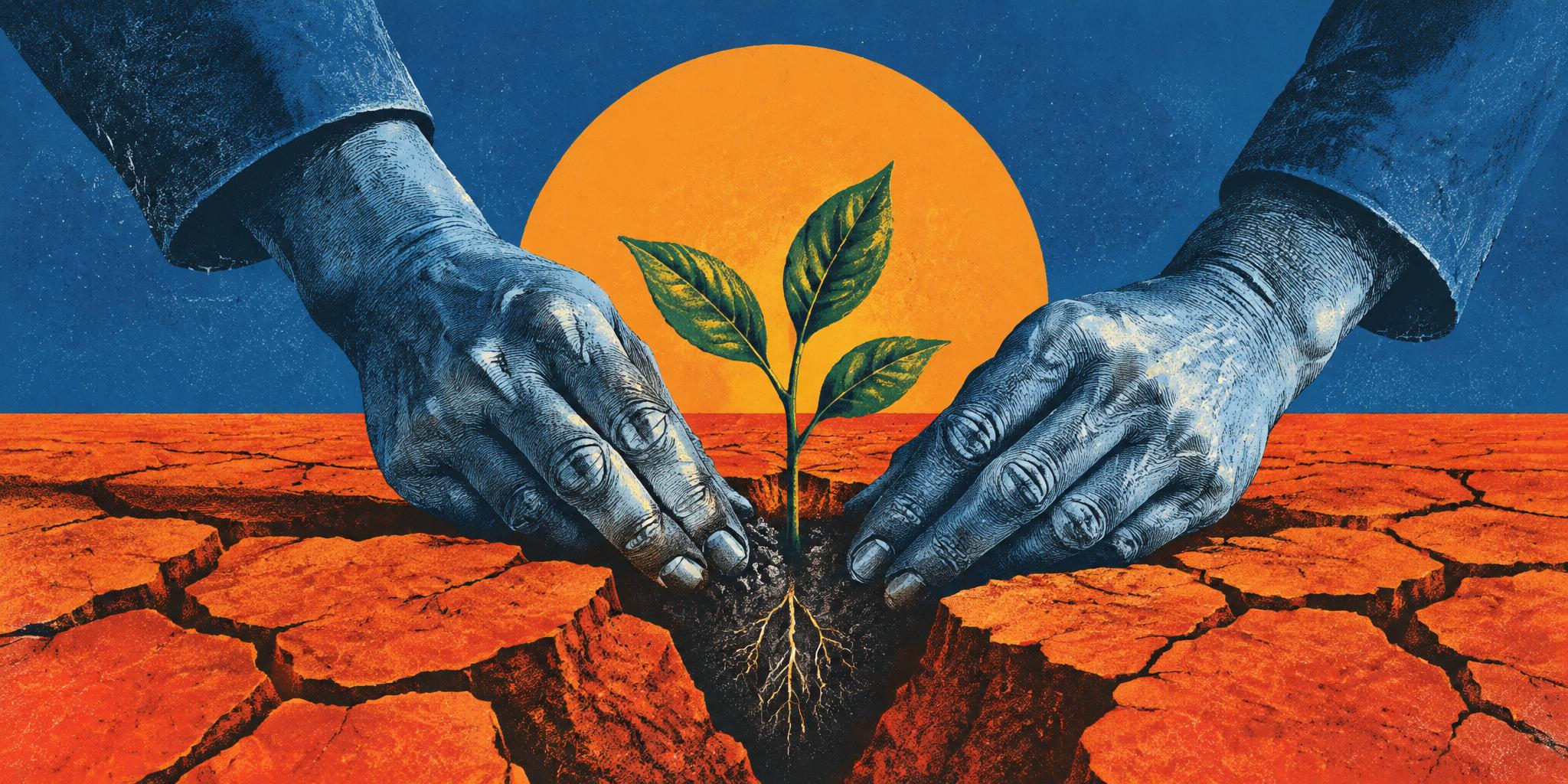
This short story imagines a Houston that has moved its life to the night to escape the heat. You can see the change on a barbershop's hand-painted sign, which now reads "11 PM–5 AM," with the old "Tues–Sat, 9–7" faded almost to nothing underneath. Living after dark works for most of the city. It works less well for a woman who uses a wheelchair and can't sweat below her chest, whose body can't cool itself the way other people's do, and whose medication is running low.
Above the Line
This short story imagines a Houston that has moved its life to the night to escape the heat. You can see the change on a barbershop's hand-painted sign, which now reads "11 PM–5 AM," with the old "Tues–Sat, 9–7" faded almost to nothing underneath. Living after dark works for most of the city. It works less well for a woman who uses a wheelchair and can't sweat below her chest, whose body can't cool itself the way other people's do, and whose medication is running low.

They Planted These Pines for 2071. We Walked Them With the Woman Who Kept Count
CONTINUE READINGFlash Fiction
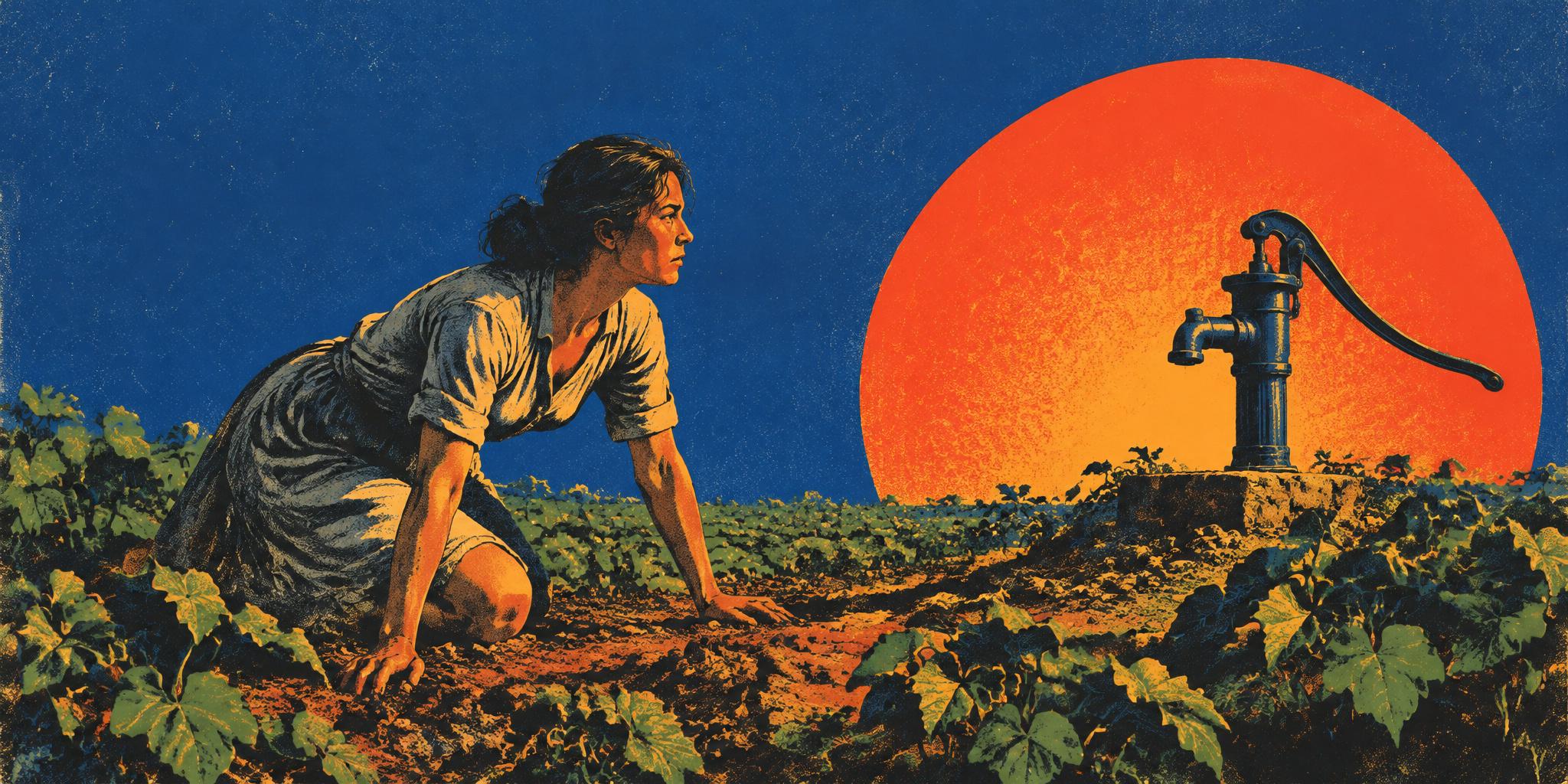
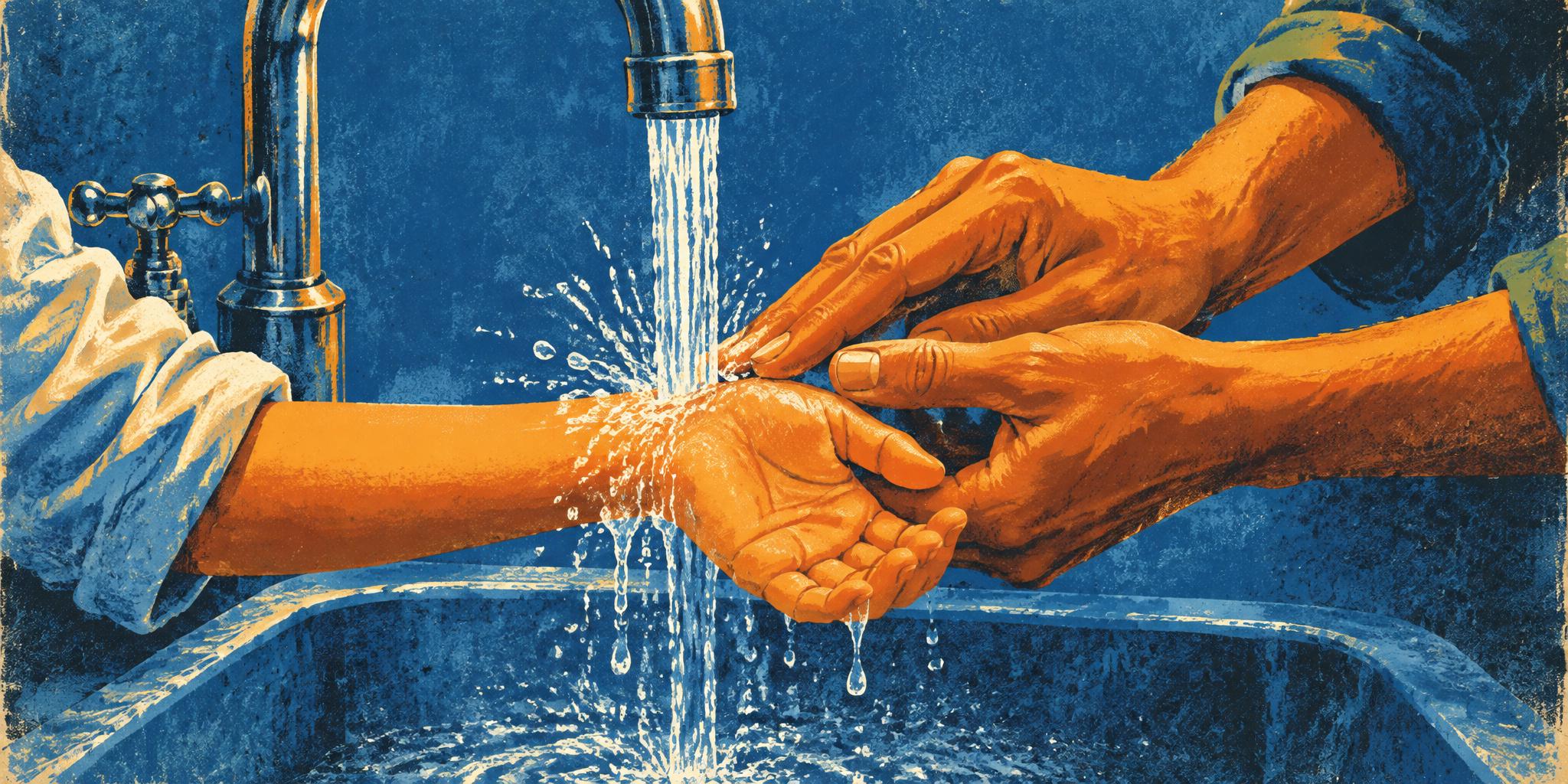
The air is 91. One berry rolled between thumb and finger is warm the way a child's forehead is warm.
She pushes the probe in at the end opposite the stem. 105.
Fourth afternoon this week.
If she turns on the sprinklers, the leaves stay wet for hours, and rot gets in through the wet. If she waits, the berries soften from the center out.
Ten minutes. 106. The vines press their pattern into her knees.
A cloud. The back of her neck goes cool. 104.
Then sun.
She gets up and walks to the pump. She'll decide how many minutes when she gets there.