Parris Wise Left Helene Behind. A Durango Flood Took Her Evenings With the Neighbors.
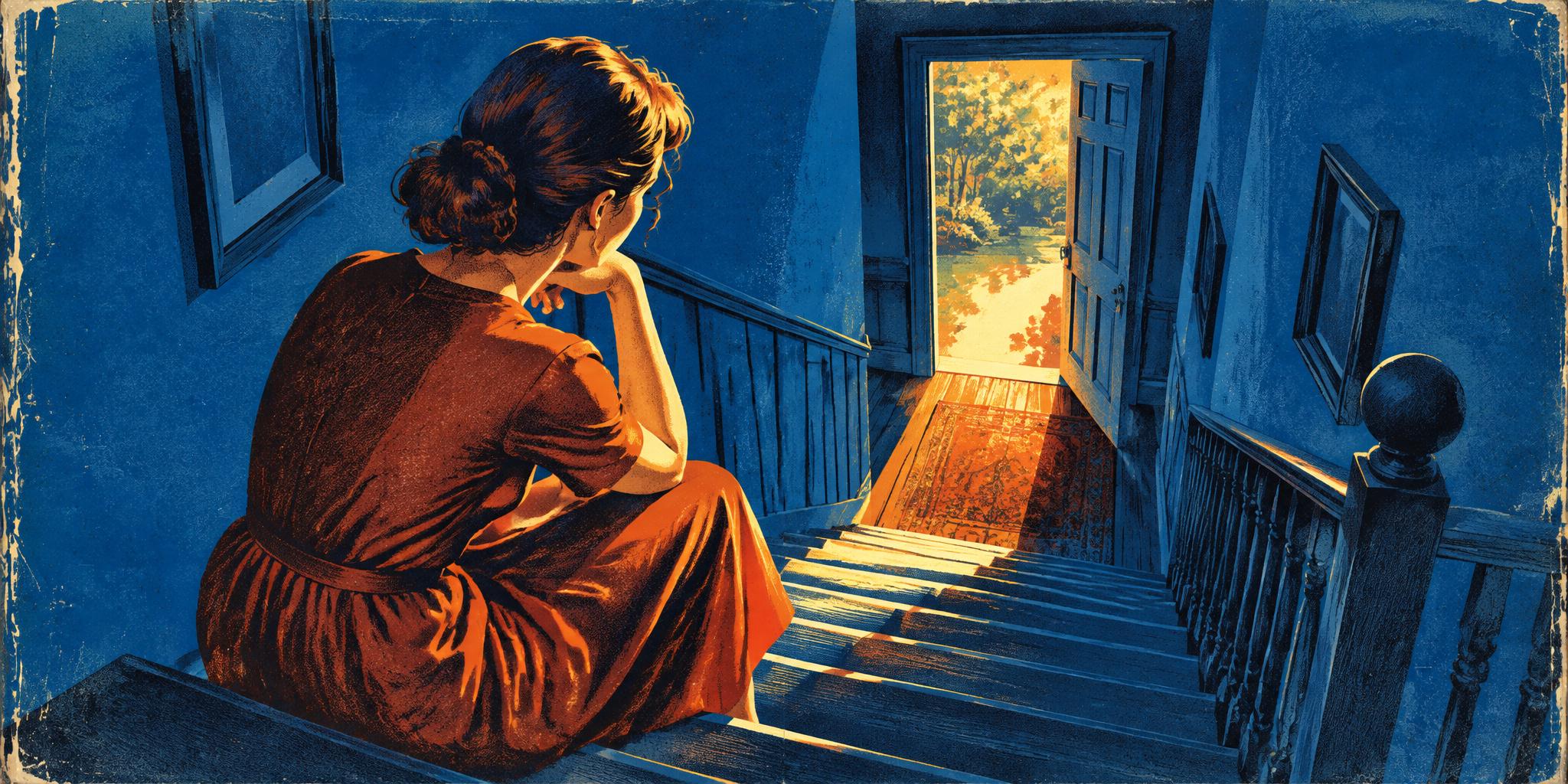
After Hurricane Helene took her home, a renter started over in a shared house in Colorado. Company came easily there, and the people around her became the ones she leaned on. Then a flood displaced every one of them. "Our neighbors would come upstairs and hang out all the time," she says, "and now we lost that." Whether they can stay near one another now depends largely on money, and on what insurance will and won't pay for.
Parris Wise Left Helene Behind. A Durango Flood Took Her Evenings With the Neighbors.
After Hurricane Helene took her home, a renter started over in a shared house in Colorado. Company came easily there, and the people around her became the ones she leaned on. Then a flood displaced every one of them. "Our neighbors would come upstairs and hang out all the time," she says, "and now we lost that." Whether they can stay near one another now depends largely on money, and on what insurance will and won't pay for.

The Generator Man Has No Generator. We Asked Him How You Take a Favor Back
CONTINUE READINGBuyout Relocation Research
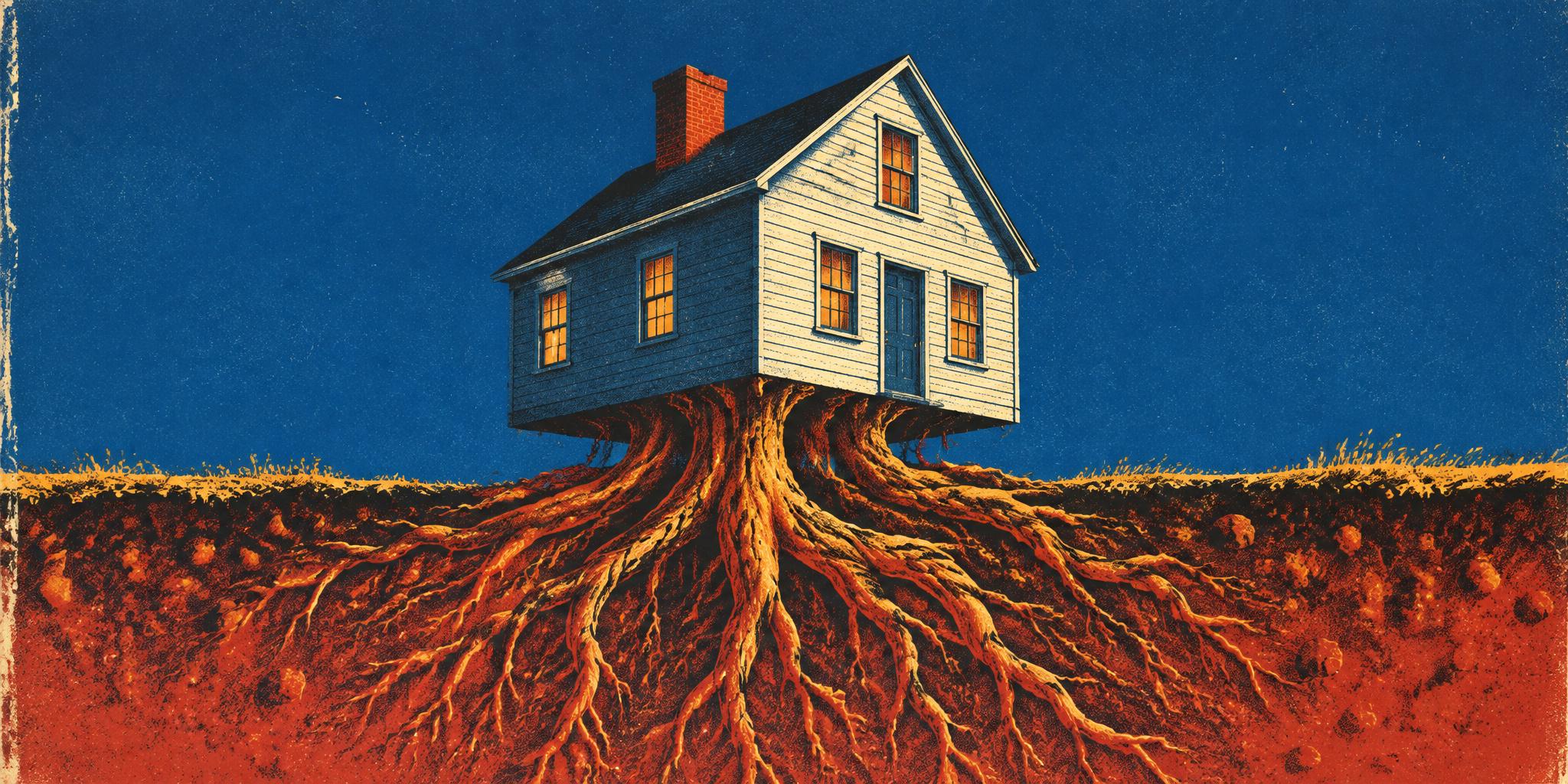
Wendy Byra grew up in Manville, New Jersey. After the house she shared with Thomas Kline flooded twice, they sold it to the state through a buyout. In a buyout, the government purchases a flood-prone home and keeps the land empty afterward. In 2015 they took $185,000 and moved to higher ground in the same town.
A new study in Science Advances finds that choice is common. Among the buyout participants researchers could trace, half resettled within 10 kilometers, about six miles. That is a short drive to the old parish, school or grocery store.
The study followed addresses, though. It can't say who still gathers at the same Thanksgiving table. It couldn't locate many participants at all. It also doesn't count people who wanted to leave and gave up on a process that federal auditors describe as slow.
Two Cranberry Growers
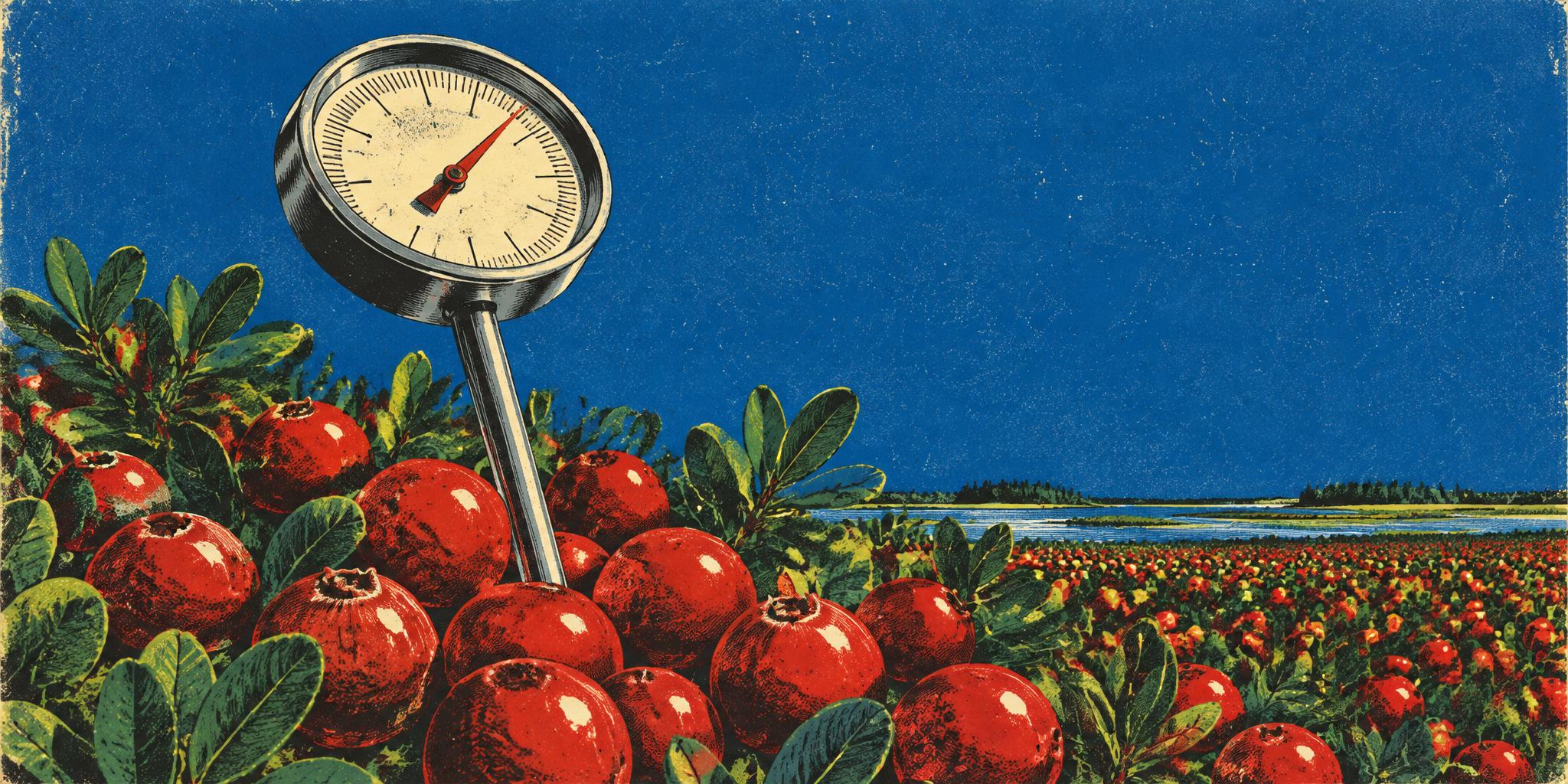
On the Worst Days for New Jersey Cranberries, the Sky Looks Perfect
Most of us check the weather for today's high and tonight's low. On a family cranberry farm in southern New Jersey, those numbers miss what decides whether there's a crop. A pleasant 90-degree afternoon can wreck it, and the forecast won't warn the family when. So on the hottest clear days, the crew walks the fields with a meat thermometer, the kind many of us will stick in a turkey on Thursday, and pushes it into the berries.
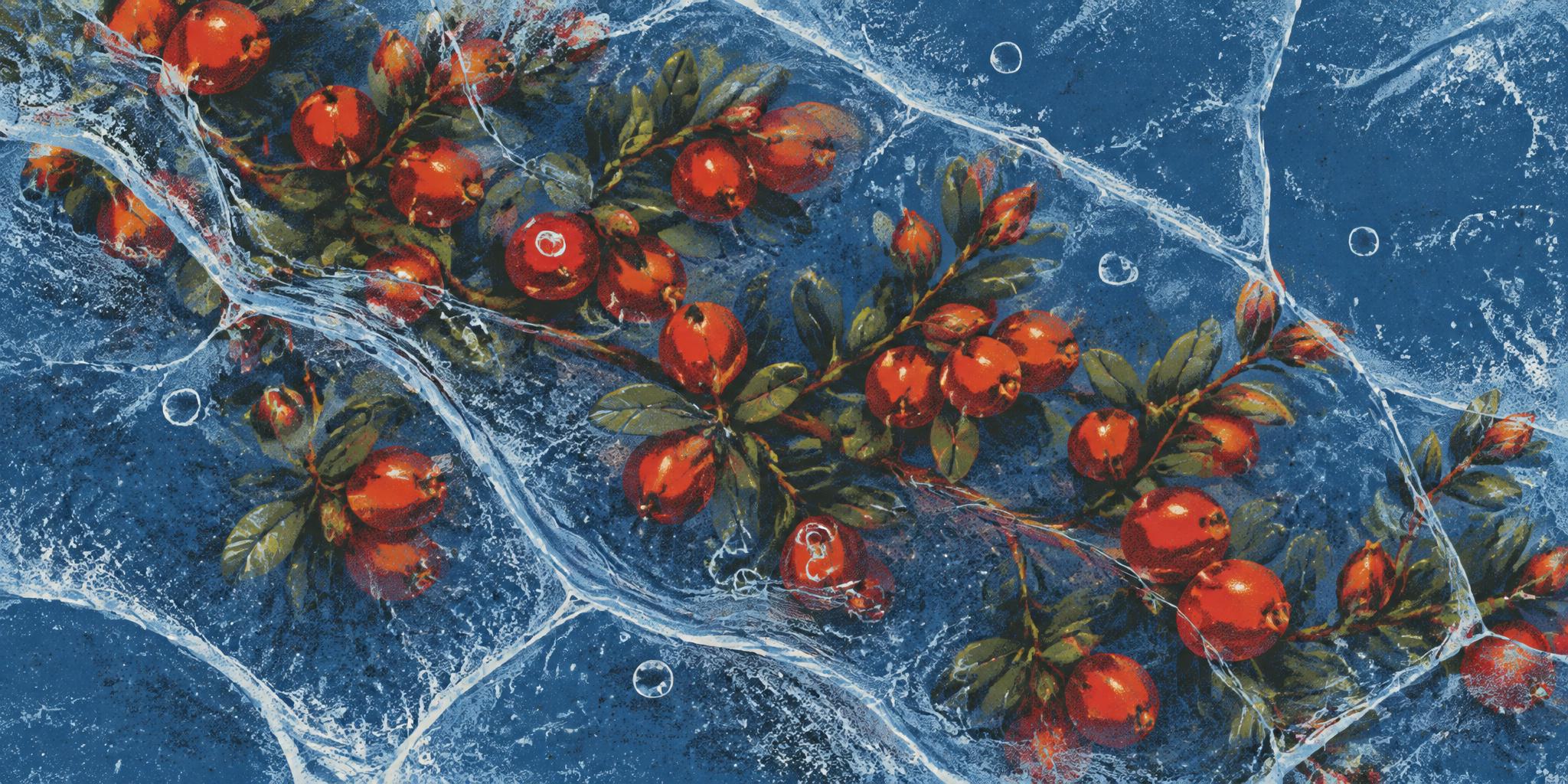
In Wisconsin, Next Year's Cranberries Wait on a Long Cold Spell
Rochelle Hoffman's harvest is in, but the fifth-generation cranberry grower is already thinking about next fall. "The bud for next year is already on the vines right now," she says. It's "pretty exciting, and a little stressful," especially after hail damaged flowers across the region two Junes in a row. Getting those buds through winter doesn't come down to any one night's low. She needs December to turn cold and stay cold, in an era when winters keep thawing partway through.
Updates on People We've Covered