The Dutch Changed Their Minds With the Dam Half Built


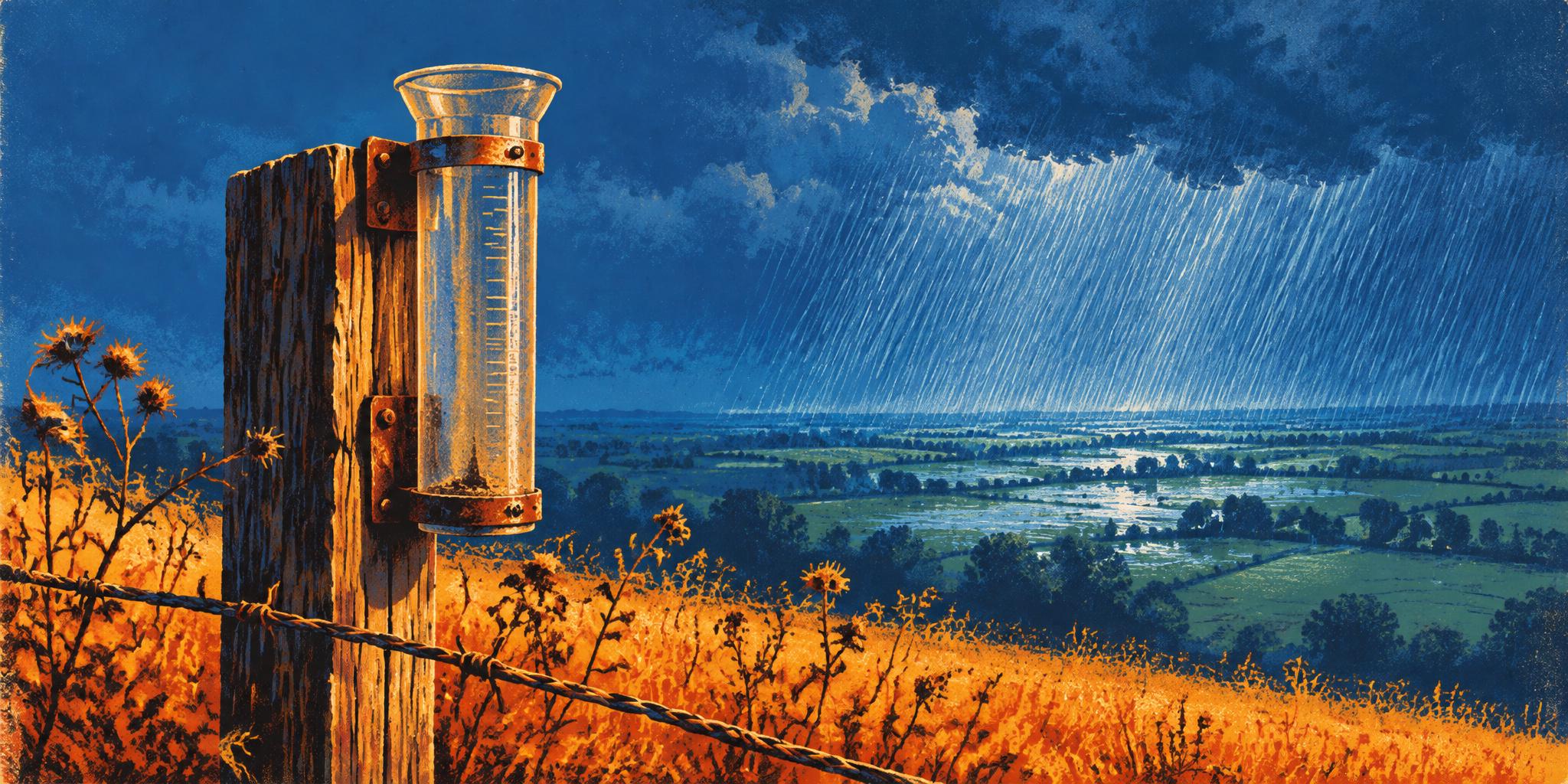
By late 1973, twelve tall towers stood over the last three open channels of a Dutch sea inlet, ready to carry concrete blocks out on cables and drop them until the sea was shut out. Closing the inlet was the flood protection promised to islanders across the water. But the shellfish growers working the inlet needed the tide to keep flowing, and shutting out the sea would stop it. In 1974, the Dutch had to decide which need came first, and the answer would bind both groups' grandchildren.
The Dutch Changed Their Minds With the Dam Half Built
By late 1973, twelve tall towers stood over the last three open channels of a Dutch sea inlet, ready to carry concrete blocks out on cables and drop them until the sea was shut out. Closing the inlet was the flood protection promised to islanders across the water. But the shellfish growers working the inlet needed the tide to keep flowing, and shutting out the sea would stop it. In 1974, the Dutch had to decide which need came first, and the answer would bind both groups' grandchildren.
Parade Wind Limit
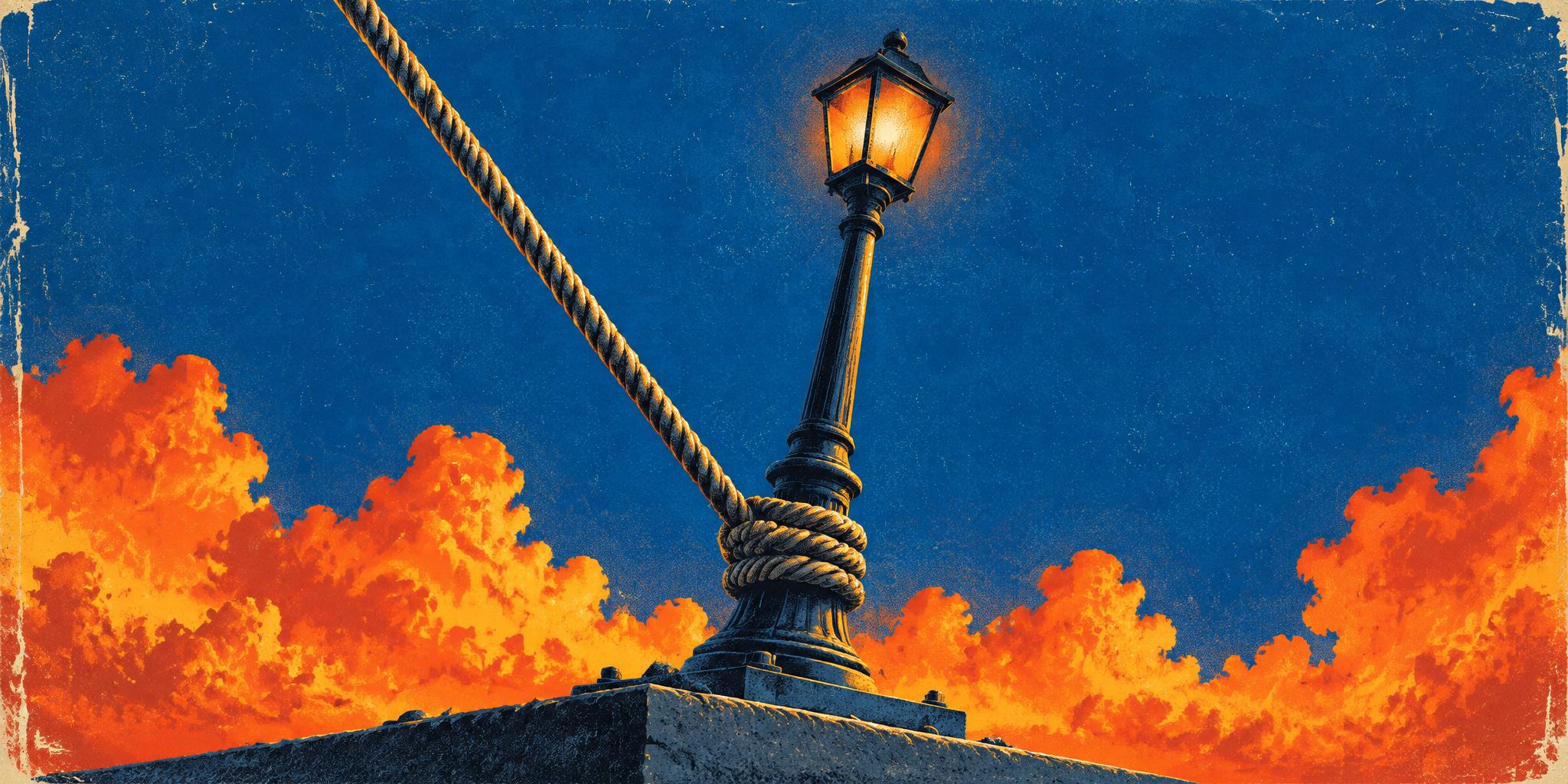
On Thursday, Snoopy and the other giant balloons float through Manhattan only if the wind allows. The steady wind has to stay under 23 mph, and gusts, the brief spikes above that steady speed, under about 34.
Those numbers can sound like physics. People chose them, after the Cat in the Hat balloon hit a lamppost in high wind in 1997 and badly injured a spectator. A panel appointed by the mayor recommended limits, and the city adopted them in November 1998.
The "about" is the odd part. The Associated Press's 2025 parade coverage gave the gust limit as 35 mph. Other outlets still say 34, and the city's public records don't explain the difference.
One mile per hour won't change your holiday. But a lot of life in a hotter world runs on lines like this one, from the heat index that cancels recess to the river height that triggers an evacuation. People drew each of those lines, often after someone got hurt, and it's worth asking who drew the ones you live by, and when.

Ledge or Main Street? We Interview a 1928 Bridge Engineer About the Pasture Washington Wouldn't Buy
CONTINUE READINGTwo Water Emergencies
A Dead Lawn, a Drought Ration and a Tax Law Written for Shipwrecks
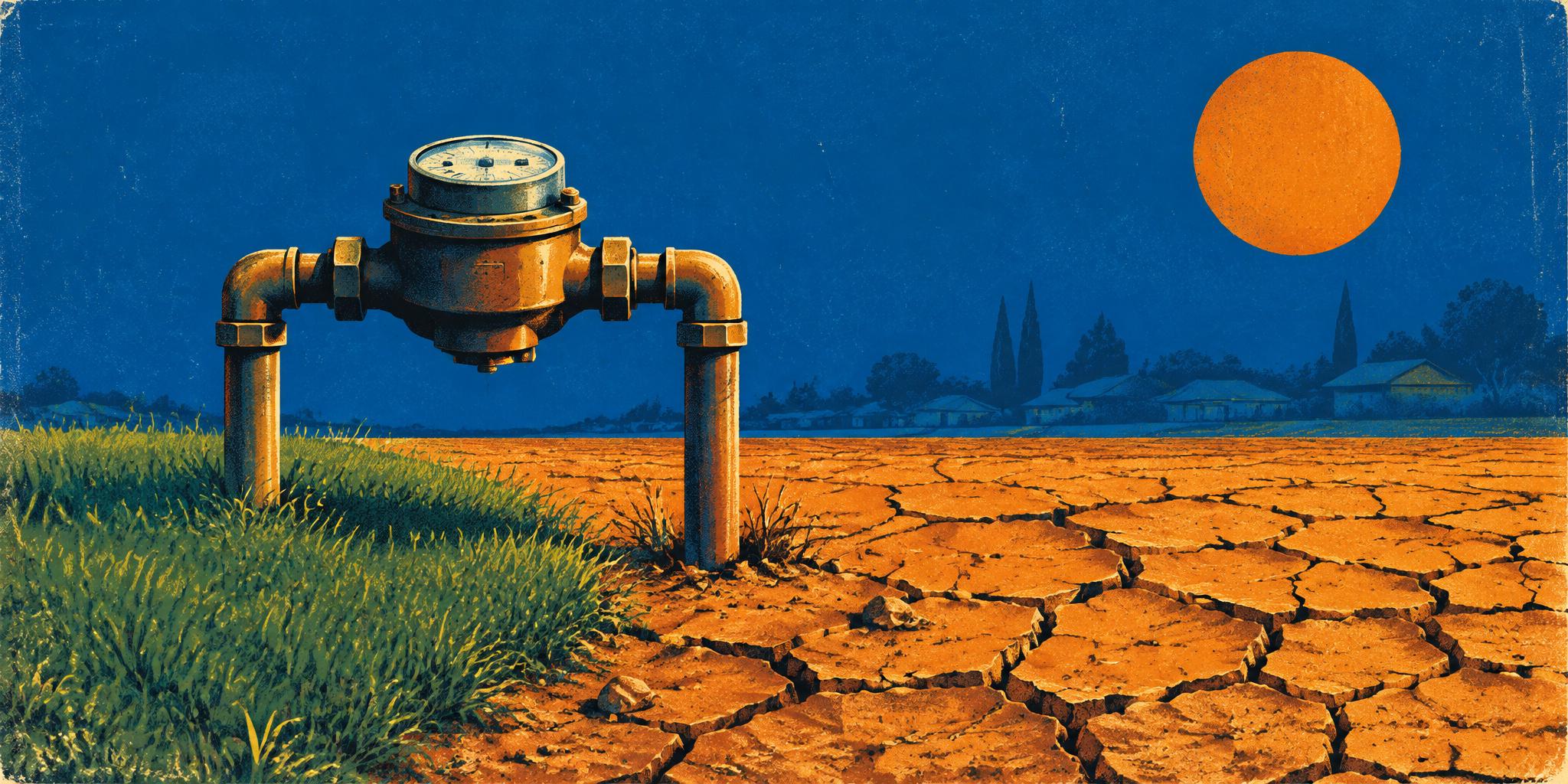
In 1977, drought rationing in their corner of California held the Rueckers, a family of four, to 148 gallons of water a day for everything: toilet, showers, laundry, dishes. A typical family their size had been using close to 500. They kept to the limit, and their yard died. So they took the IRS to court over who should pay for a loss the whole county's shortage had caused, a question anyone under watering limits still faces.
Eight Hundred Gallons a Minute, and a Town Full of Roof Sprinklers
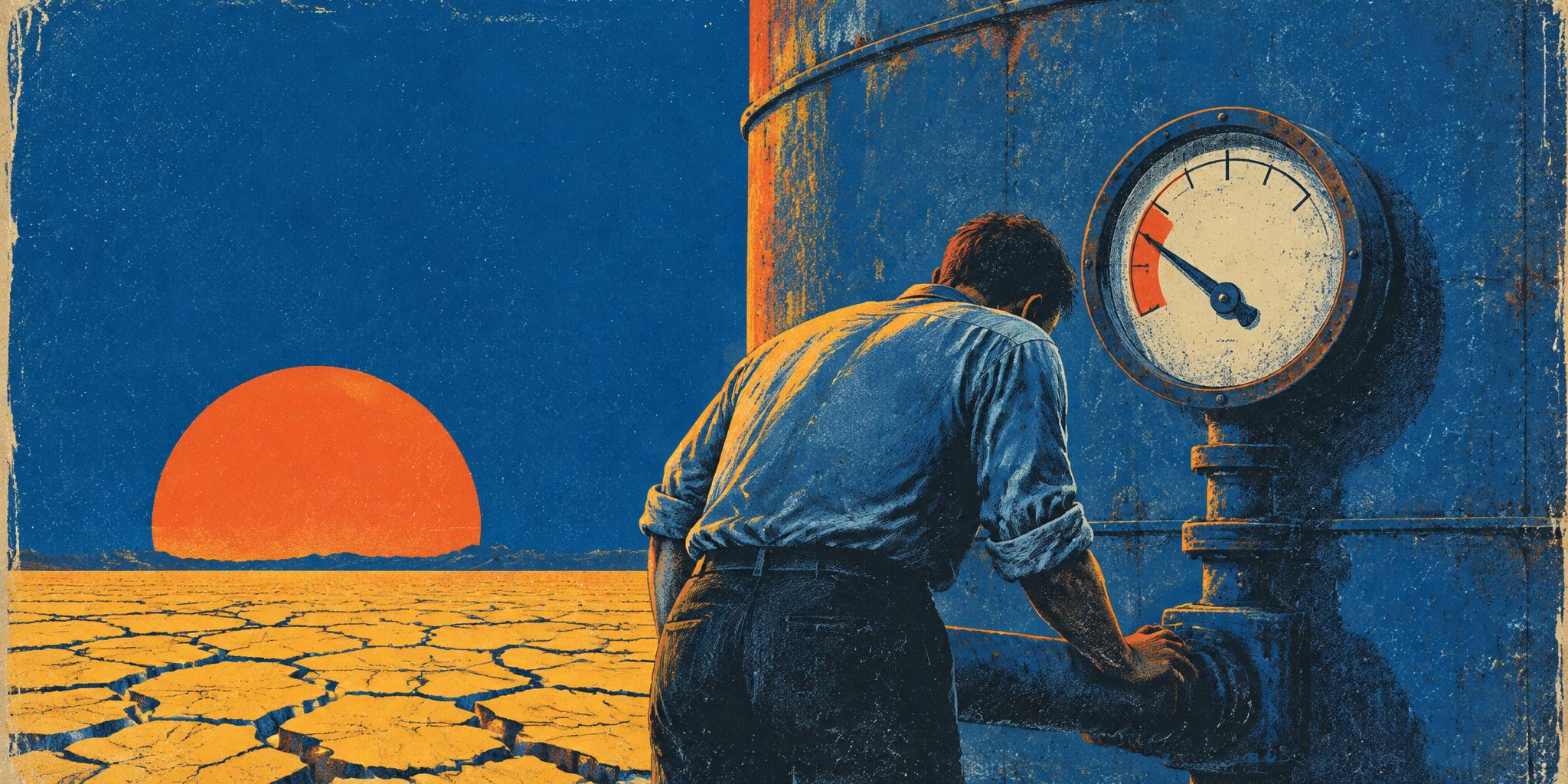
Eleven years later, at Yellowstone's park headquarters, clean water started running low as a fire approached. In September 1988 a wildfire was burning five miles south of Mammoth Hot Springs, and residents turned on sprinklers to wet down their roofs. Each was protecting a home, but all of them drew on the same supply of clean water. Ralph Jerla, who ran the treatment plant, watched the level drop and had to ask them to turn the sprinklers off.
Stories to Share at Thanksgiving