
The Woman Who Argued for Rough Ground

Sunnyside's least polished park — no playground, no lawn, no paved path, just chert and eucalyptus on a hilltop at Baden and Martha — bears the name of a woman who never campaigned for it. Dorothy Erskine spent forty years arguing that cities needed their rough ground. She arrived at that conviction not through love of wilderness but through housing surveys and urban planning. The park she never fought for illustrates her argument more precisely than any dedication speech could.
The Woman Who Argued for Rough Ground
Sunnyside's least polished park — no playground, no lawn, no paved path, just chert and eucalyptus on a hilltop at Baden and Martha — bears the name of a woman who never campaigned for it. Dorothy Erskine spent forty years arguing that cities needed their rough ground. She arrived at that conviction not through love of wilderness but through housing surveys and urban planning. The park she never fought for illustrates her argument more precisely than any dedication speech could.
Two Founders
The Grocer Who Platted Sunnyside
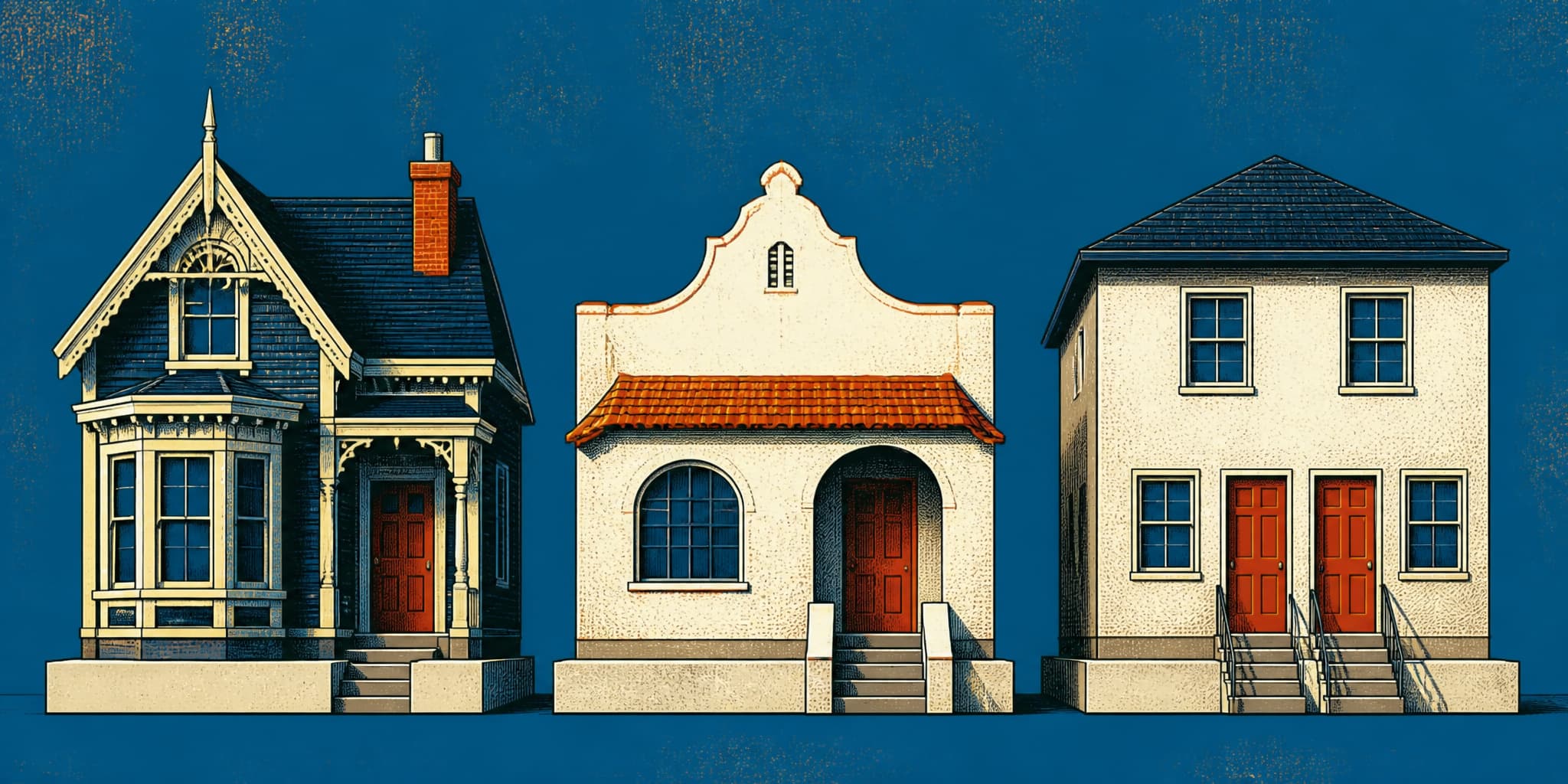
In 1891, a retired grocer from the Kingdom of Hanover filed a subdivision map with the San Francisco Recorder's Office dividing two hundred acres into 2,250 lots, each twenty-five feet wide. He never built a single house. Walk any residential block between Monterey and Joost today and you can count his decision in the frontages: twenty-five feet, twenty-five feet, twenty-five feet. The lot width selected for modest households willing to live close to their neighbors. It still does.
The Garden Room at 236 Monterey
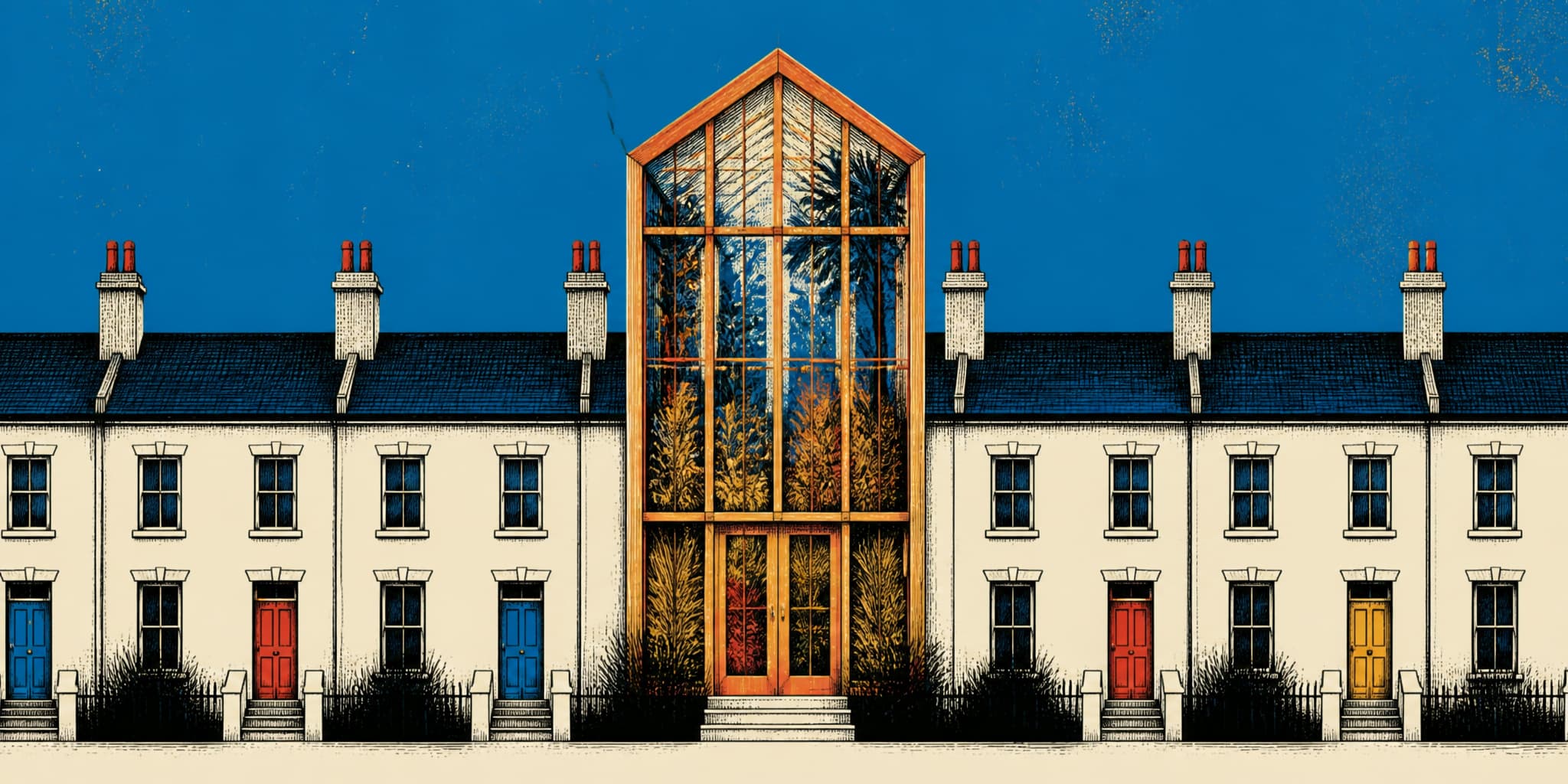
Behrend Joost platted Sunnyside for houses on 25-foot lots. An English mining engineer named W.A. Merralls bought seven of them and built a glass room for exotic plants instead. The Conservatory at 236 Monterey Boulevard is the most visible exception to the neighborhood's founding template, and the thing Sunnyside fought hardest to keep.
Parish Centennial
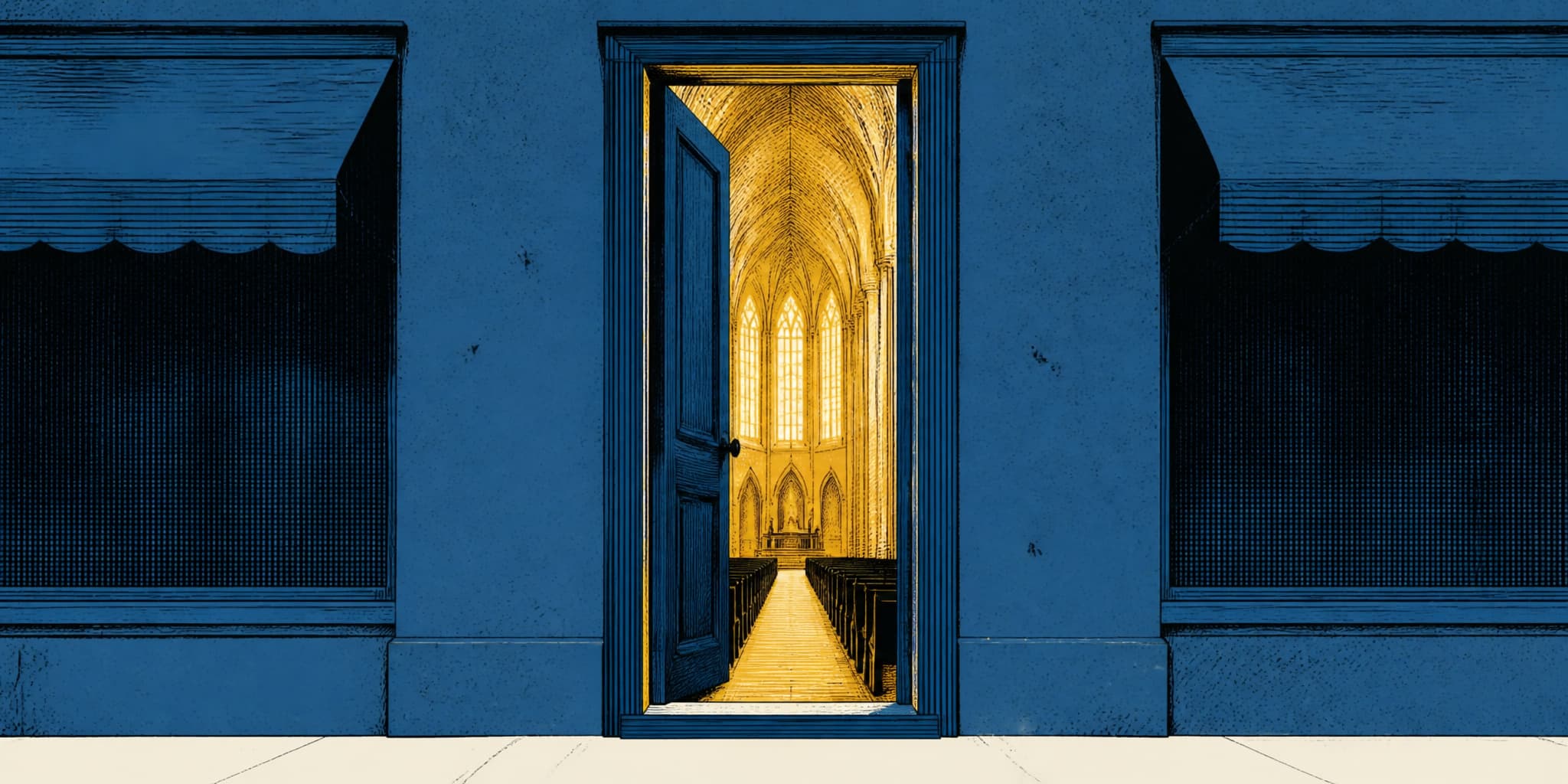
In 1926, St. Finn Barr held its first services in a storefront. According to FoundSF's Sunnyside history, the commercial space stood at the present site of the Monterey Boulevard Safeway. Father McLaughlin, the first pastor, had come from County Tipperary to serve a neighborhood that was itself barely a generation old.
Within two years, the parish had a church building at Edna Street and Hearst Avenue. A May 1928 photograph shows the Knights of Columbus gathered in front of what the caption calls the "newly built" St. Finn Barr. The school came later, founded separately in 1962 and originally administered by the Irish Sisters of Mercy. Parish and school share the Edna-Hearst block, though thirty-six years separate their origins.
Both have served a civic function well beyond any single congregation. As the Sunnyside History Project has documented, the SNA has met in St. Finn Barr's hall since the 1970s. In a neighborhood that has never had a public meeting room of its own, the parish became one.
This September 25–27, the Feast of Saint Finn Barr Festival marks the centennial. The theme is "Passport to Our World." A hundred years ago the congregation was Tipperary Irish and the room was rented. The block at Edna and Hearst is still the gathering point.
The Archivist

Every piece the Almanac publishes in this section begins the same way: by checking what Amy O'Hair has already found. The Sunnyside History Project, which O'Hair has maintained since 2015, is the most detailed public record of this neighborhood's built-environment history. It is a solo, volunteer effort. Its About page states the terms plainly: "This site is a gift to my neighborhood and my city. I make no money through this work."
Consider what that gift contains. The site covers the Sunnyside Conservatory's landmarking and near-demolition, the powerhouse that drove San Francisco's first electric streetcar, 74 years of continuous deli operation at Monterey and Edna, a deadly 1942 landslide on Foerster Street, the lost creek beneath the neighborhood's streets. Its categories run from houses to transit to maps to the families who lived in them. O'Hair herself has noted that her work follows an earlier effort: a 2006 SNA oral history project led by Jennifer Heggie, aided by the Western Neighborhoods Project.
The Almanac builds on the History Project's research and cites it by name because the debt is real and the work is irreplaceable. The reader deserves to know where the foundation was laid.
The Fund

Activism saved the Conservatory at 236 Monterey Boulevard. Neighborhood pressure pushed the city to buy the vacant lot at Baden and Martha. But conviction, however sustained, does not transfer a deed. A civic mechanism has to exist to receive the pressure and convert it into public ownership.
For both Sunnyside parcels, that mechanism was the Open Space Fund, established under Proposition J in 1975 to set aside a fraction of the city's property tax revenue specifically for acquiring open space. The fund meant the city did not have to fight for a new appropriation each time a neighborhood identified land worth saving. The money was already dedicated.
The Conservatory was purchased in 1980 for $68,000, as KQED's Bay Curious reported earlier this year, drawing on research by the Sunnyside History Project's Amy O'Hair. Dorothy Erskine Park was acquired in 1978 for $15,000, according to the Board of Supervisors Budget Analyst's acquisition table. Neither sum was large. The legal consequence was: Recreation and Park land can only be sold with voter approval. Once purchased through the fund, these parcels left the private market permanently.
O'Hair put the logic plainly in the KQED piece: "What good is a landmark if you don't own the property under it?" The Open Space Fund answered that question for two Sunnyside sites. San Francisco voters have renewed it three times since 1975.]