The Gap


A nurse in western North Carolina pays a mortgage on a house she can't live in, twenty-one months after Helene. A nursery worker in South Florida decides at ten in the morning whether to say she feels sick and lose the day's pay. Twenty-nine Denver schools sit without cooling while bond money works through design phases and procurement. In each case the risk is documented, the person knows it, and the institutional fix is somewhere between recognition and delivery. The distance between those two points is where people live.
The Gap
A nurse in western North Carolina pays a mortgage on a house she can't live in, twenty-one months after Helene. A nursery worker in South Florida decides at ten in the morning whether to say she feels sick and lose the day's pay. Twenty-nine Denver schools sit without cooling while bond money works through design phases and procurement. In each case the risk is documented, the person knows it, and the institutional fix is somewhere between recognition and delivery. The distance between those two points is where people live.
The Adaptation Float

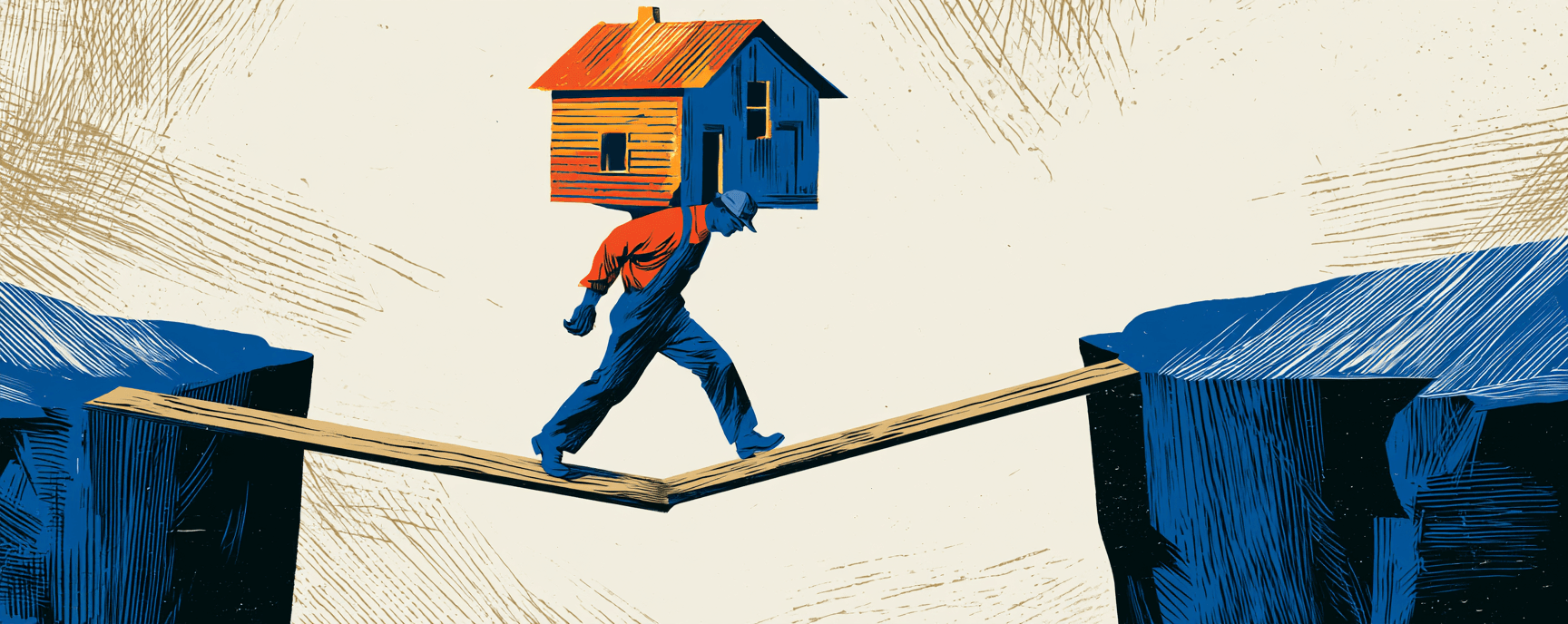
When a check is written but not deposited, the funds exist in transit. Bankers call it "float." Someone holds it. Someone pays for holding it. Climate adaptation in the United States has a float problem measurable in public records: households paying $1,785 a month on homes FEMA has agreed in principle to buy but hasn't approved, 160 worker deaths accumulated during an unfinished OSHA rulemaking, half a billion in annual emergency cooling flowing to a problem a permanent fix addresses at 32,000 homes per year. The arithmetic, across four domains, names who carries the cost of the gap between knowing and doing.
The Adaptation Float
When a check is written but not deposited, the funds exist in transit. Bankers call it "float." Someone holds it. Someone pays for holding it. Climate adaptation in the United States has a float problem measurable in public records: households paying $1,785 a month on homes FEMA has agreed in principle to buy but hasn't approved, 160 worker deaths accumulated during an unfinished OSHA rulemaking, half a billion in annual emergency cooling flowing to a problem a permanent fix addresses at 32,000 homes per year. The arithmetic, across four domains, names who carries the cost of the gap between knowing and doing.

A Filing Cabinet, a Shared Outlook Calendar, and 428 Families Waiting
CONTINUE READINGWhat 'Approved' Means
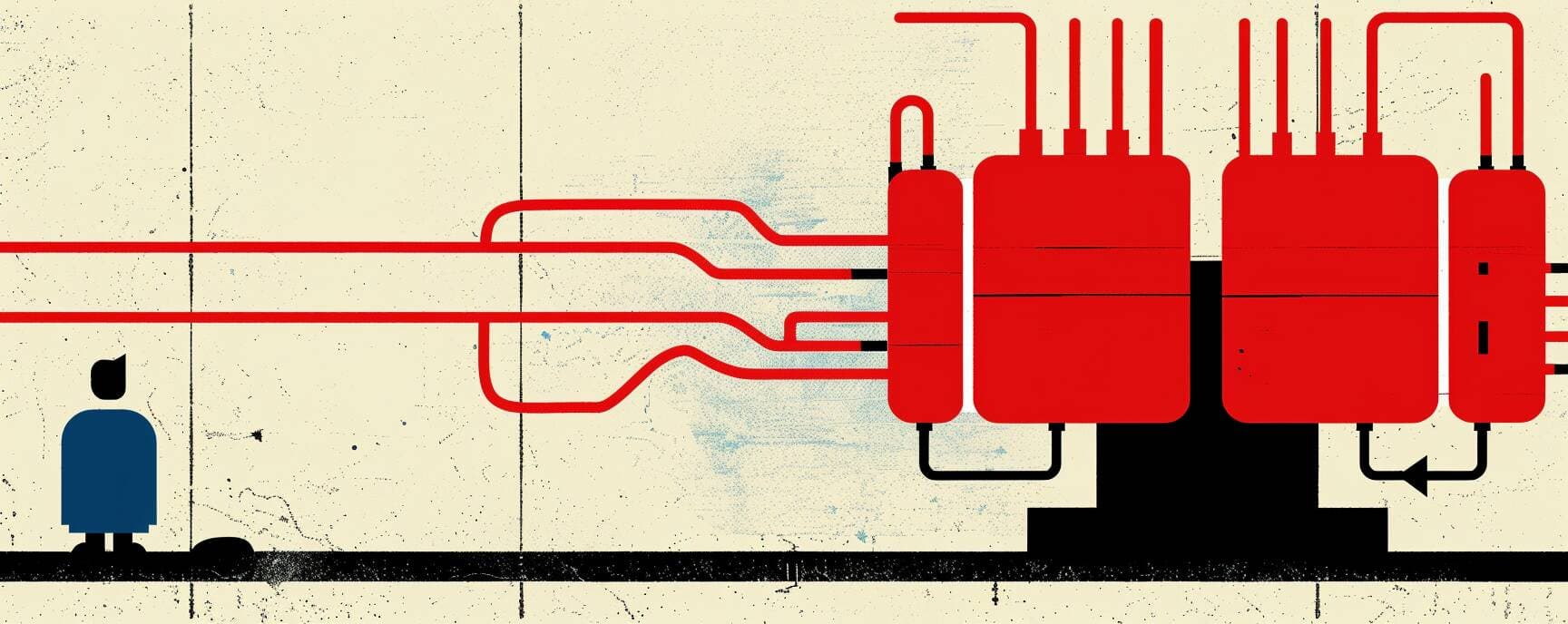
Hurricane Helene hit western North Carolina in September 2024. By December 2025, more than 800 storm victims had applied for FEMA buyouts. Zero had been approved. The first group-level awards came in January 2026. The first closings were scheduled to begin in late May 2026, twenty months after the storm. Demolition follows closing. Open-space restoration follows demolition. Perpetual maintenance, unfunded by the grant, follows everything.
This is normal. FEMA's own guidance says buyout projects typically take two to three years. Peer-reviewed research puts the average at 5.7 years from disaster to project closeout. During that interval, households pay mortgages on homes they can't occupy, can't make repairs that might be wasted, can't accept other options that might disqualify them. A GAO analysis found that the average buyout project acquired 21 percent fewer properties than originally proposed. The attrition isn't people deciding they're fine. It's people who couldn't afford to keep waiting.