The Water Haul

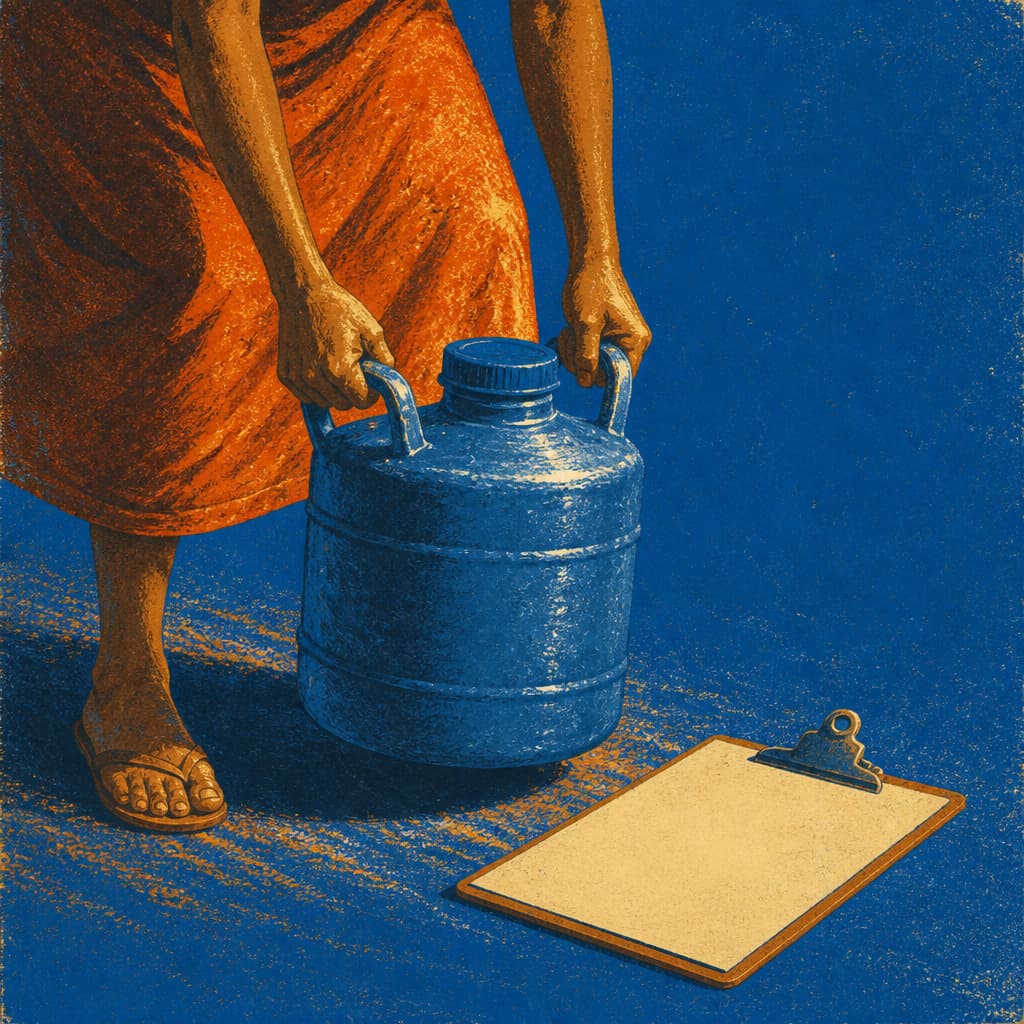
Scott Snyder's stock pond is dry. So every day he drives a 6,500-gallon tanker across a mesa outside Montrose, Colorado, eight trips to a neighbor's reservoir and back, nine hours, keeping eight hundred cow-calf pairs alive through the worst snowpack on record. The federal program for drought-related water hauling pays eleven cents a gallon. Diesel runs $4.79. The Snyders are third-generation ranchers, and the arithmetic of whether their century-old operation survives lives in the gap between those two numbers.
The Water Haul
Scott Snyder's stock pond is dry. So every day he drives a 6,500-gallon tanker across a mesa outside Montrose, Colorado, eight trips to a neighbor's reservoir and back, nine hours, keeping eight hundred cow-calf pairs alive through the worst snowpack on record. The federal program for drought-related water hauling pays eleven cents a gallon. Diesel runs $4.79. The Snyders are third-generation ranchers, and the arithmetic of whether their century-old operation survives lives in the gap between those two numbers.

Body-Level Brief
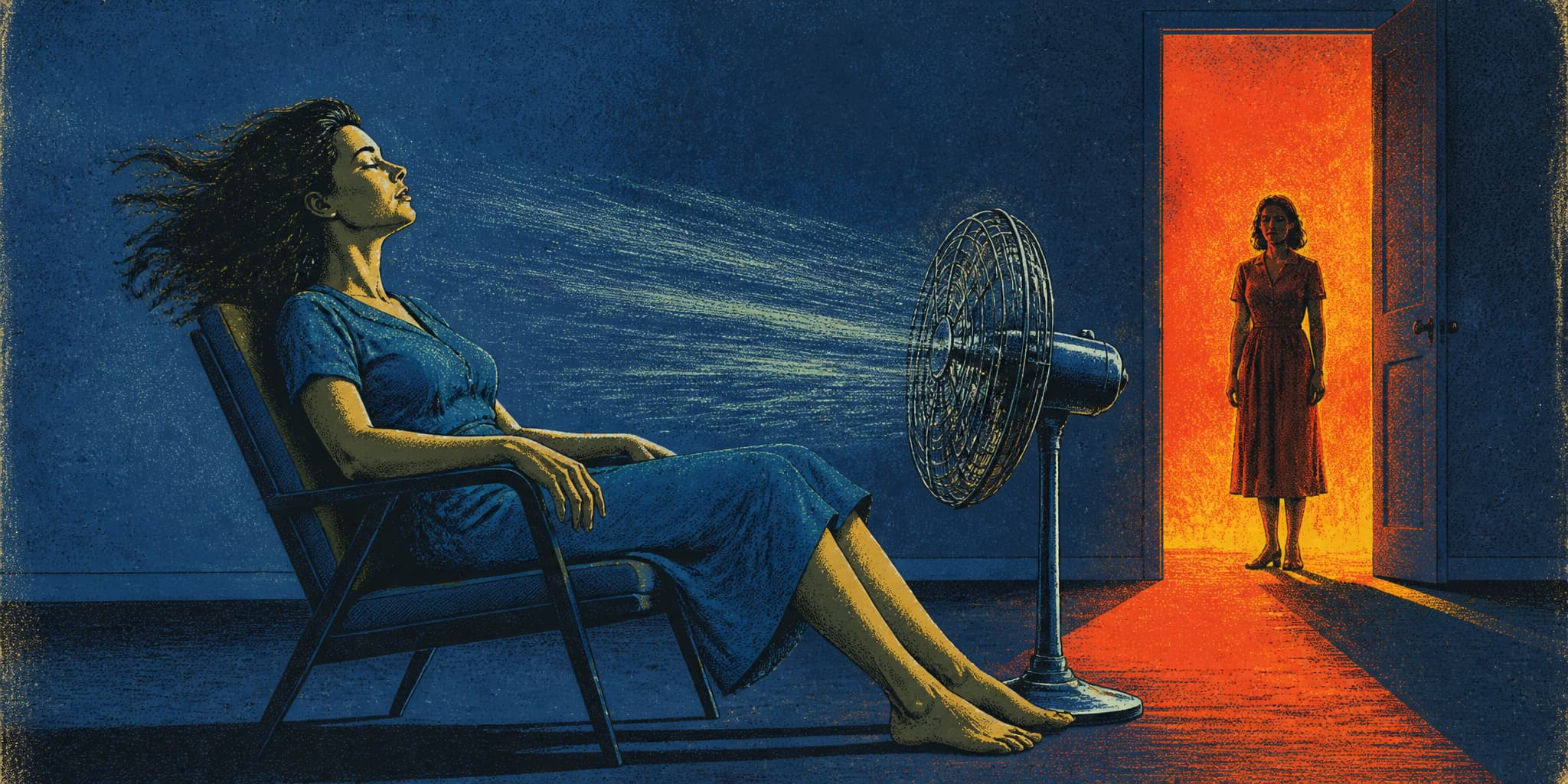
Cheryl Henderson takes the trash to the curb and climbs the stairs back to her Third Ward apartment in hundred-degree heat. She has asthma and COPD. At the top she grabs water, sits before a fan, waits for the dizziness to break. "It feels like my lungs are closing up on me and I'm choking," she told the Houston Press.
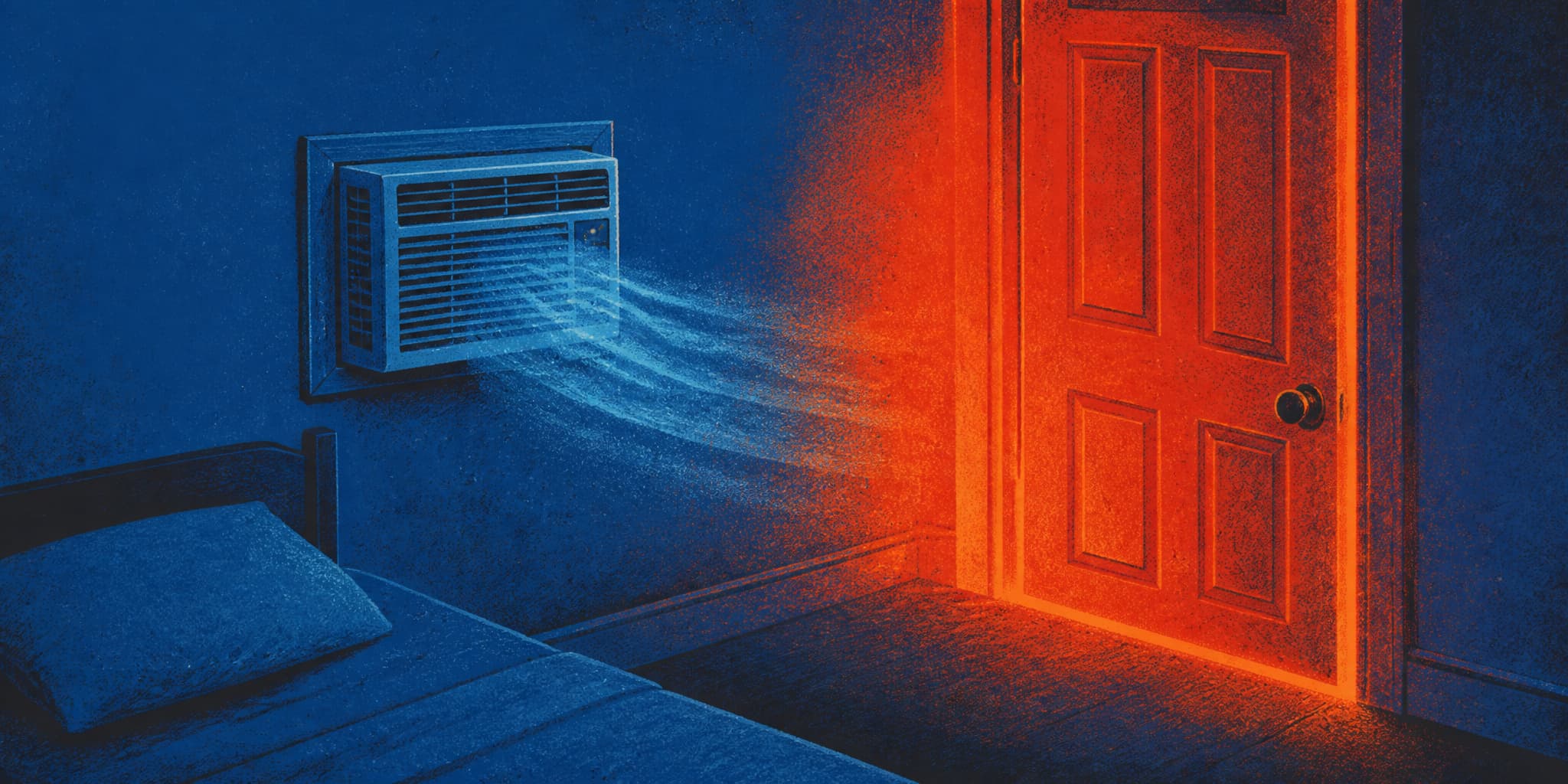
Her apartment: 520 square feet, built 1938. One window unit held together with tape; the other's compressor is dead. She runs fans and blackout curtains all day, pays $200 a month in electricity from disability. Wakes in sweat, takes cold showers, and when it gets bad enough she sits in the stairwell hoping for a draft. Houston's AC ordinance is months from enforcement. A neighbor stops by to make sure she's still breathing.
Nobody calls any of this work. It is.
Paired Family Pieces
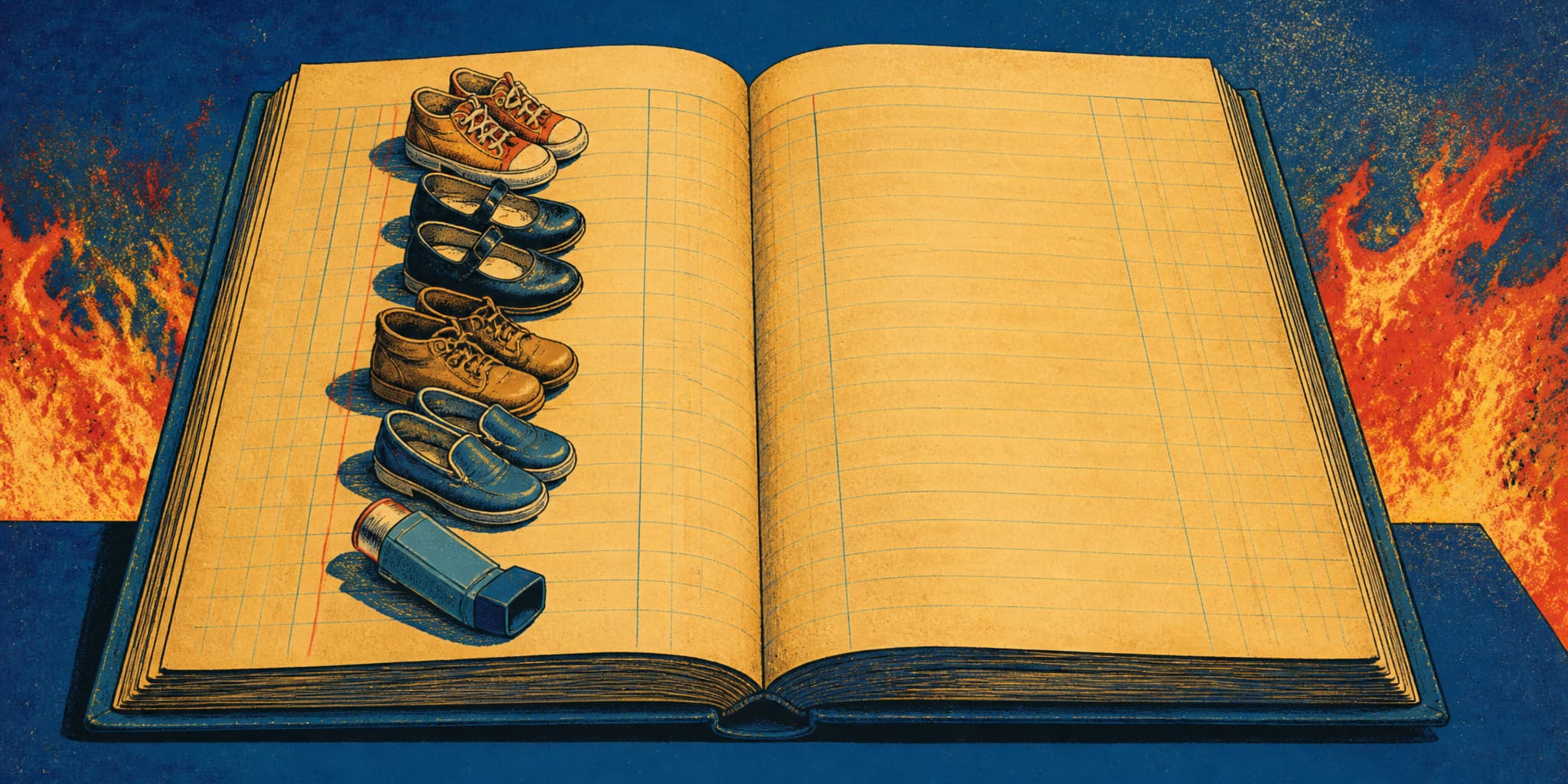
What Happens When They Send the Kids Home
Fifty-two Philadelphia schools send kids home when it hits 85 degrees. The district solves its heat problem. Then a single mother calls a Lyft she can't afford, and a neighbor's living room becomes the after-school program nobody funds. What a warm day in a building without air conditioning actually costs — in lost shifts, unpaid childcare, and one asthmatic girl's breathing.
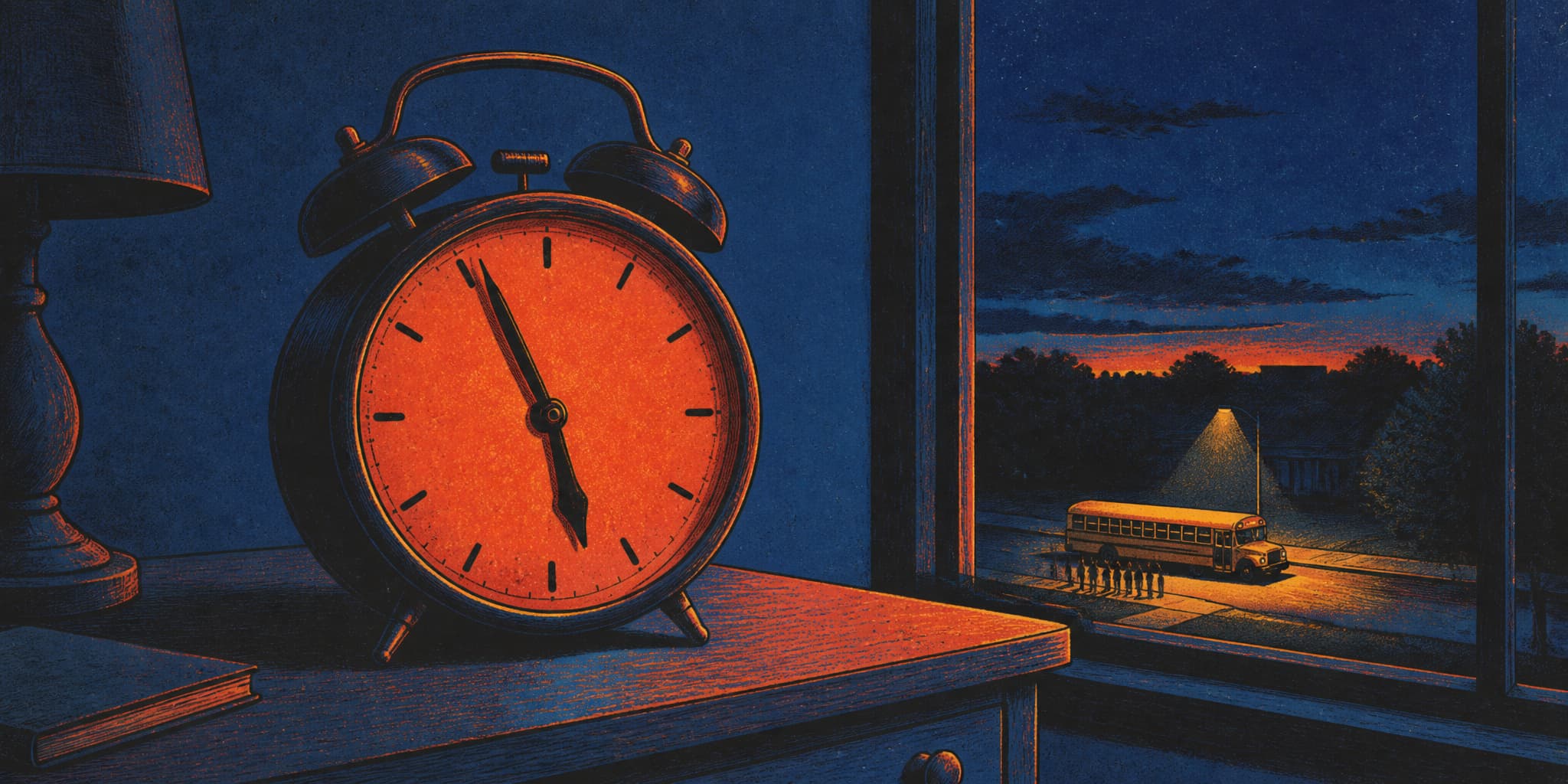
Seven Miles to School
Philadelphia spent $17 million to put air conditioning in Kensington High School. A subcontractor disturbed asbestos during the work. Now the building is closed and 250 students ride buses seven miles to a temporary site, including kids in autistic-support programs whose mornings just got seventy-five minutes longer. The cooling fix created a different burden, and the families are carrying it.
External Reading List