When Your Building Is Sound But Your Mortgage Isn't

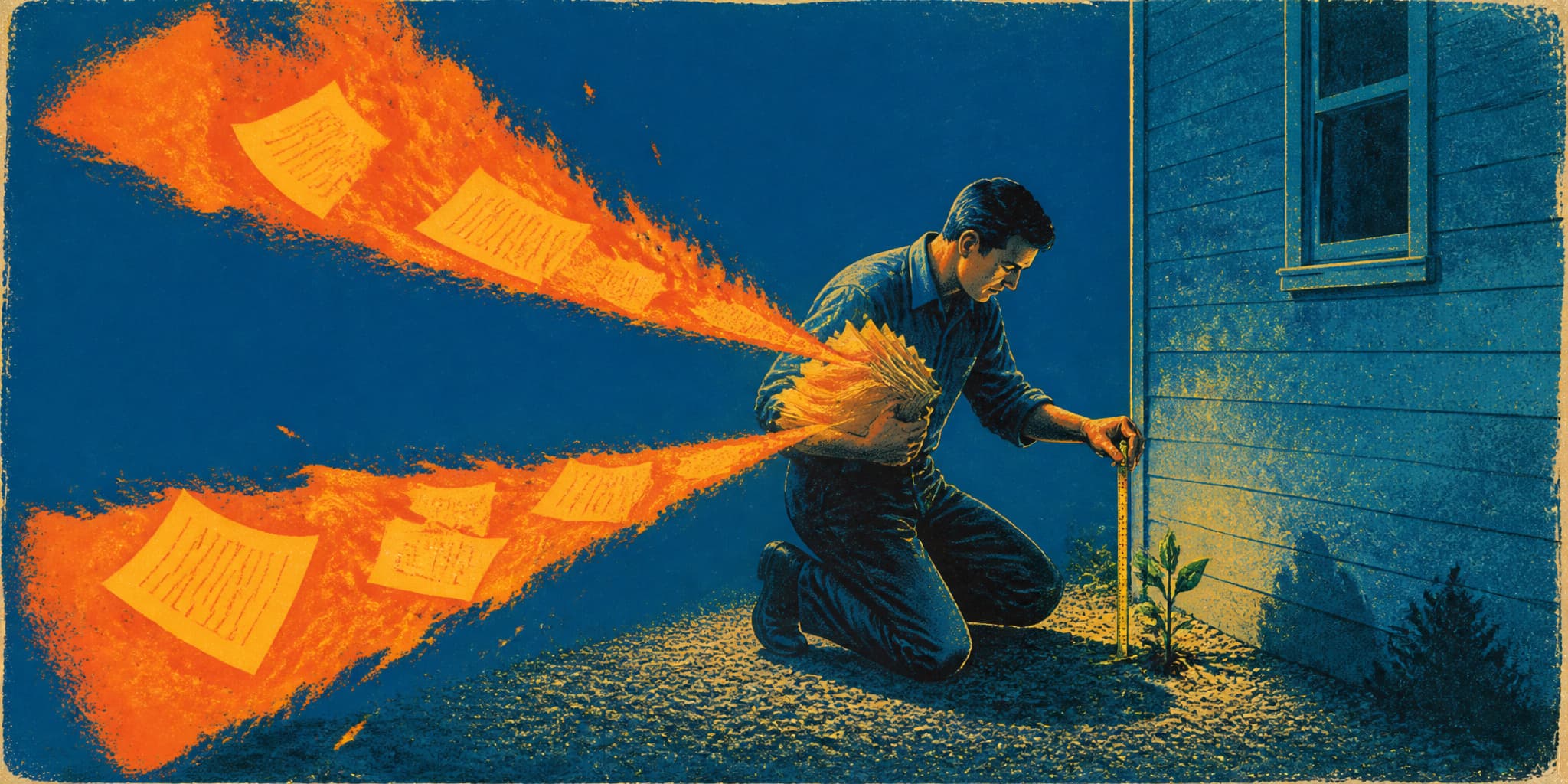
A 25-year-old buyer watched her condo purchase collapse after Fannie Mae retired its fast-track review process on August 3. Her building had just replaced its HVAC system, which is exactly the kind of work reserves exist to fund. The spending drew the reserve balance down, and under the new rules that balance is what the lender reads. Two units in the same building had closed with conventional mortgages earlier that summer. Nothing about the building changed in between. No one is tracking how many transactions have broken the same way, or where the damage is concentrating.
When Your Building Is Sound But Your Mortgage Isn't
A 25-year-old buyer watched her condo purchase collapse after Fannie Mae retired its fast-track review process on August 3. Her building had just replaced its HVAC system, which is exactly the kind of work reserves exist to fund. The spending drew the reserve balance down, and under the new rules that balance is what the lender reads. Two units in the same building had closed with conventional mortgages earlier that summer. Nothing about the building changed in between. No one is tracking how many transactions have broken the same way, or where the damage is concentrating.
The Reserve Paradox

A condo board in coastal Florida sits down to comply with Freddie Mac's new reserve rules and runs into a problem baked into the math.
Starting January 2027, associations must put at least 15% of annual assessment income into reserves, up from 10%. Buildings that fall short lose eligibility for conventional mortgages. Better-funded reserves protect owners from emergency assessments and deferred maintenance, which is real progress after years of underfunding.
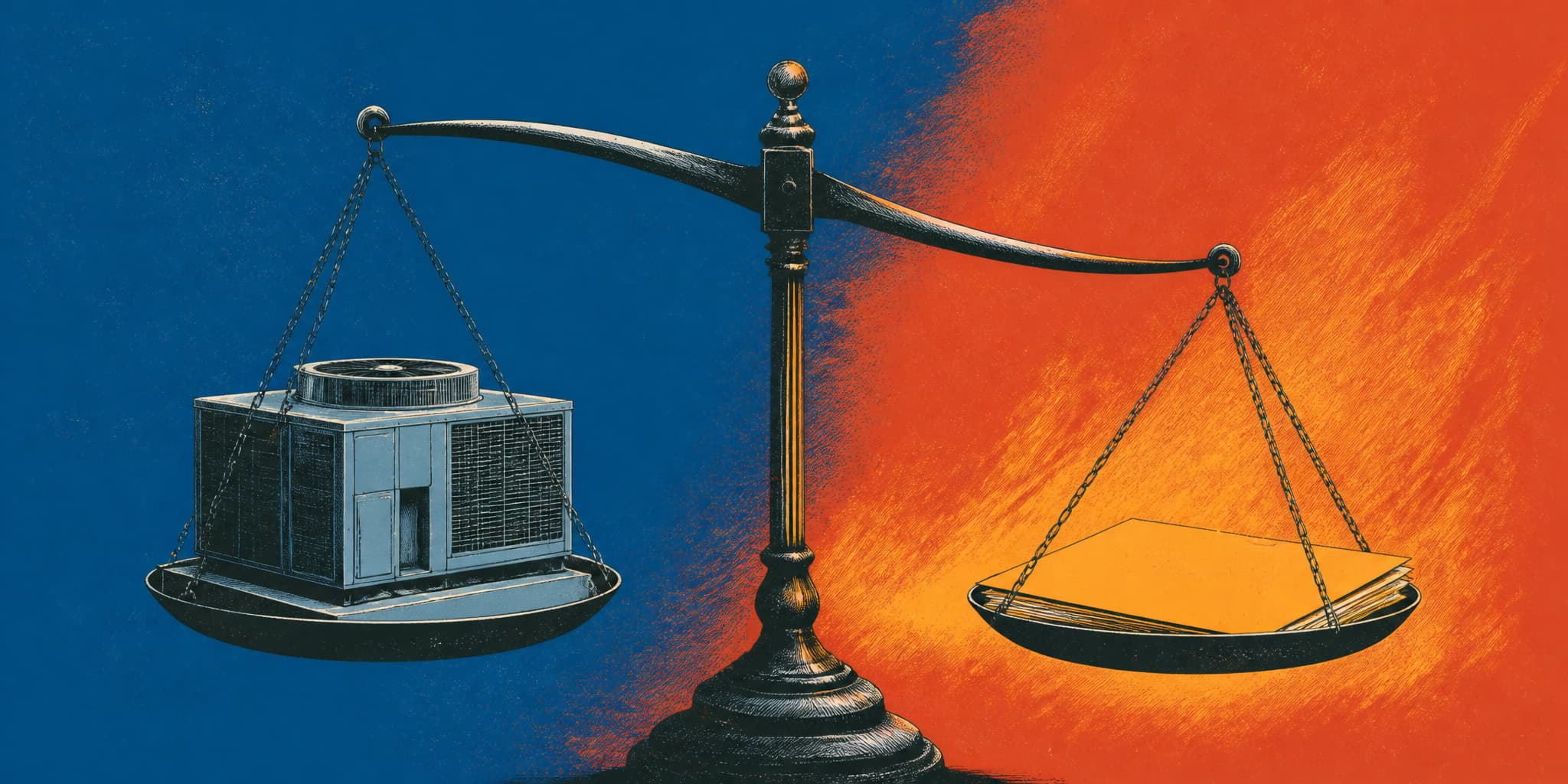
But Freddie simultaneously loosened insurance standards in ways that could drain those reserves after a single storm. Roofs can now be insured at actual cash value — what a depreciated roof is worth today — rather than replacement cost. That keeps premiums manageable. It also means a 15-year-old roof destroyed by a hurricane pays out far less than a new one costs. The gap lands on the reserve fund, on unit owners through a special assessment, or both.
For buildings in high-hazard zones, the reserve requirement and the insurance flexibility are pulling from the same finite pool of money — and the owners writing those monthly checks are the ones caught between them.