What 224 European Flood Deaths Reveal About Gaps in American Flood Data
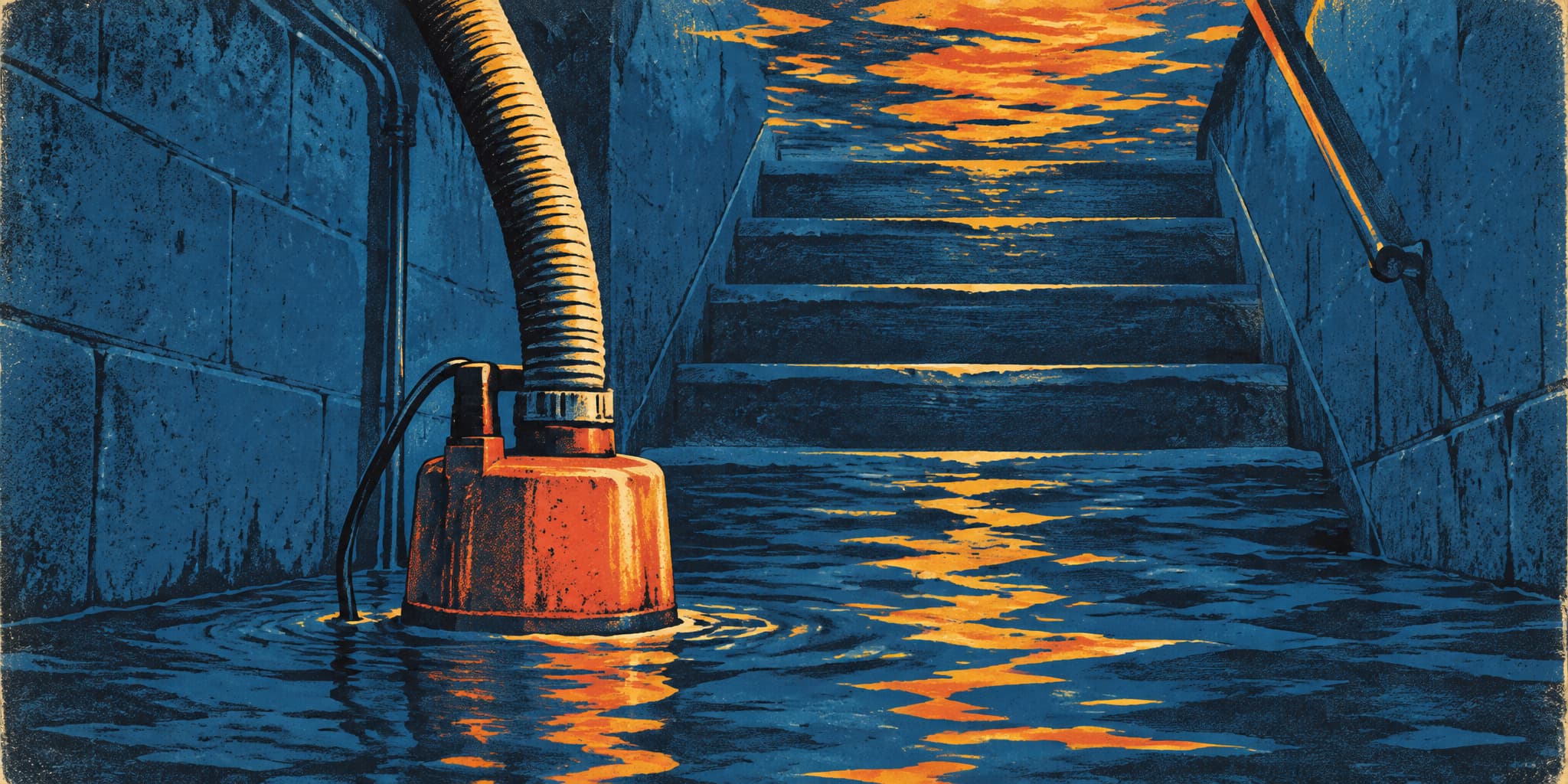
A reconstruction of 224 flood deaths in Belgium and Germany documented what national fatality databases rarely capture: what each person was doing when the water reached them. Twenty-two percent died in basements, running pumps or sandbagging foundations. Fifty-eight percent died outside officially mapped flood zones. Two-thirds of the indoor victims could have evacuated earlier. The United States counts flood deaths too, but its system doesn't record floor level, activity, or whether the victim had a warning. Whether these patterns exist here is a question the existing data isn't structured to ask.
What 224 European Flood Deaths Reveal About Gaps in American Flood Data
A reconstruction of 224 flood deaths in Belgium and Germany documented what national fatality databases rarely capture: what each person was doing when the water reached them. Twenty-two percent died in basements, running pumps or sandbagging foundations. Fifty-eight percent died outside officially mapped flood zones. Two-thirds of the indoor victims could have evacuated earlier. The United States counts flood deaths too, but its system doesn't record floor level, activity, or whether the victim had a warning. Whether these patterns exist here is a question the existing data isn't structured to ask.
Research Detail
Understanding Flood Fatalities: Reevaluating Flood Risk Management
People over 60 made up 72% of fatalities, and two-thirds of indoor victims occupied buildings that could have been evacuated in time.
One exceptional European event — the findings document specific mapping failures but do not prove every regulatory map systematically underestimates every flood mechanism.
Research Detail
U.S. Inland Flood Fatalities and Vehicle-Related Deaths, 1996–2023
American flood deaths concentrate in cars on roads; European deaths concentrate inside buildings. The warnings that matter differ accordingly.
Basement-protection behavior and vehicle-entry behavior require fundamentally different interventions, even where both stem from inadequate hazard maps.
Adaptation Labor

A study published this month in Earth's Future reconstructed all 224 deaths from the July 2021 Belgium-Germany floods. Twenty-two percent died in basements. They were checking sump pumps, hauling belongings upstairs, starting cleanup. Doing the work the protection equipment asked of them, on the schedule the floodwater set.
The same arithmetic shows up with generators. CPSC data put portable-generator carbon monoxide deaths at roughly 85 a year in the U.S. Eighty-nine percent of fatal post-storm CO cases happen within three days of the disaster, while the machine still needs fuel. Carbon monoxide is odorless. Most victims lose consciousness before they know anything is wrong.
And here's a detail worth sitting with: standard flood insurance carries a "duty to mitigate" clause requiring policyholders to protect their property from further damage during and after a flood. The insurer writes the obligation. The homeowner walks down the basement stairs to fulfill it.