The Unnamed Adaptation
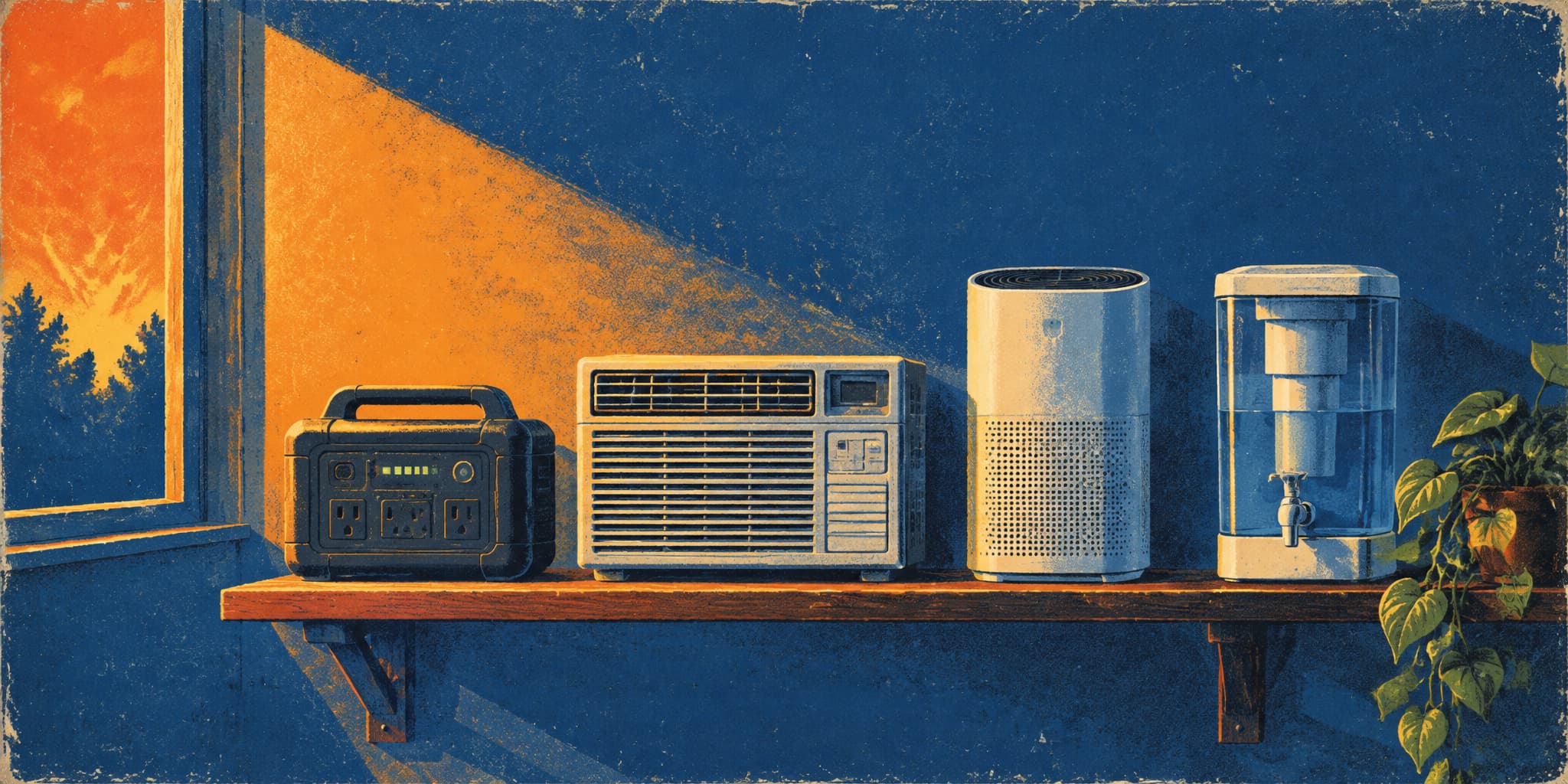
Ninety percent of Americans say extreme heat has affected their lives. They're compressing outdoor activity into cooler hours, canceling events, buying generators and air purifiers, paying more for cooling, and searching for homes with backup power. In a 2026 housing survey, more than twice as many people wanted the specific functions of climate adaptation — filtration, backup power, a stronger building envelope — as wanted the label. Behavioral research, mobility data, and survey evidence across four domains trace a pattern almost nobody has named.
The Unnamed Adaptation
Ninety percent of Americans say extreme heat has affected their lives. They're compressing outdoor activity into cooler hours, canceling events, buying generators and air purifiers, paying more for cooling, and searching for homes with backup power. In a 2026 housing survey, more than twice as many people wanted the specific functions of climate adaptation — filtration, backup power, a stronger building envelope — as wanted the label. Behavioral research, mobility data, and survey evidence across four domains trace a pattern almost nobody has named.
The House Learned Before We Did

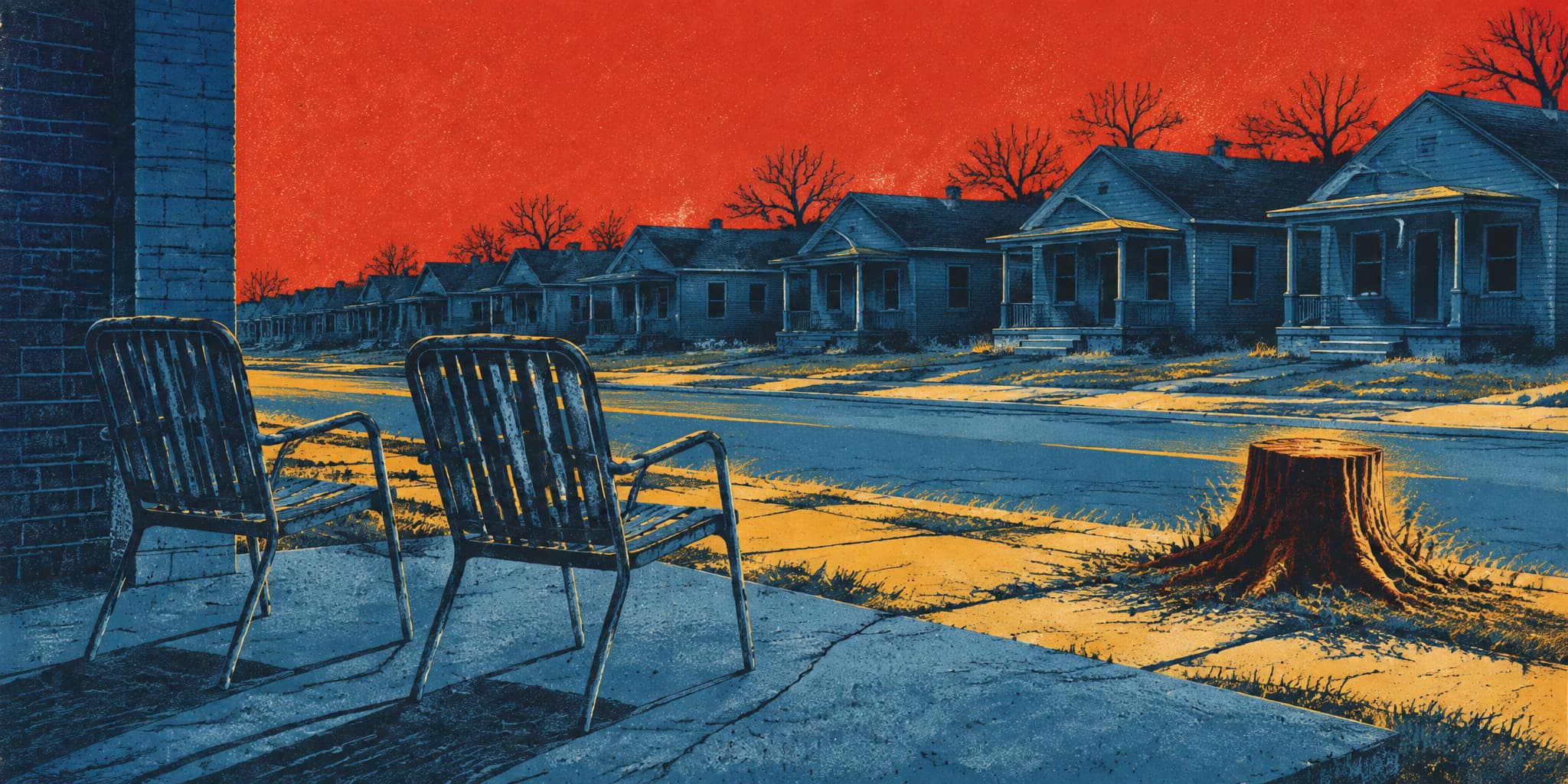
A pilot in Kansas City put a smoke-tracking app on his phone in 2023 and never took it off. A window unit died, which got him central air, which got him a sealed house and a summer he couldn't hear the neighborhood through. The garden changed. The basement became the evening room. Each of these arrived with its own practical reason, on its own particular afternoon, and the piece leaves them that way.
The House Learned Before We Did
A pilot in Kansas City put a smoke-tracking app on his phone in 2023 and never took it off. A window unit died, which got him central air, which got him a sealed house and a summer he couldn't hear the neighborhood through. The garden changed. The basement became the evening room. Each of these arrived with its own practical reason, on its own particular afternoon, and the piece leaves them that way.
Threshold Signal
I started checking air quality before going outside sometime last summer. I don't remember deciding to. It just slid into the routine between weather and calendar.
Then I noticed the others. Moving the long walk to morning. Keeping more water in the car. Skipping the park on days I wouldn't have questioned three years ago.
Researchers call these "everyday adaptations" — behavioral shifts below the threshold of deliberate decision, driven by absorbed experience more than conscious calculation. They build on each other: each one lowers the friction for the next, so the sequence starts feeling less like escalation and more like common sense.
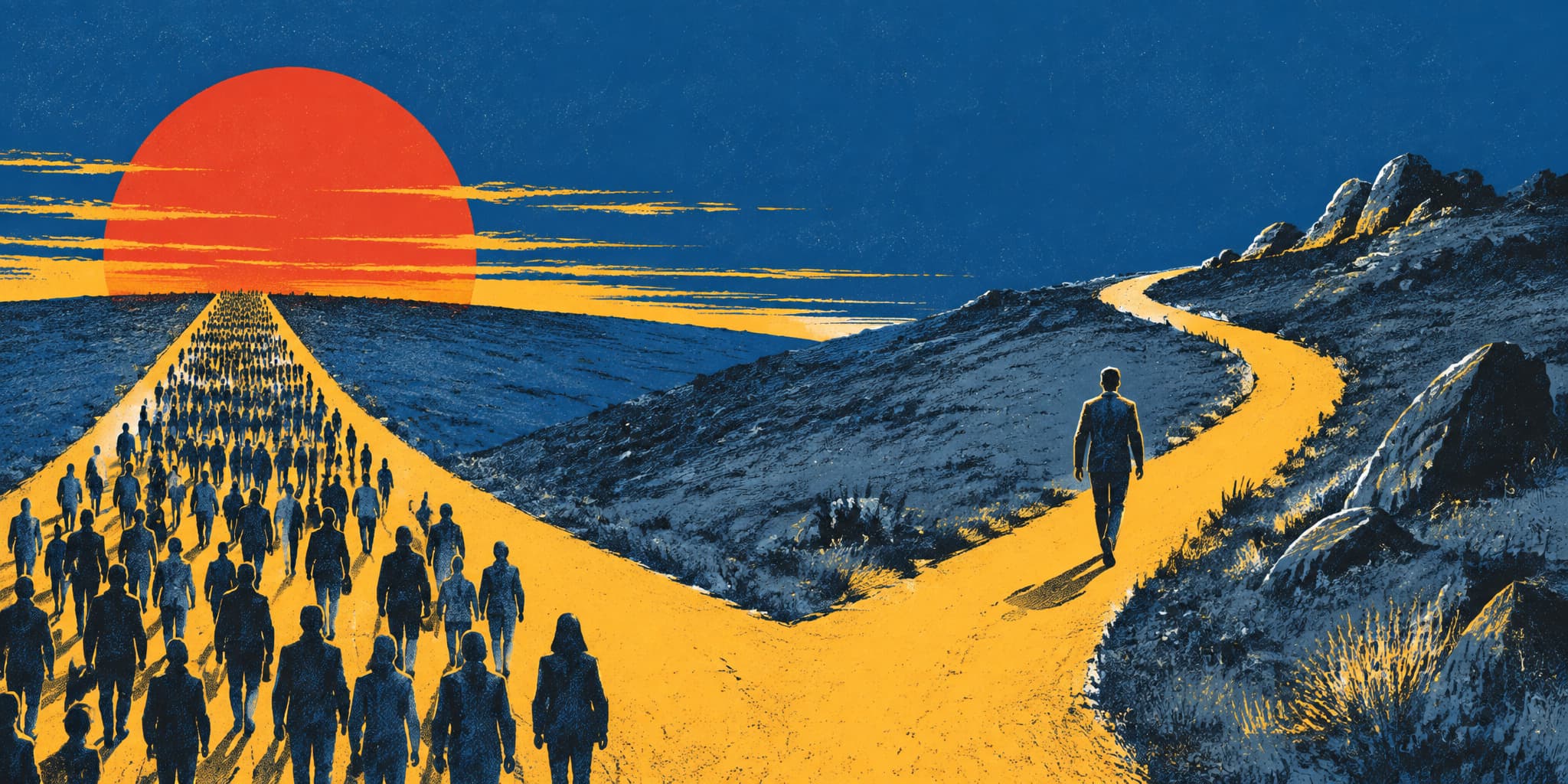
A 2026 study of Gulf Coast residents complicated my reading of my own list. People more satisfied with existing flood protections were also more likely to prefer relocation if risks increased. Adapting well didn't settle anything. It seemed to sharpen awareness of where the limits were.
I keep coming back to this: am I getting better at living here, or quietly accumulating reasons to reconsider? I don't know. But I think the question changes shape depending on whether you ask it while you still have room to act on the answer.