The Gap Between the Plan and the Nail


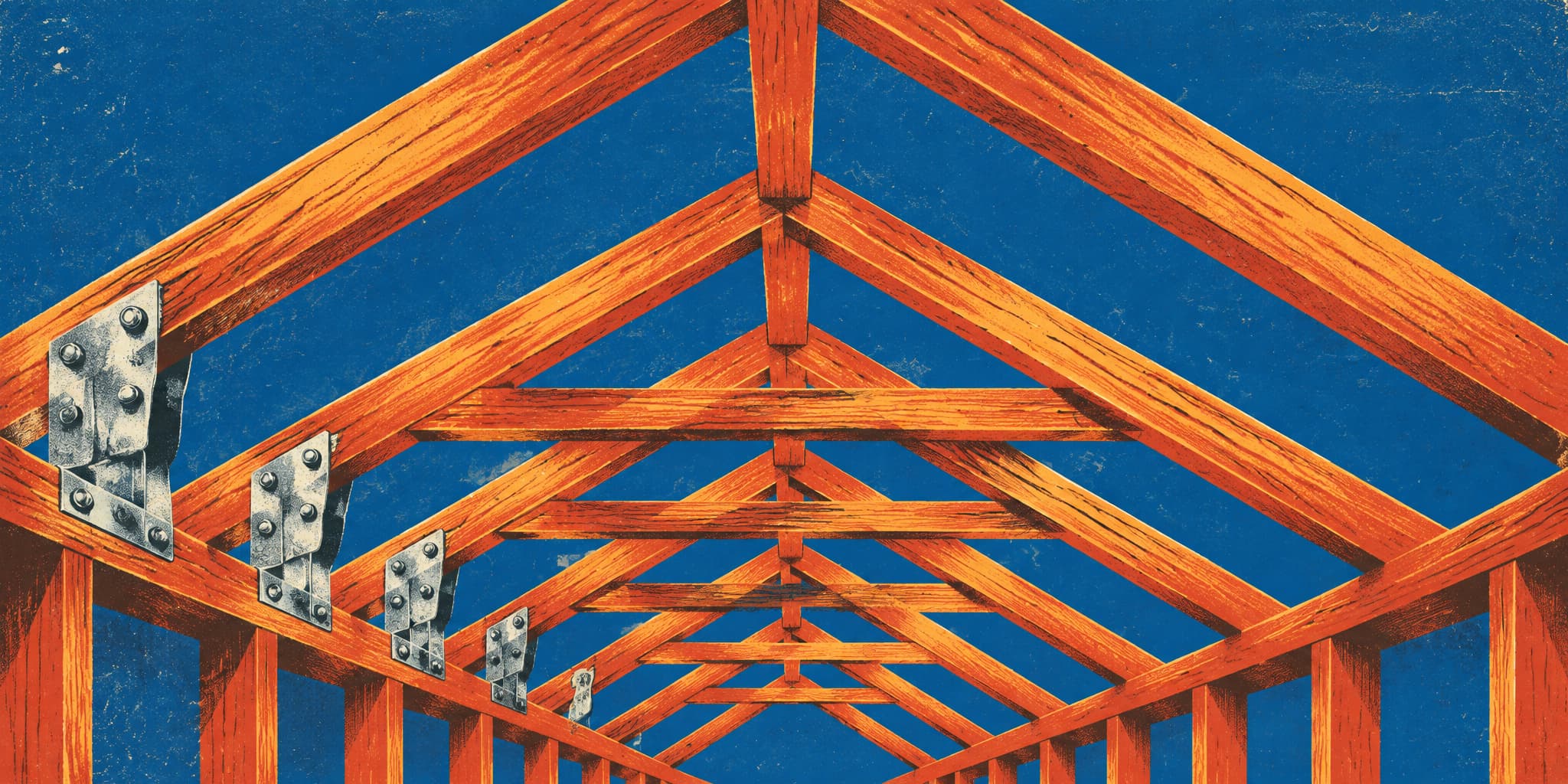
In Country Walk, a subdivision of roughly 1,700 houses in south Miami-Dade County, at least 90 percent of the homes inspected after Hurricane Andrew were ruled uninhabitable. A third of a mile away, 71 houses built with concrete block, thicker plywood, and hand-driven nails kept their roofs. Same wind, same nominal code. Investigators walking the rubble found the difference in the details: hurricane straps sitting in place with no nails in them, roof fasteners that had missed the trusses underneath, walls resting on foundations rather than bolted to them. A grand jury had reported the inspection system broken three years before the storm. The county's response had been to raise the daily quota.
The Gap Between the Plan and the Nail
In Country Walk, a subdivision of roughly 1,700 houses in south Miami-Dade County, at least 90 percent of the homes inspected after Hurricane Andrew were ruled uninhabitable. A third of a mile away, 71 houses built with concrete block, thicker plywood, and hand-driven nails kept their roofs. Same wind, same nominal code. Investigators walking the rubble found the difference in the details: hurricane straps sitting in place with no nails in them, roof fasteners that had missed the trusses underneath, walls resting on foundations rather than bolted to them. A grand jury had reported the inspection system broken three years before the storm. The county's response had been to raise the daily quota.
One Link Fixed
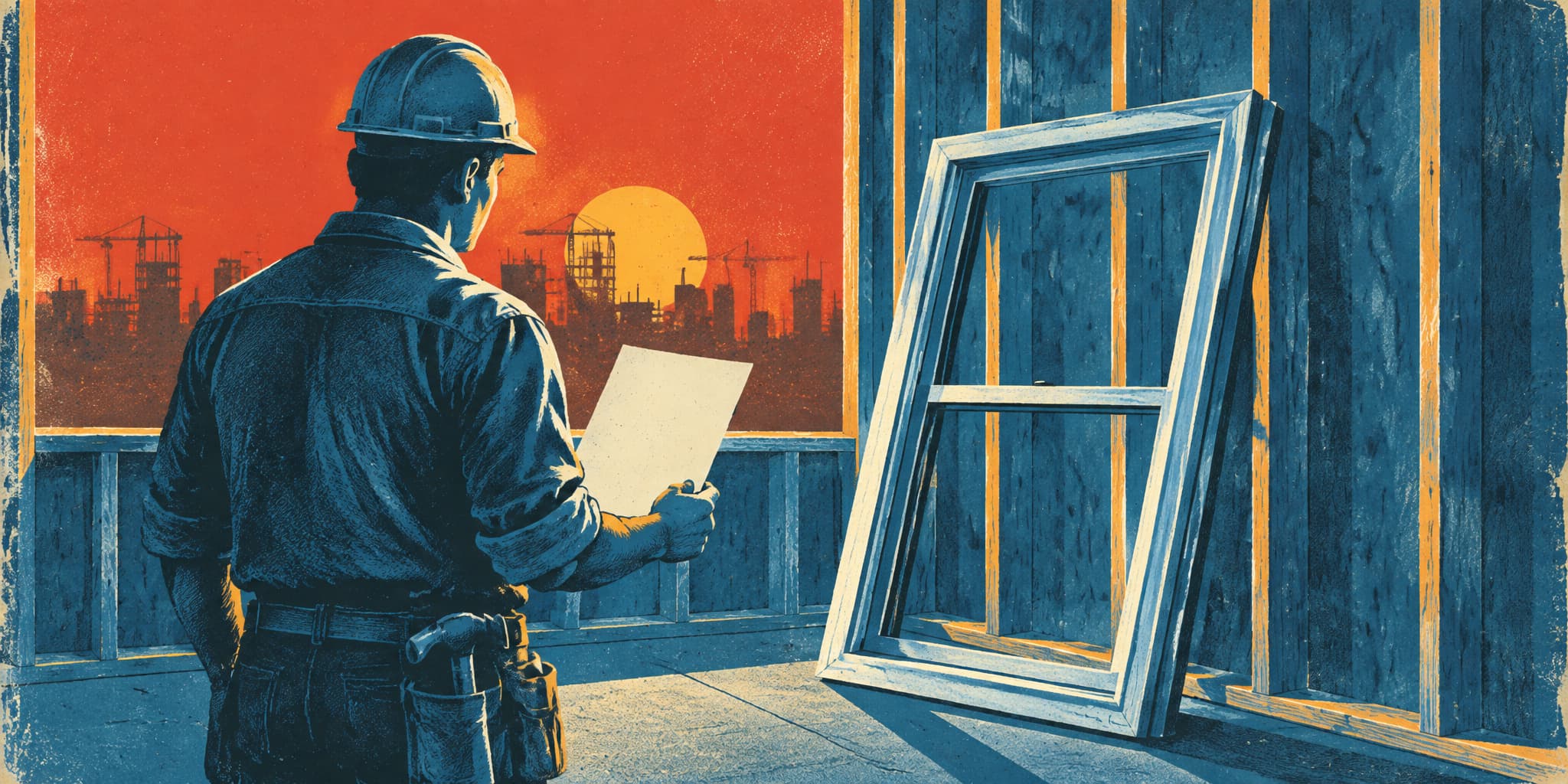
When Andrew flattened 49,000 homes in South Miami-Dade in 1992, the area operated under what was widely considered Florida's toughest hurricane code. Products had been tested, somewhere, by someone, under some procedure. But over 400 jurisdictions ran separate approval processes with no shared records. An inspector standing in a half-built house had no way to verify whether a window's claimed wind rating matched the actual unit going into the wall. The product said it was approved. The manufacturer said it was approved. Nobody could check.
The study commission Governor Chiles appointed in 1996 made product approval one of five foundations for rebuilding the code system. Their fix was mundane enough to be worth noting: a statewide database. Every approved product gets an FL number listing its tested wind-pressure rating, approved configurations, and required installation method, searchable by any inspector in the state.

Reform and Test
How Florida Built a Building Code
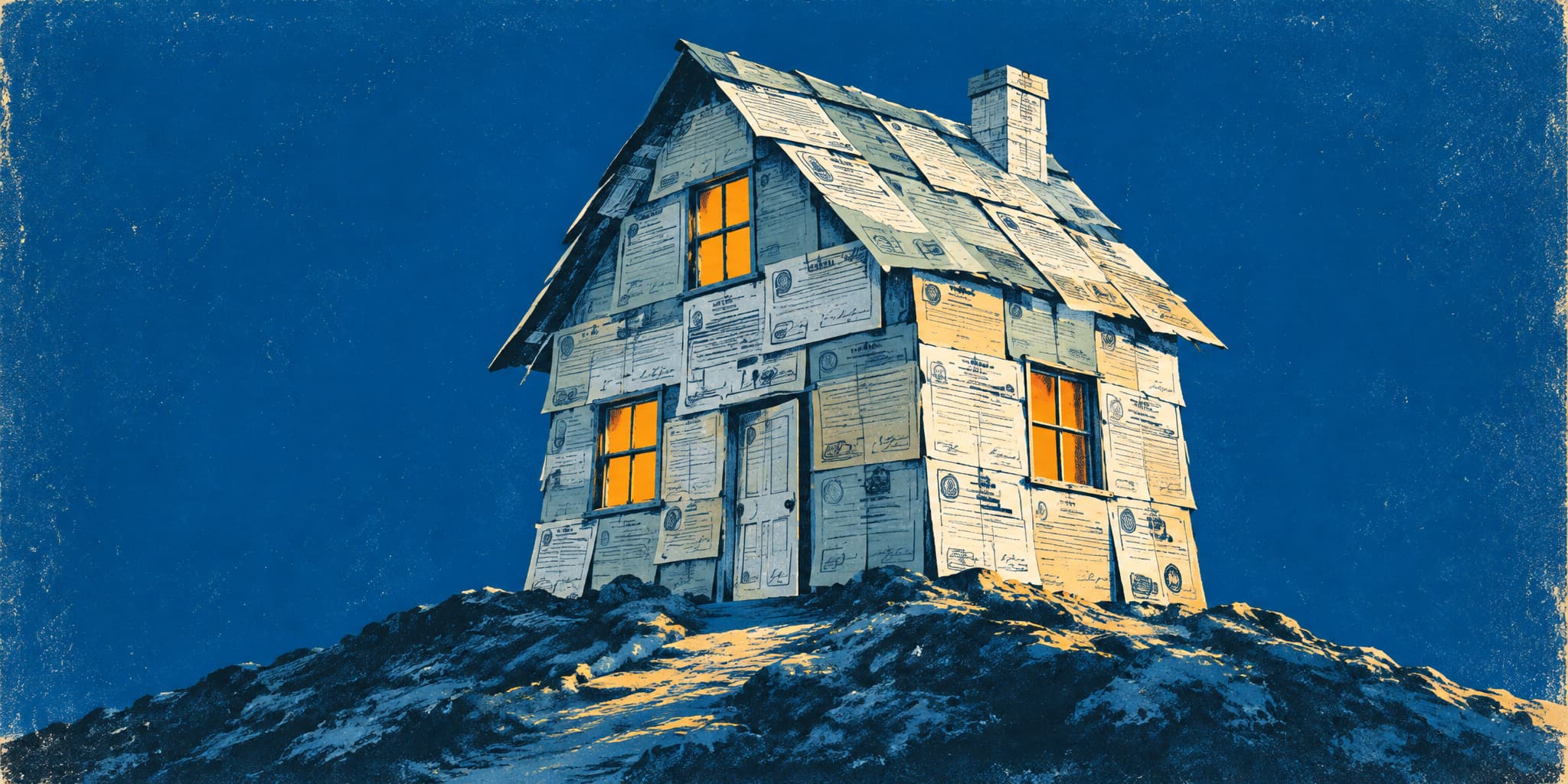
Hurricane Andrew destroyed 49,000 homes in 1992, and the rules governing how those homes had been built changed at every county line — more than four hundred jurisdictions adopting, amending, and inspecting on their own schedules. Replacing that patchwork with one statewide code took ten years, twenty-eight commission members, and a compromise that centralized the rules while leaving enforcement exactly where it had always been.
What the Storms Found
Four hurricanes hit Florida in six weeks in 2004. Some of the houses built under the new statewide code had been standing for two and a half years. The structures held, but the rain still got in. Whether the code on paper matched what was actually in the walls depended on which county's building department had reviewed the plans and sent the inspector. The evidence came in stages — some within months, the full economic picture thirteen years later.
Present Chain