The Fire That Stays in the Body

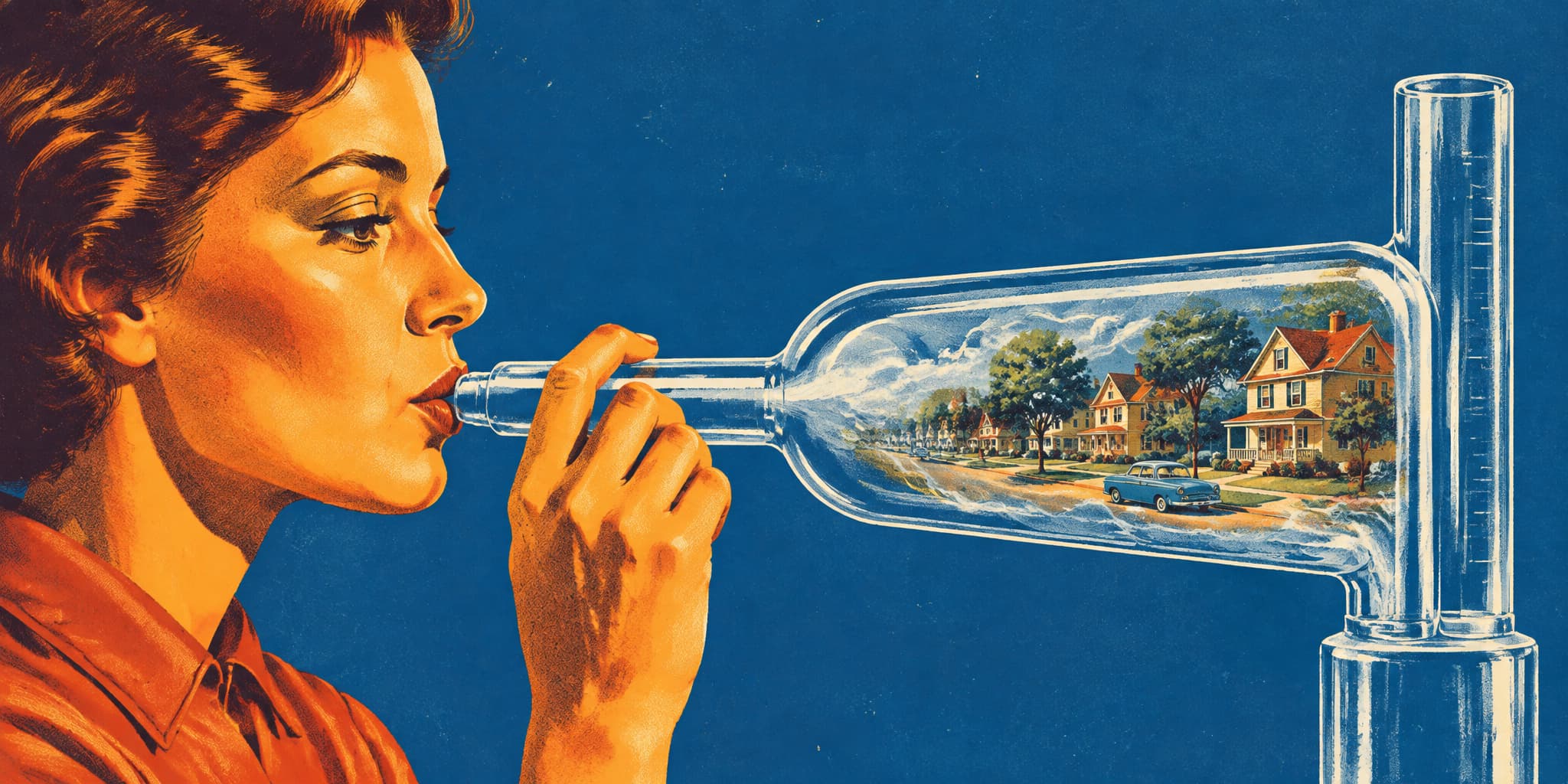
A fire that burns a town is chemically different from a fire that burns a forest, and the difference stays in people. Researchers who collected urine from roughly 1,400 Lahaina residents six to 18 months after the 2023 fire found antimony at nearly 40 times the level typical for the U.S. population, along with elevated manganese, barium, and arsenic. The exposure hadn't resolved. The study also turned into something its designers hadn't planned: for 60 percent of participants, it was their first health check since the fire. No other community that has burned this way has comparable data.
The Fire That Stays in the Body
A fire that burns a town is chemically different from a fire that burns a forest, and the difference stays in people. Researchers who collected urine from roughly 1,400 Lahaina residents six to 18 months after the 2023 fire found antimony at nearly 40 times the level typical for the U.S. population, along with elevated manganese, barium, and arsenic. The exposure hadn't resolved. The study also turned into something its designers hadn't planned: for 60 percent of participants, it was their first health check since the fire. No other community that has burned this way has comparable data.
Source Studies
Climate-amplified wildland–urban interface disasters create persistent internal metal mixtures associated with pulmonary impairment
When fires burn homes and infrastructure, toxic metals lodge inside residents long after monitors read clean and smoke clears.
It is among the first to measure internal body burden at population scale after a wildland-urban fire, rather than relying on ambient air data.
Source Studies
Cardiopulmonary hospitalization risks from wildfire-specific and non-wildfire PM2.5 in 20 US states
Multi-season wildfire PM2.5 exposure, even at modest average concentrations, was associated with increased hospitalization for heart attacks, strokes, asthma, and heart failure.
Associations were strongest among Hispanic communities, areas with lower educational attainment, and neighborhoods with greater economic deprivation.
The Timeline Gap

After a wildfire, most people check the EPA's Fire and Smoke Map before going home. When it turns green, they pack the car. But the map measures one thing: outdoor fine particles. It has nothing to say about metals, chemical vapors, or what's coating your kitchen counters.
A study of 19 Los Angeles homes two months after the January 2025 fires found lead on window sills and entry floors exceeding EPA dust-clearance levels. In several homes, indoor particle concentrations were higher than outdoor. Building materials kept releasing volatile compounds weeks after the flames were out. The green dot on the map had been up for a while by then.
Nobody had defined what "safe to return" actually means for a home after a wildland-urban fire. California enacted legislation in September 2026 to start building those standards. Guidance won't arrive until 2029. In the meantime, the instrument everybody checks measures the one thing that clears up fastest.