Who Gets the Later Day in Phoenix

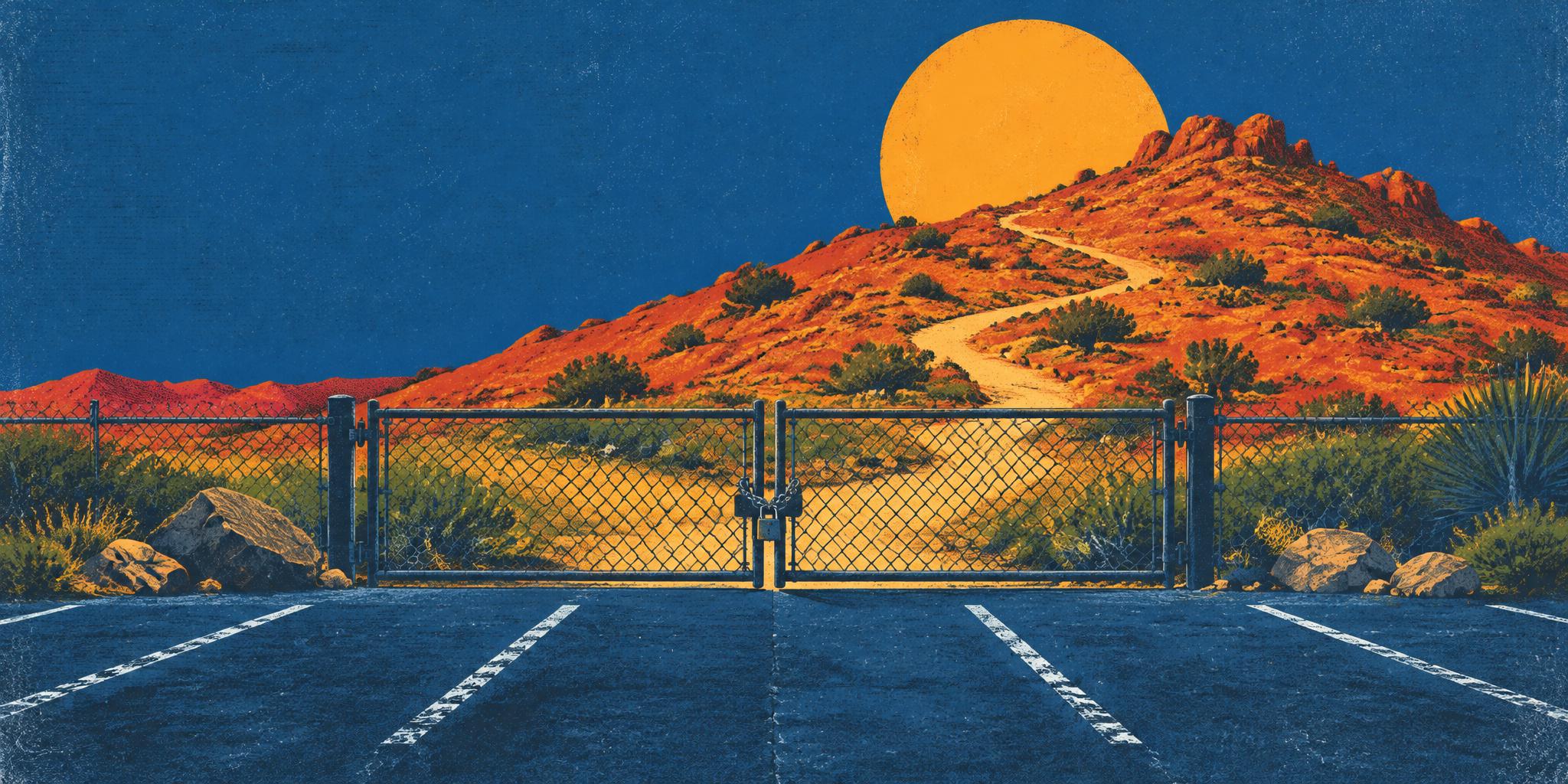
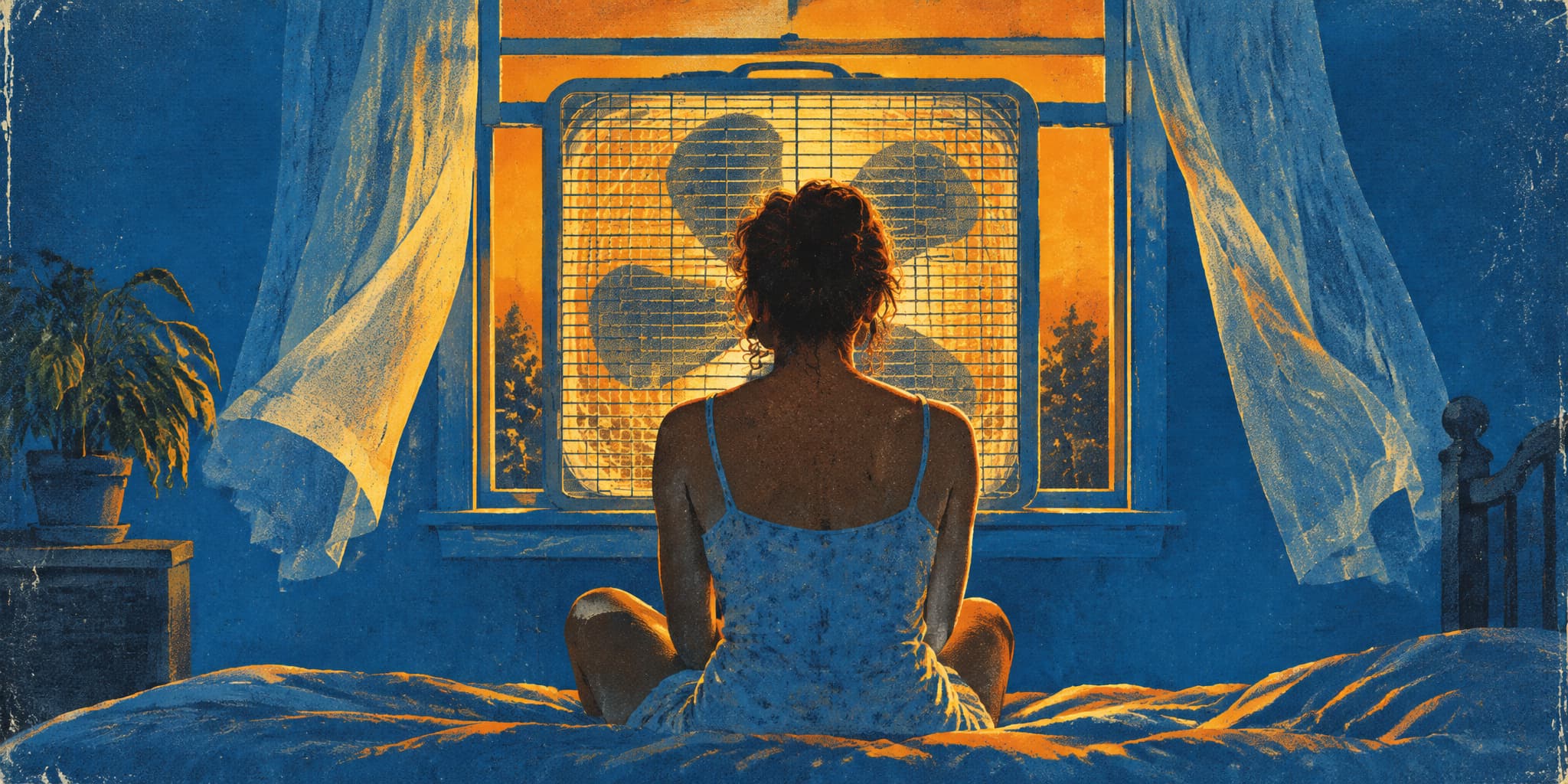
Heat advice says to wait until evening to go outside. This essay takes that advice at its word and walks through one Phoenix night, hour by hour, after a day that reached 118 degrees. At South Mountain Park, the trails stay open until 11 p.m., but the gate to the parking lot locks at 7, four hours earlier. That night, the temperature never dropped below 95 degrees. As the night goes on, the essay asks who those later hours are really for, and whether they ever cool off.
Who Gets the Later Day in Phoenix
Heat advice says to wait until evening to go outside. This essay takes that advice at its word and walks through one Phoenix night, hour by hour, after a day that reached 118 degrees. At South Mountain Park, the trails stay open until 11 p.m., but the gate to the parking lot locks at 7, four hours earlier. That night, the temperature never dropped below 95 degrees. As the night goes on, the essay asks who those later hours are really for, and whether they ever cool off.
What a Kid Knows at 27 Inches

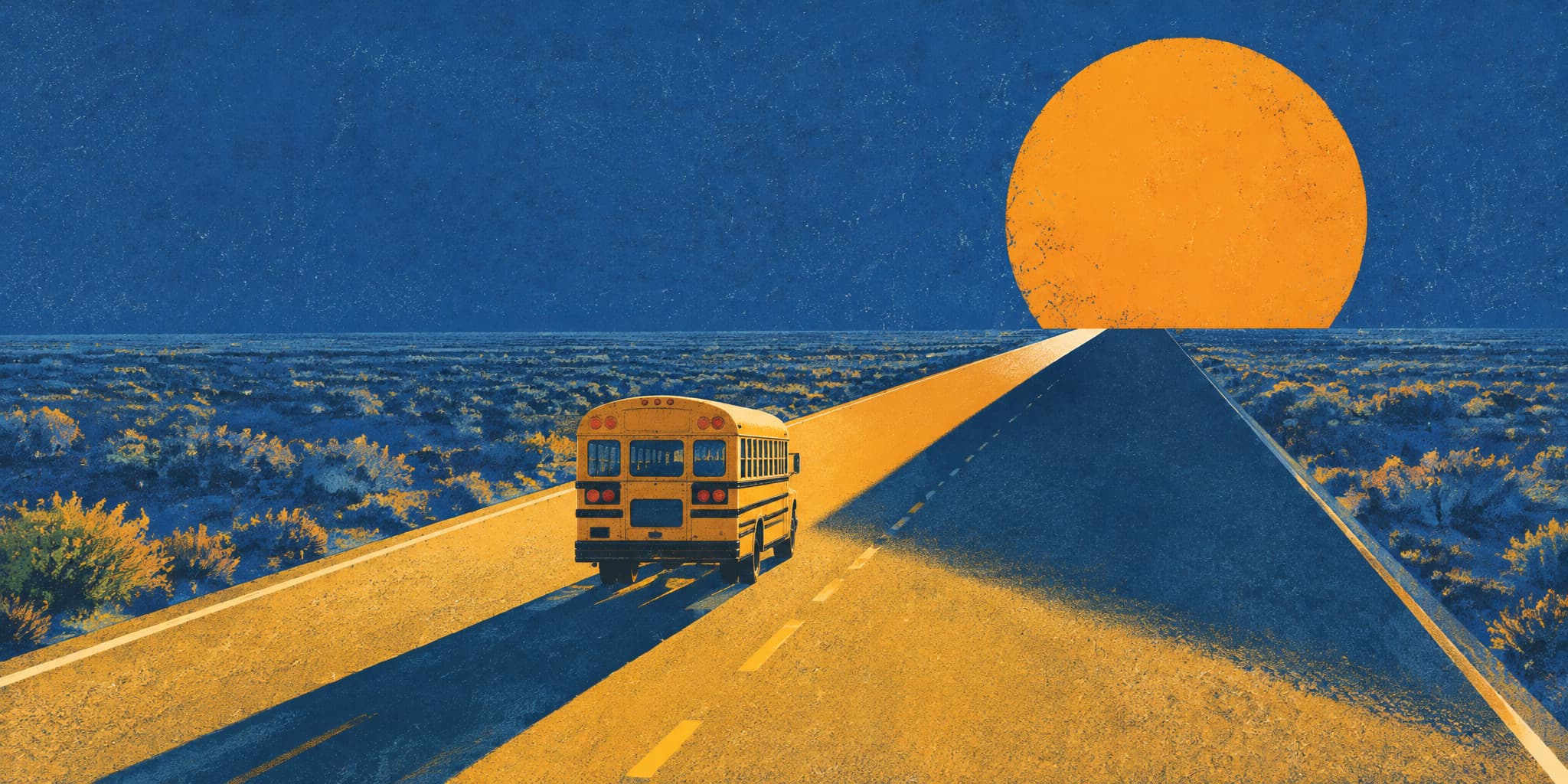
Many parents carry a worry: that heat waves and wildfire smoke are taking away their kids' chance to roam and learn their neighborhoods on their own. A reporter set out to test it against the research, beginning with sensors mounted 27 inches off the ground in California schoolyards, about the chest height of a second grader. They caught the day's worst heat in short afternoon spikes around dismissal and after-school programs, just as many kids start the walk home, the kind of trip that worry is about.
What a Kid Knows at 27 Inches
Many parents carry a worry: that heat waves and wildfire smoke are taking away their kids' chance to roam and learn their neighborhoods on their own. A reporter set out to test it against the research, beginning with sensors mounted 27 inches off the ground in California schoolyards, about the chest height of a second grader. They caught the day's worst heat in short afternoon spikes around dismissal and after-school programs, just as many kids start the walk home, the kind of trip that worry is about.

Who Gets to Archive Your Neighbor's 2 A.M.? An Imagined Interview With a Flood Archive's Intake Volunteer
CONTINUE READINGFlood Recovery Dispatch

Pagosa Springs, a mountain town in southwestern Colorado, has been recovering from flooding since late October. At 8:25 a.m. Thursday, November 5, the town posted its latest flood recovery update. The Hot Springs Boulevard Bridge was "expected to reopen shortly," sewer repairs were continuing, and residents should still use water only when necessary.
For anyone back home, that last line reaches into the bathroom. Since November 4 the town has asked for shorter showers, laundry only when needed, and dishwashers run only when full, because every household drain empties into a sewer still under repair.
Getting home at all depended on the block. A November 3 notice lifted most evacuation orders but kept them for affected homes on Hermosa and San Juan streets. Elsewhere, people could return only where roads were open and safe to drive.
Then there is the question of hearing any of it. On November 2 the town reported cell service down townwide and asked neighbors to pass confirmed updates to each other when they safely could. No notice since says service is back. Each instruction carries its own date, and the newest one doesn't say which older ones still hold.