Mexico City Chose to Stay and Drain Its Lakes in 1631. The Work Has Never Stopped.

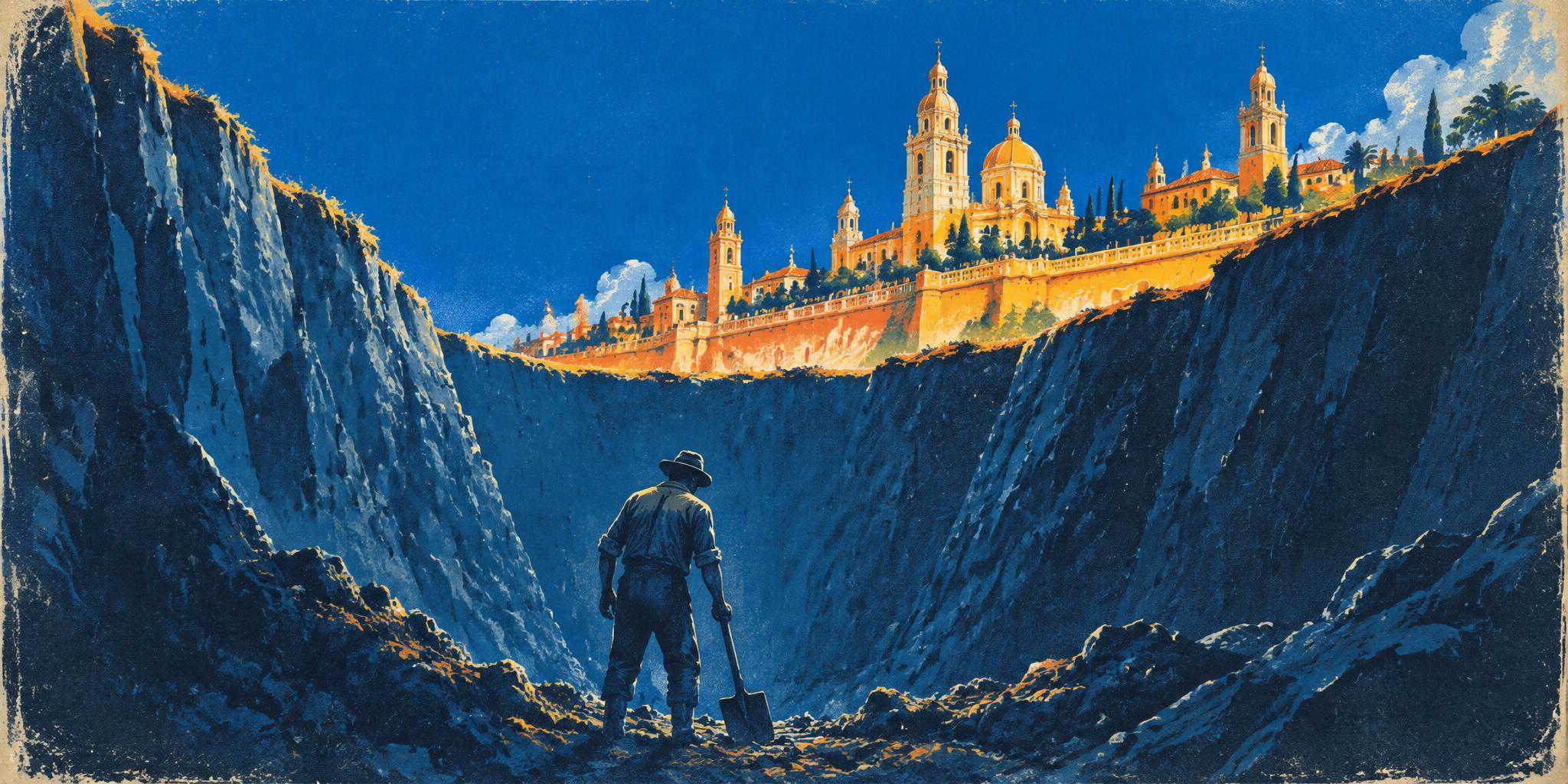
When a flood kept Mexico City under water for about five years, officials weighed moving the whole city to higher ground. Those who wanted to stay argued in numbers: the churches and houses already standing were worth about 50 million pesos, while draining the lakes would cost roughly 4 million. Staying looked like the cheaper choice, and the city stayed. Someone has been paying for that choice ever since. This is a history for anyone now deciding whether to stay where they live.
Mexico City Chose to Stay and Drain Its Lakes in 1631. The Work Has Never Stopped.
When a flood kept Mexico City under water for about five years, officials weighed moving the whole city to higher ground. Those who wanted to stay argued in numbers: the churches and houses already standing were worth about 50 million pesos, while draining the lakes would cost roughly 4 million. Staying looked like the cheaper choice, and the city stayed. Someone has been paying for that choice ever since. This is a history for anyone now deciding whether to stay where they live.
Short History
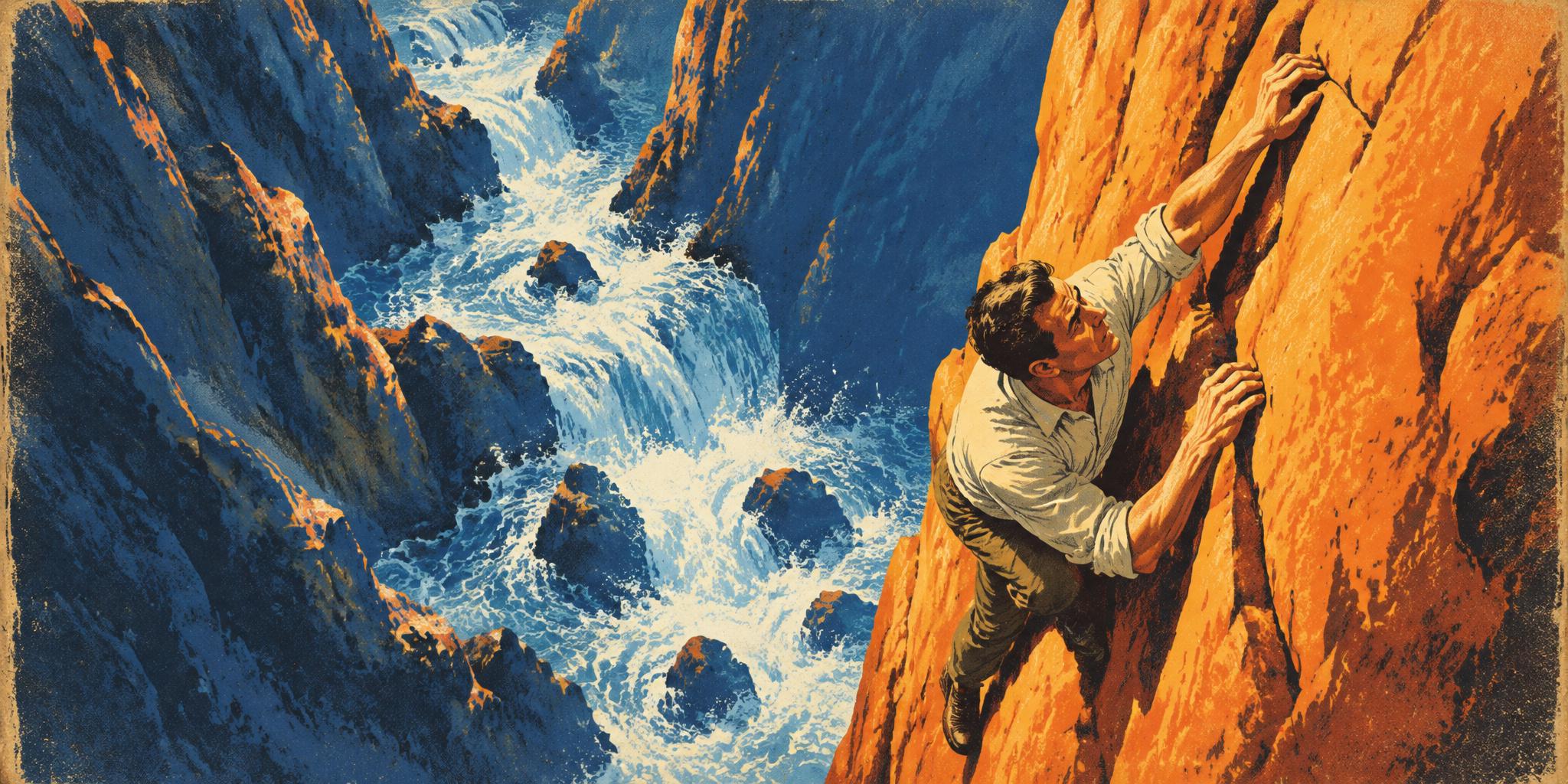
On the evening of July 31, 1976, a stalled storm sent a flash flood through Colorado's Big Thompson Canyon, the narrow gorge between Estes Park and Loveland. The canyon has one road, and it runs right beside the river. Many people did what feels natural. They got in their cars and tried to drive out on that road, into the flood's path.
Eve Gruntfest, a University of Colorado graduate student, studied what the survivors had done. Those who left their cars and scrambled up the canyon walls had the best odds. They were also less likely than others to have heard any warning. They saw the water rising and climbed.
Her 1977 study urged posting signs that told canyon visitors to do the same. The signs along those roads today say it in three words: Climb to Safety.

Talking Debt and Departure With an Imagined Matanuska Colonist Who Took the Train Back Out
CONTINUE READINGPaired Histories

Who Paid to Raise Sacramento, and Who Lived Inside
A flooded city that chooses to stay has to settle who pays. When 1860s Sacramento raised its streets above the floods, it made property owners pay. But owners weren't the only ones living inside. In 1864, a house on I Street being jacked into the air "took a lurch and spilt out all the occupants." The newspaper named the owner. It never named the Chinese residents. Miami Beach is raising its roads now. What happens to its renters?
Six Months to Draw a Line in Big Thompson Canyon
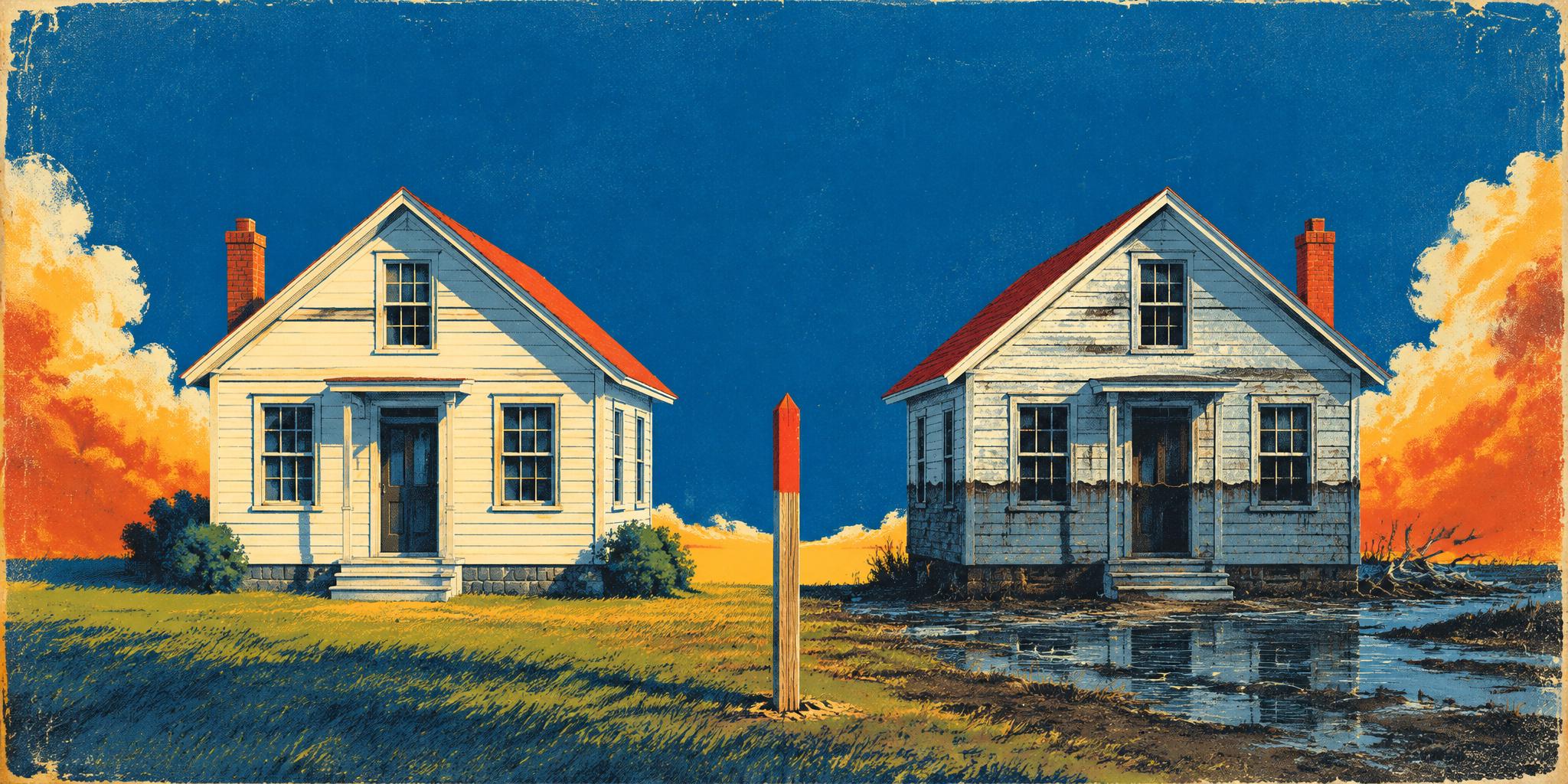
Some rules for staying ask people to wait rather than pay. After a 1976 flood killed more than 140 people near Loveland, Colorado, a house that lost less than half its value could be repaired right away. One that lost half or more had to sit for six months while engineers mapped where the river might go next. Only then did those families learn where they could rebuild. This month, the county is drawing that map again.
Original Documents