After the Irrigation Stops, Who Looks After the Field?
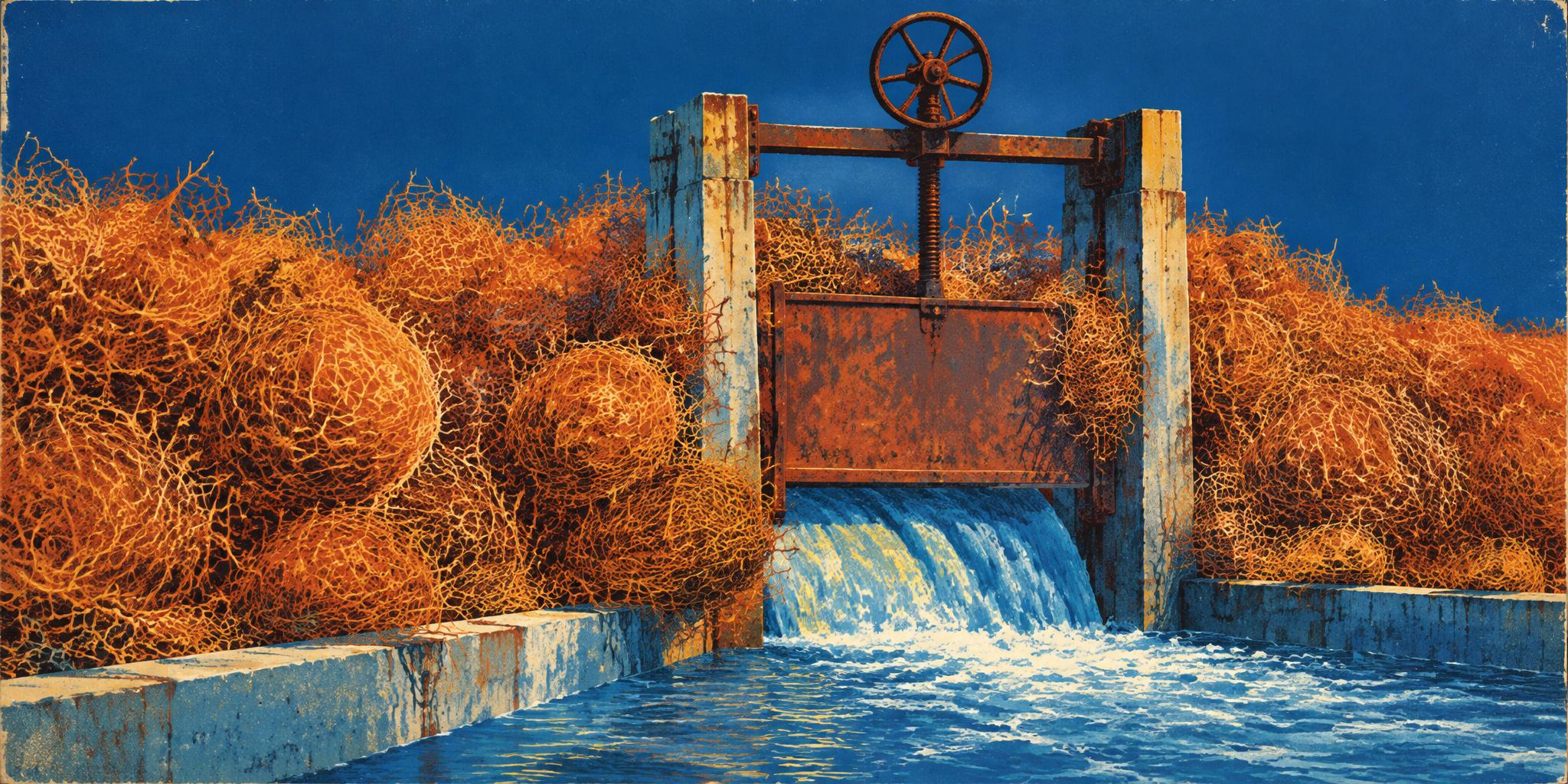
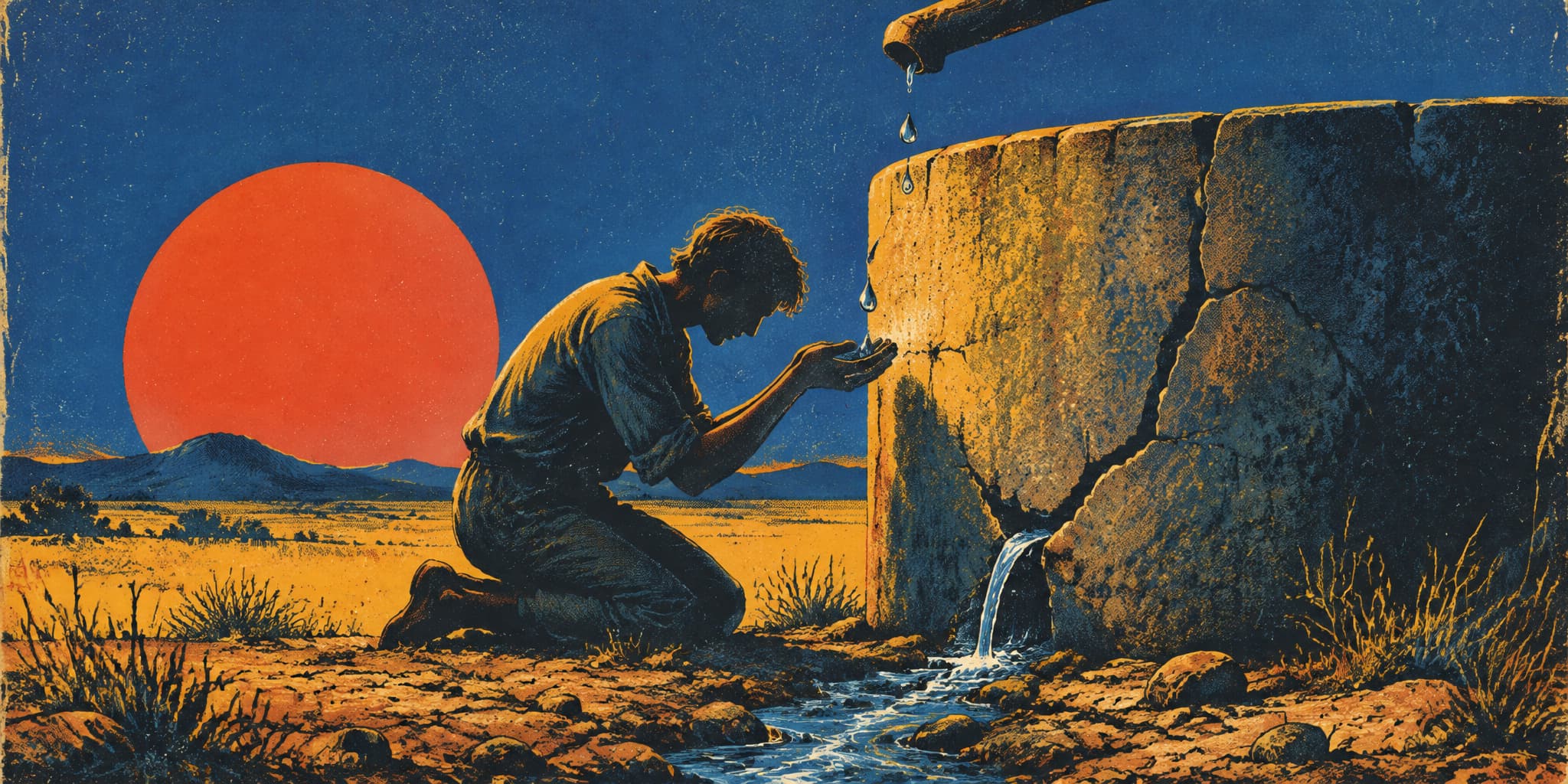
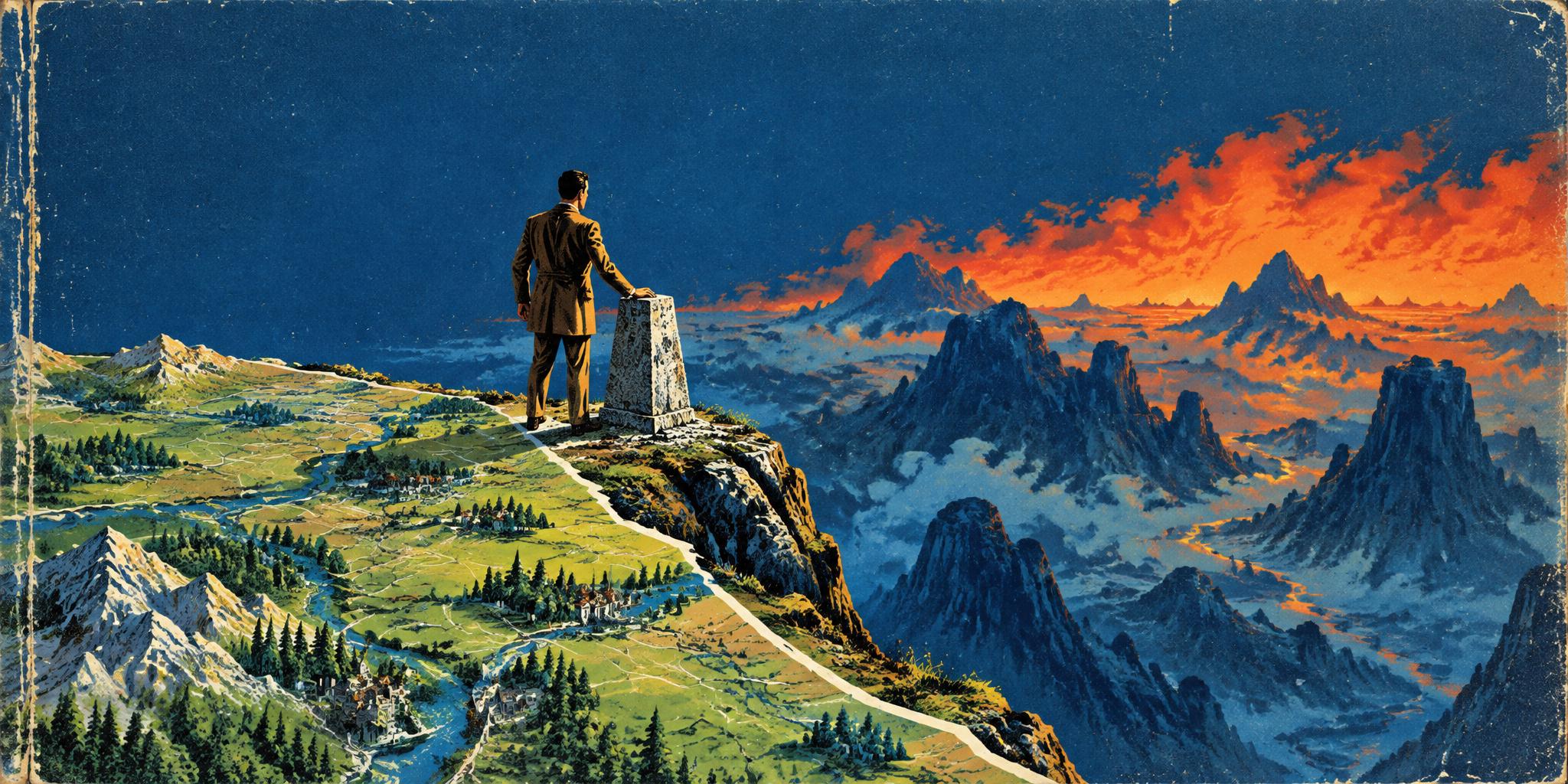
When a city buys farm water, the water leaves and the fields stay. Without irrigation, they can turn to dry scrub that catches fire easily. In April 2008, a wind-driven fire near Ordway, Colorado, burned about 9,000 acres. Sixteen fields lay inside the burn, and all of them had already gone out of farming. The county around Ordway has spent fifty years learning who looks after land like that. Cities, maybe yours among them, are still buying farm water.
After the Irrigation Stops, Who Looks After the Field?
When a city buys farm water, the water leaves and the fields stay. Without irrigation, they can turn to dry scrub that catches fire easily. In April 2008, a wind-driven fire near Ordway, Colorado, burned about 9,000 acres. Sixteen fields lay inside the burn, and all of them had already gone out of farming. The county around Ordway has spent fifty years learning who looks after land like that. Cities, maybe yours among them, are still buying farm water.
Research Summaries
Fire at the boundary: Airborne toxic metals from the 2025 Los Angeles urban firestorm
An estimated seven million (range 4.3 to 8.0 million) breathed outdoor air averaging over 50 nanograms of lead per cubic meter, more than 80 times background.
These are modeled outdoor levels during peak house-burning. Nobody's inhaled dose, blood lead or illness was tested. The authors want emergency protocols rewritten.
Research Summaries
Building materials and emissions from rebuilding under increasing climate-driven flood hazards
The coast. If flood walls are maintained but never raised, sea flooding drives the losses while river-flood damage overall actually declines.
It assumes full replacement with no reuse or recycling, mapped at roughly kilometer scale. Fine for regions, too coarse for your street.
Science in Brief

Researchers writing in AGU Advances in September took each place's hottest weeks of the 1980s and measured how often heat that intense now falls outside them. On about half the world's land, the hot season has grown. Western Europe's mostly starts earlier. In the western United States, most of the extra heat comes at the end, in September and October.
Phoenix closed its summer cooling centers at 9 a.m. on October 1, including a downtown site that had been open around the clock. Four days later came record-warm nights, with lows of 80 to 83°F. Nights that warm give a body without air conditioning no cool hours to recover.
Cities set those closing dates months ahead, around budgets and staff. The study finds extreme heat in the West now reaching past them.