The Shrinking Day


Heat research has been measured in degrees. A new study in Environmental Research: Health measures it in hours — and finds that 300 of them are already gone. Using 75 years of hourly climate data, researchers calculated when heat and humidity prevent older adults from sustaining even moderate physical activity: walking, sweeping a floor. The safe window has narrowed by more than a month of daytime since 1950. In east Texas, two school districts are spending millions on shade canopies to buy those hours back. Once you denominate heat in time, you start seeing who has enough left.
The Shrinking Day
Heat research has been measured in degrees. A new study in Environmental Research: Health measures it in hours — and finds that 300 of them are already gone. Using 75 years of hourly climate data, researchers calculated when heat and humidity prevent older adults from sustaining even moderate physical activity: walking, sweeping a floor. The safe window has narrowed by more than a month of daytime since 1950. In east Texas, two school districts are spending millions on shade canopies to buy those hours back. Once you denominate heat in time, you start seeing who has enough left.
Research Shelf
Intensifying global heat threatens livability for younger and older adults
Restricted hours have roughly doubled for younger adults since the 1950s. Parts of South Asia and the Persian Gulf now exceed 3,000 constrained hours annually.
Walking to a bus stop, cooking a meal, light housework. The model measures where daily routine turns physiologically risky, well before survival is threatened.
Research Shelf
Deadly heat stress conditions are already occurring
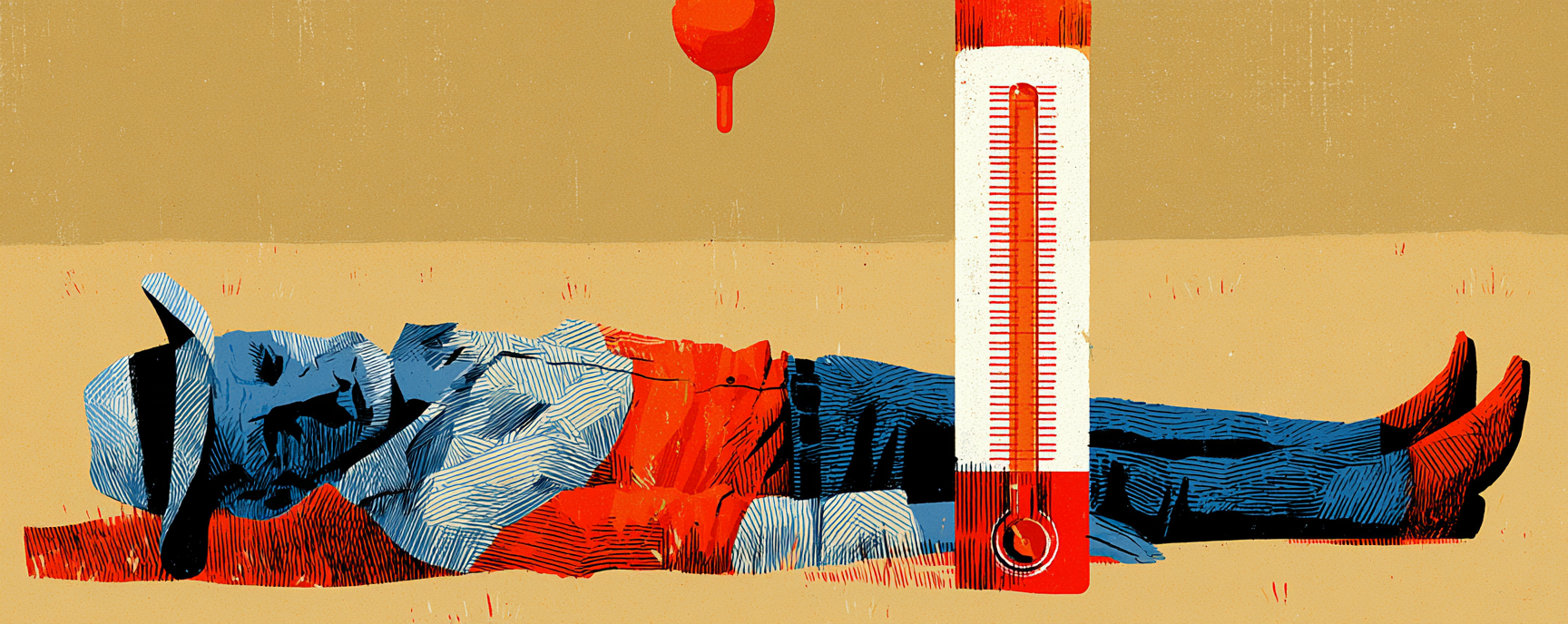
Phoenix 2023 overwhelmed the body's maximum sweat rate rather than trapping humidity. Most heat alert systems underweight this pathway.
HEAT-Lim captures fatal heatstroke thresholds only. Most real-world heat deaths involve cardiovascular and respiratory failure at lower core temperatures.
Research Shelf
Warming accelerates global drought severity
A warmer atmosphere pulls more moisture from soil and vegetation even when rainfall holds steady, generating drought without any precipitation decline.
Reservoir sizing, crop insurance triggers, and fire risk models all depend on historical drought baselines this paper suggests are already obsolete.
Research Shelf
The first emergence of unprecedented global water scarcity in the Anthropocene
CESM2-LE projects 74% of regions reaching unprecedented scarcity by 2100; CNRM projects 51%. Both flag the same core hotspots with high confidence.
In 12% of high-risk regions, Day Zero events outlast recovery intervals between them, converting crisis into structural scarcity.
The Discretion Gap

The forecast is the same for everybody. Whether you can rearrange your day around it is another matter entirely.
A retiree shifts her errands to early morning. A warehouse worker clocks in when he's told. A homeowner installs better air filters before smoke season; a renter inherits whatever the landlord last maintained, and if she swaps in a higher-grade filter herself, she'd better hope it fits the system. One parent with remote-work flexibility keeps the kids home on a smoke day. Another parent, whose job requires presence, doesn't get that luxury.
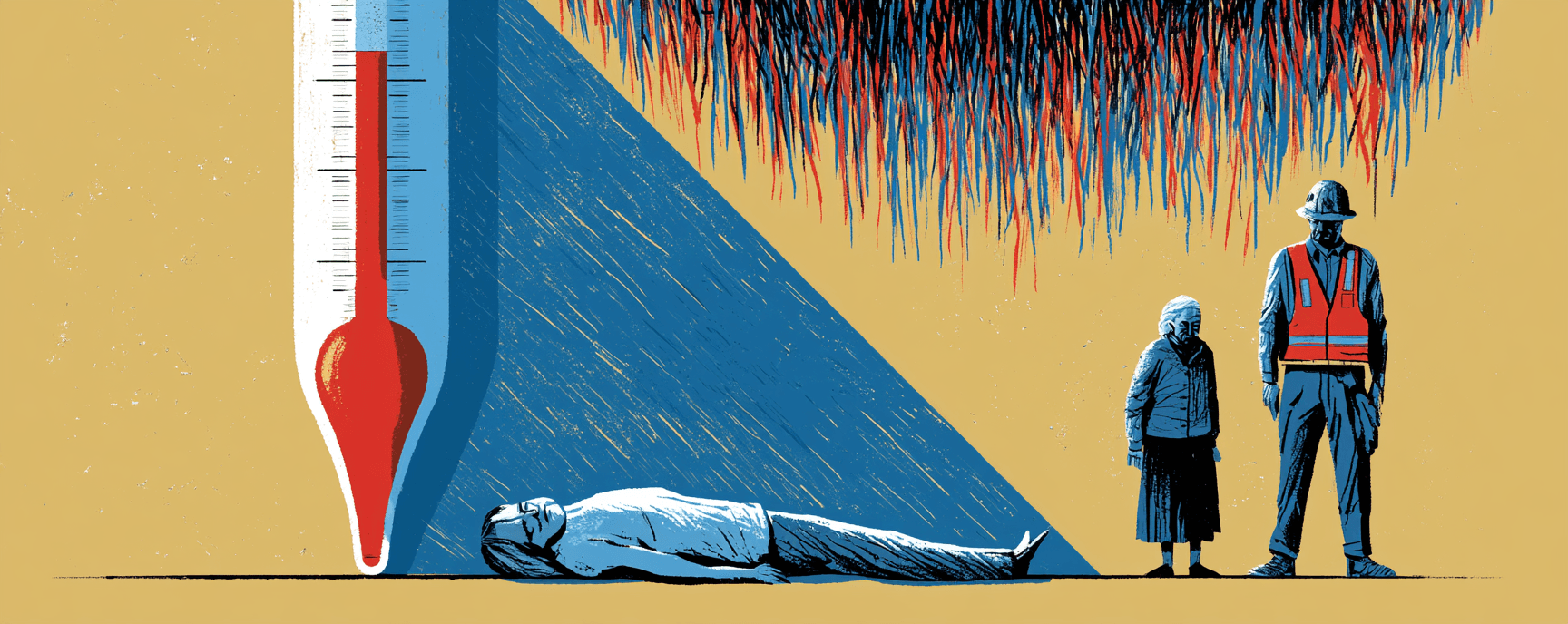
Recent research frames heat as an activity budget: the shrinking hours when a body can safely work, walk, or wait outside. That budget is contracting everywhere, but not equally. It shrinks according to who controls your schedule, your building, your cooling, your employer's expectations.
So when the next warning arrives, the useful question isn't the number on the thermometer. It's how much of your response requires someone else's permission.