The Earthquake San Francisco Agreed to Call a Fire

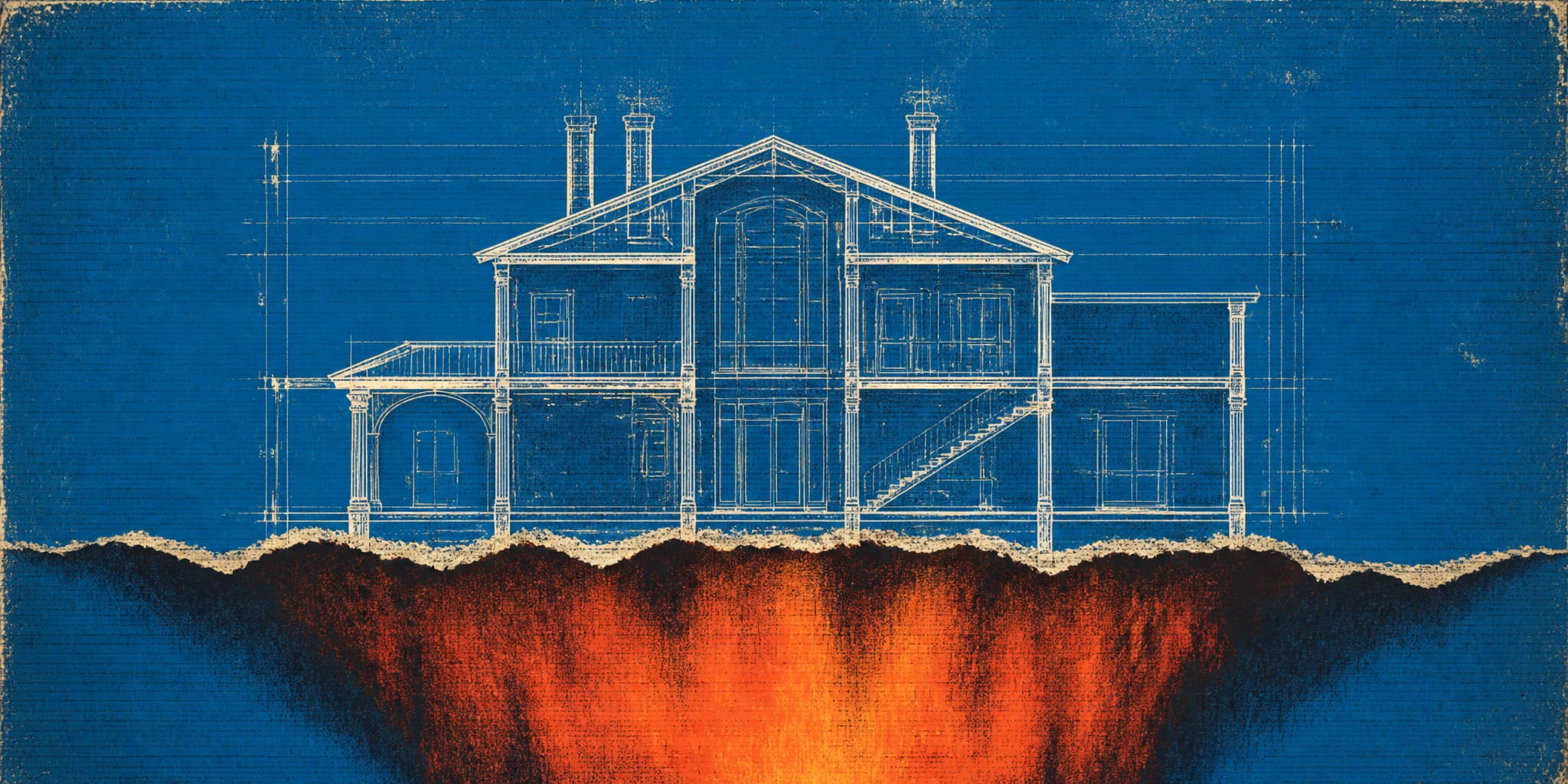
Six days after the 1906 San Francisco earthquake, the city's Real Estate Board agreed that the disaster ought to be called "the great fire." The reason was contractual: fire insurance paid claims, and earthquake damage voided them. That agreement shaped how the city rebuilt, what its building code addressed, and what it left out. Apartment houses went up on ground the scientists had already mapped as dangerous. Forty-one years passed before San Francisco adopted seismic standards that smaller California cities had taken on a generation earlier. Then, in 1989, the fill liquefied again.

The Earthquake San Francisco Agreed to Call a Fire

Six days after the 1906 San Francisco earthquake, the city's Real Estate Board agreed that the disaster ought to be called "the great fire." The reason was contractual: fire insurance paid claims, and earthquake damage voided them. That agreement shaped how the city rebuilt, what its building code addressed, and what it left out. Apartment houses went up on ground the scientists had already mapped as dangerous. Forty-one years passed before San Francisco adopted seismic standards that smaller California cities had taken on a generation earlier. Then, in 1989, the fill liquefied again.
The Insurance Calculus

Standard fire insurance in 1906 San Francisco covered fire but excluded earthquake. When the quake hit April 18 and fires burned for three days afterward, that exclusion clause became the most consequential piece of fine print in California history. Earthquake damage? Your problem. Fire damage? File a claim.
The incentive was so naked that some property owners apparently helped it along. Contemporary accounts describe suspected arson — people torching their own earthquake-wrecked buildings to convert an uncovered loss into a covered one. The insurance industry had anticipated this, writing "fallen building" clauses to void coverage on structures that collapsed before the fire reached them. But proving sequence of destruction in a leveled city turned out to be difficult.
Six days after the fires went out, the city's Real Estate Board resolved that the catastrophe should be called "the Great Fire." The British consul general was blunt about why: if insurance doesn't pay, the city is finished. The financial instrument wrote the history.
A century later along the Gulf Coast, homeowners policies covered wind but excluded flood, and families watched adjusters argue over whether the ocean or the air had destroyed their house. Same arithmetic, different weather.

An Impossible Interview with the Man Who Sold Earthquake Cottages Without Saying the Word
CONTINUE READINGConsequence and Parallel
The Useful Fire
After 1906, San Francisco rebranded its earthquake as a fire. The insurance math worked better that way, and so did the sales pitch to investors. Then the city spent eighty-three years not requiring owners to fix the brick buildings everyone knew would fall down in the next one. The buildings were on a list that sat there until 1989.

What the Form Doesn't Ask
California's home-sale disclosure form asks whether a property sits in a mapped hazard zone. It doesn't ask about projected sea-level rise, wildfire probability, or whether any insurer will actually write a policy on the place. The information exists, but the form doesn't mention it, and the economic logic behind that silence has an eighty-year precedent.
Further Reading


Favorite Featured Stories

Sixty-six percent of 239 ballots, cast by people scattered across two states, staying with relatives or living in the FE...

Under six hundred people, three dozen buildings on a short main street, and a levee that would have cost three and a hal...

When the Army Corps finished Johnstown's channels in 1943, nobody in the city experienced the protection as a model or a...

Fred Eaton bought water rights at market prices. William Mulholland solved an engineering problem that worked exactly as...