A Hundred Days

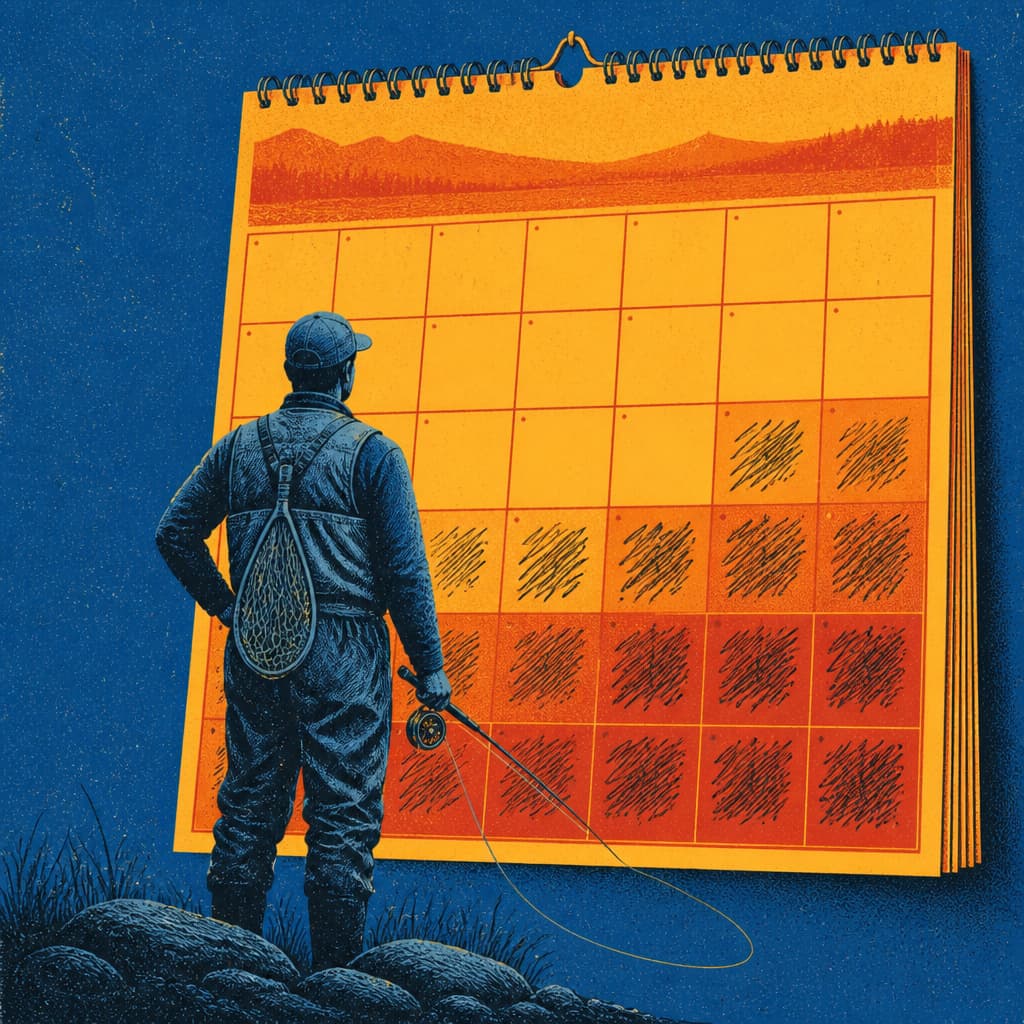
A Montana fishing guide's year is a stack of individual days, each one booked or empty, and the total has to cover a life. Dan Gigone, who owns Sweetwater Fly Shop south of Livingston, has watched August turn into what he calls a "crapshoot" as river temperatures trigger afternoon closures and customers push their trips into fall. Todd Tanner, who once spent 300 days a year on the water, now schedules his instructional program for May, September, and October, leaving the summer empty. Two careers, two ways of answering the same problem: the most bankable month on the calendar has stopped being bankable.
A Hundred Days
A Montana fishing guide's year is a stack of individual days, each one booked or empty, and the total has to cover a life. Dan Gigone, who owns Sweetwater Fly Shop south of Livingston, has watched August turn into what he calls a "crapshoot" as river temperatures trigger afternoon closures and customers push their trips into fall. Todd Tanner, who once spent 300 days a year on the water, now schedules his instructional program for May, September, and October, leaving the summer empty. Two careers, two ways of answering the same problem: the most bankable month on the calendar has stopped being bankable.

Tam Flickinger's Spreadsheet Knows Exactly When the Money Runs Out
CONTINUE READINGThe Closure Trigger
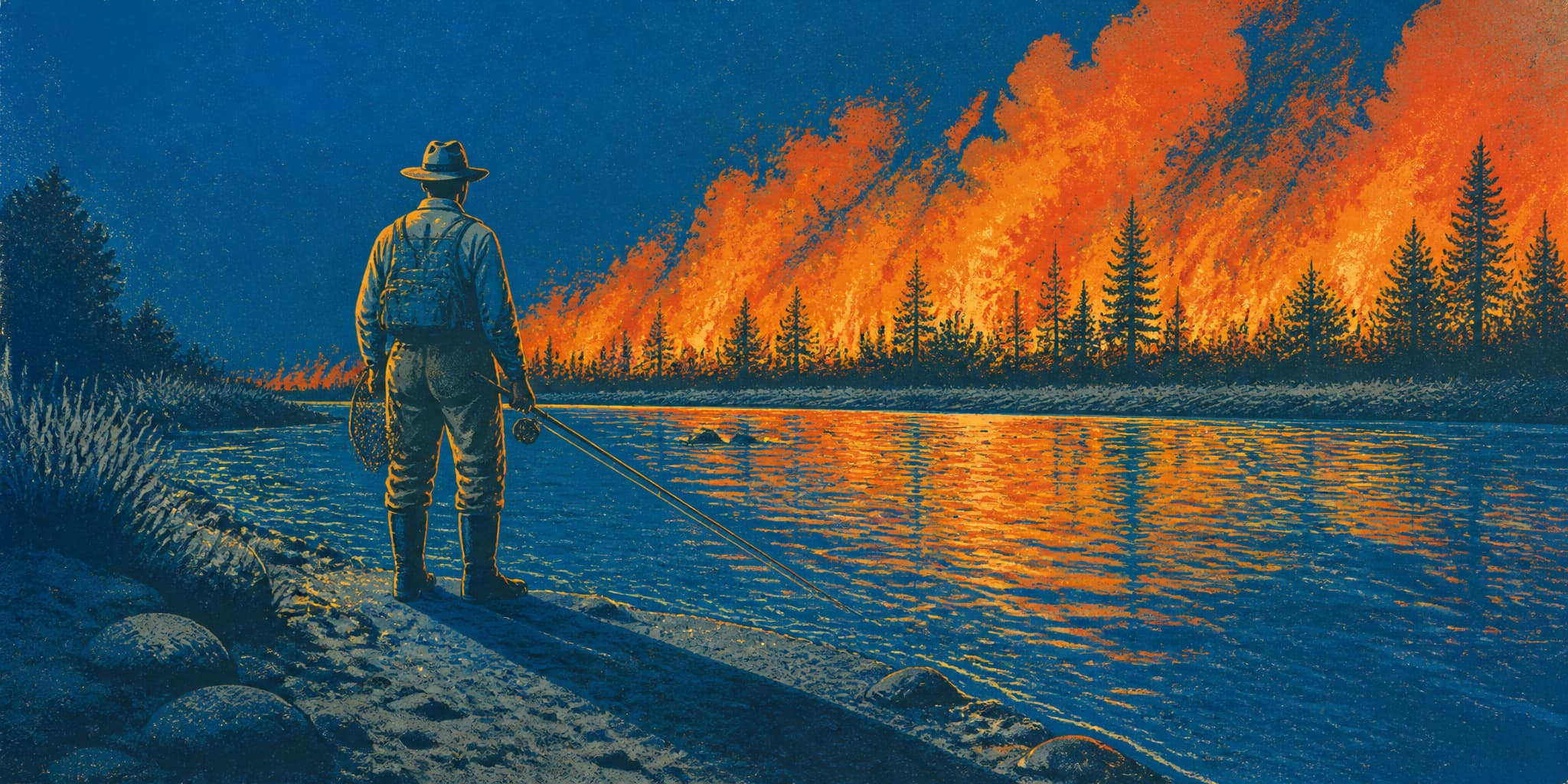
The term comes from wildfire country. Early twentieth-century logging crews worked predawn "hoot-owl" shifts because forests were too dry to cut safely by afternoon. Montana Fish, Wildlife & Parks borrowed the idea: when a river hits 73°F for three consecutive days, angling shuts down from 2 p.m. to midnight. Trout don't die at 73. They start dying around 77. But a fish caught and released above 68 is far more likely to die afterward, so the state set the trigger four degrees below lethal.
This summer, FWP has restricted roughly 1,200 river miles across more than twenty systems, earliest closure July 3. Montana has imposed these restrictions six summers running now, each year covering more water. They lift when temperature and flow recover. FWP won't pull them for one cool day if the heat's coming back.
Two Farm Calendars
Two Months Early
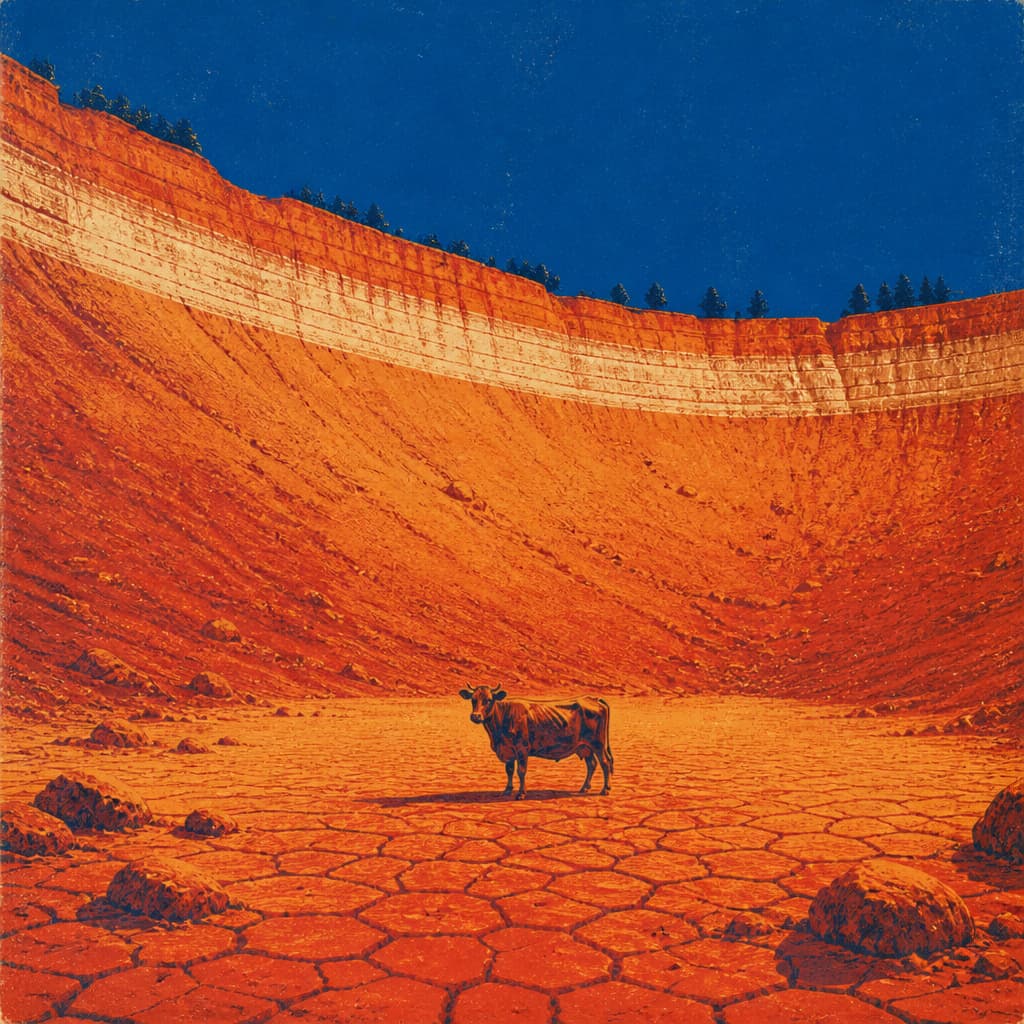
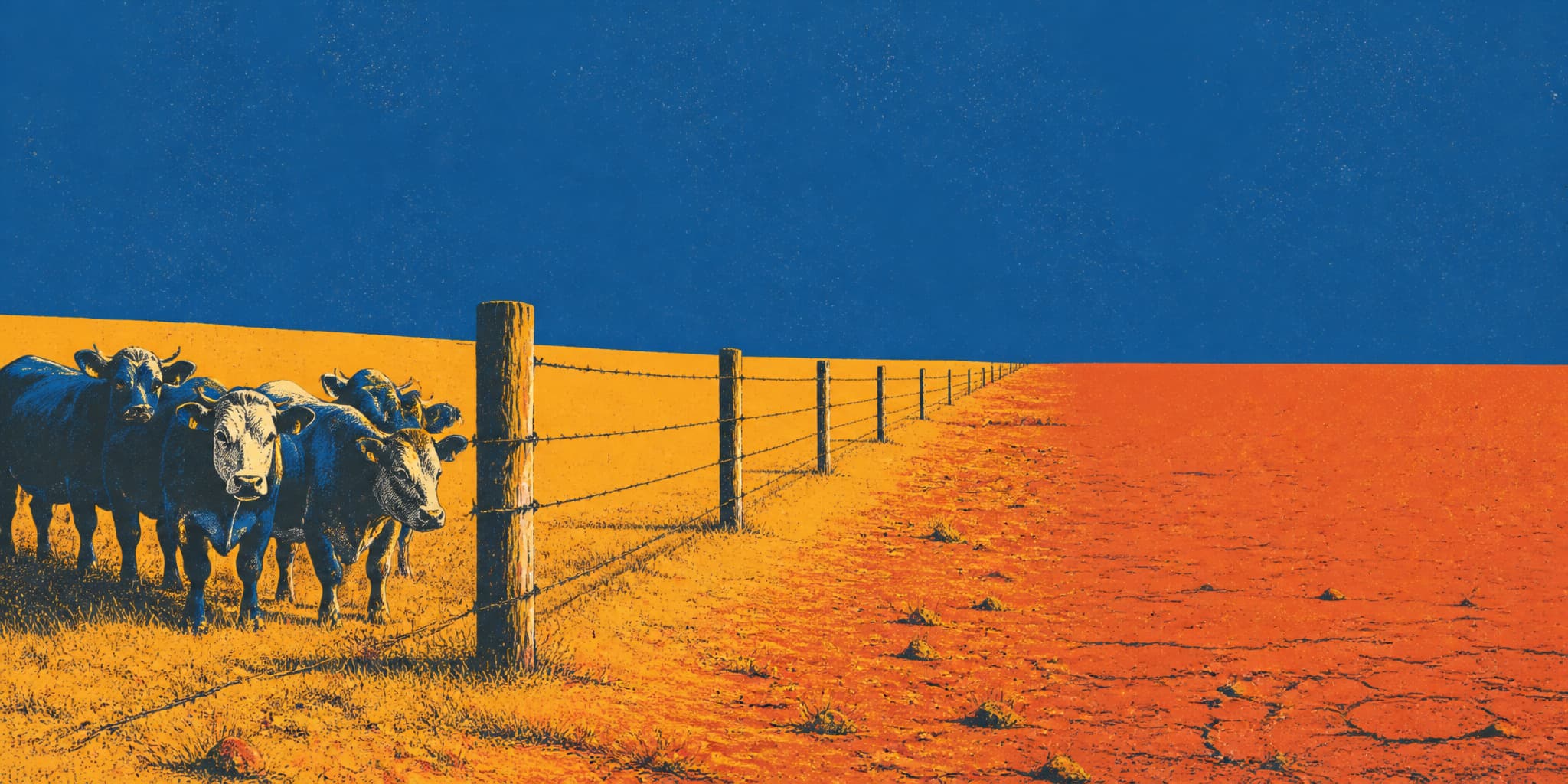
Robbie LeValley sold a fifth of her breeding herd this summer. On a cow-calf ranch near Hotchkiss, Colorado, every cow you sell takes with her the calves she would have raised — what one extension economist compared to drawing down a retirement account. The irrigation water feeding her hay ground ran out two months ahead of schedule, hay prices doubled, and a family that has ranched the same mesas since 1910 is recalculating what it costs to stay.
The Sixth Generation
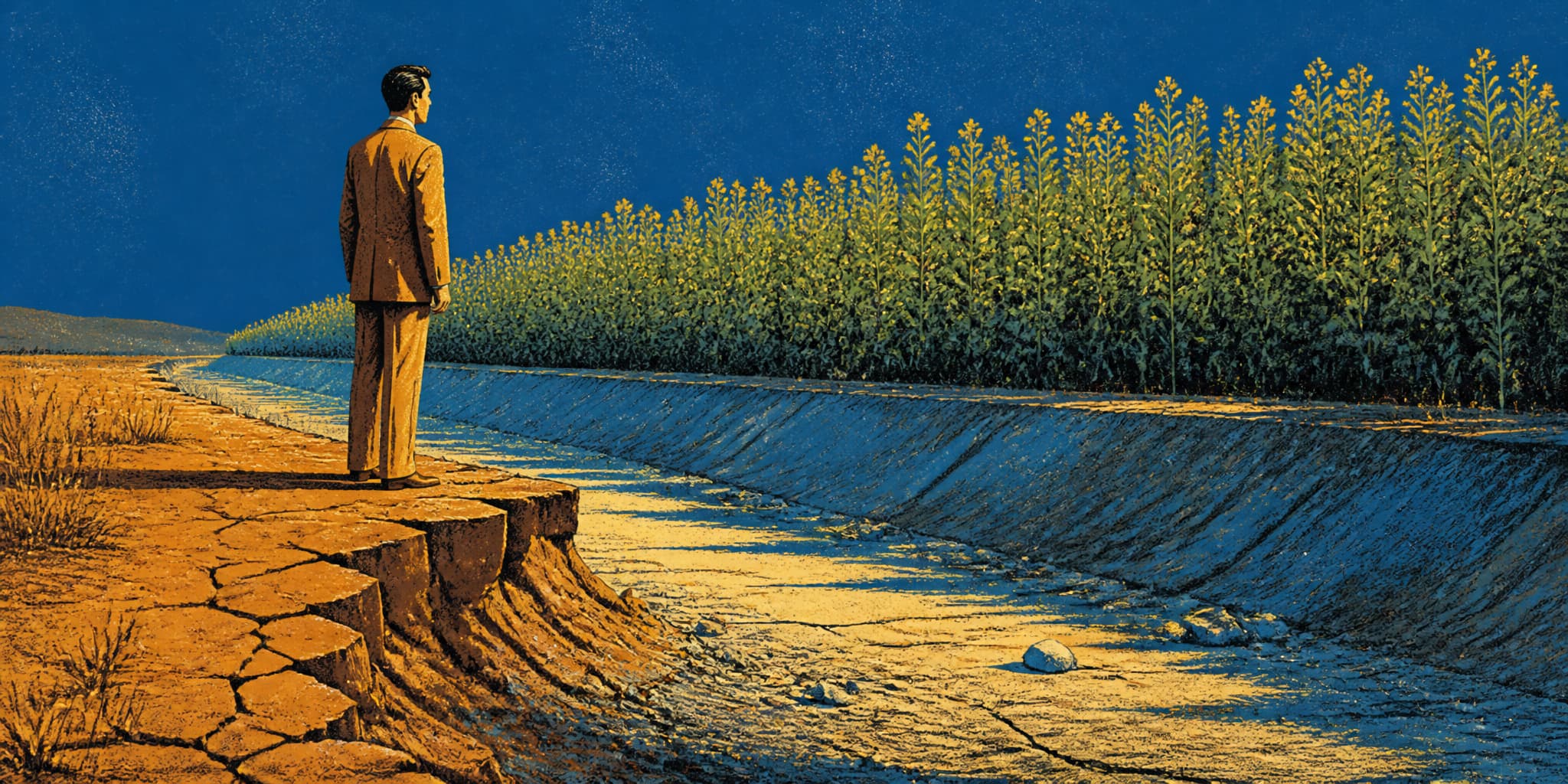
Jace Miller's Colorado River water was eliminated outright in 2023, and more than half his Arizona fields have sat empty since. The ground still producing is farmed under contract on tribal land. His son, born the year the cuts began, would be the sixth generation on Arizona farmland, if there is farmland left to work. Down the road, Nancy Caywood pays $21,000 a year to an irrigation district that delivers her nothing.
Reading List