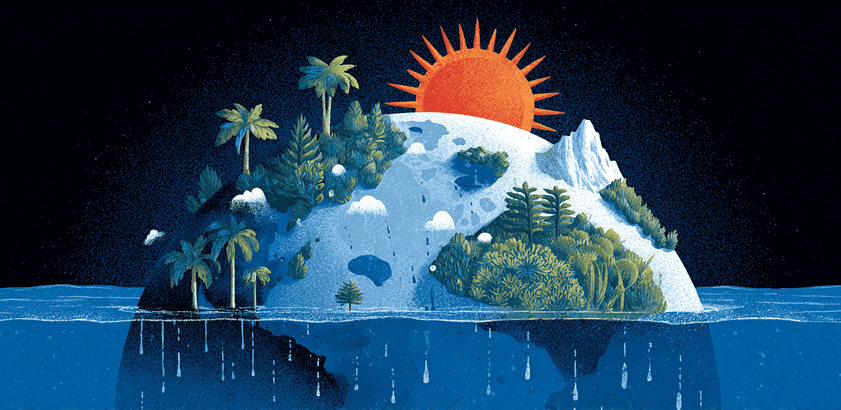
We Wouldn't Have Known
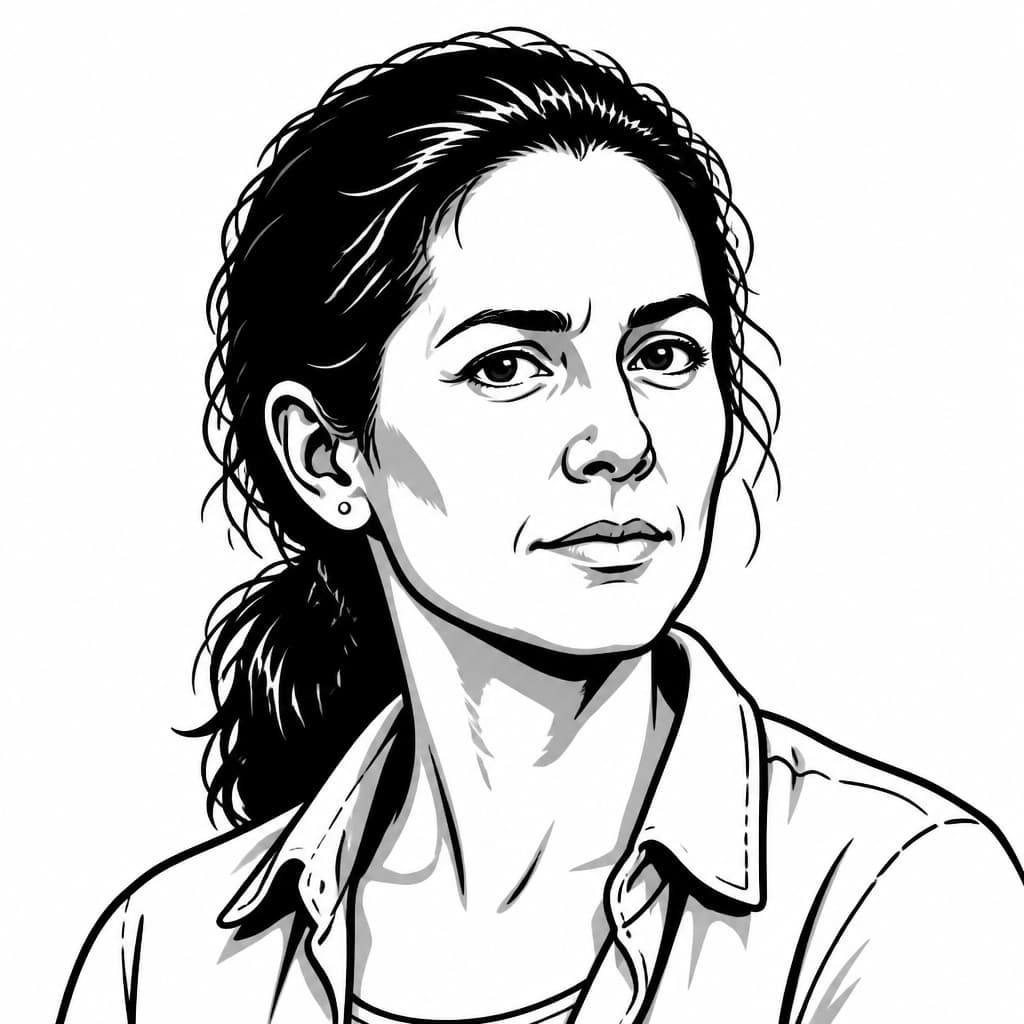
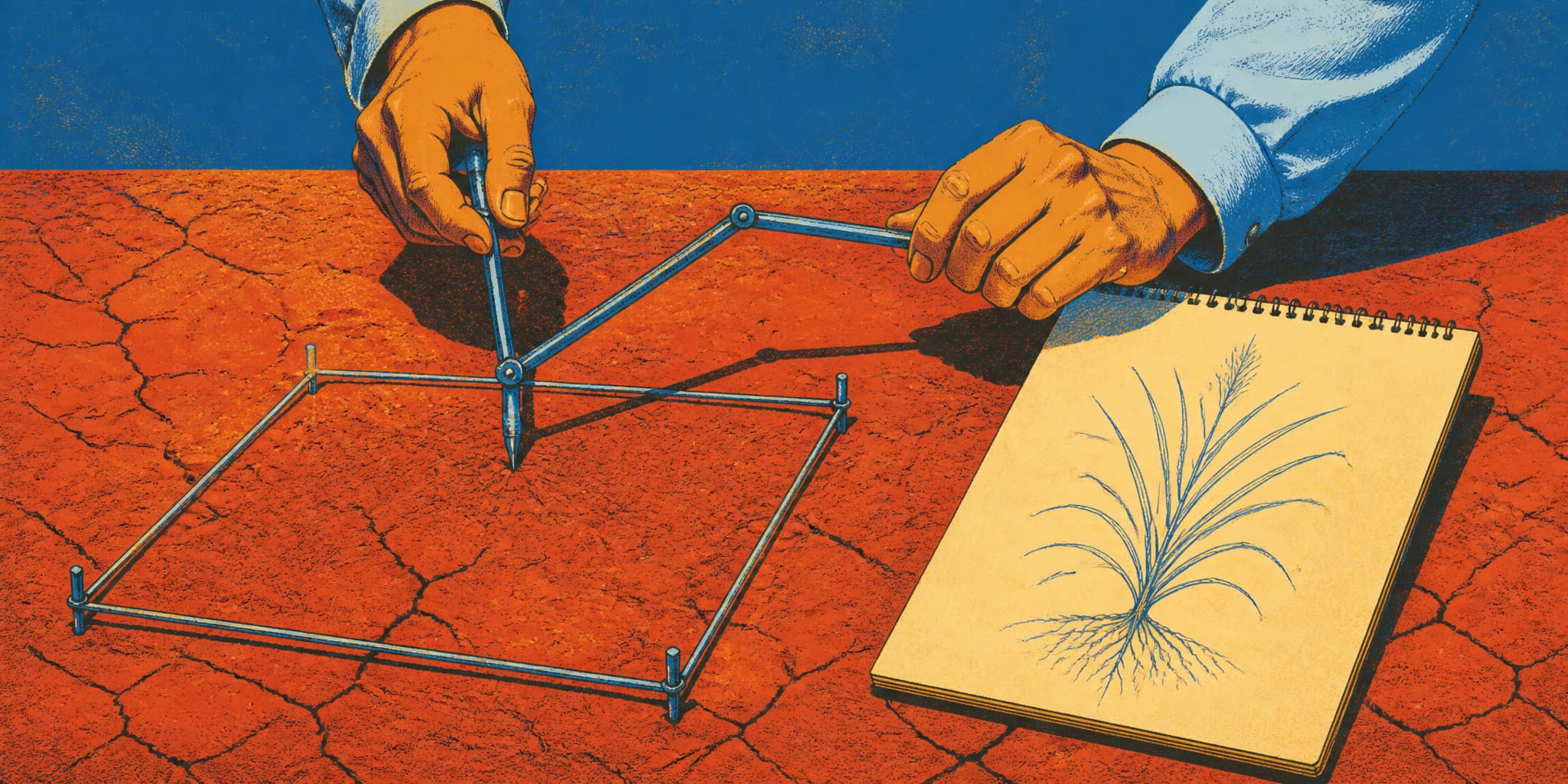
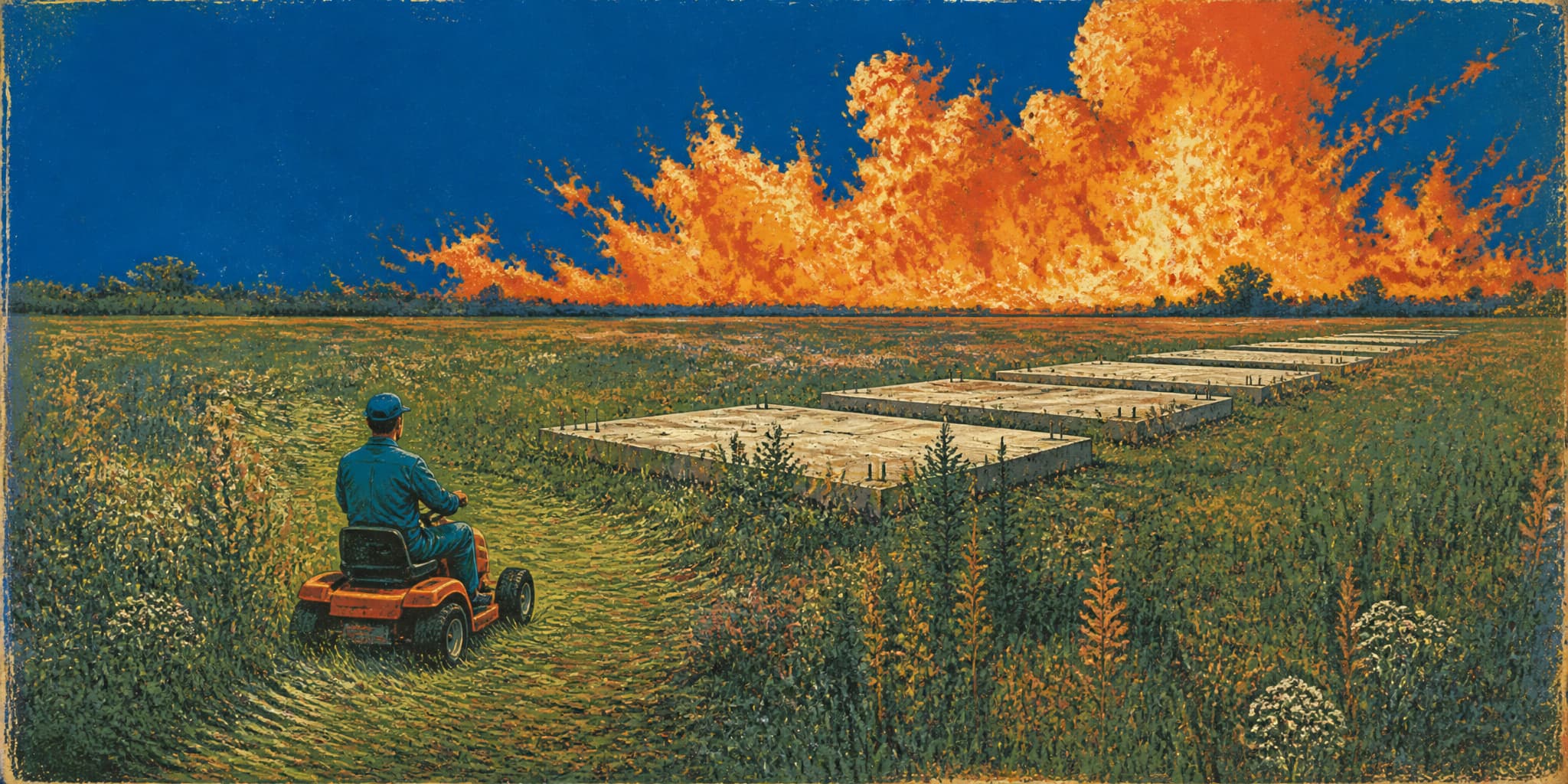
In 1857, an Army officer crossed southern New Mexico's Jornada Basin and described luxuriant grass. By 1998, grass was the primary species on less than 1% of the same ground. The change took a century and a half and arrived in no single season, and what it left behind looks complete — creosote smelling extraordinary after rain, mesquite dunes sculptural in late light. Anyone born there today would experience it as home. One of the longest research records in American rangeland science says the land has forgotten what it lost. Somebody has to keep walking the transects to hold the difference.
We Wouldn't Have Known
In 1857, an Army officer crossed southern New Mexico's Jornada Basin and described luxuriant grass. By 1998, grass was the primary species on less than 1% of the same ground. The change took a century and a half and arrived in no single season, and what it left behind looks complete — creosote smelling extraordinary after rain, mesquite dunes sculptural in late light. Anyone born there today would experience it as home. One of the longest research records in American rangeland science says the land has forgotten what it lost. Somebody has to keep walking the transects to hold the difference.
What We Tell the Kids
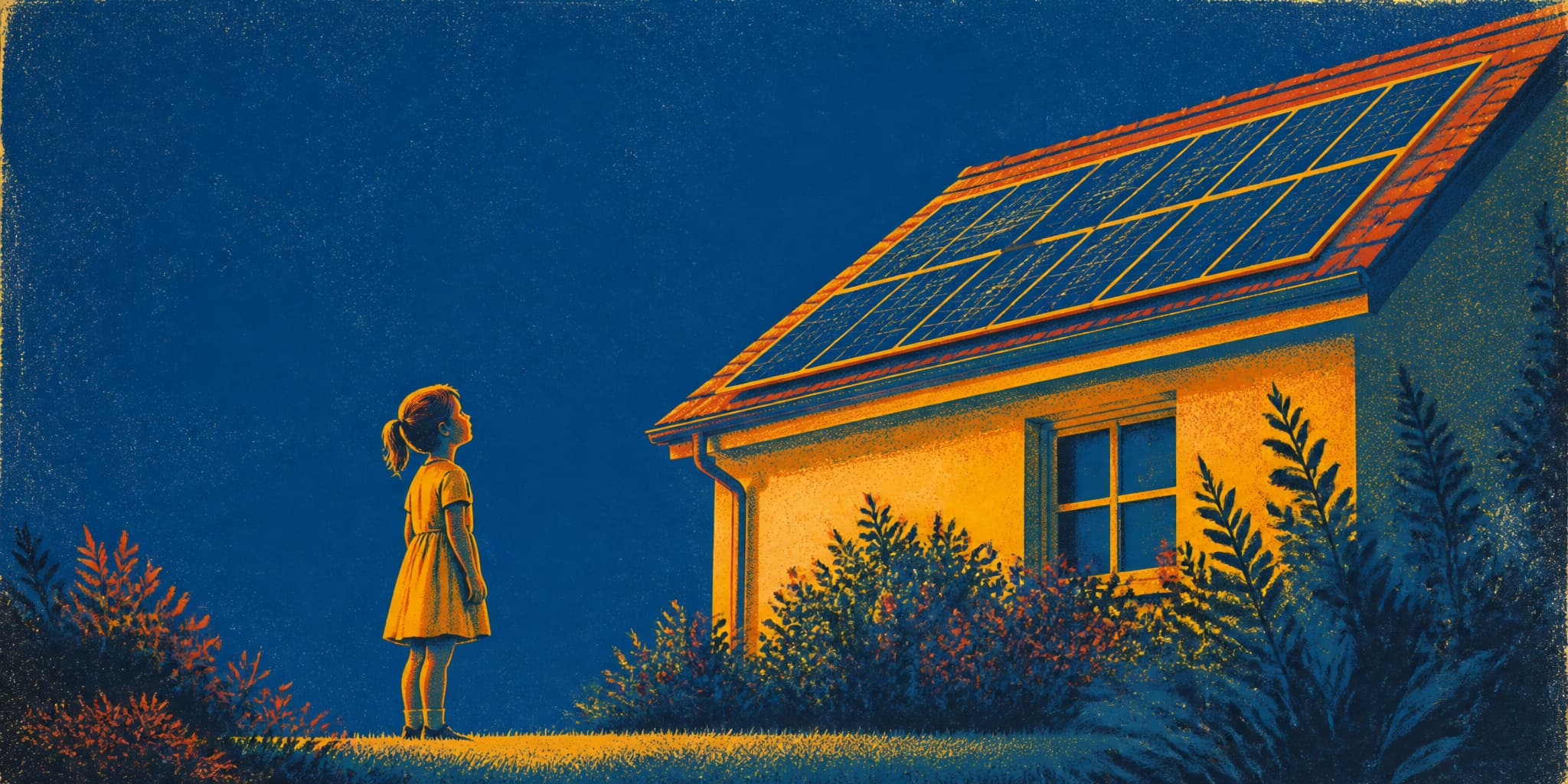
Forty-six percent of parents say they haven't talked to their children about climate change. But in household after household the actions are already visible: solar panels on the roof, evacuation bags by the door. The explanation isn't. A reported piece on what adults say, don't say, and improvise when a child asks why the sky looks weird, drawing on family accounts from wildfires, an eroding Alaskan village, and classrooms where the textbook pages have been removed but the state standards remain.
What We Tell the Kids
Forty-six percent of parents say they haven't talked to their children about climate change. But in household after household the actions are already visible: solar panels on the roof, evacuation bags by the door. The explanation isn't. A reported piece on what adults say, don't say, and improvise when a child asks why the sky looks weird, drawing on family accounts from wildfires, an eroding Alaskan village, and classrooms where the textbook pages have been removed but the state standards remain.

Observed Shifts
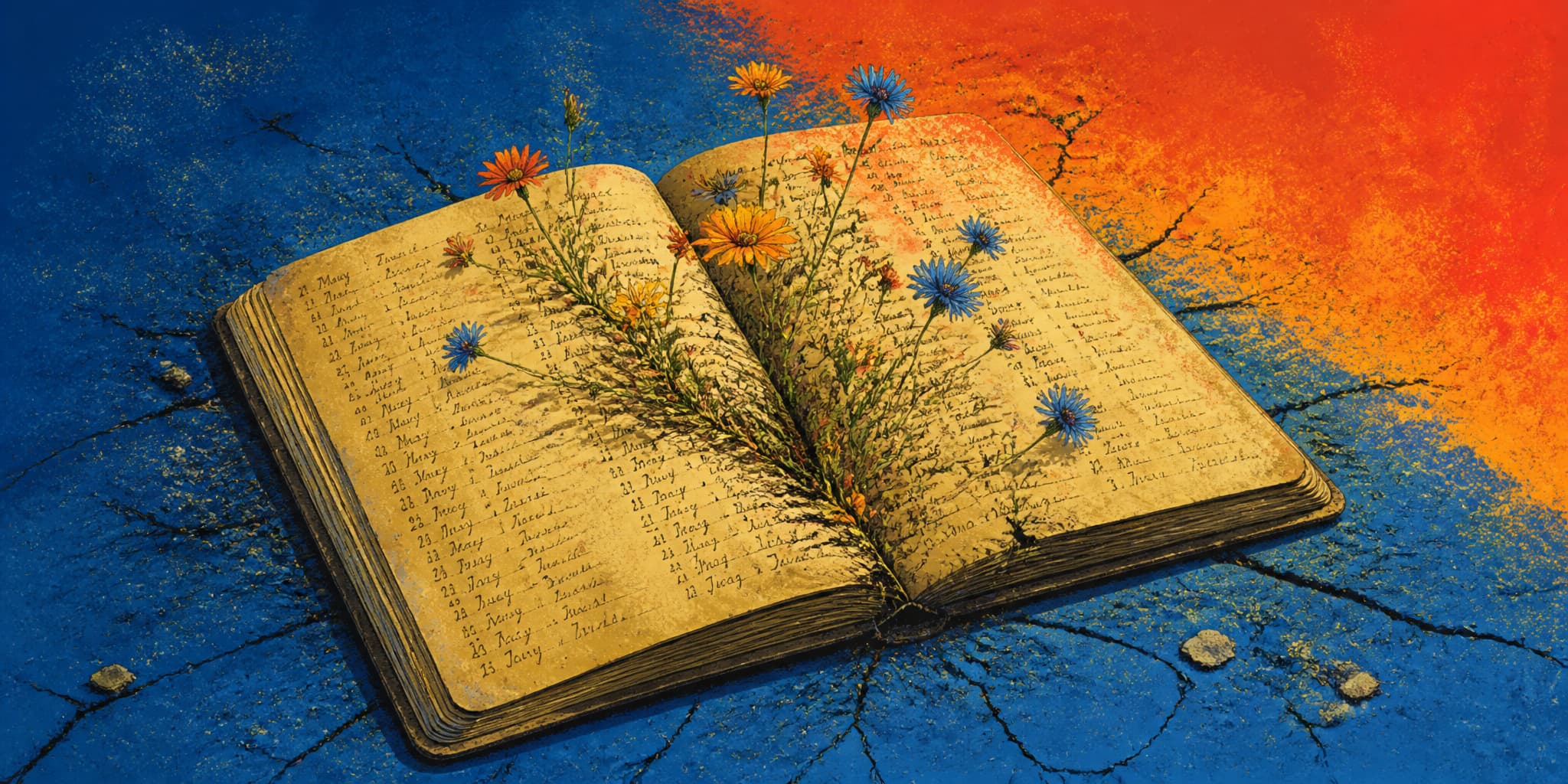
Here's something I keep thinking about: Thoreau spent seven springs walking the woods around Concord, Massachusetts, writing down when more than 300 species first bloomed. He was curious. That's it. He wanted to know what was happening in the place where he lived.
Over a century later, biologist Richard Primack retraced those routes and found that 43 common wildflowers now bloom an average of 10 days earlier. Some shifted three weeks. Of 21 orchid species Thoreau found, roughly six remain — the ones that couldn't track the warming vanished.
A Wisconsin ice business tracked Lake Mendota's freeze and thaw starting in 1855. The Park Service logged D.C. cherry blossom peaks from 1921. The USA National Phenology Network now holds over 40 million observations, many from volunteers noting what blooms in their yards.
What gets me is the accidental nature of it. People recording the ordinary rhythms of where they lived, year after year, with no idea they were assembling climate evidence. Their attention outlasted them. And now we can read it.