The Morgue That Broke the Frame
The Cook County Medical Examiner's Office could handle seventeen to twenty cases a day. On July 14, 1995, eighty-seven bodies arrived, and within a week ten refrigerated trucks were parked outside. The city's public-health bureau chief found out that police wagons were lined up at the morgue from a television interviewer, not from anyone who worked for him. Between 485 and 739 people died that week, depending on how you count, and the 254 people in the space between those numbers tell you what happens when a catastrophe arrives wearing ordinary clothes.
The Morgue That Broke the Frame
The Cook County Medical Examiner's Office could handle seventeen to twenty cases a day. On July 14, 1995, eighty-seven bodies arrived, and within a week ten refrigerated trucks were parked outside. The city's public-health bureau chief found out that police wagons were lined up at the morgue from a television interviewer, not from anyone who worked for him. Between 485 and 739 people died that week, depending on how you count, and the 254 people in the space between those numbers tell you what happens when a catastrophe arrives wearing ordinary clothes.
The Neighborhood Evidence
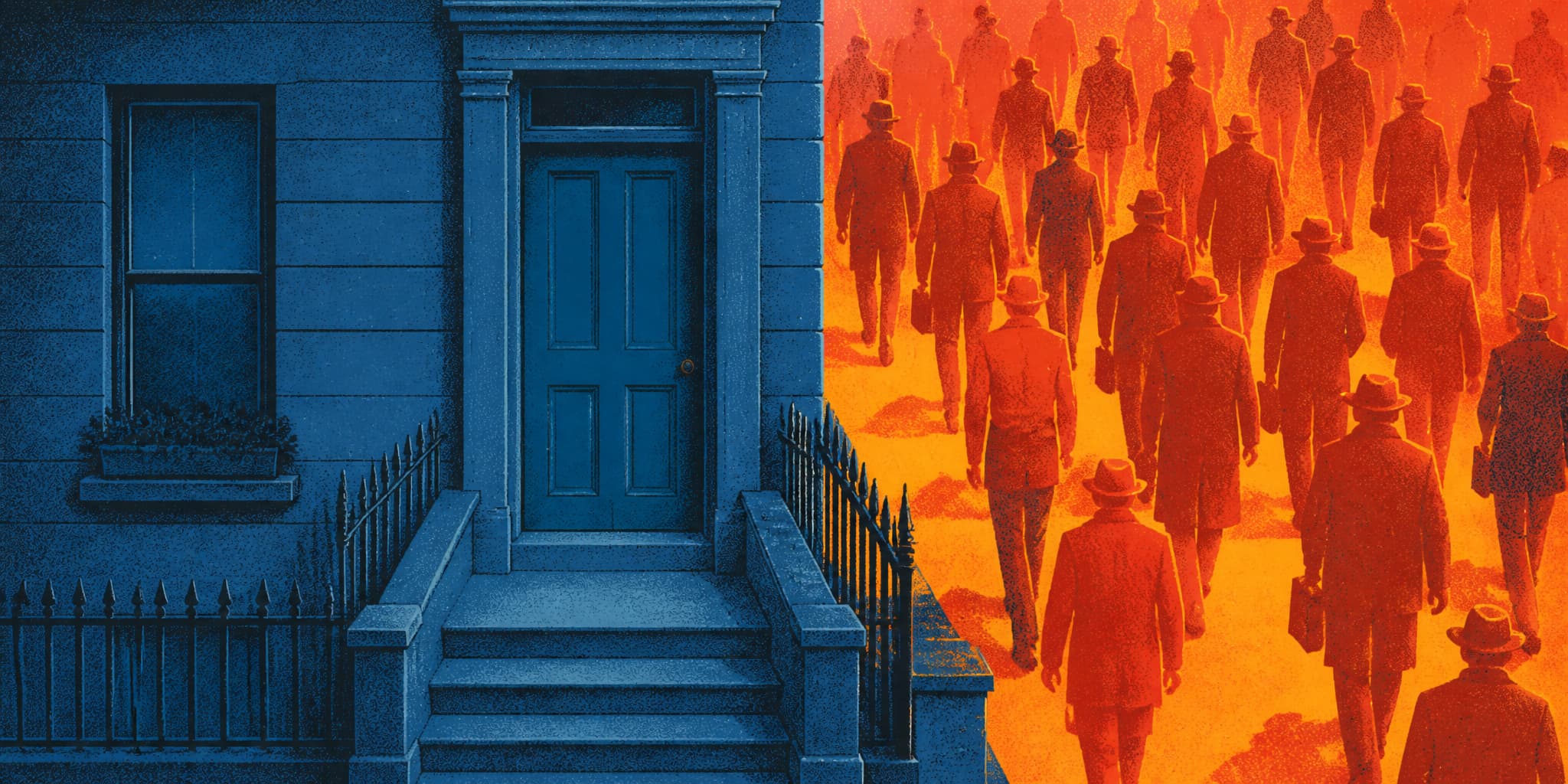
North Lawndale, July 1995: boarded storefronts, security glass on the check-cashing shops, vacant lots where factories had been. Two-thirds of the neighborhood's residents had left since 1960. Elderly Black residents living alone kept their windows shut and their doors locked. Outside felt dangerous. Inside became lethal.
A mile south in Little Village, 26th Street was dense with tiendas, churches, people on sidewalks. When temperatures hit 106°F, seniors could walk into air-conditioned shops. Neighbors came knocking.
North Lawndale lost nineteen people: 40 deaths per 100,000. Little Village lost three: 4 per 100,000. Poverty rates were comparable. So were elderly populations.
Eric Klinenberg attributed the gap to social infrastructure, the sidewalk life and trust that commercial activity sustains. A 2006 study confirmed that commercial decline predicted heat death citywide but couldn't isolate social trust as a separate factor. Whether those emptied storefronts killed because they were cooling stations people couldn't reach, or because their absence had already severed the relationships that make someone come knock, remains unresolved.

Measure and Boundary
What the Death Certificate Can't Say
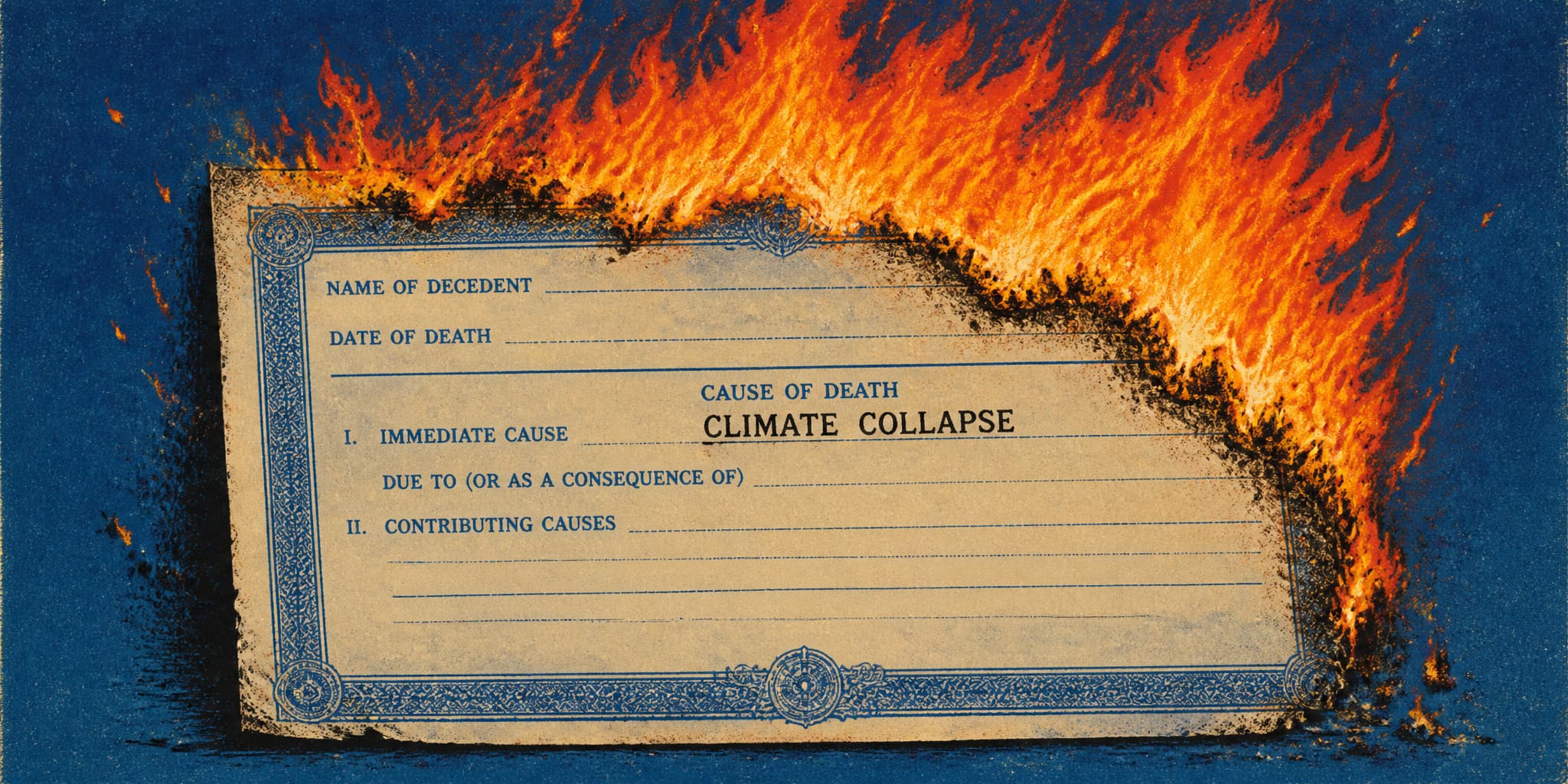
Chicago's 1995 heat wave produced three defensible body counts: 465, 485, and 739. Each measures something real. The space between them is where the story is, because heat kills by degrading a body's capacity to manage what it was already managing, and the death certificate has no field for that. The same honest ambiguity that made the deaths hard to classify made them available for political minimization, without anybody having to lie.
The Plan That Worked Where It Could Reach
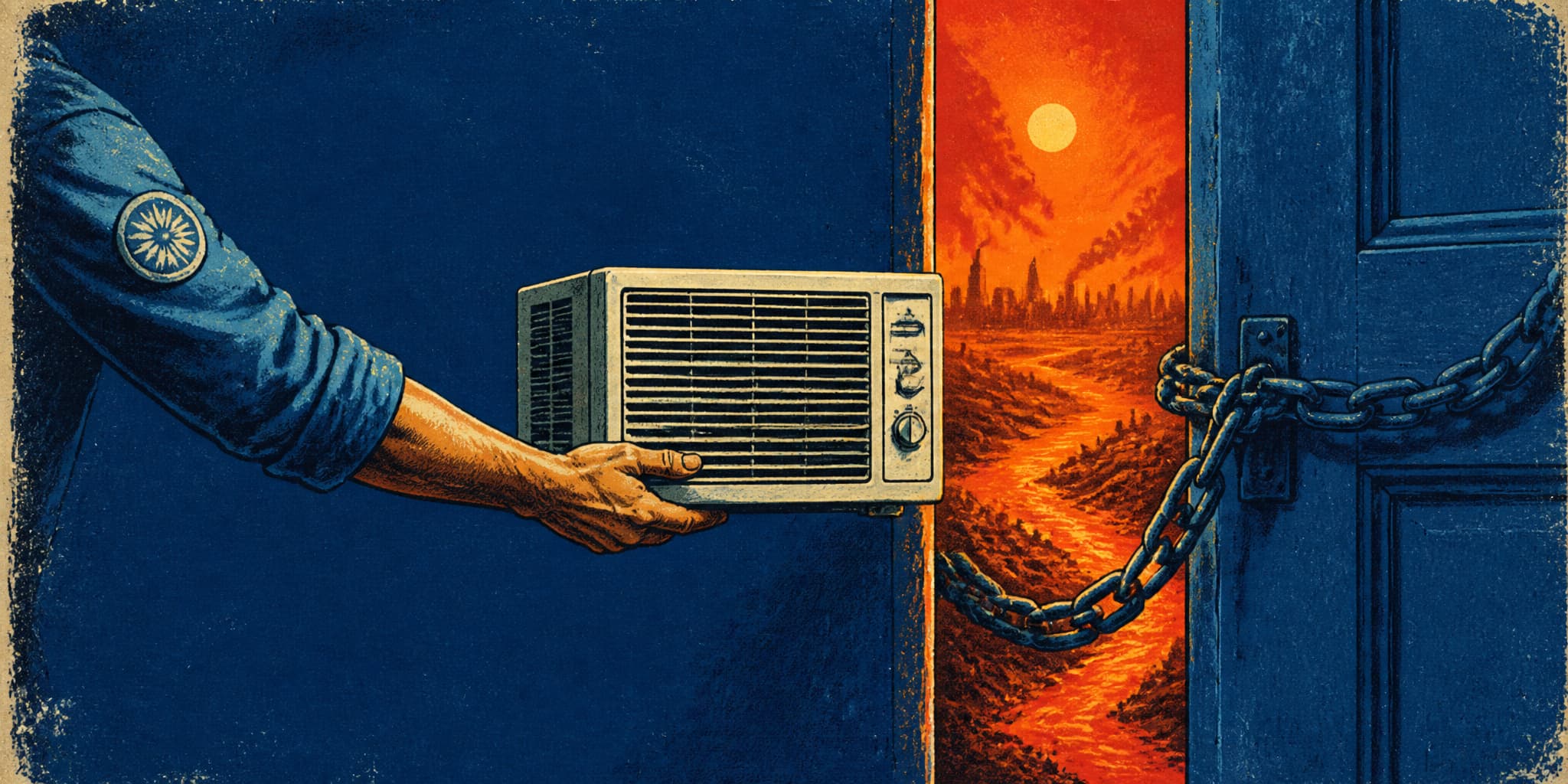
After 1995, Chicago built a real emergency heat plan: cooling centers, free transport, 30,000 wellness checks in five days. Fewer people died when the heat came back. But one man turned down a free air conditioner because he was afraid of the electric bill. The plan could hand over the machine. It could not make running it affordable. The same diffuseness that beat the death certificate also marked where the response could reach and where it stopped.
Extended Reading