How New Orleans Drained Its Way Below Sea Level
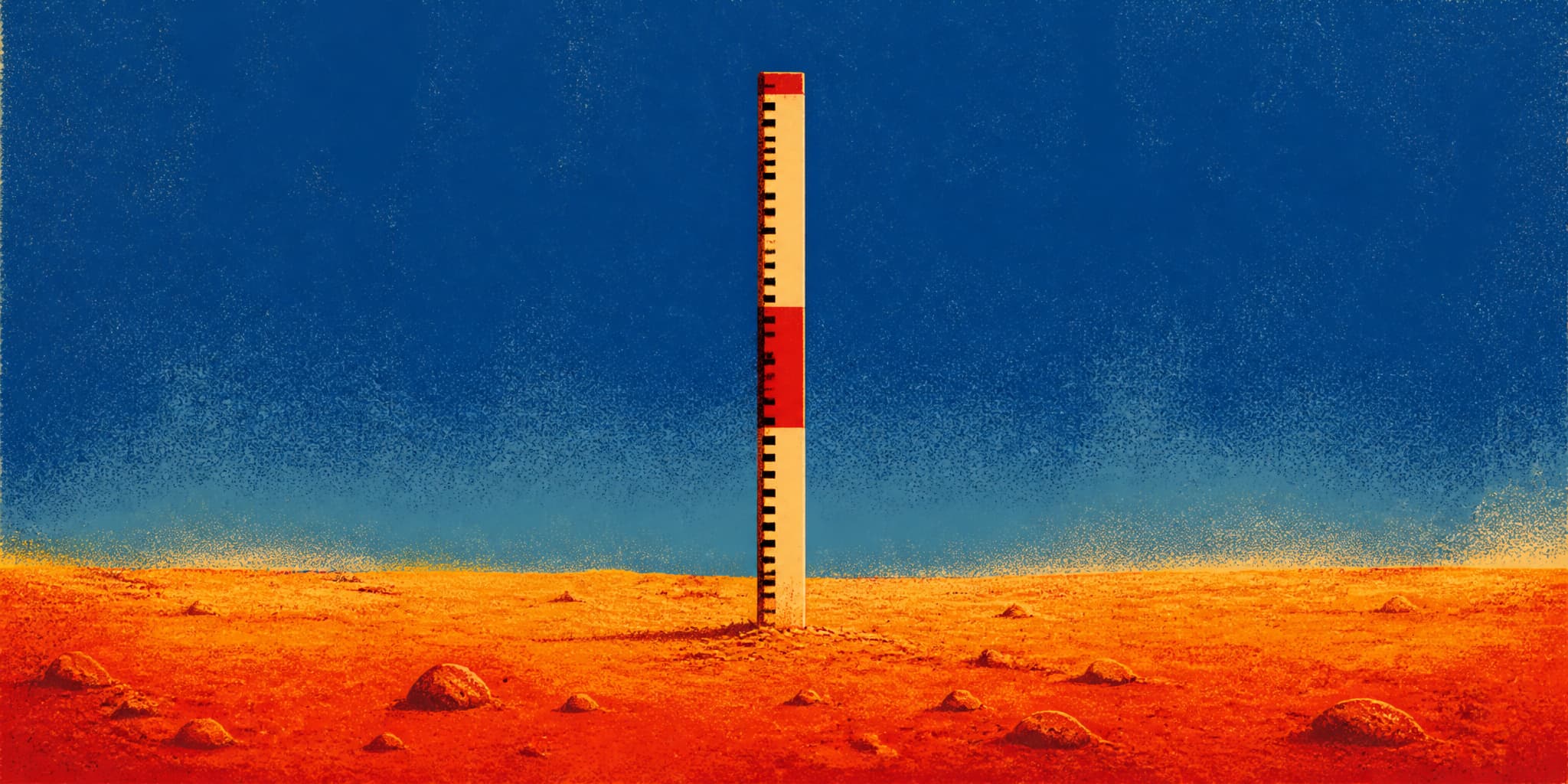
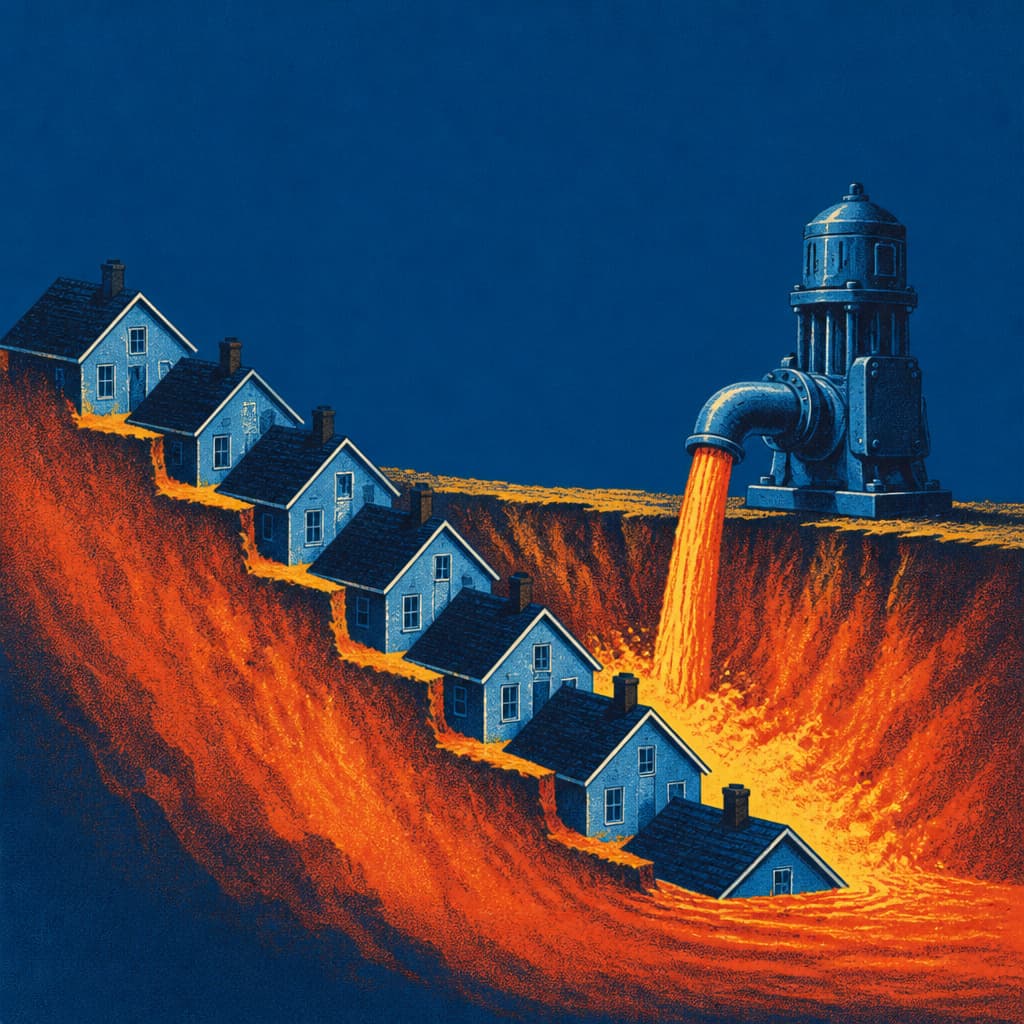
Yellow fever killed nearly eight thousand people in New Orleans in a single year. The city's answer, beginning in the 1890s, was to drain the back swamp that bred the mosquitoes and blocked its growth. The system worked — it opened territory, improved sanitation, helped end the epidemics. It also dewatered the peat under the city, and drained peat oxidizes into carbon dioxide and leaves. The ground comes down, and the lost elevation cannot be rebuilt. Roughly 60% of New Orleans now sits below sea level, kept dry by 120 pumps that can never stop.
How New Orleans Drained Its Way Below Sea Level
Yellow fever killed nearly eight thousand people in New Orleans in a single year. The city's answer, beginning in the 1890s, was to drain the back swamp that bred the mosquitoes and blocked its growth. The system worked — it opened territory, improved sanitation, helped end the epidemics. It also dewatered the peat under the city, and drained peat oxidizes into carbon dioxide and leaves. The ground comes down, and the lost elevation cannot be rebuilt. Roughly 60% of New Orleans now sits below sea level, kept dry by 120 pumps that can never stop.
The Enabling Tool
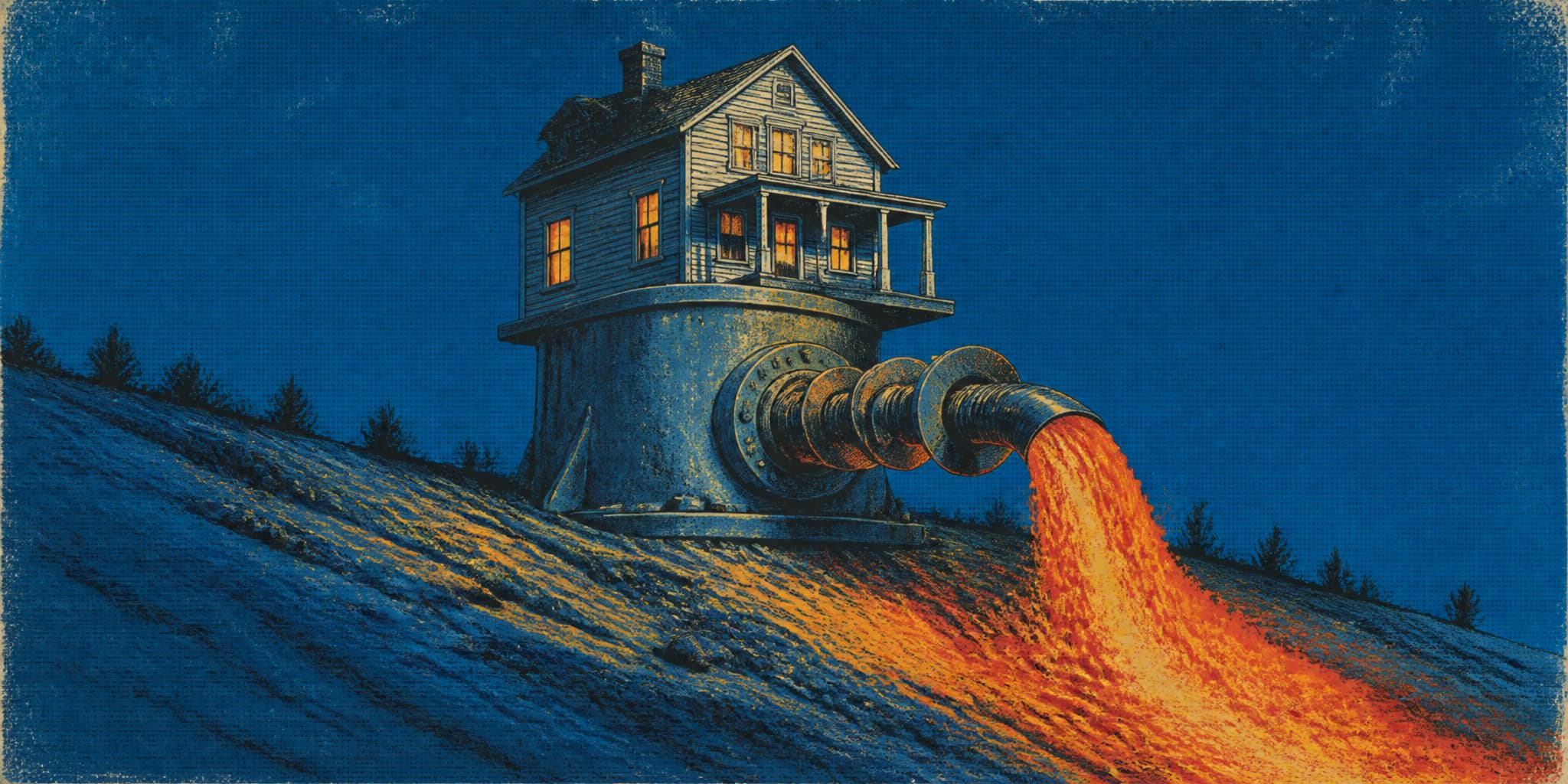
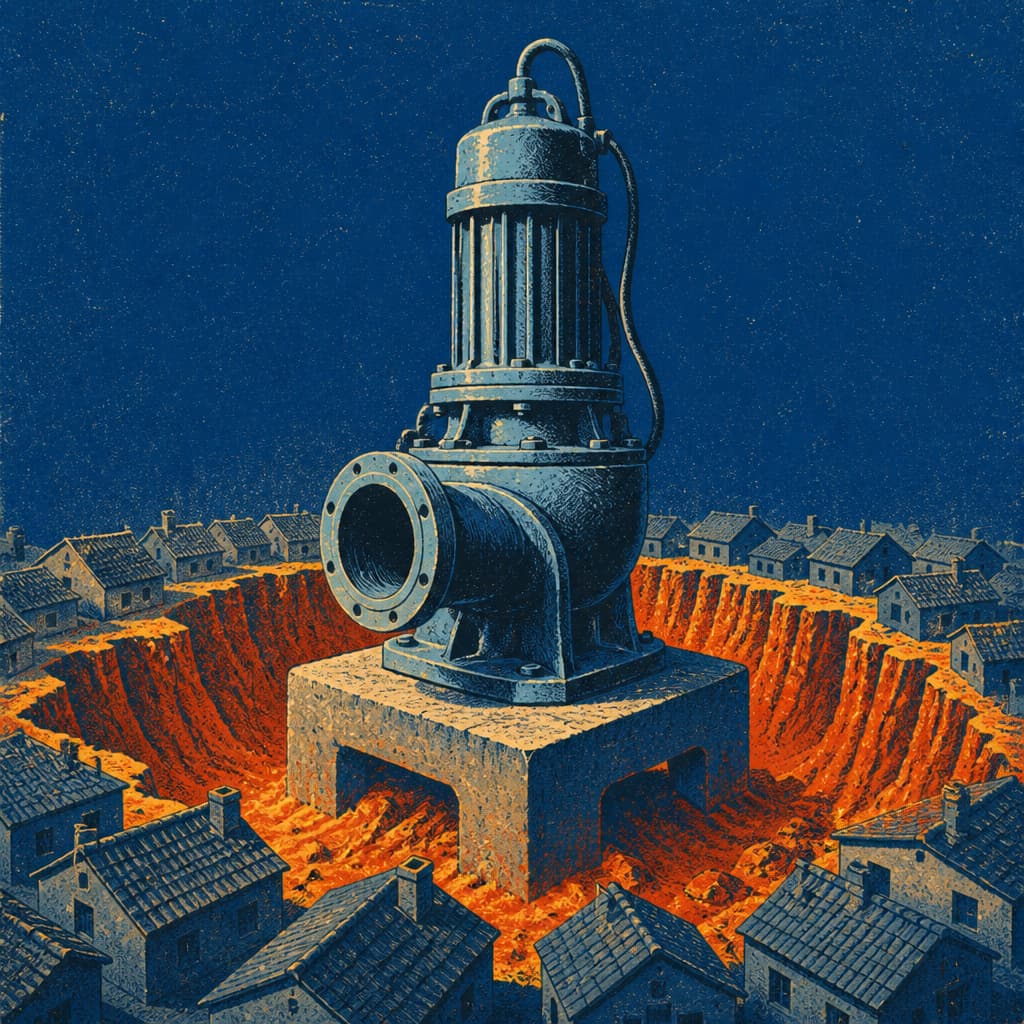
A. Baldwin Wood was twenty years old when he joined the New Orleans Sewerage and Water Board in 1899, and he spent his whole career there. In 1913 he patented a screw pump that could move a million gallons every five minutes and pass debris up to a foot across. Previous pumps seized when storms washed trash into the canals. Wood's kept turning.
By 1915, four twelve-foot pumps were draining the backswamp, and New Orleans began spreading from its old crescent along the Mississippi all the way to Lake Pontchartrain. Broadmoor, Gentilly, Lakeview — whole neighborhoods went up on former marsh that had sat roughly above sea level.
Drained organic soil dries out, decays, and compacts. More than half the city now sits below sea level. Lakeview and Gentilly dropped six to eight feet. And once people built homes on that sinking ground, the pumps could never be turned off. Geographer Richard Campanella called it "the sinking of the land by human action." The land can no longer shed water on its own. It needs the machine that ruined it.

Cascade and Parallel

Who Settled the Lowest Ground
In 1900, nine out of ten New Orleanians lived above sea level. By 1960, half the city occupied drained swampland that was already sinking underneath it. The pumps made that land buildable. Deed covenants, FHA appraisal rules, and segregated housing projects sorted out who could move onto it and when. When Katrina's water came, 76 percent of the people in flooded areas were Black. The drainage system did what it was built to do; everything around it decided who was standing on the results.
Two Estuaries at the End of the Canal
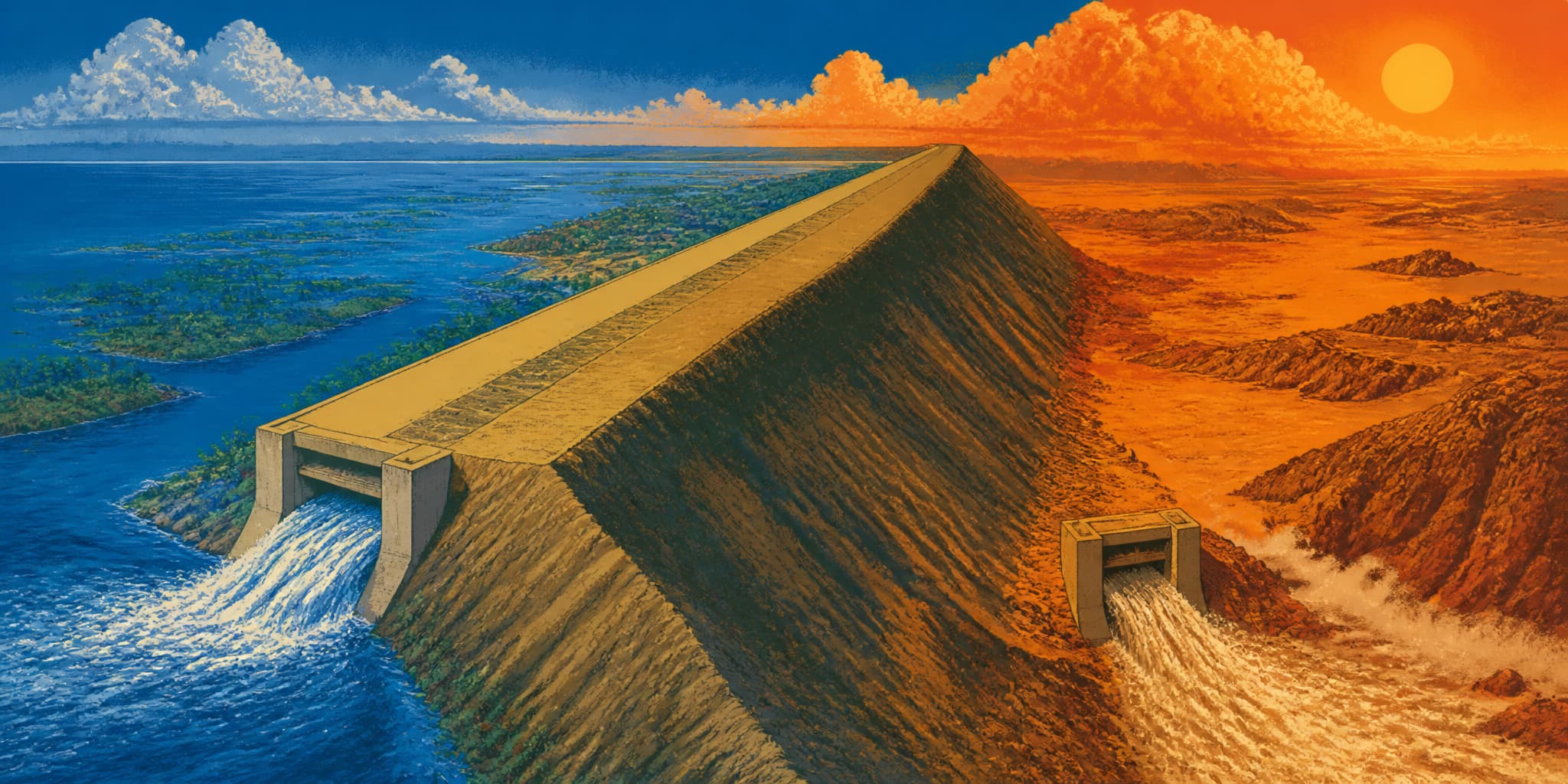
The canals that drain South Florida's farmland and take pressure off the aging dike around Lake Okeechobee have to put the water somewhere. They put it in Stuart and Fort Myers, in tidal estuaries where people fish for a living and where the waterfront houses were bought on the assumption that the river would stay a river. In bad years the discharge carries cyanobacteria thick enough to close the water to contact. The drainage system is doing what it was built to do, and the cost falls on the estuaries.
Reading List