Joyce Craven's One Cool Room

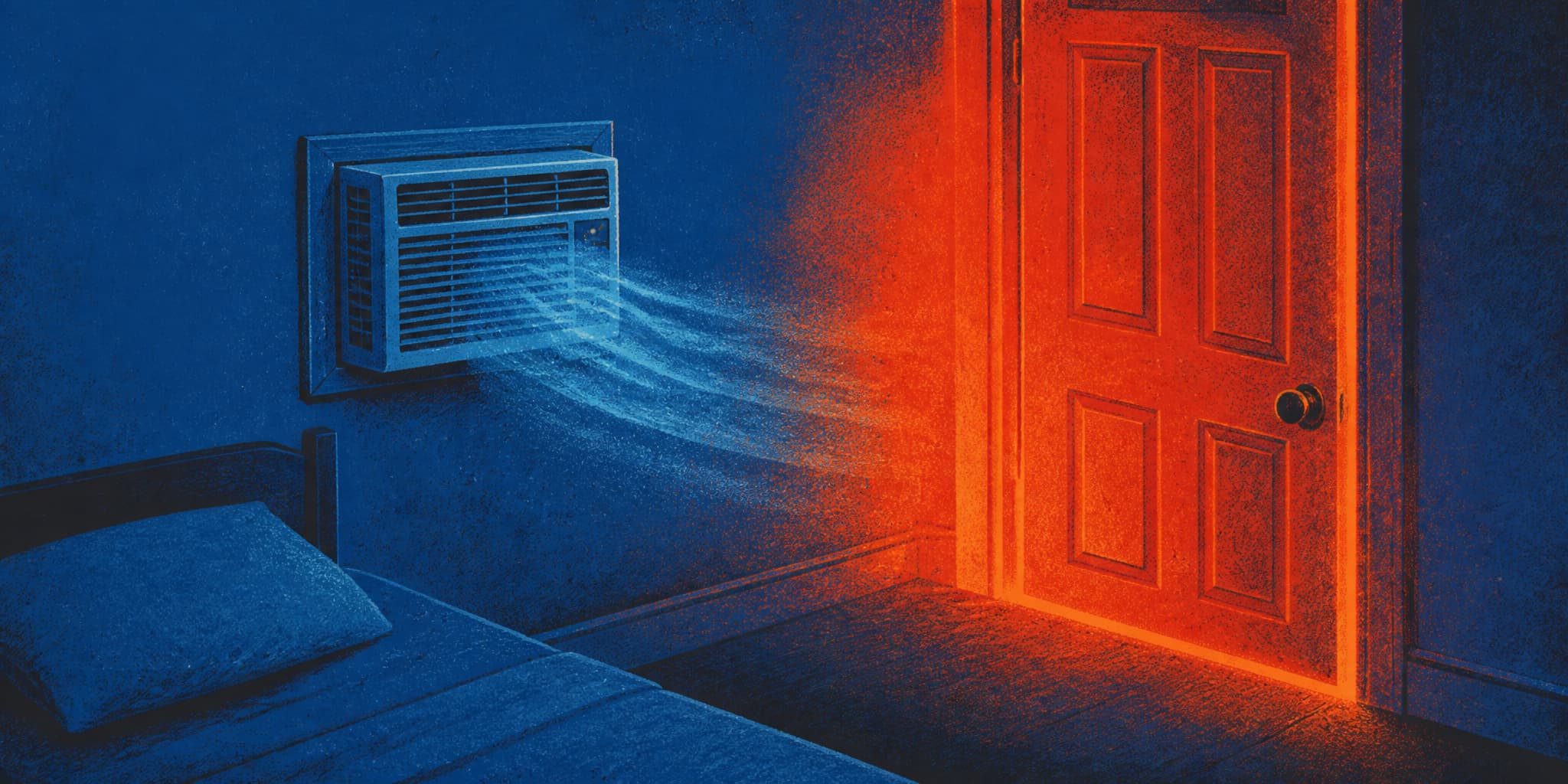
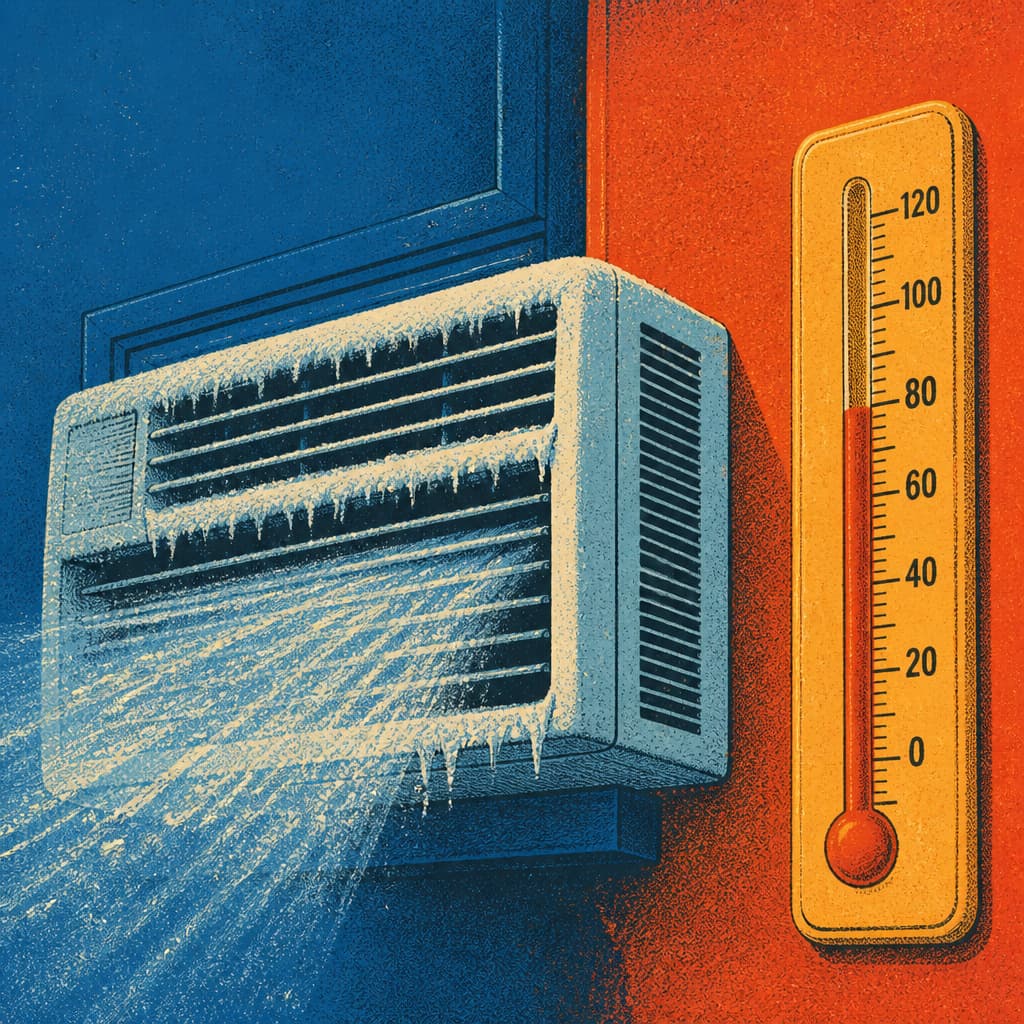
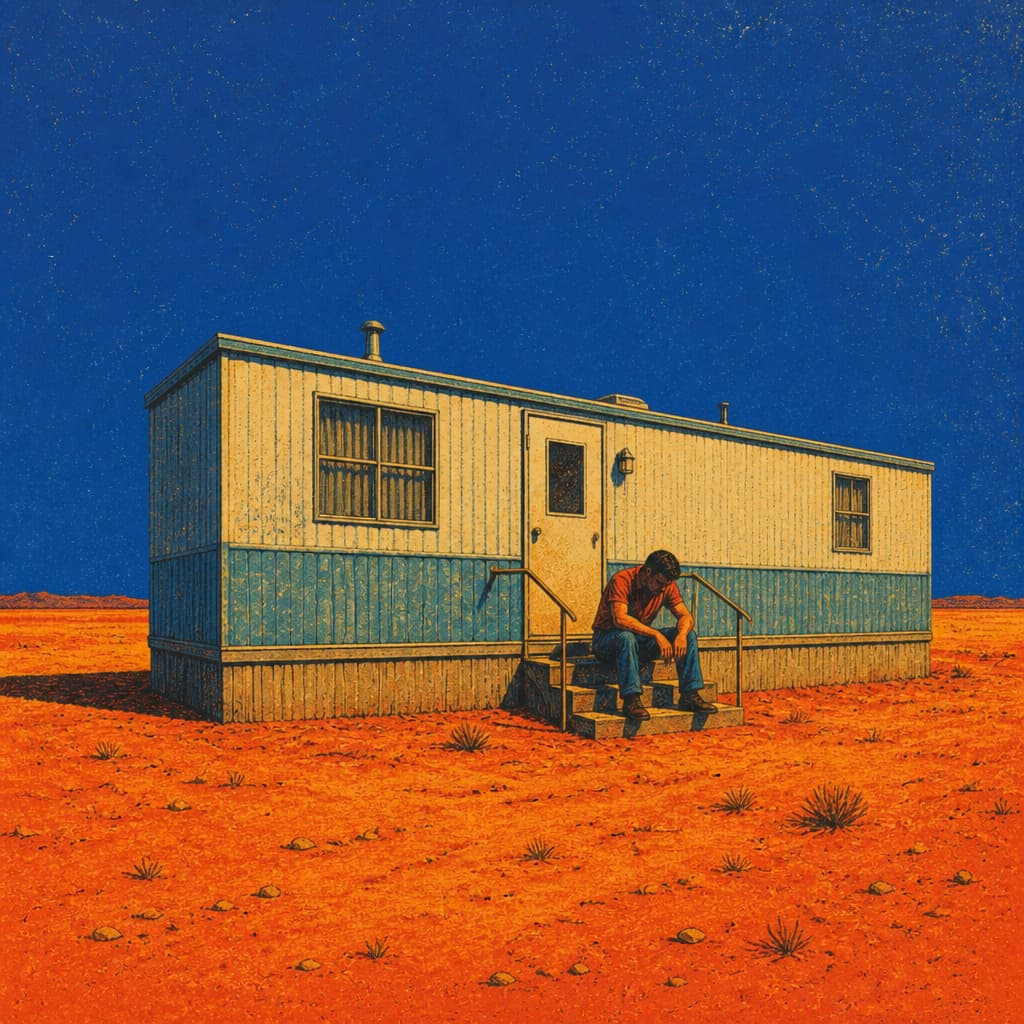
Joyce Craven owns a manufactured home in a North Phoenix mobile home park. She does not own the ground under it. Arizona law guarantees her the right to install cooling equipment, and she has one window unit, in the bedroom. By mid-morning in May, that's the only room in the house holding a livable temperature. A Red Cross team came through in early May and asked what she planned to do about summer. She pointed at the window unit and said she'd stick back there. The arithmetic behind that choice is the story.
Joyce Craven's One Cool Room
Joyce Craven owns a manufactured home in a North Phoenix mobile home park. She does not own the ground under it. Arizona law guarantees her the right to install cooling equipment, and she has one window unit, in the bedroom. By mid-morning in May, that's the only room in the house holding a livable temperature. A Red Cross team came through in early May and asked what she planned to do about summer. She pointed at the window unit and said she'd stick back there. The arithmetic behind that choice is the story.

A Weatherization Auditor Counts the Eight Gaps Between a Cooling Law and a Cool Home
CONTINUE READINGWhen Range Expands
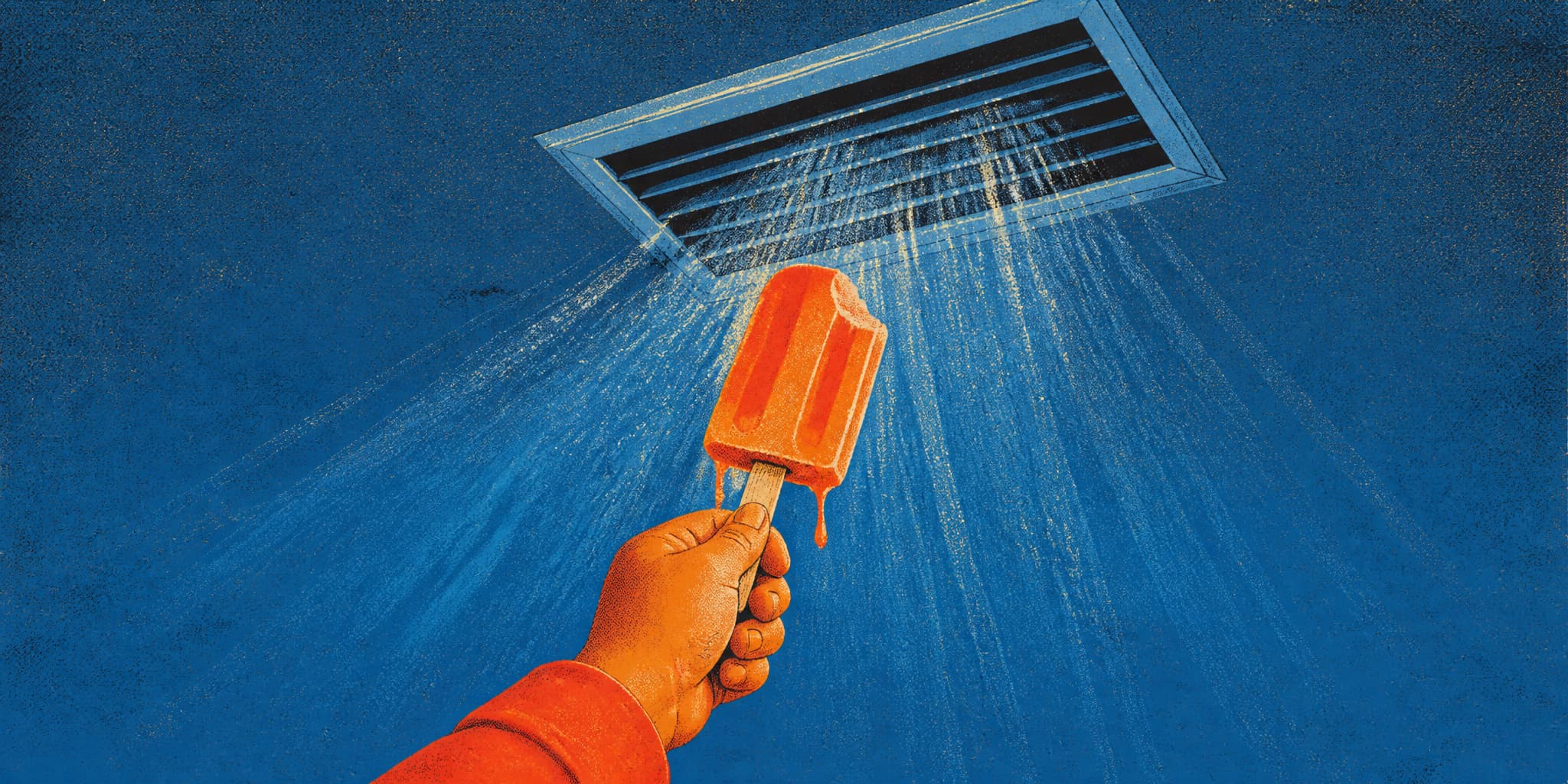
Paula Cerqueira-Goncalves ran a 121-year-old brick school two blocks from Logan Airport in East Boston for 38 years. On hot days, classrooms hit the high 80s. The building's wiring was too old for window AC units. Kids got popsicles that melted before they could eat them.
Getting air conditioning into a century-old school in a neighborhood where jets pass low enough to rattle windows required a $5.7 million city capital investment, a $1.5 million state grant, utility incentives, a full electrical rebuild, and HVAC crews working nights after students went home for months.
By Cerqueira-Goncalves's final year as principal, every classroom had heating, cooling, ventilation, and HEPA filtration. The building gained capacity it never had. "Seeing this project come to life during my final year," she said, "literally feels like a culmination of years of advocacy for our students, our staff and our families."
Across Boston Public Schools, 38 buildings had cooling in 2021. More than 100 do now. Roughly 100 facilities still burn fossil fuels, and more than half were built before World War II. Otis shows what expansion looks like when the whole chain connects. It also shows how many links that chain requires.
Lost Room, Whole House

Two Homes, One Question: The Room on Winston Drive
Bridget Perez's house in Spokane survived the August 2026 fires. She came home and swabbed her one-year-old's nursery windowsill. The lead test came back positive. Professional lab results haven't arrived. The emergency order authorizing hazardous-materials assessment covers fire-damaged properties, not undamaged ones. Her house survived too well for the programs that exist, and the family is funding its own displacement while a room they prepared for a baby sits waiting for an answer no institution is scheduled to provide.
Two Homes, One Question: The Chain That Held in Loxley
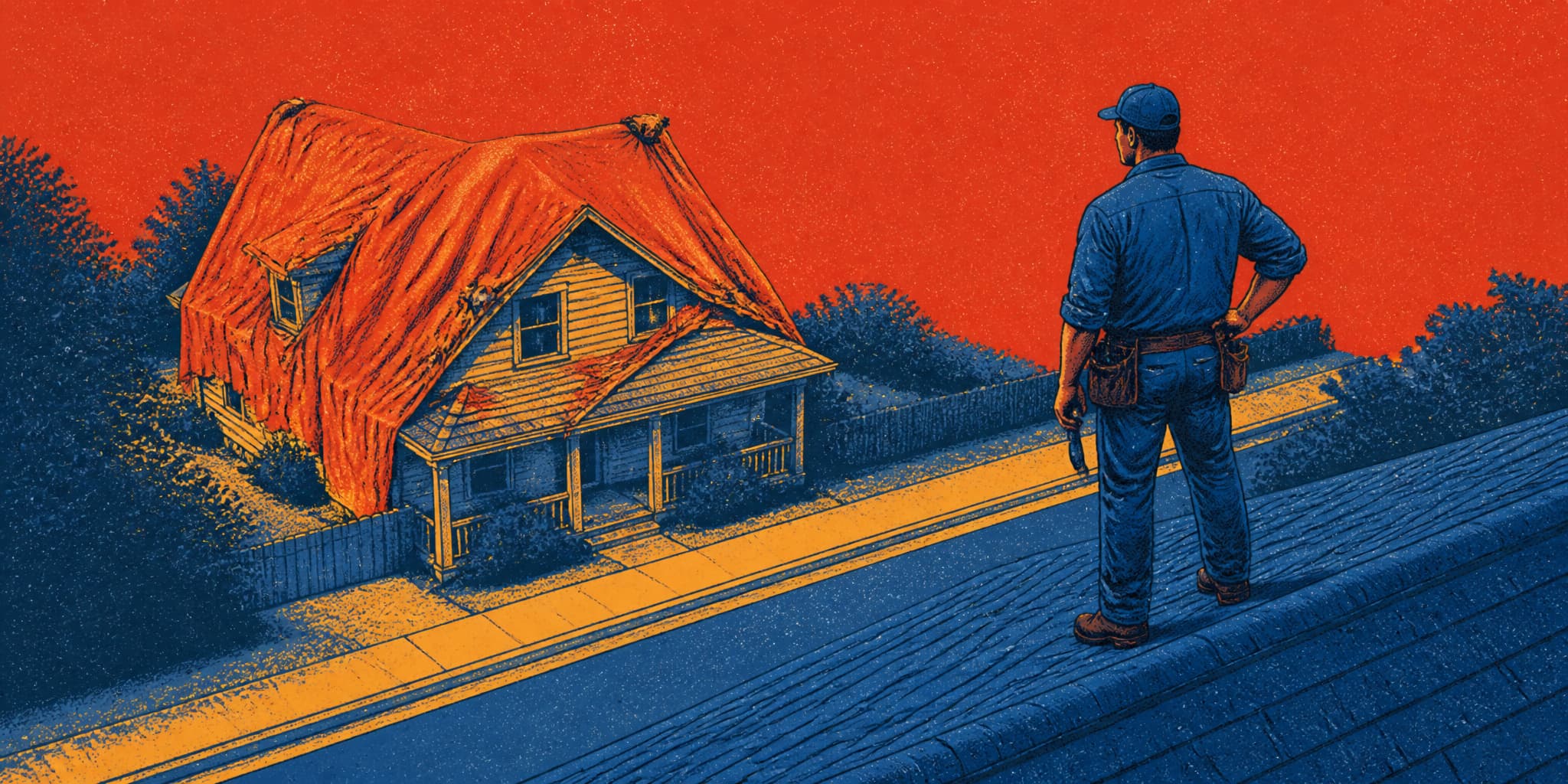
Karen Ellis's roof in Loxley, Alabama, held. A $10,000 state grant, 700-plus ring-shank nails, and a FORTIFIED certification kept her house whole through hurricane season. But the chain that produced that outcome — a funding portal that fills in eight minutes, a nonrefundable evaluator fee, a contractor pool with at least one member under criminal investigation — had enough links that any could have broken. Across the street when the crew was working, a house was still under a tarp.
Further Reading