San Diego County Approved Starlight Solar While Still Writing the Rules for It
San Diego County spent two years drafting a zoning ordinance for battery-energy storage. On September 16, before finishing it, supervisors unanimously approved one of the county's largest battery installations in an unincorporated community of 360 people. The project's biggest phase still has no buyer for its electricity, the promised community payments have been described in two incompatible dollar amounts, and the fire-services agreement commits money without saying what response capacity it buys. Boulevard residents showed up at every stage of the process the county offered them.
San Diego County Approved Starlight Solar While Still Writing the Rules for It
San Diego County spent two years drafting a zoning ordinance for battery-energy storage. On September 16, before finishing it, supervisors unanimously approved one of the county's largest battery installations in an unincorporated community of 360 people. The project's biggest phase still has no buyer for its electricity, the promised community payments have been described in two incompatible dollar amounts, and the fire-services agreement commits money without saying what response capacity it buys. Boulevard residents showed up at every stage of the process the county offered them.
Regulation Gap
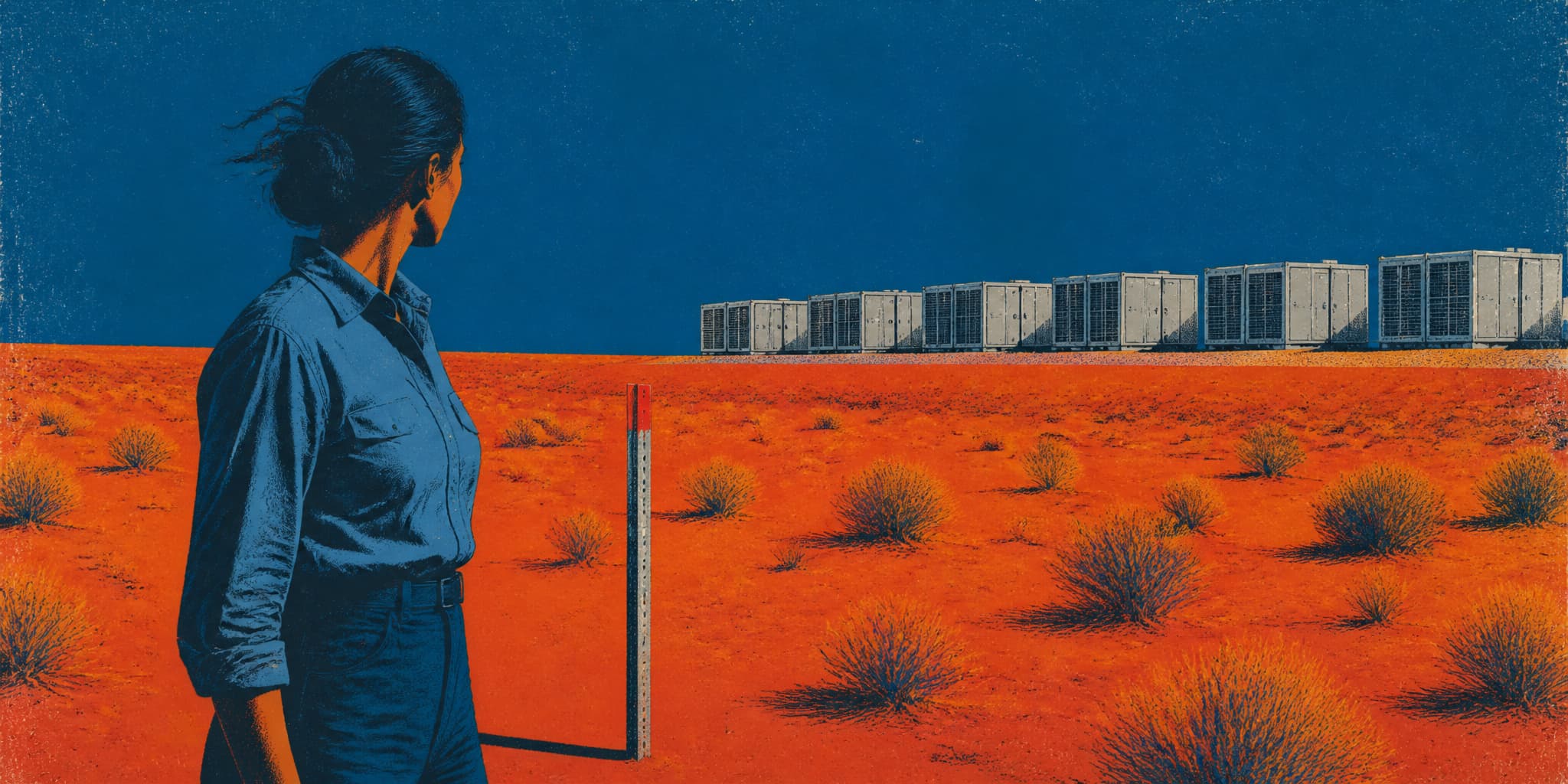
On September 16, the San Diego County Board of Supervisors unanimously approved a 588-acre solar and battery storage project in Boulevard, a backcountry community near the Mexican border. Eleven days from now, the county's comment period closes on its first-ever draft zoning ordinance for battery storage facilities. The ordinance applies only to future applications. Starlight Solar is grandfathered out.
So the county's biggest battery project was approved under the fire chief's discretionary guidelines, which require setbacks of 50 or 20 feet from property lines. The draft ordinance requires 100 feet. It would also restrict which land-use zones can host battery facilities. Starlight's conditions were negotiated project by project, with no countywide baseline in place.
Susan Fogle, a Boulevard resident, told the Board: "I am not against renewable energy. I am against the belief that rural communities should continually be asked to carry the burden of industrial development because we have something increasingly rare in California, and that's open land."