Bob Herber Replaced His Roof


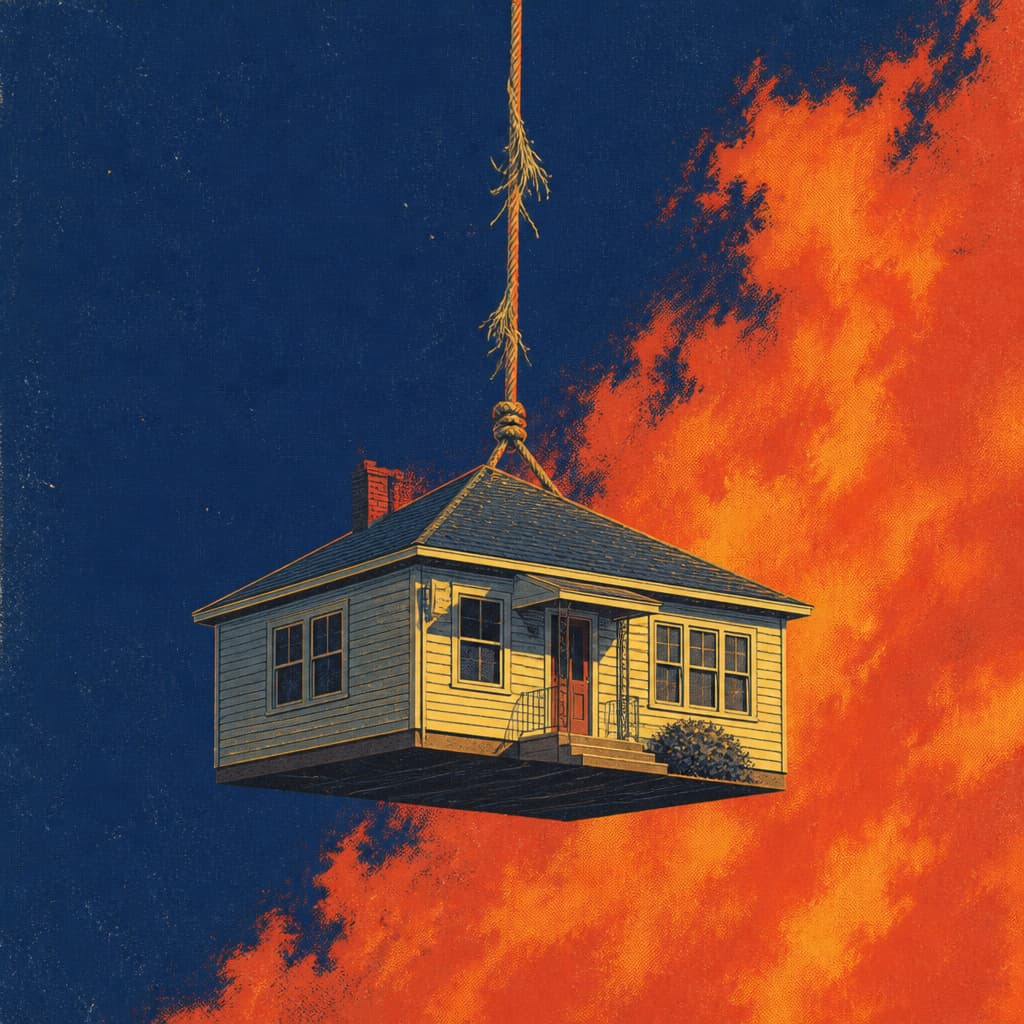
Bob Herber lives in Heber-Overgaard, Arizona, a ponderosa-pine community at 6,600 feet where six houses out of ten sit empty most of the year. When his insurer sent a nonrenewal notice in 2025, he replaced his roof, cleared his brush and started calling other companies. About half wouldn't quote him at all; the rest wanted five to ten times his old premium. His fire district carries a top-tier national rating and his town has spent two decades organizing itself around wildfire. He did what every brochure told him to do, and the full cost of that bargain is his alone to add up.
Bob Herber Replaced His Roof
Bob Herber lives in Heber-Overgaard, Arizona, a ponderosa-pine community at 6,600 feet where six houses out of ten sit empty most of the year. When his insurer sent a nonrenewal notice in 2025, he replaced his roof, cleared his brush and started calling other companies. About half wouldn't quote him at all; the rest wanted five to ten times his old premium. His fire district carries a top-tier national rating and his town has spent two decades organizing itself around wildfire. He did what every brochure told him to do, and the full cost of that bargain is his alone to add up.

The Mitigation Gap
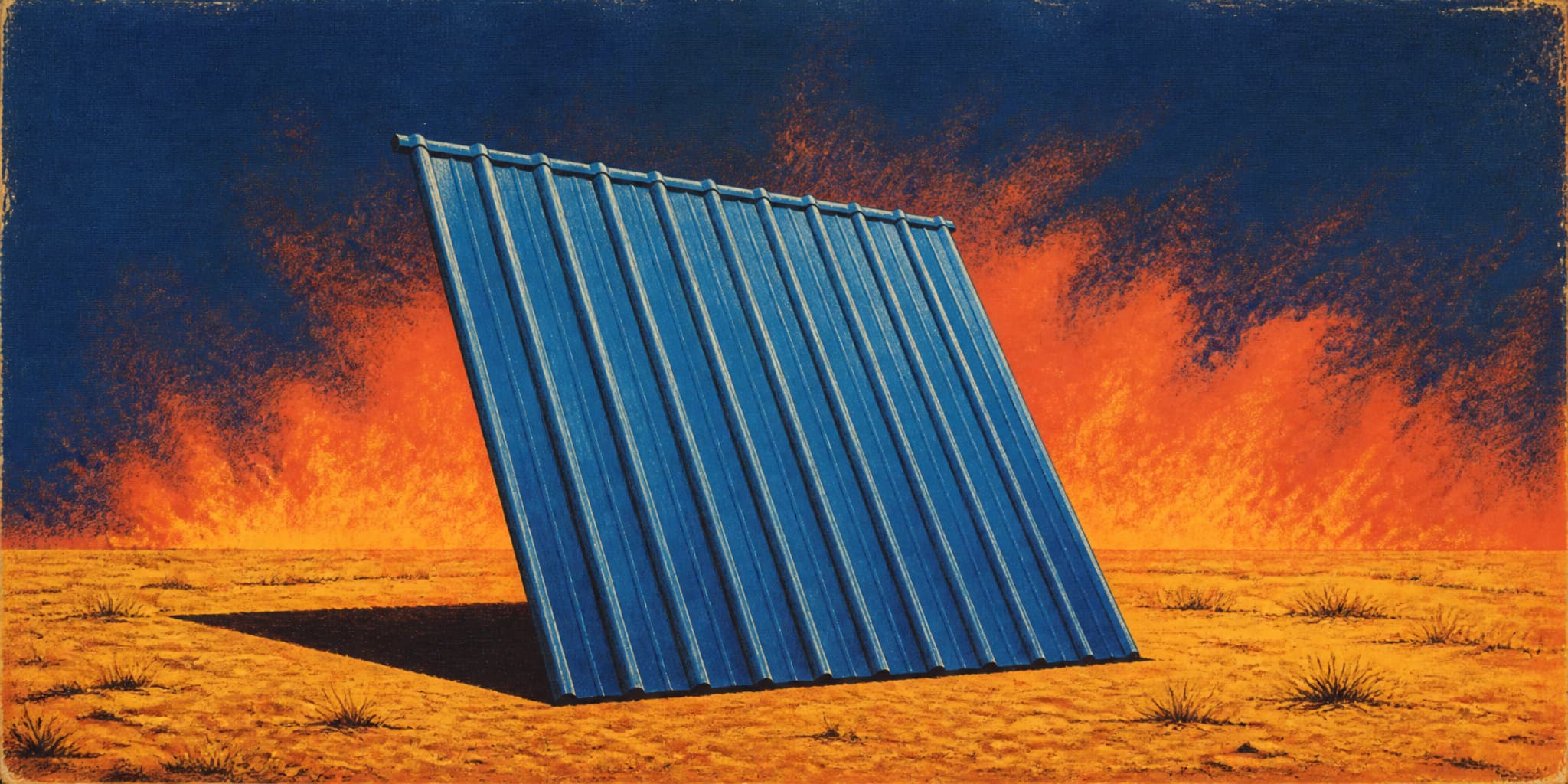
Robert Borucki carried homeowners insurance in Heber-Overgaard, Arizona, for over twenty years before his carrier dropped him. They suggested a metal roof might help. He spent roughly $10,000 on the installation, called back, and learned the company wasn't writing his area anymore.
His neighbor Bob Herber did the roof and the Firewise work both. Half the insurers he contacted wouldn't quote him. The rest wanted five to ten times his old premium. "That didn't seem to help much," he told FOX 10. "They're still no-bidding me."
A University of Arizona Extension analysis found that Navajo County hit Arizona's highest non-renewal rate in 2022 without large local fires in the preceding years. The study couldn't determine why individual policies were dropped. When a carrier exits a region based on portfolio exposure or catastrophe modeling, what any single homeowner does to their property may never enter the calculation.
Same Address, Different Bets

Two Versions of Staying
After back-to-back floods hit Vermont's Huntington River valley, some households took federal buyouts. The rest appear in municipal records under one heading: remaining residents. But on the same roads, one household fortified against the river and concluded the river would win anyway. Another crosses a foot-wide metal walkway every morning because replacing a $100,000 driveway bridge isn't possible. Both show up in the same flood zone and the same planning documents, but their reasons for still being there have almost nothing in common.
What Grows Where the Houses Were
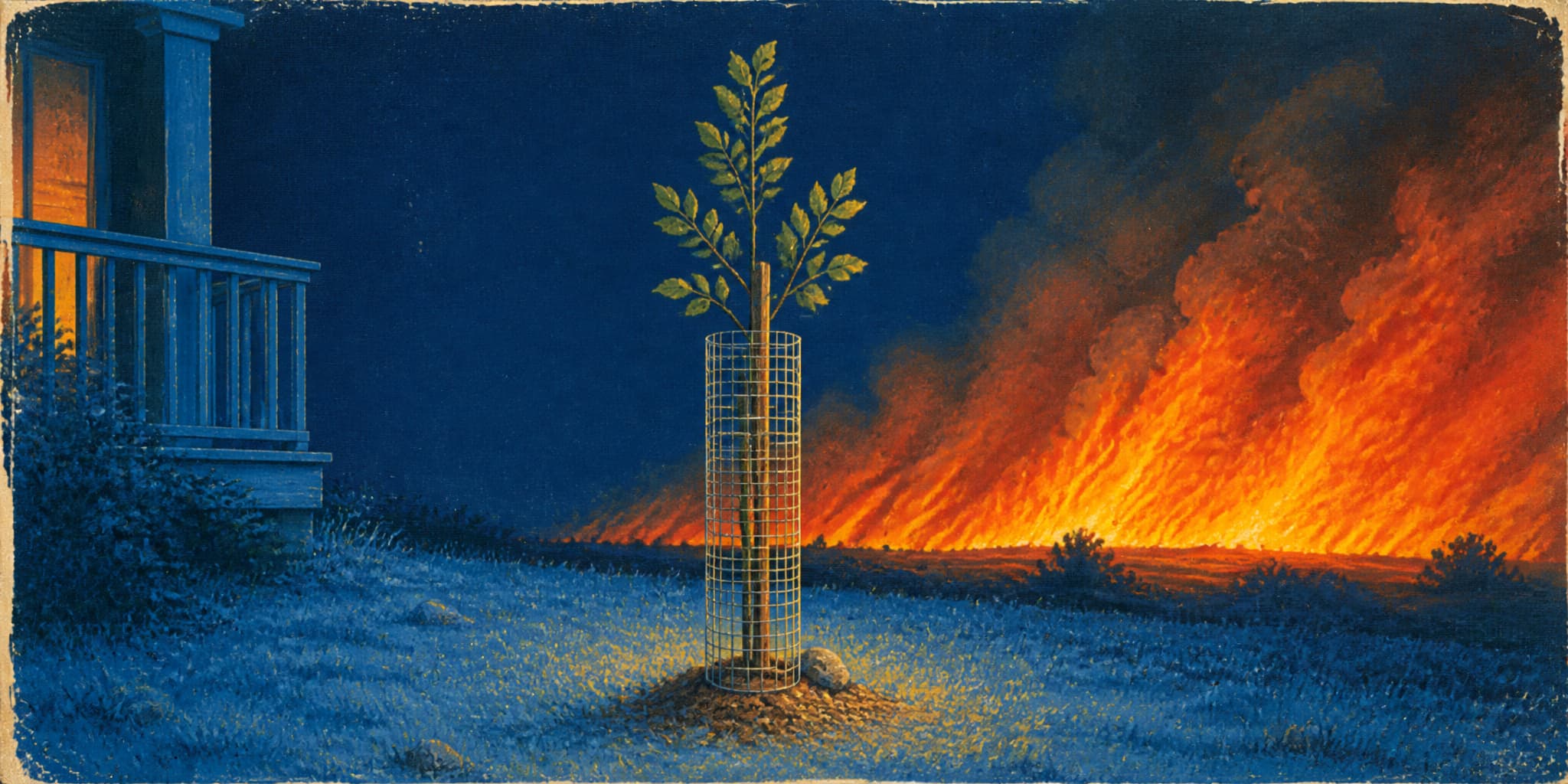
When a FEMA buyout closes on Huntington Acres, the house comes down and the land can never be built on again. Last year someone planted 400 trees where the demolished homes stood — ten thousand dollars, bare-root stock, willow stakes in protective tubes. The households still living on the road now sit beside a riparian buffer that exists because the government decided their neighbors' lots were too dangerous to inhabit. Their own lots, for now, are not.
The Wider Retreat