

Recent Activity
September — Issue #49

September — Issue #48
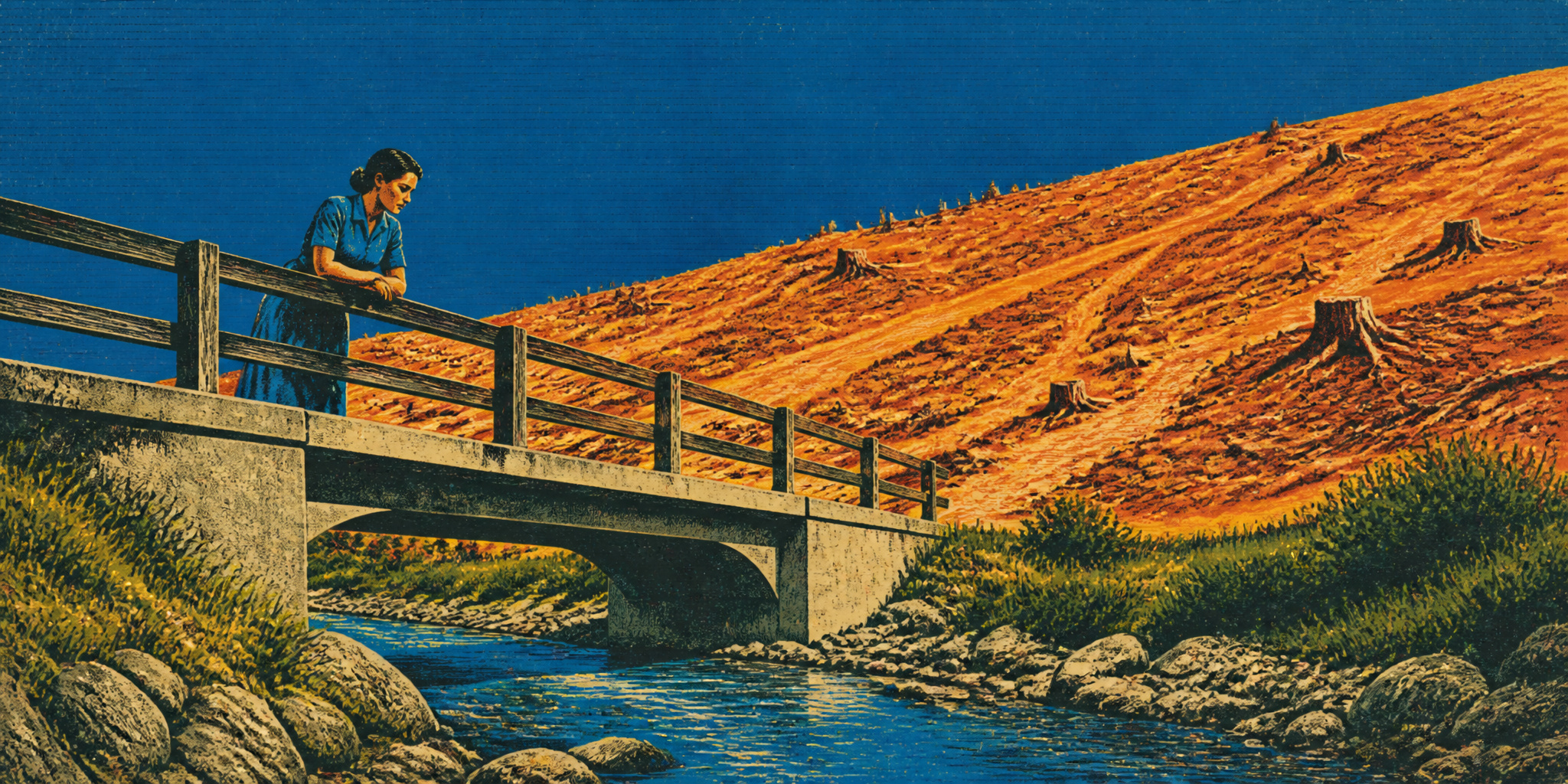
August — Issue #47

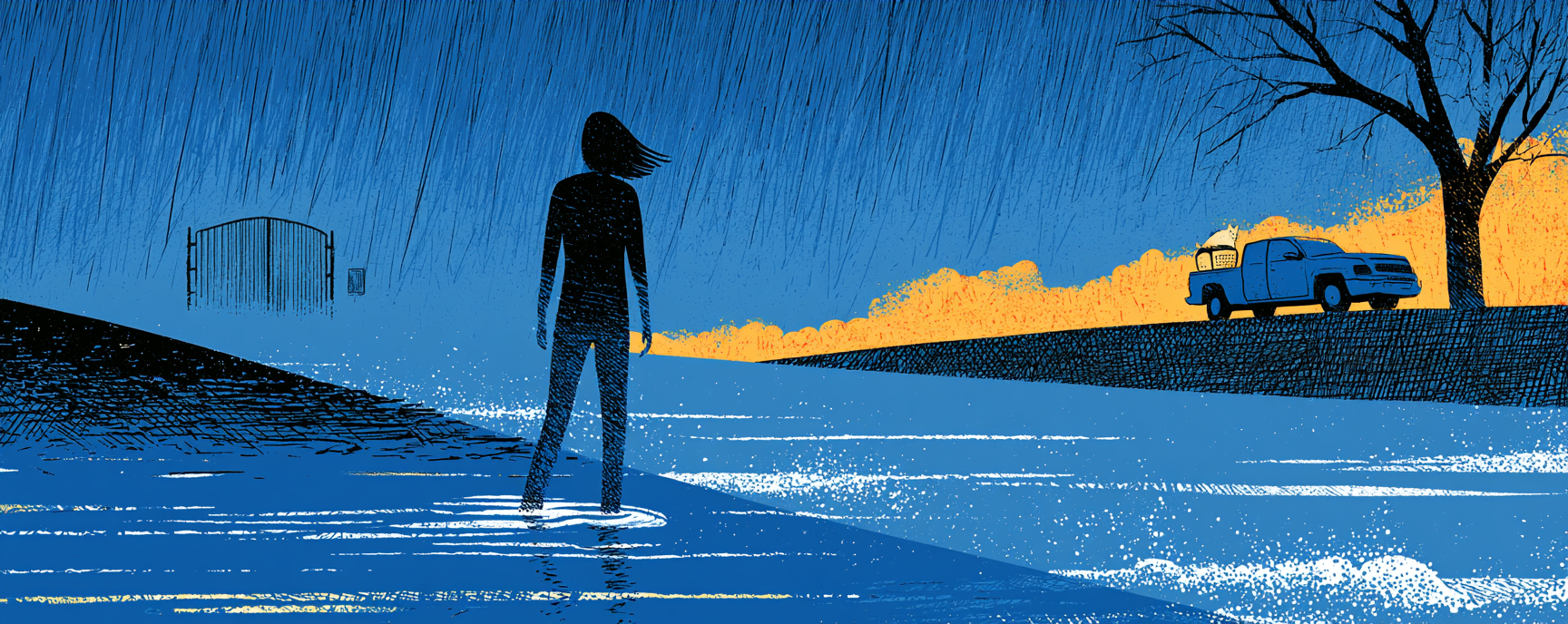
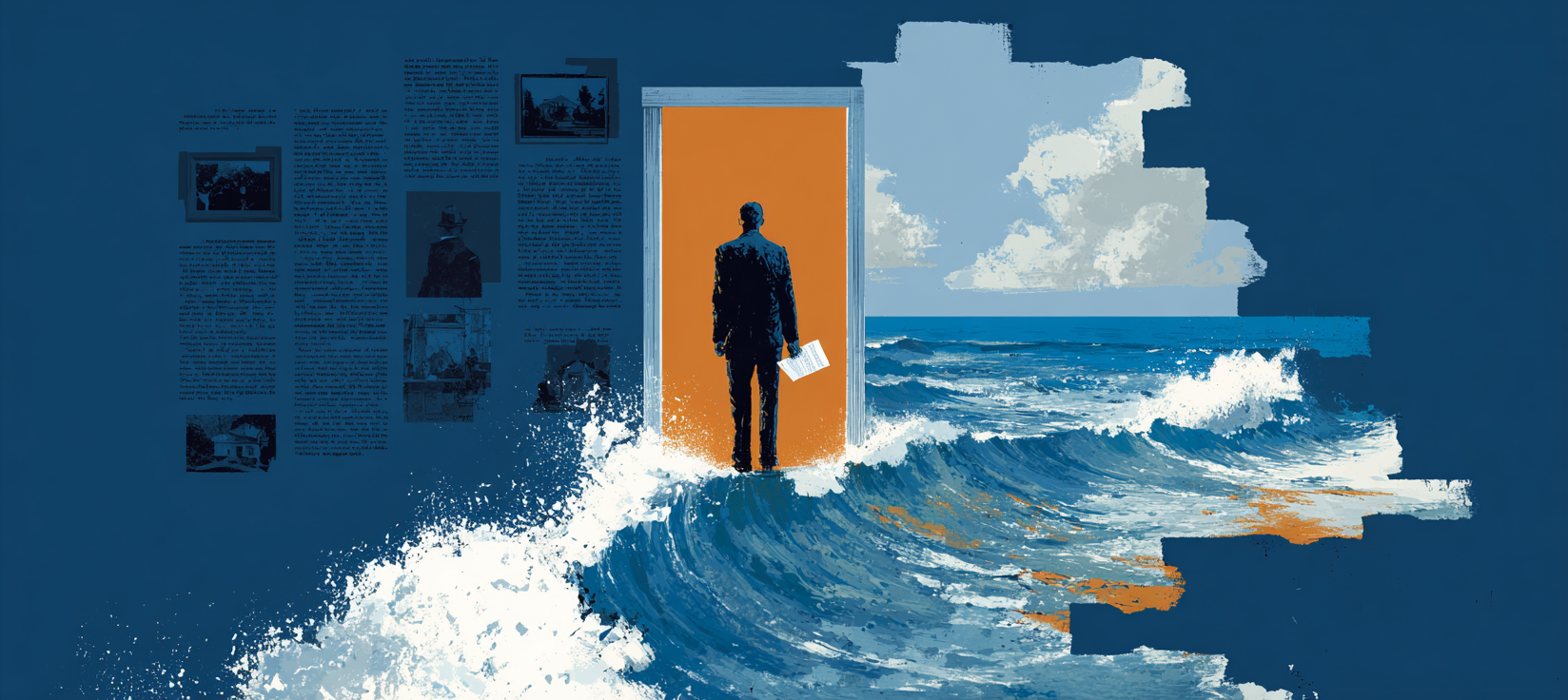
A family argues over a government buyout of their grandmother's flood-prone coastal home, each holding a position no one can resolve.
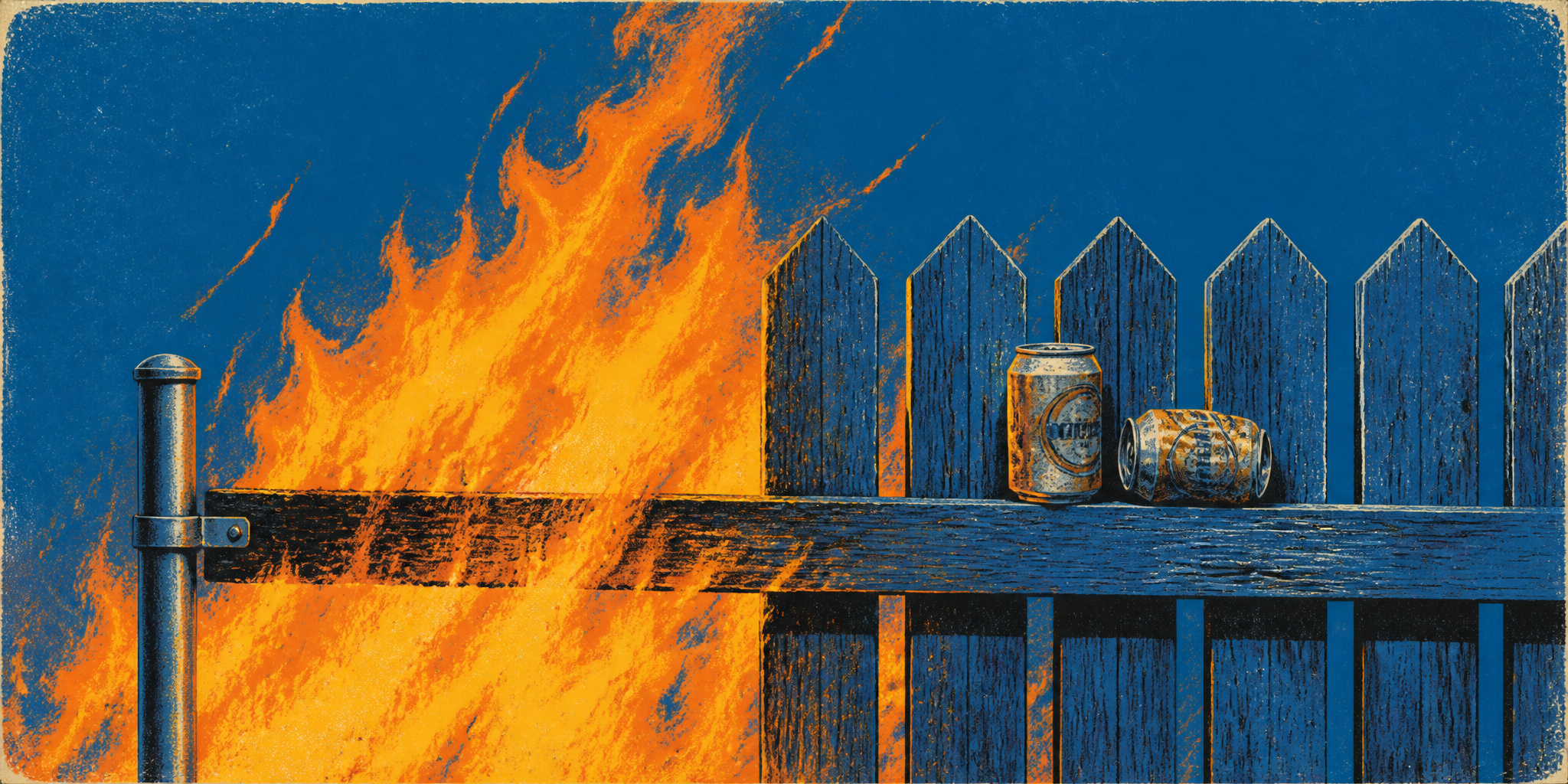
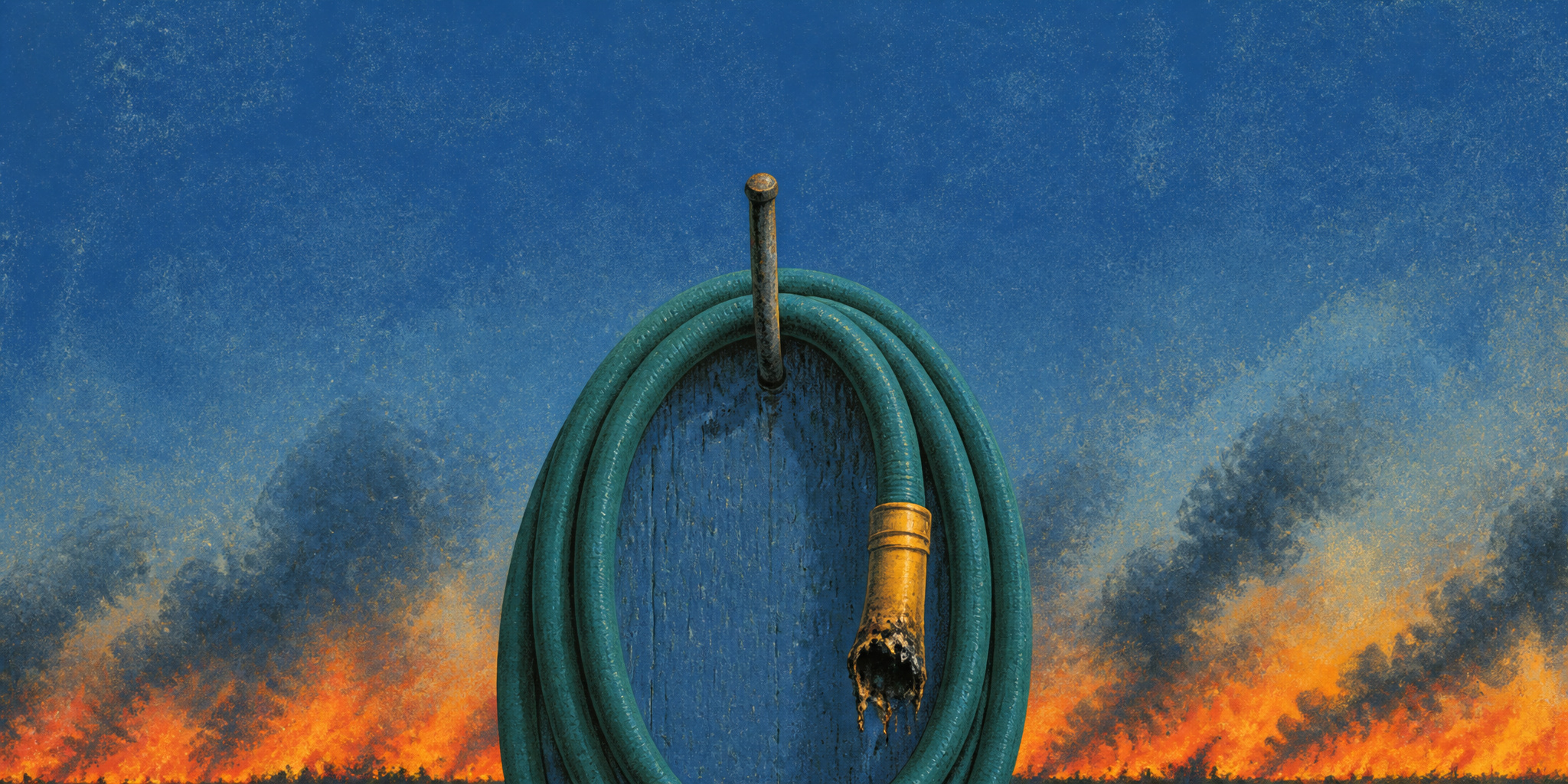
Two neighbors in fire country drink beer in a garage and try to figure out which parts of a friendship survive when one man's house is a danger to the other's.
August — Issue #46
August — Issue #45

August — Issue #44

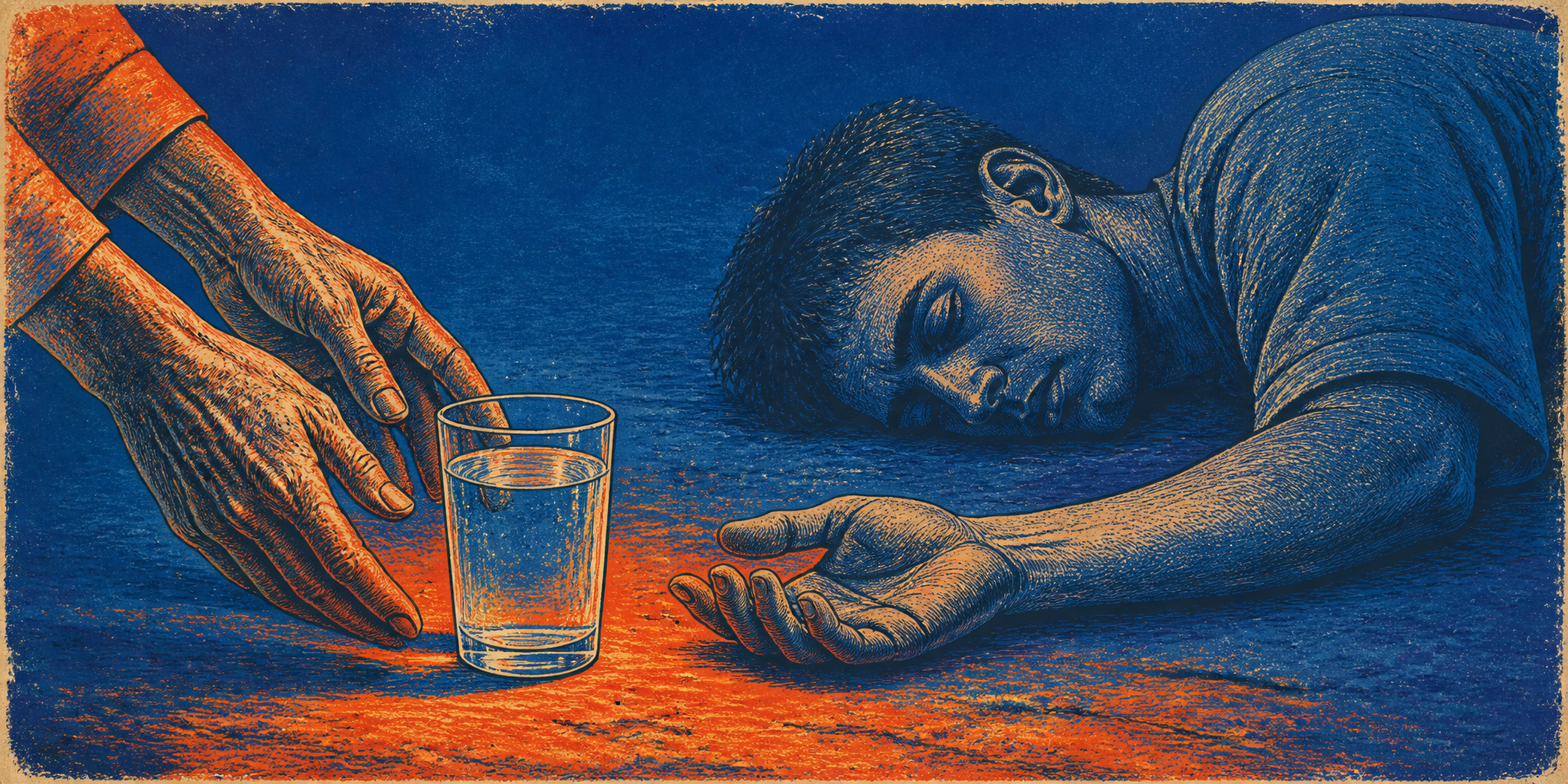
July — Issue #40
July — Issue #39
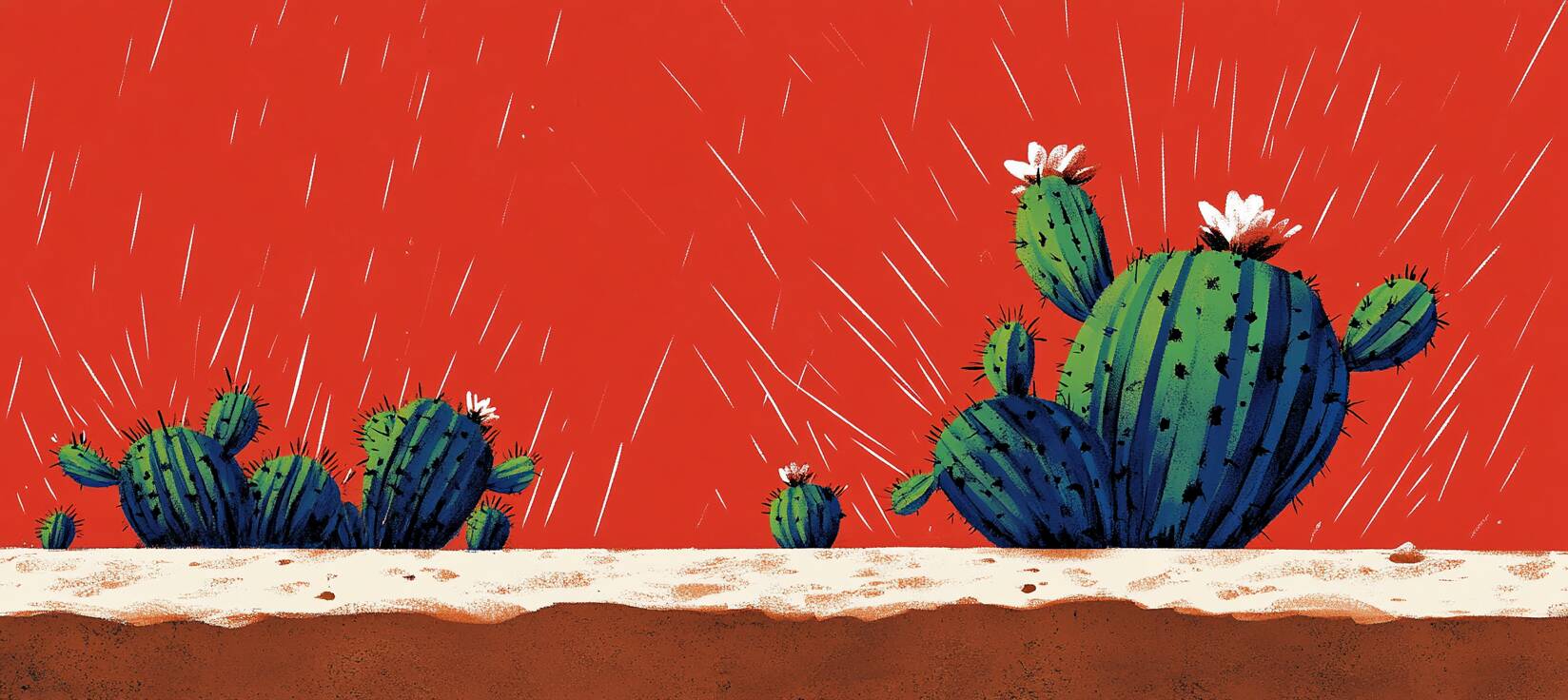
A home-health dispatcher in Houston slots fifteen visits into a four-and-a-half-hour safe window and sits with the sixteenth.

Three documented cases of people carrying the weight of known risks while institutional timelines for buyouts, heat standards, and school cooling grind on.
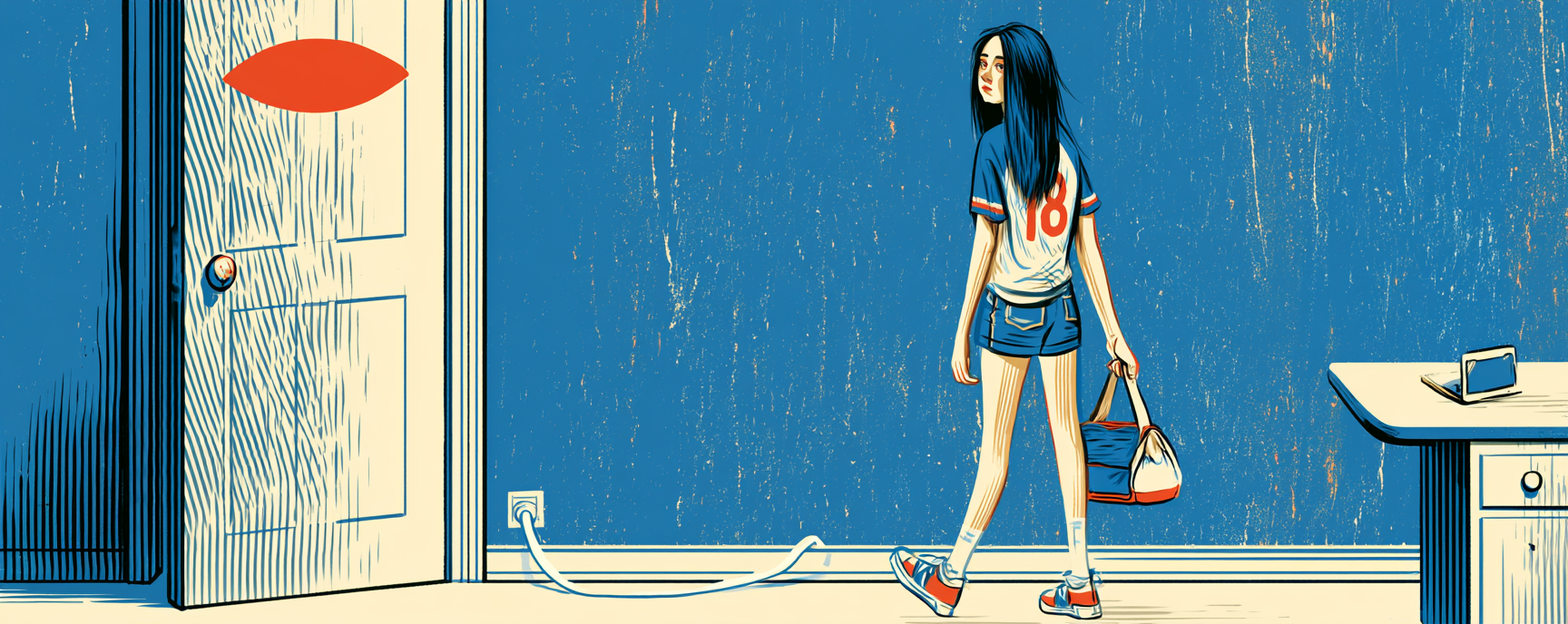
June — Issue #37
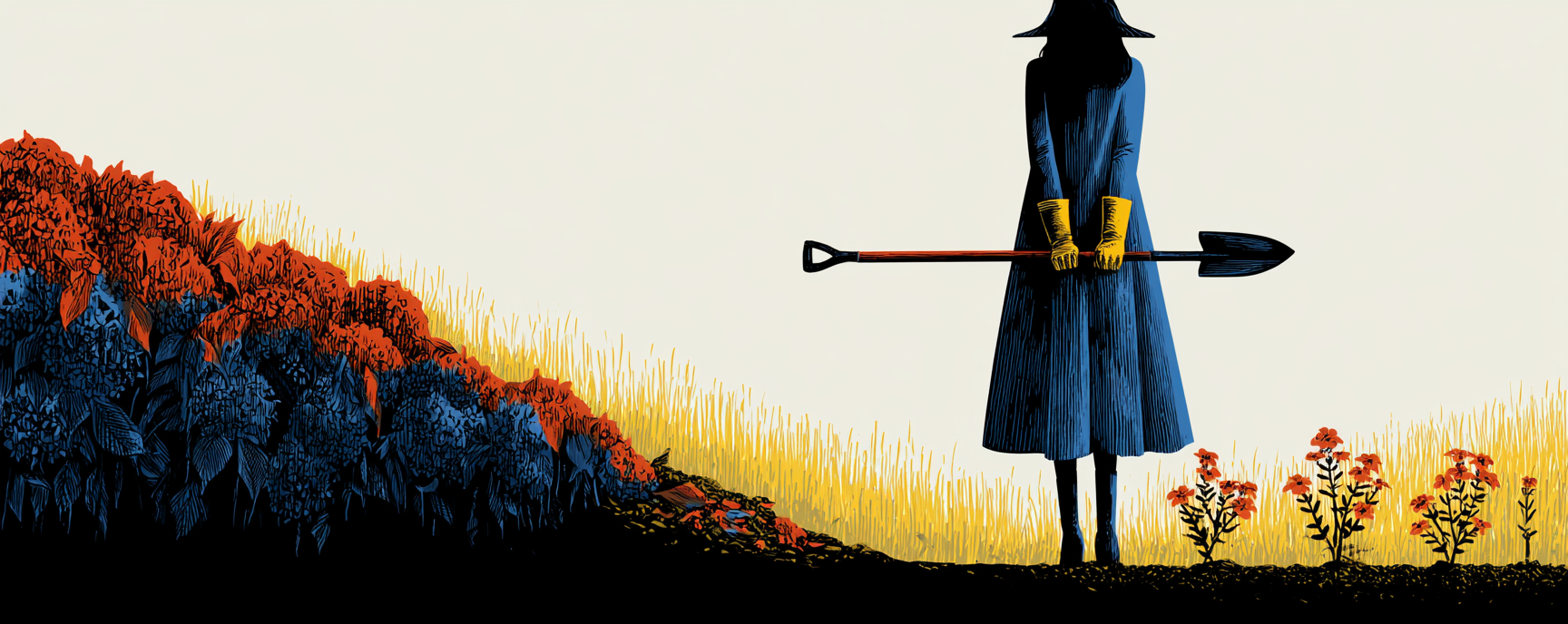
A mother tests every available word for the feeling of quietly adapting her household after expecting collective climate action to arrive.
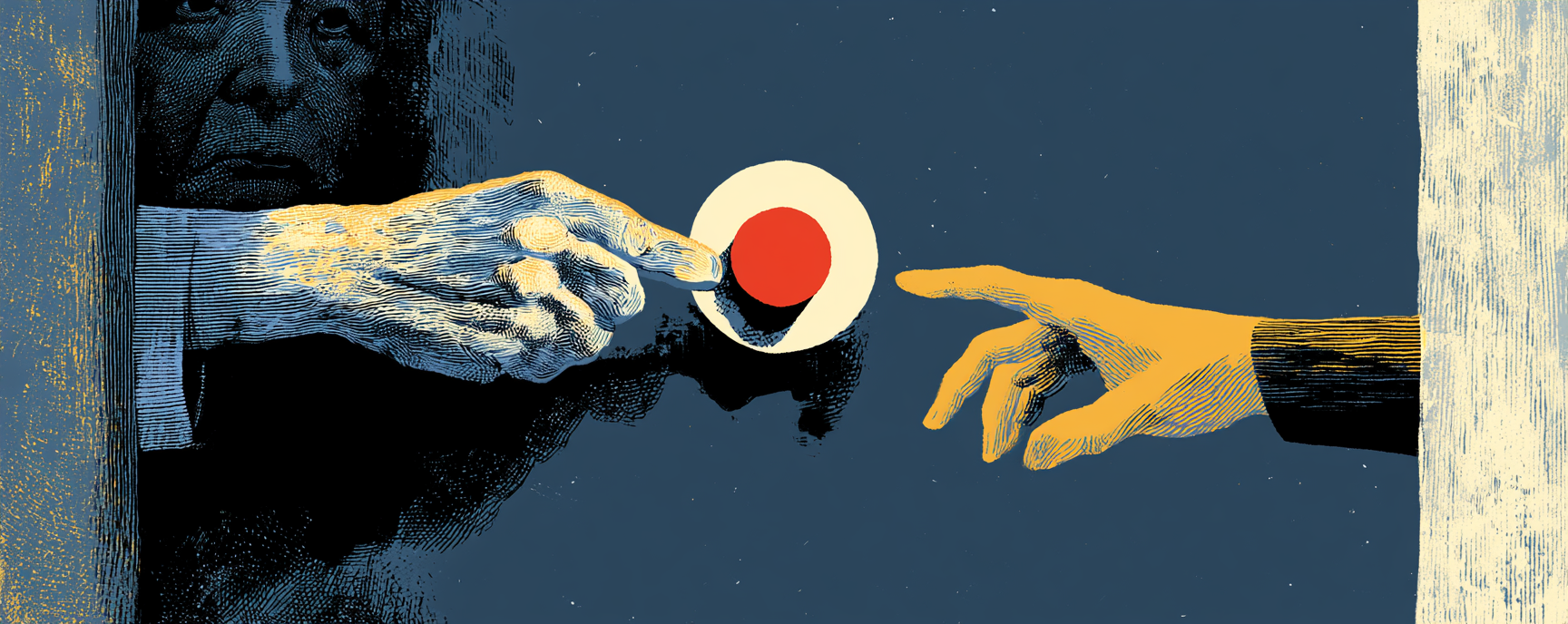
A mother rations kilowatt-hours between her aging parent and teenage son on an ordinary summer evening that never quite cools.
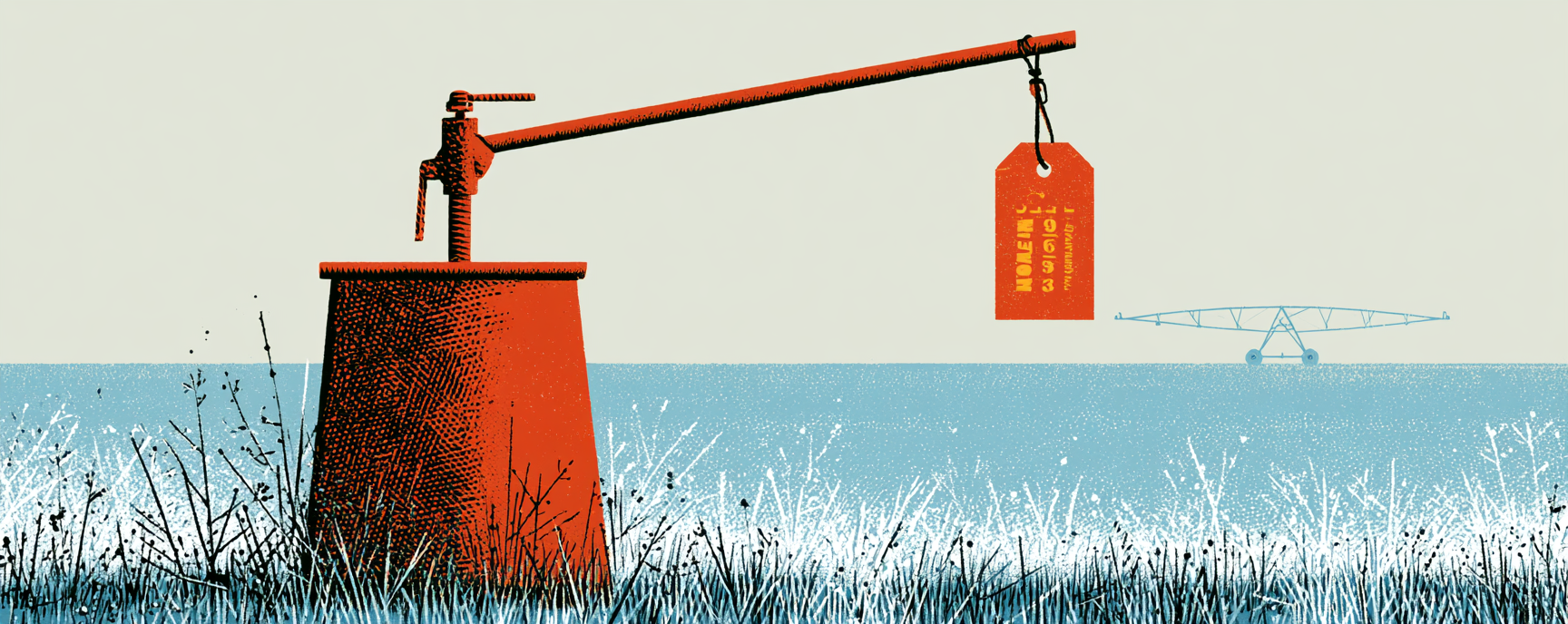
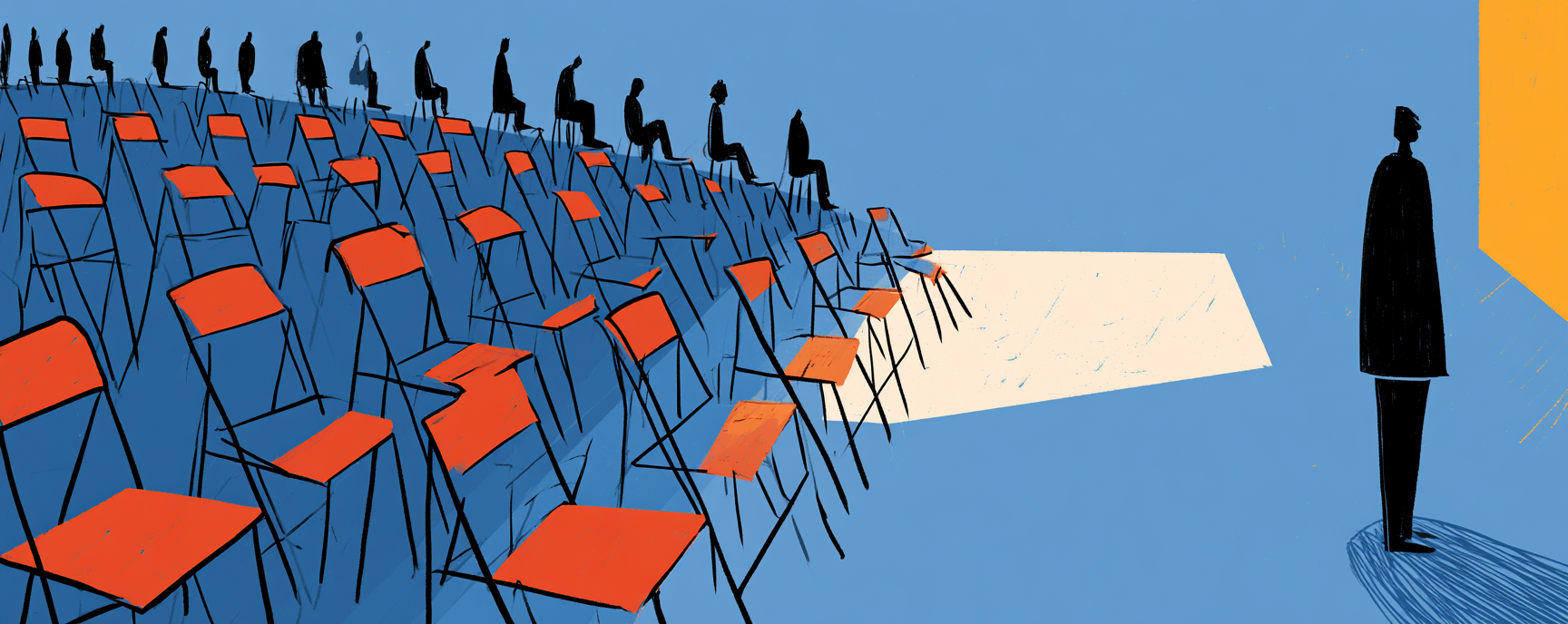
June — Issue #34
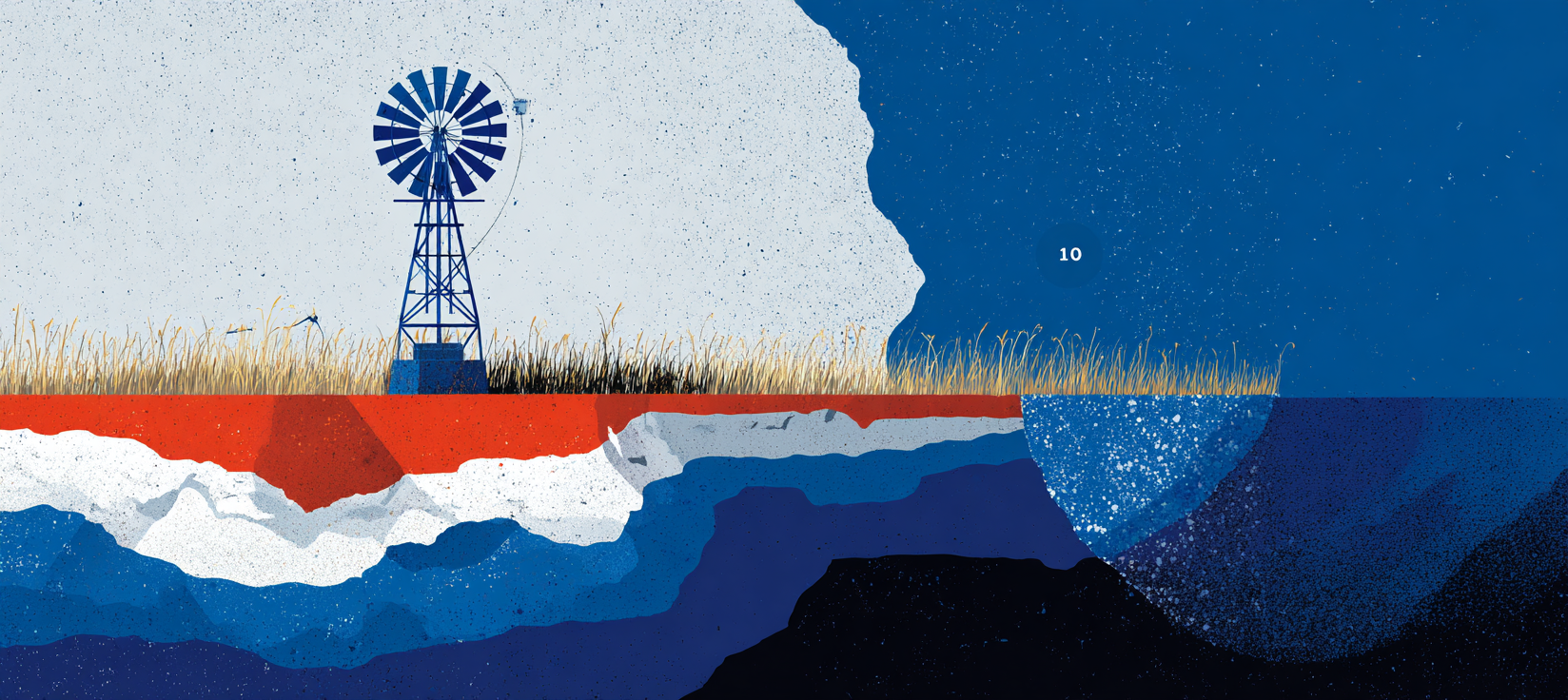
A Kansas farmer watches his aquifer decline daily while his sister pushes to sell their water rights before the decision makes itself.
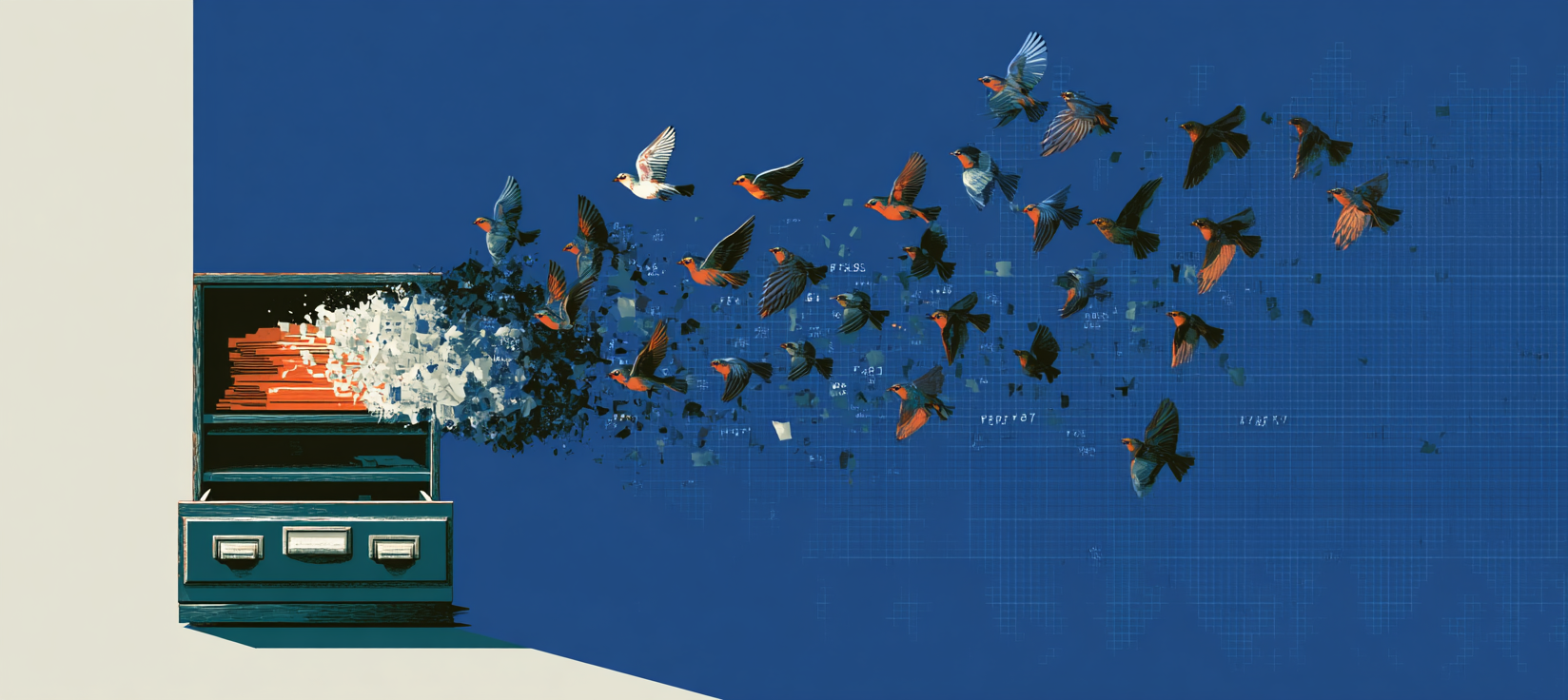
An inventory of the scientists, datasets, and interpretive capacity that left U.S. climate and land institutions, and what became unreadable without them.
May — Issue #33
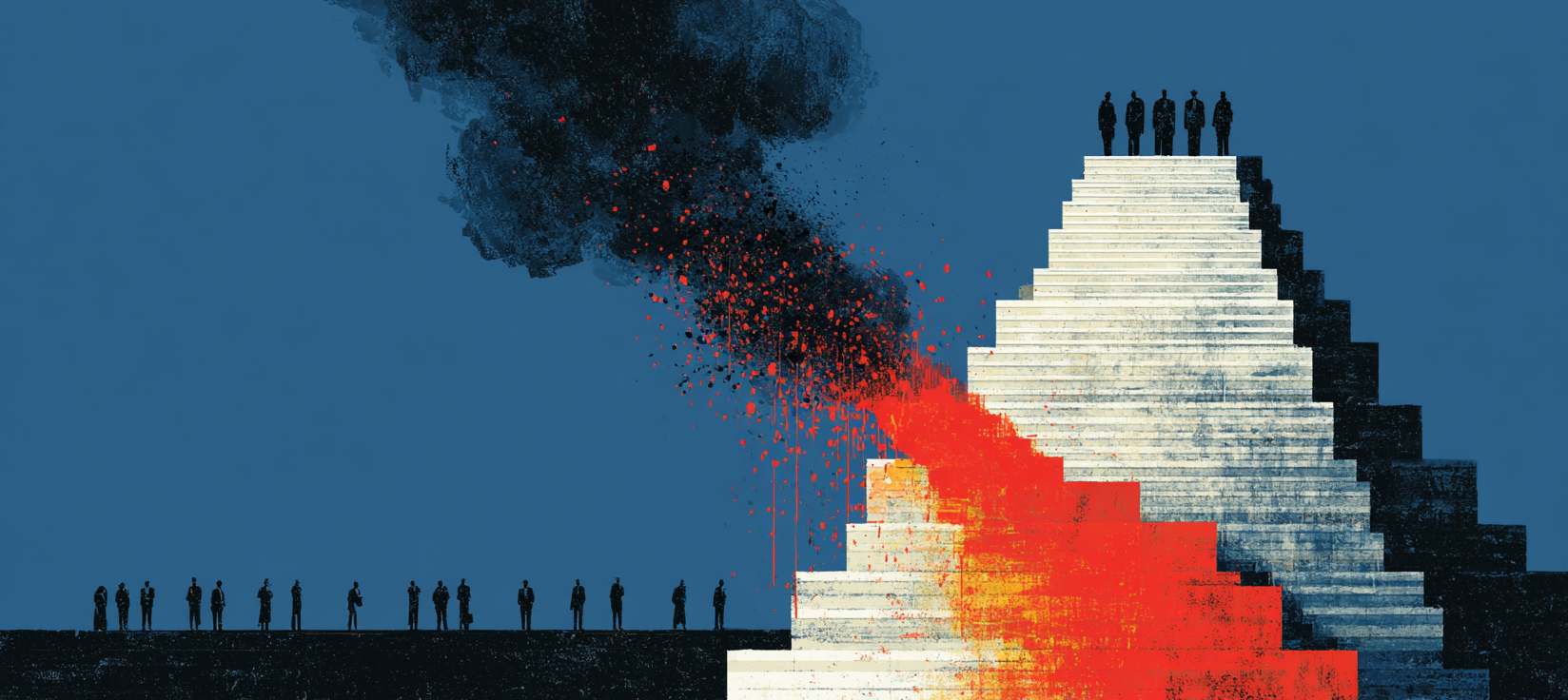
Five days of a school administrator's smoke decision log as AQI climbs past every threshold while the protocol runs out of levels.
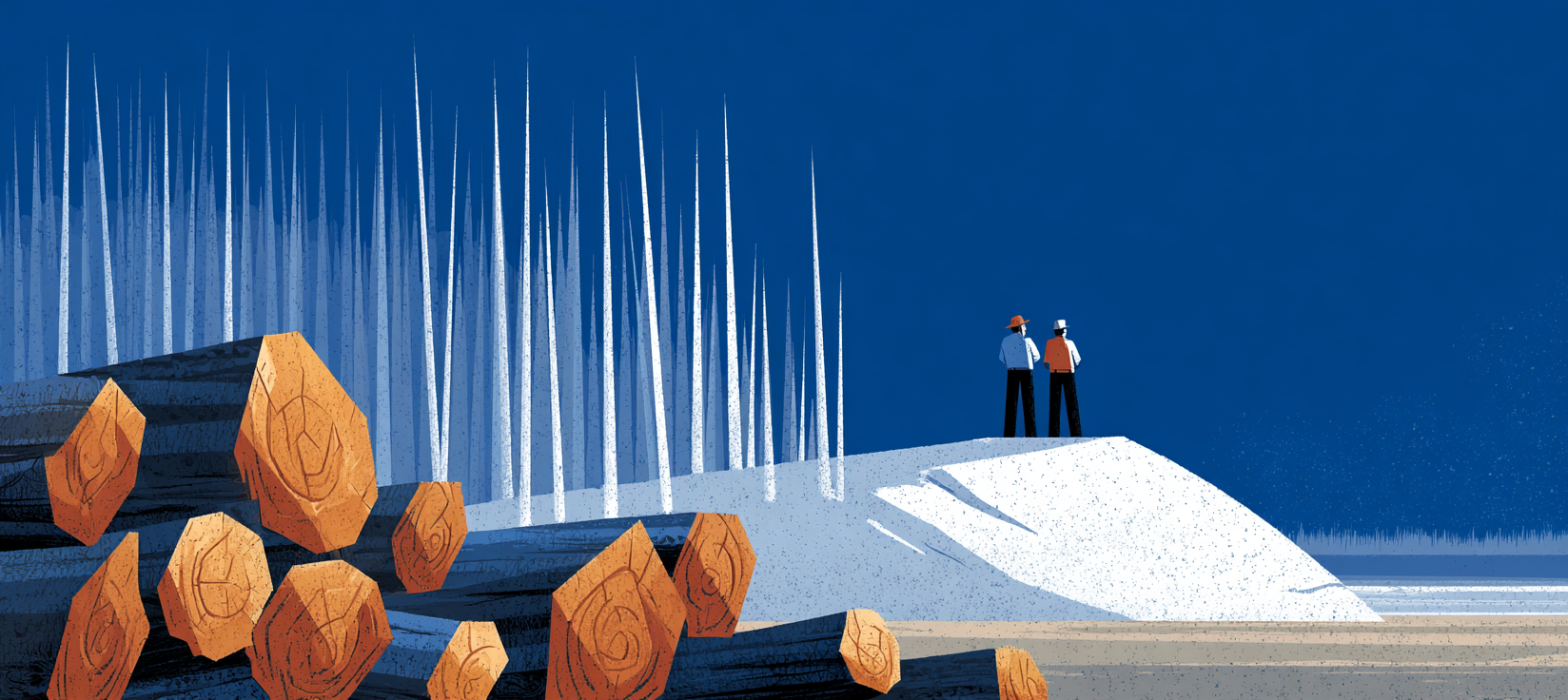
A boy follows his uncle through changed Montana landscape, hearing lessons about a world he never knew existed.

A Georgia business owner's denied claim reveals how hurricane costs, drought, and wildfire losses compound inside an already-breaking insurance market.
May — Issue #32
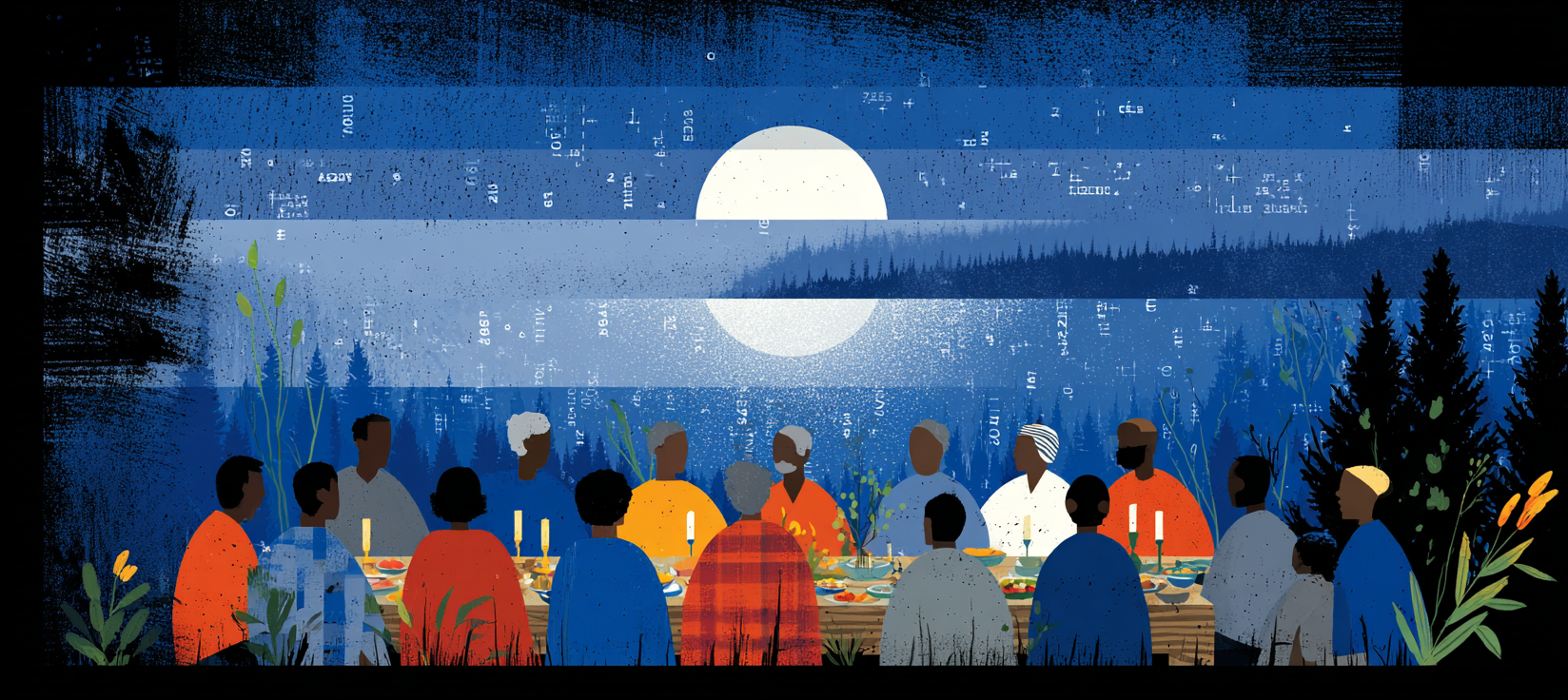
Climate haven transplants share a backyard dinner where smoke haze, warm lake water, and empty chairs say everything nobody will.
![Chart Notes (Patient: [REDACTED], Case #HM-2021-04872)](https://vncl-anchor-images.s3.us-east-2.amazonaws.com/on-demand/1778659556_upscale.png)
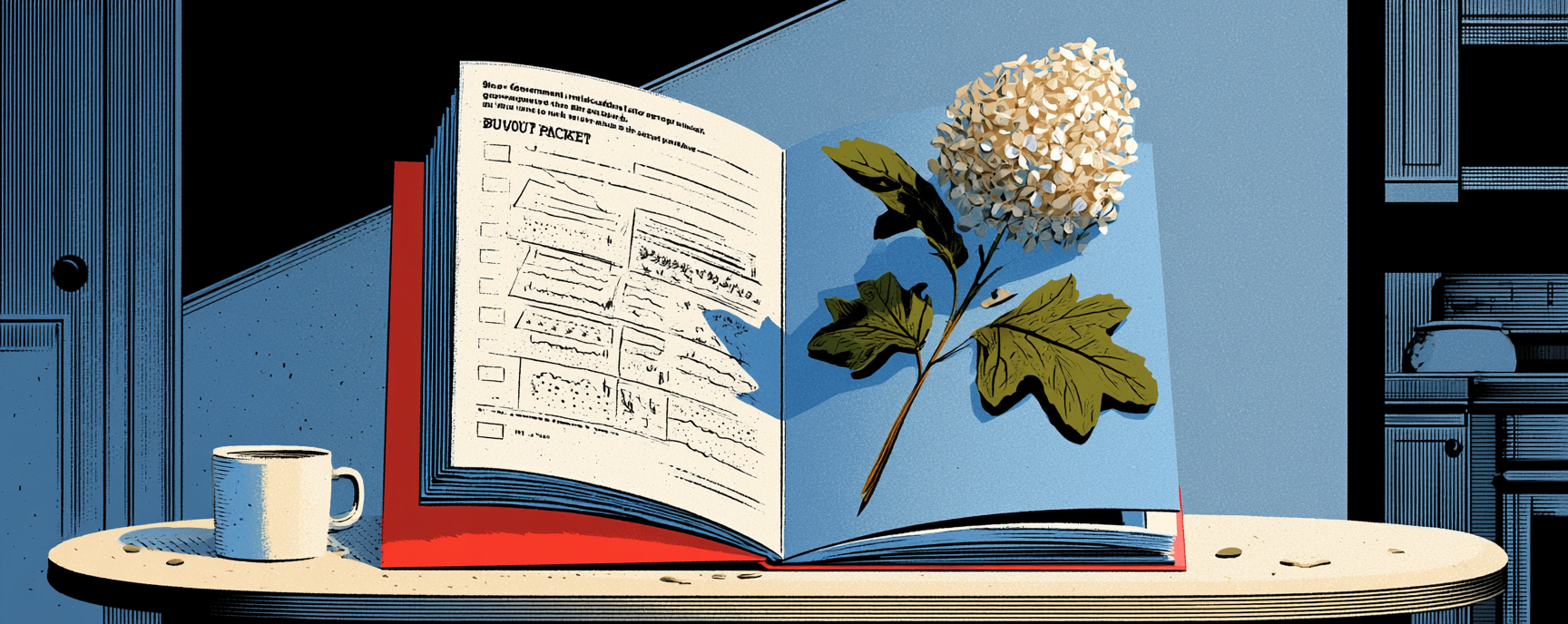
A family's medical records deteriorate in biological time while their FEMA buyout application loops through bureaucratic time.
May — Issue #31
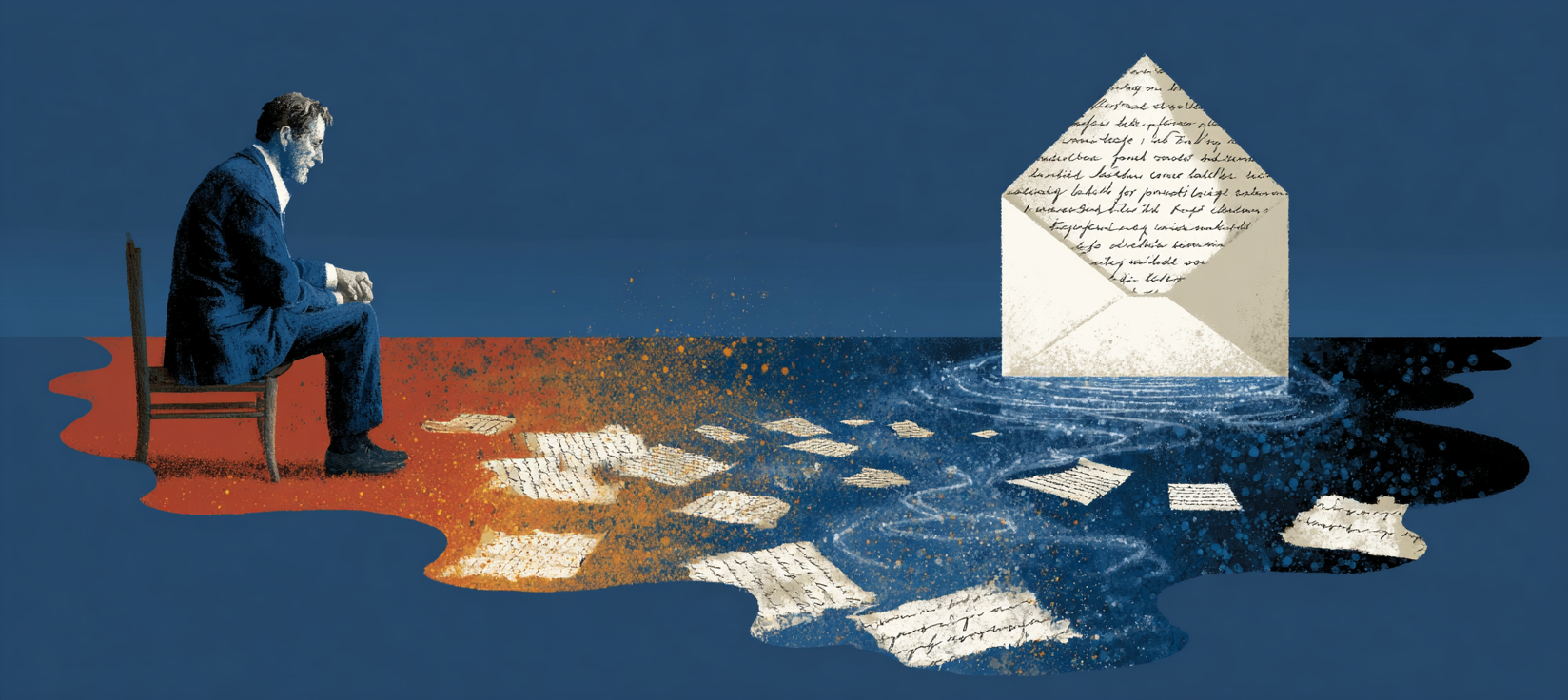
A mother tries to describe a river to a daughter who has never known cold water, and keeps failing.
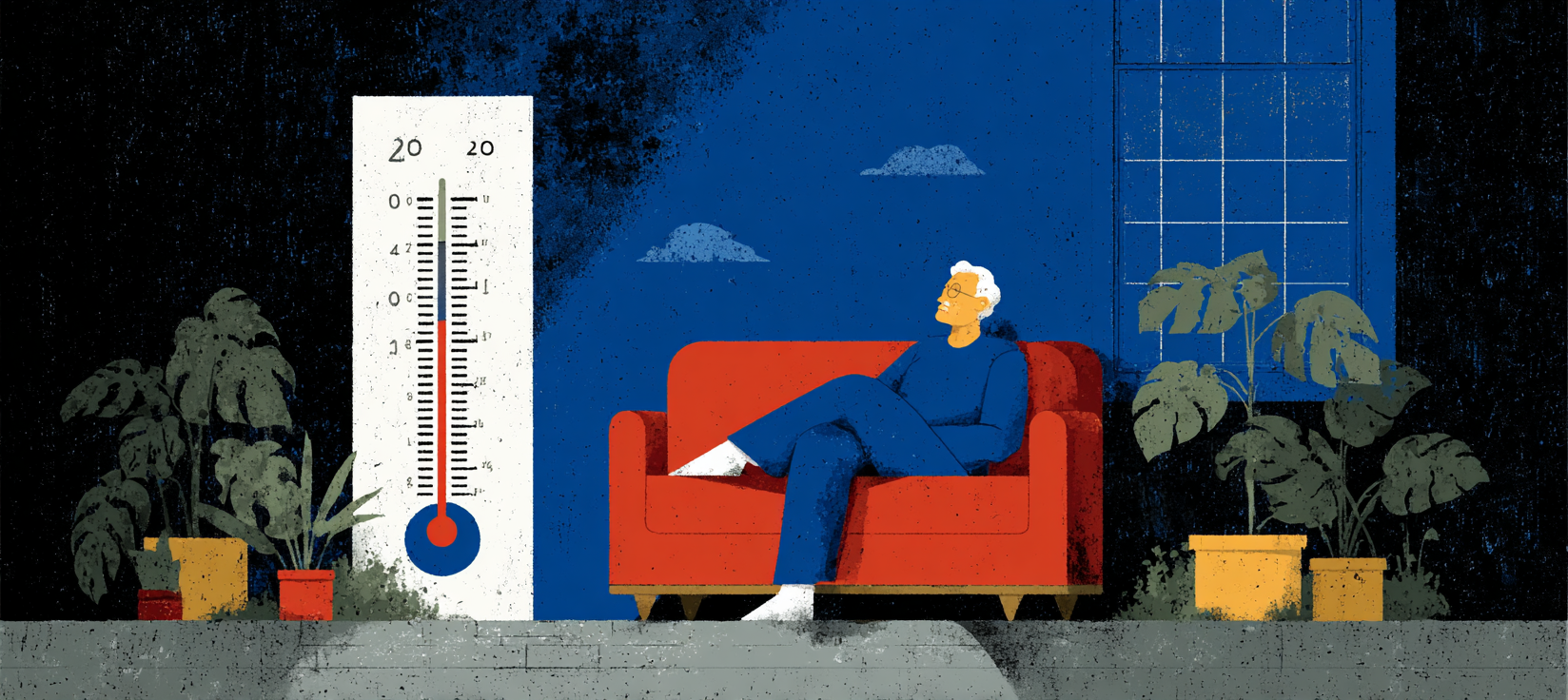
A week sealed indoors, every decision governed by a number on a screen, the air never once described.

A burning wall becomes a particle becomes a breath becomes a mutation and you never felt the membrane open.
May — Issue #30
April — Issue #29
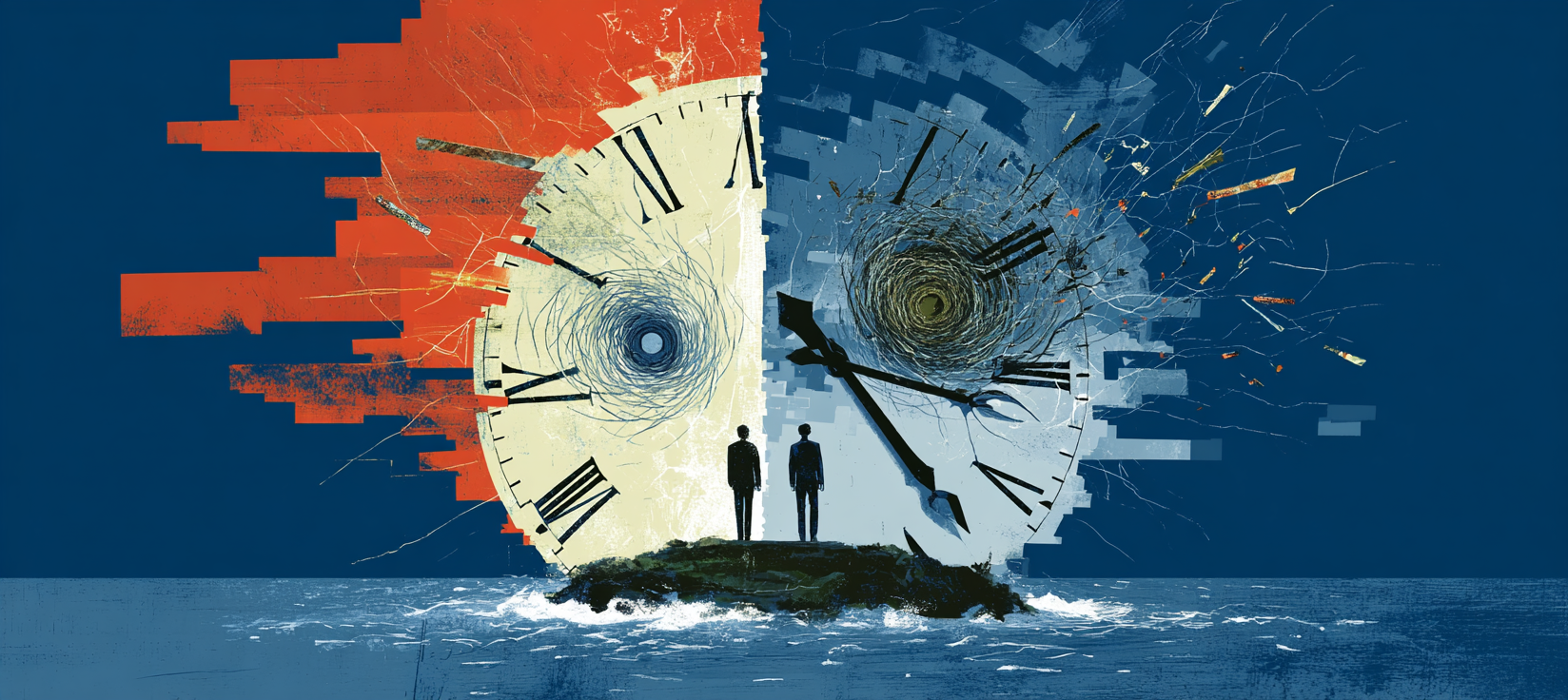
A super typhoon's physical clock keeps running across the Marianas. The media clock goes silent and stays that way.
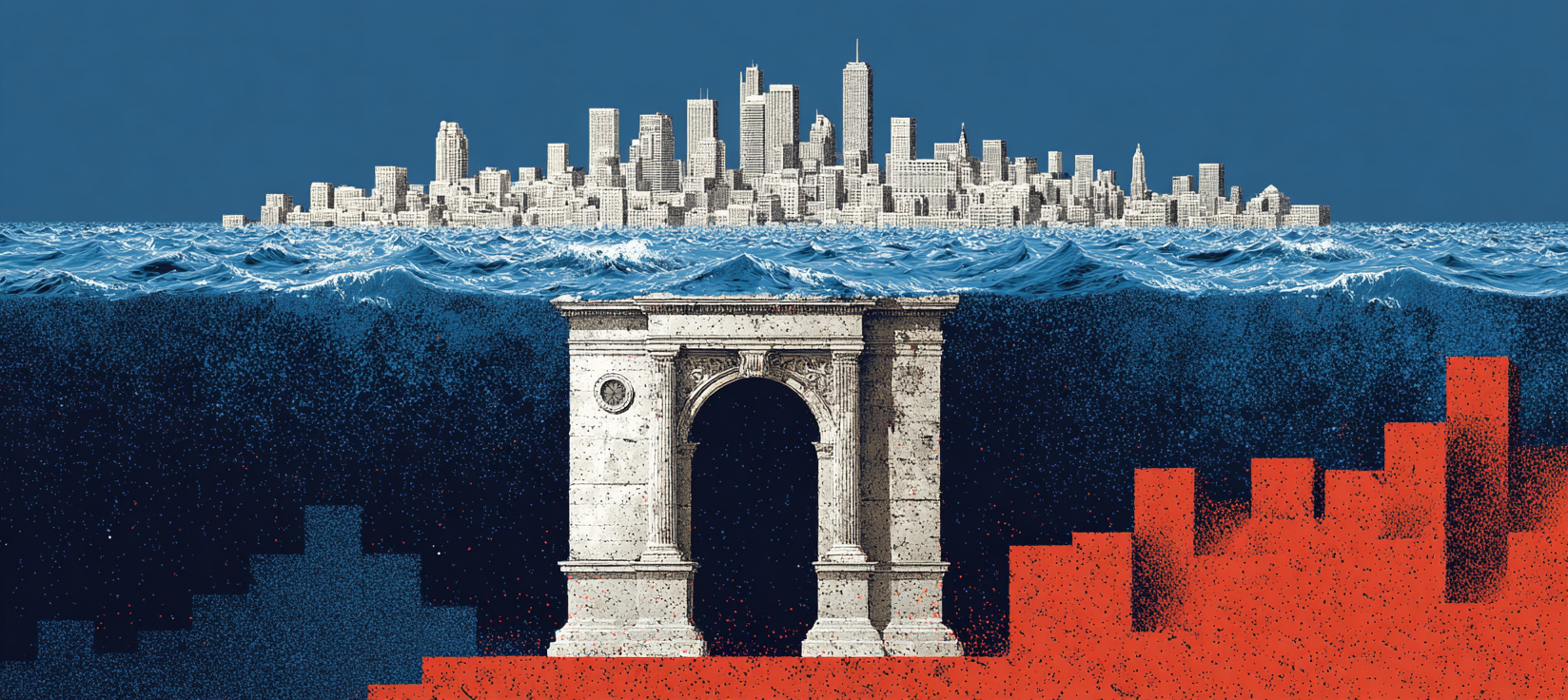
New science says the Atlantic is weakening faster than projected, and billion-dollar coastal defenses are already being built to the old number.
A therapist names every pattern in the room except the one she carries home to her own kitchen counter.
April — Issue #28

FEMA's new flood map splits a Hawaiian cul-de-sac, giving neighbors the same rain but different futures.
A Maine farmer buries thousands of feet of irrigation pipe in ground his family never had to water.

A sound engineer records what remains of South Florida's dying reefs and forests, her precision holding what her silence won't.

April — Issue #27
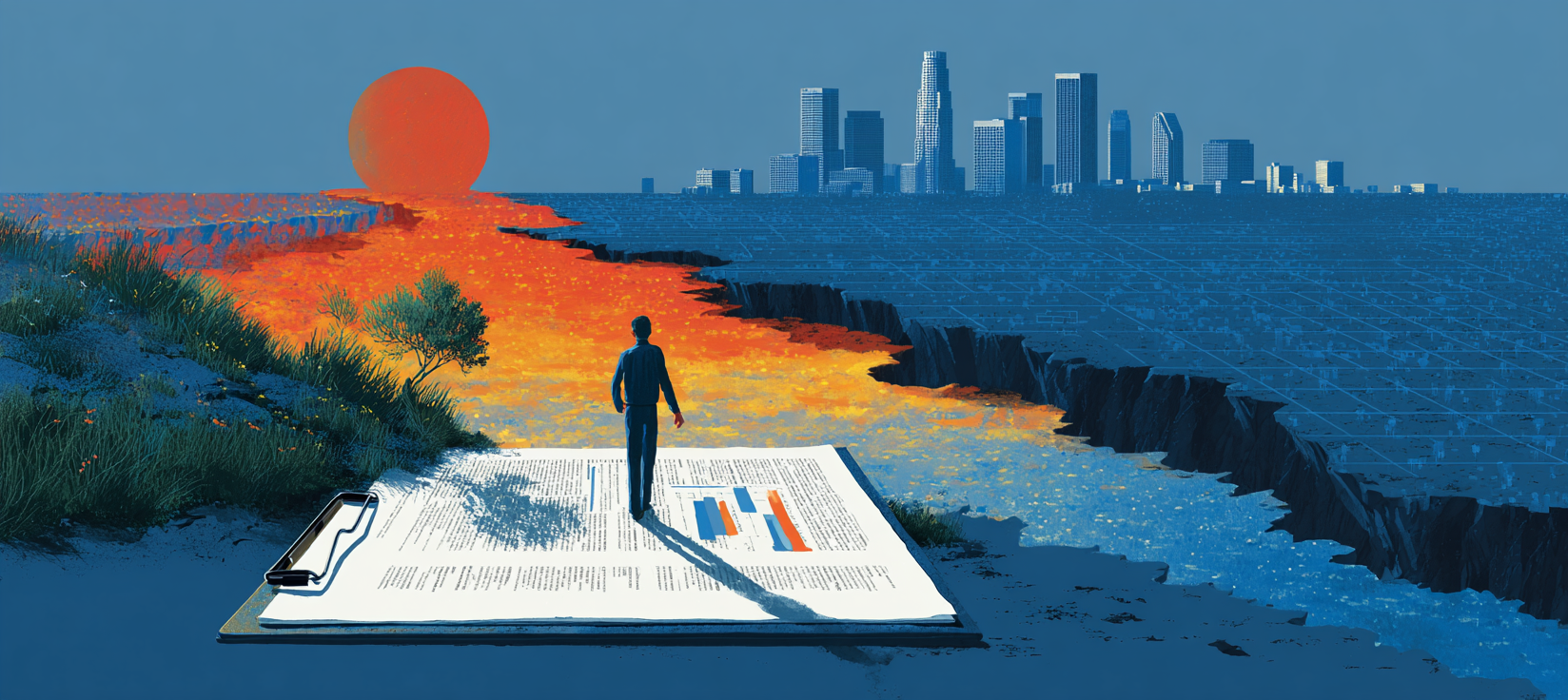
A professional appraisal form tries to assign market value to the American West and breaks under the data.
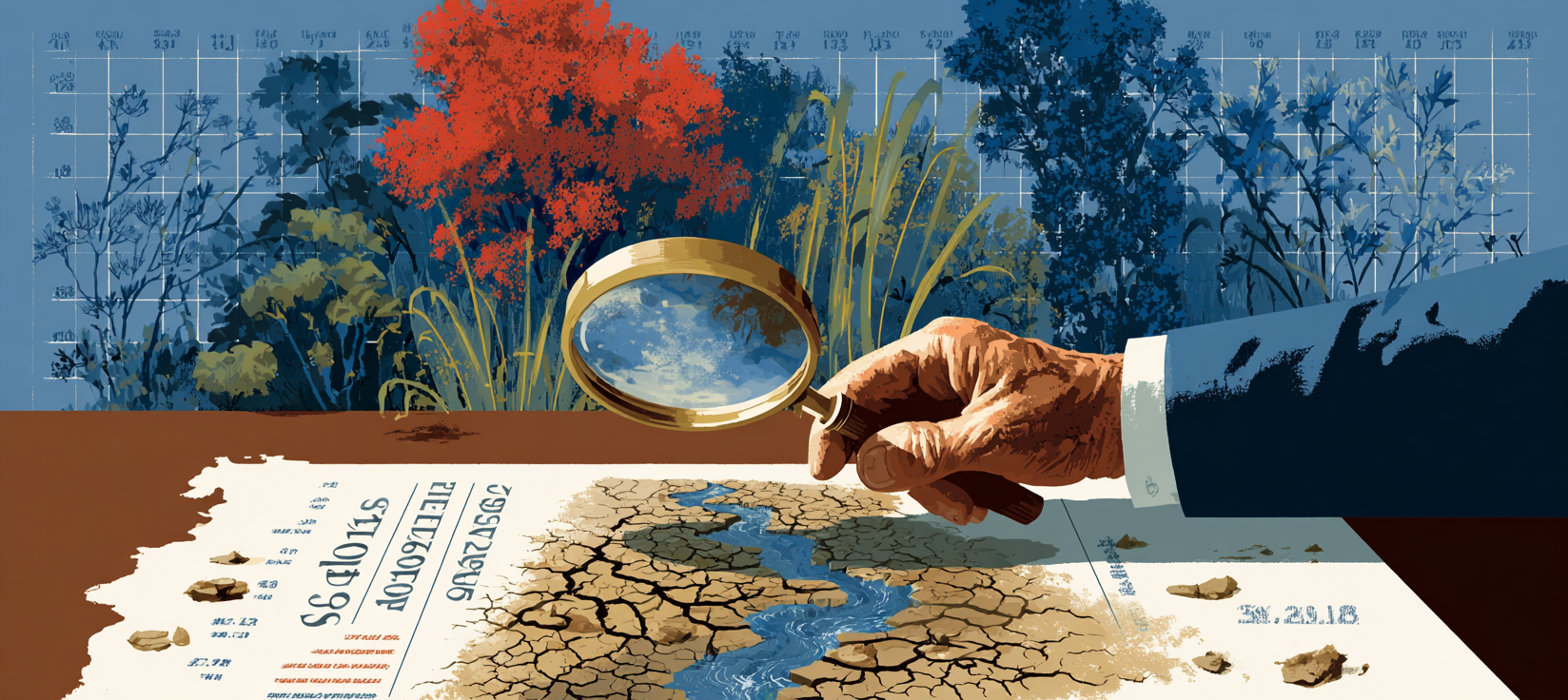
Three dead water systems walk into an appraisal office. The Colorado River Basin is the subject property. No comps adjust upward.
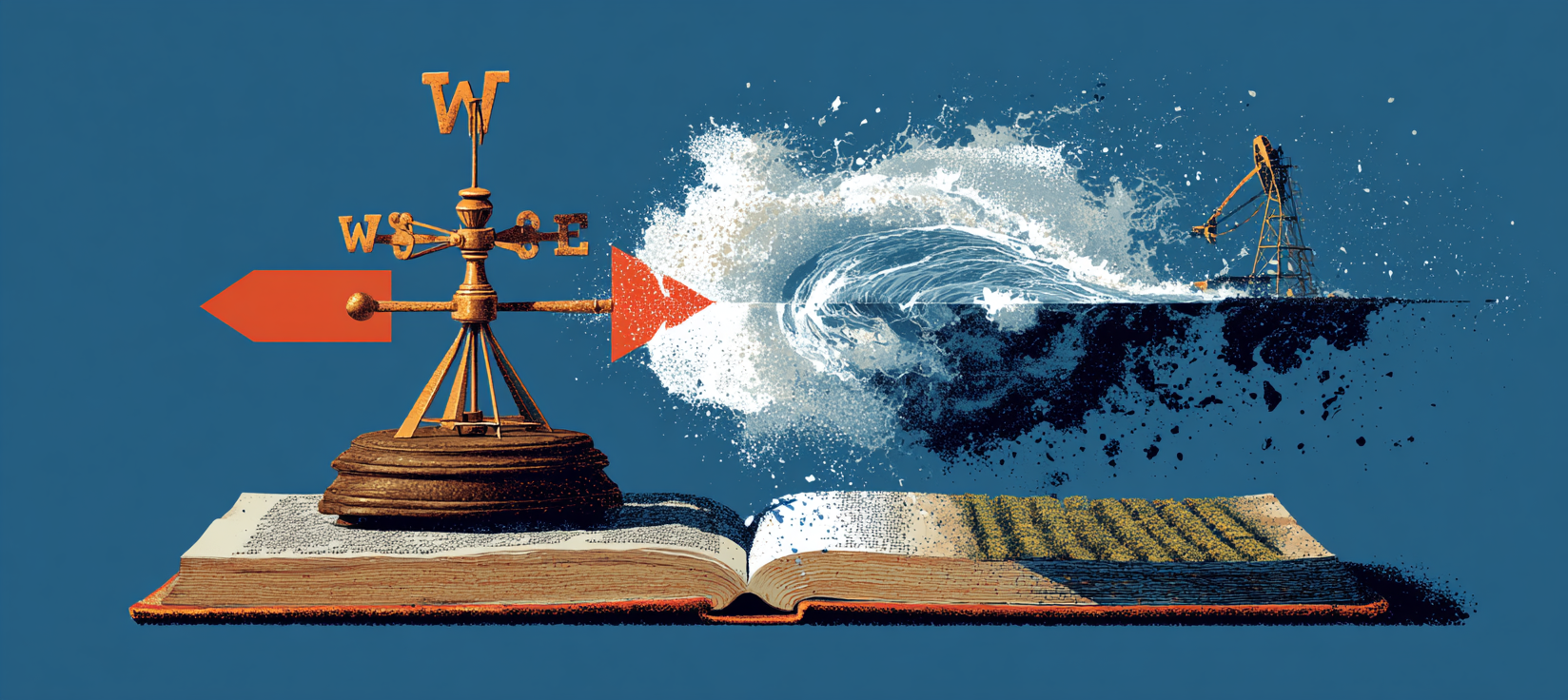
A Kansas wheat farmer weighs her grandmother's folk signs against fractured forecasts, then walks toward the drill anyway.
March — Issue #25
A veterinarian works through a Tuesday night of heat-broken dogs whose owners did everything right and it wasn't enough.

Midwest farmers face a bet-the-operation planting decision as severe drought meets a thinner crop insurance safety net.
Plains ranchers rebuild after catastrophic fires, but the interval between burns is compressing faster than recovery allows.
March — Issue #24
Western water systems write desperate personal ads to each other as record heat erases the snowpack they were counting on.
An insurance call rewrites the evening, and a couple on a slab foundation keeps almost saying what the premium already said.
March — Issue #23
March — Issue #22
March — Issue #21
A parent applies the government's own cost-benefit math to one four-year-old's lungs. The spreadsheet holds.
A meteorologist faces a severe weather call alone with degrading data, where professional judgment is all the infrastructure left standing.
February — Issue #20
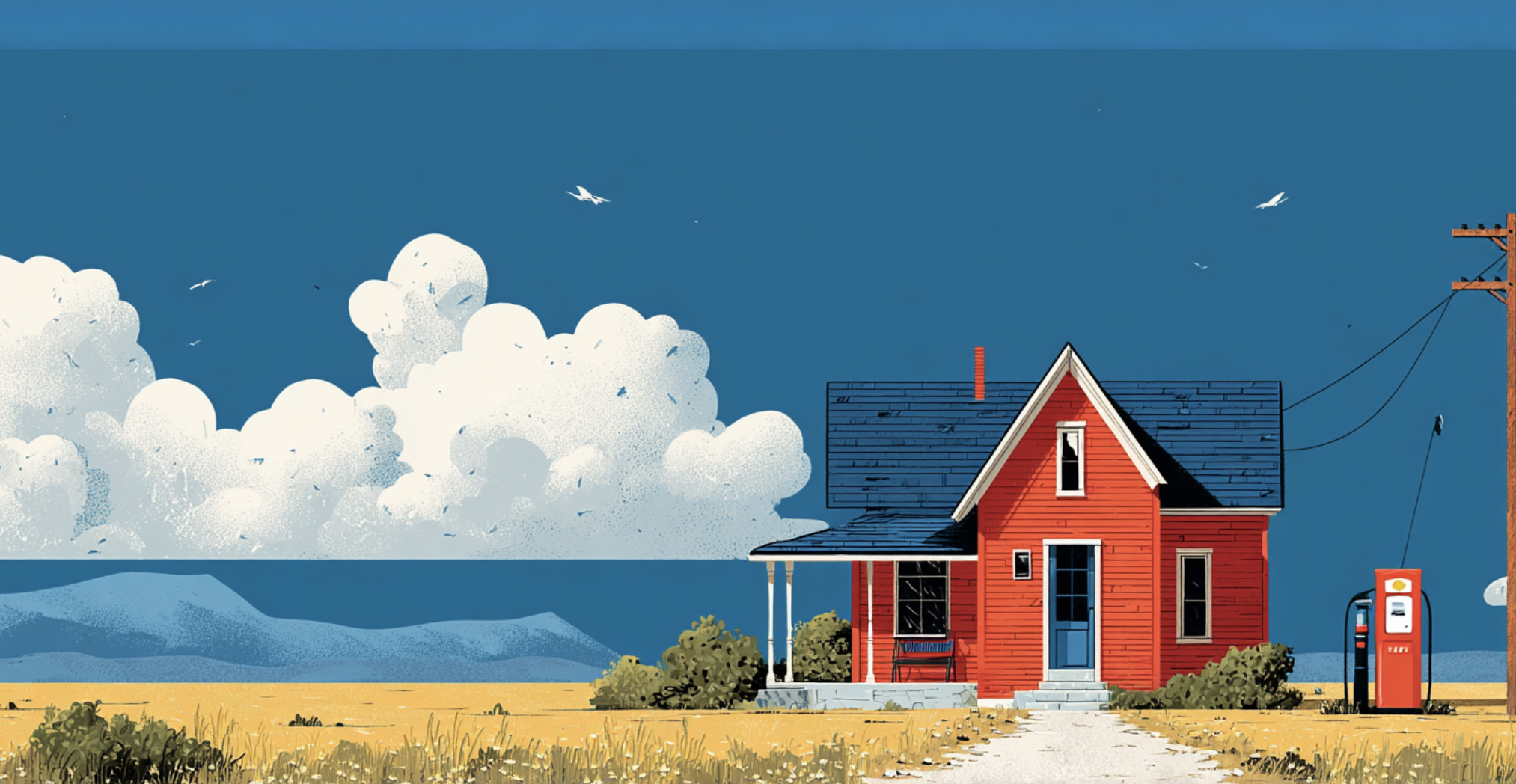
A woman's routine physical becomes an impossible question when climate risk enters the exam room and no one has answers.
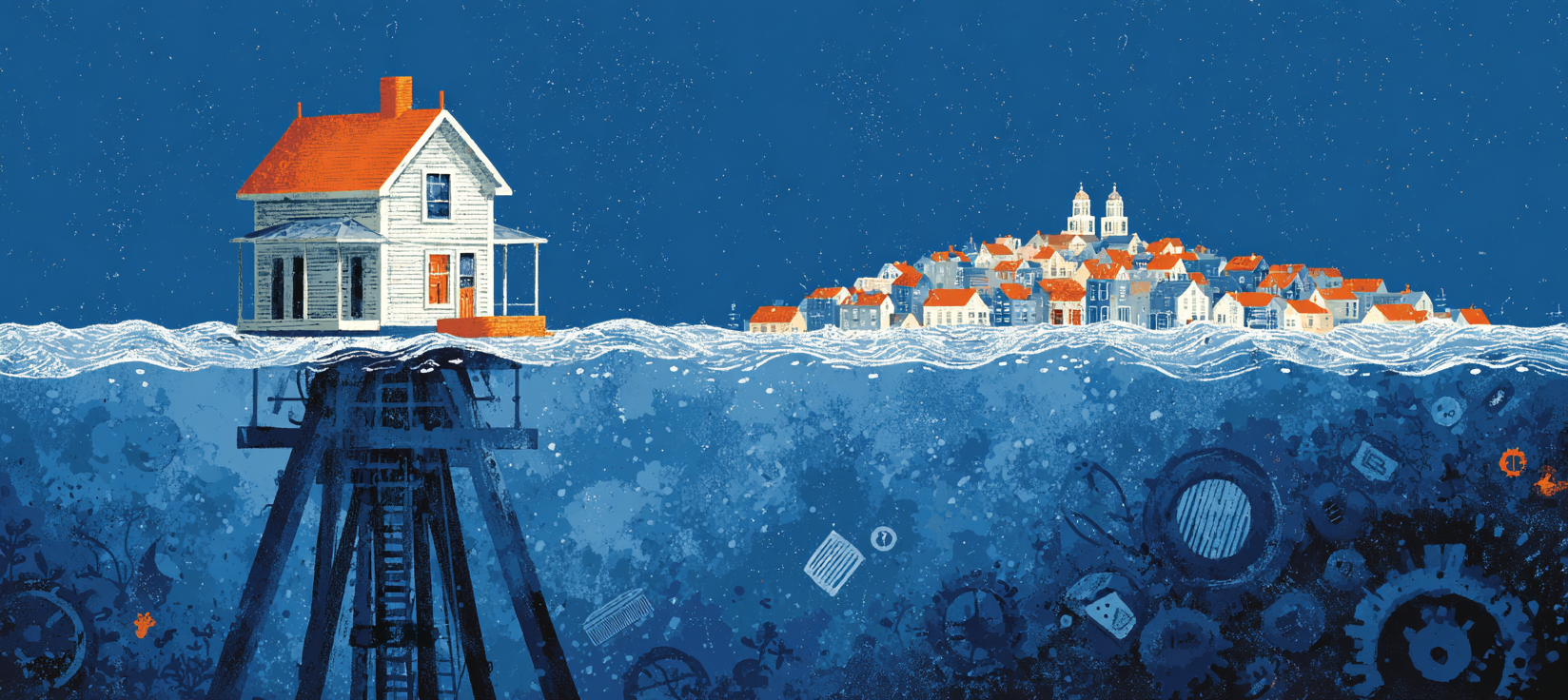
A museum curator in 2075 catalogs air conditioners, impact windows, and elevation systems from homes people built to stay in places already becoming uninhabitable.
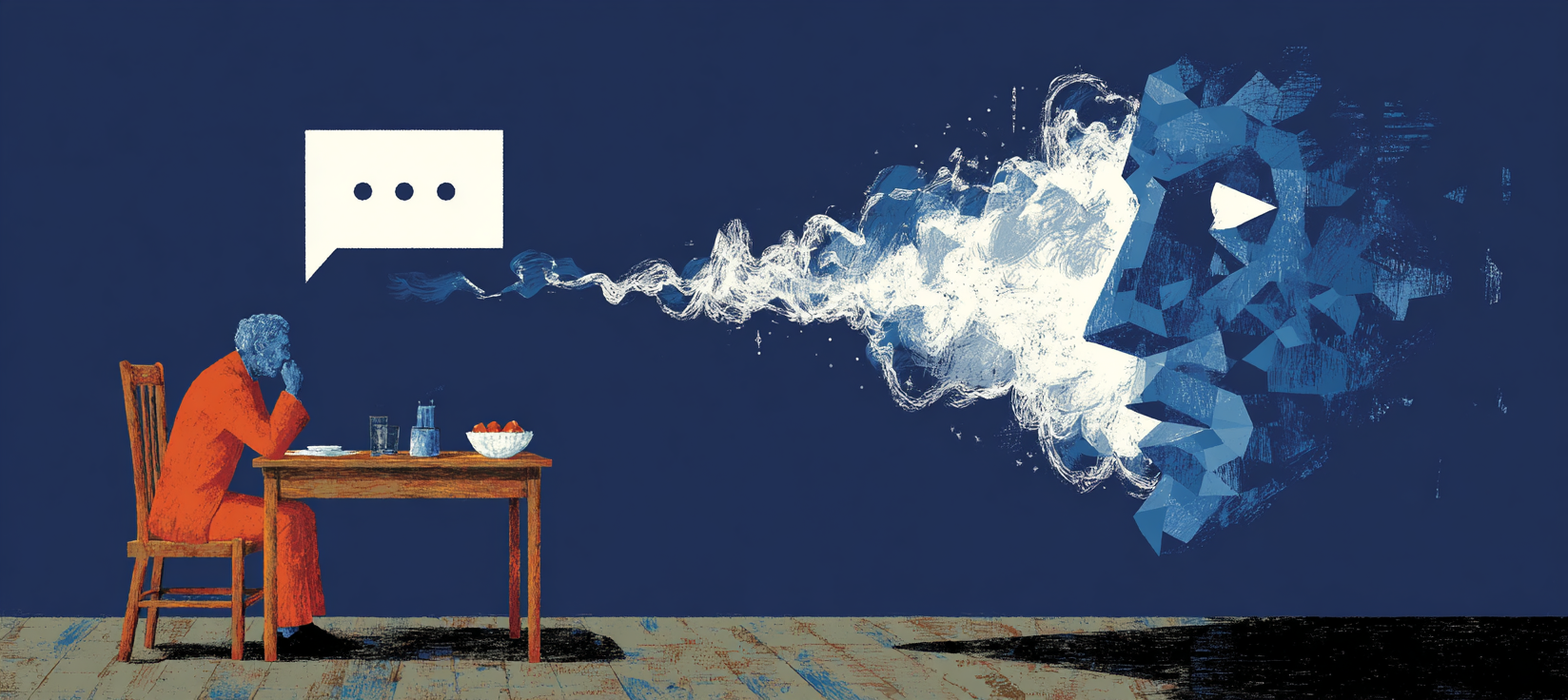
A climate scientist can't face Thanksgiving with his family anymore. They keep asking him to promise it won't be that bad.

February — Issue #17
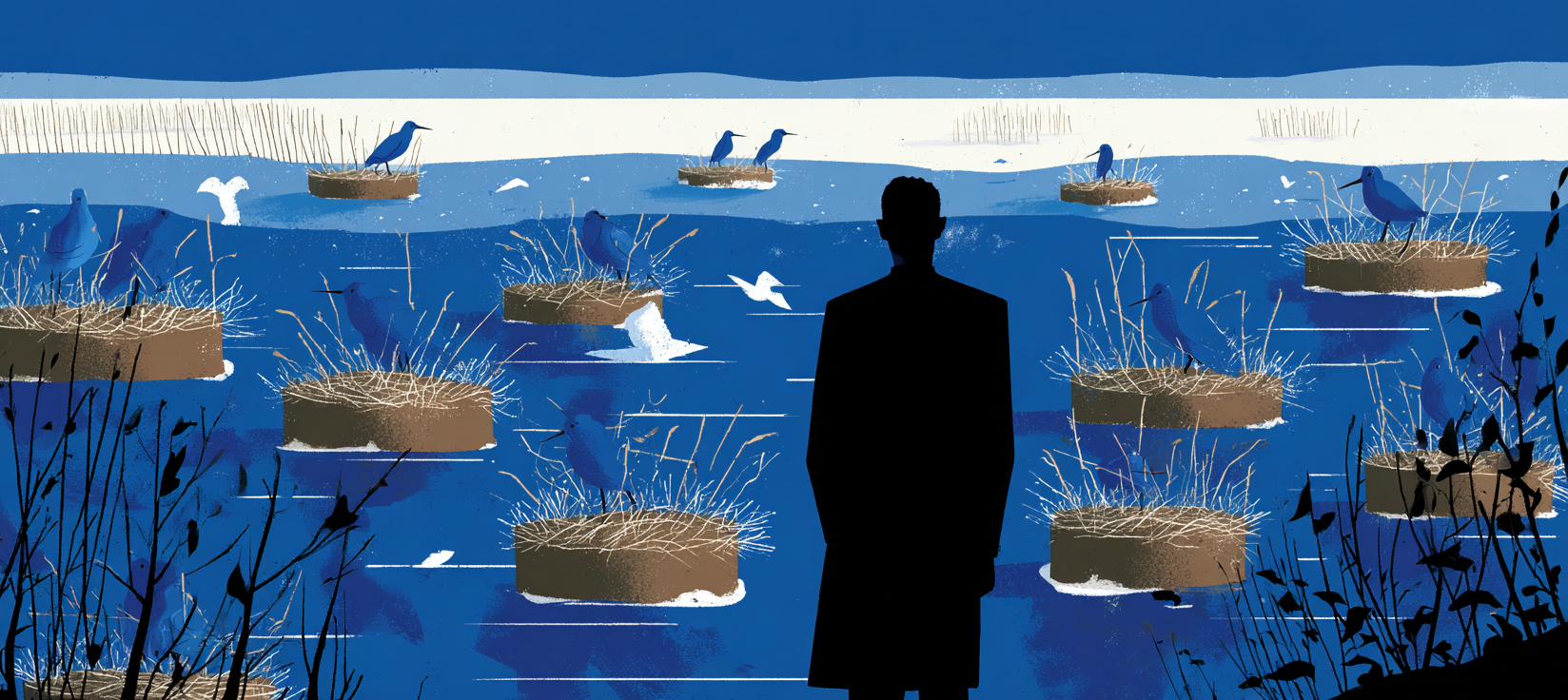
January — Issue #16
A mother in Bellingham checks air quality hourly, keeping her daughter inside as wildfire smoke drifts north from fires she moved away from.
A homeowner near Bend clears brush and spreads gravel, spending thousands on wildfire mitigation that might not lower his insurance or save his house.
January — Issue #15

The same technician documents how systematic acceleration outpaces incremental response, questioning whether careful adjustments can match conditions that invalidate the schedule's assumptions.

A water system technician trusts adaptive maintenance to manage accelerating infrastructure failures, adjusting schedules as conditions compress but keeping the work methodical.
December — Issue #12
A fourth-generation fisher trades her family's boat for welding school, accepting steady wages over the work she knows.

A Makah crabber keeps pulling pots despite failing catches, choosing to bear uncertainty over abandoning generations of knowledge.
December — Issue #9
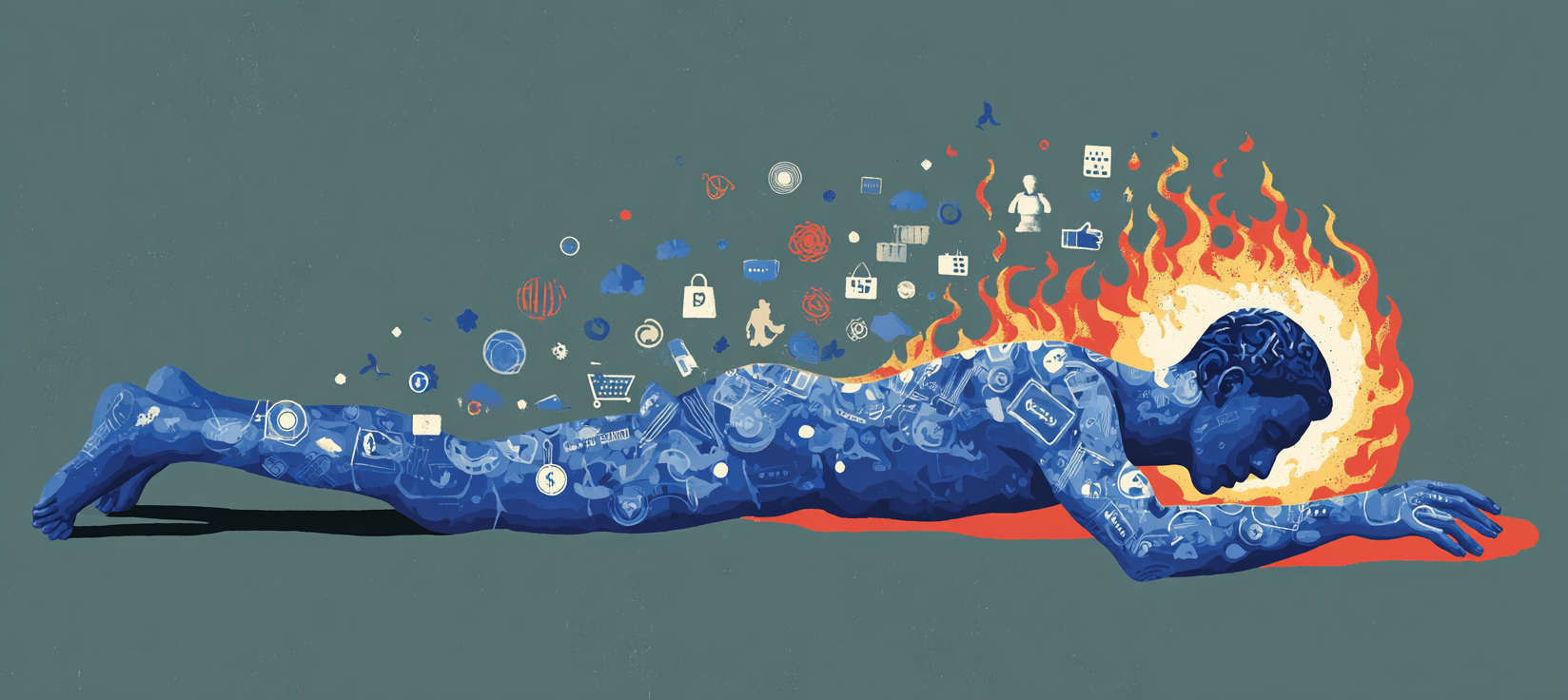
Retailers now trigger ads based on real-time temperature data, exploiting heat stress to sell you relief before you've consciously registered discomfort.
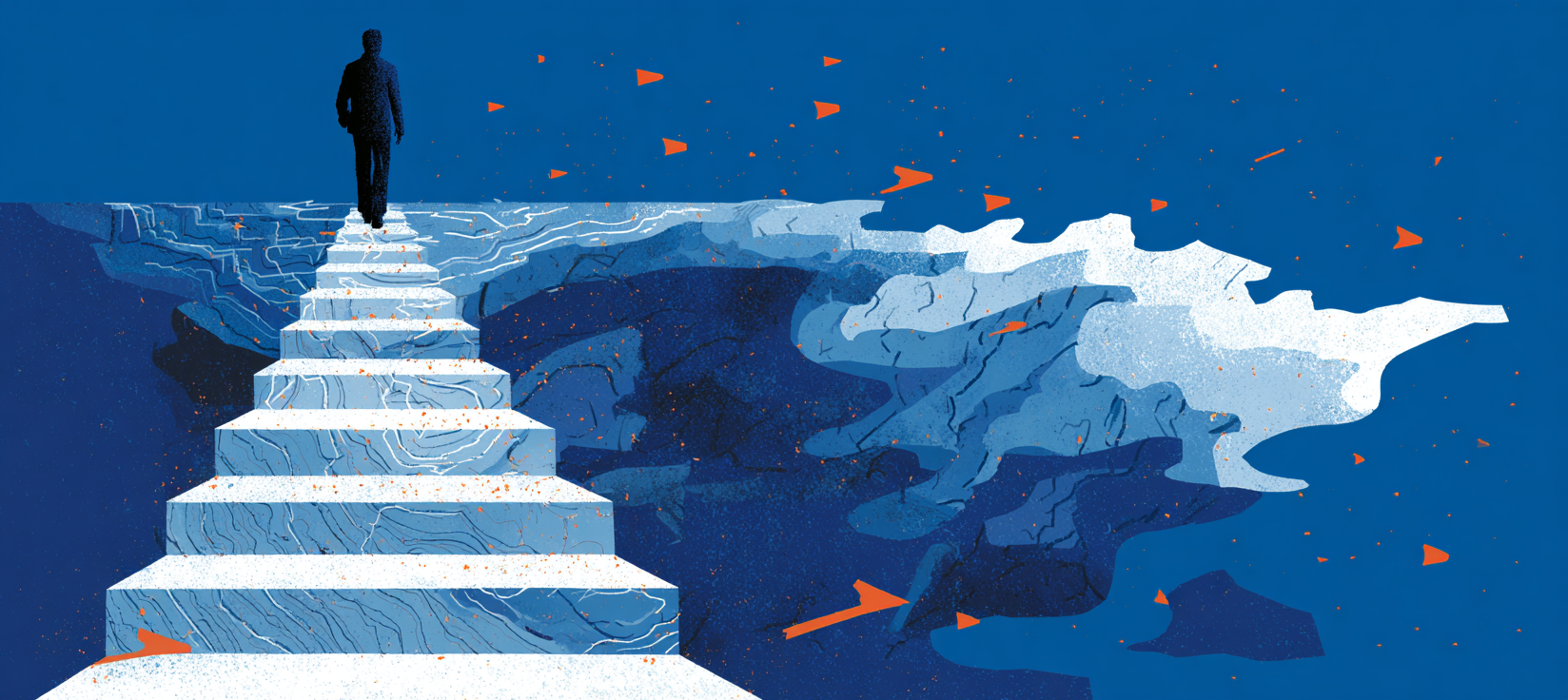
A bush pilot watches Alaska's permafrost buckle beneath runways he's flown for decades, calculating shrinking margins between knowledge and catastrophe.