
Past Articles
October — Issue #52

Four household types in one California county get the same El Niño forecast. Tenure, insurance eligibility, and employment structure give each of them a different September.

The survey says 90 percent of Americans are affected by heat. Hospital records, school closings, and utility data show how many different things that single number is covering up.
September — Issue #51
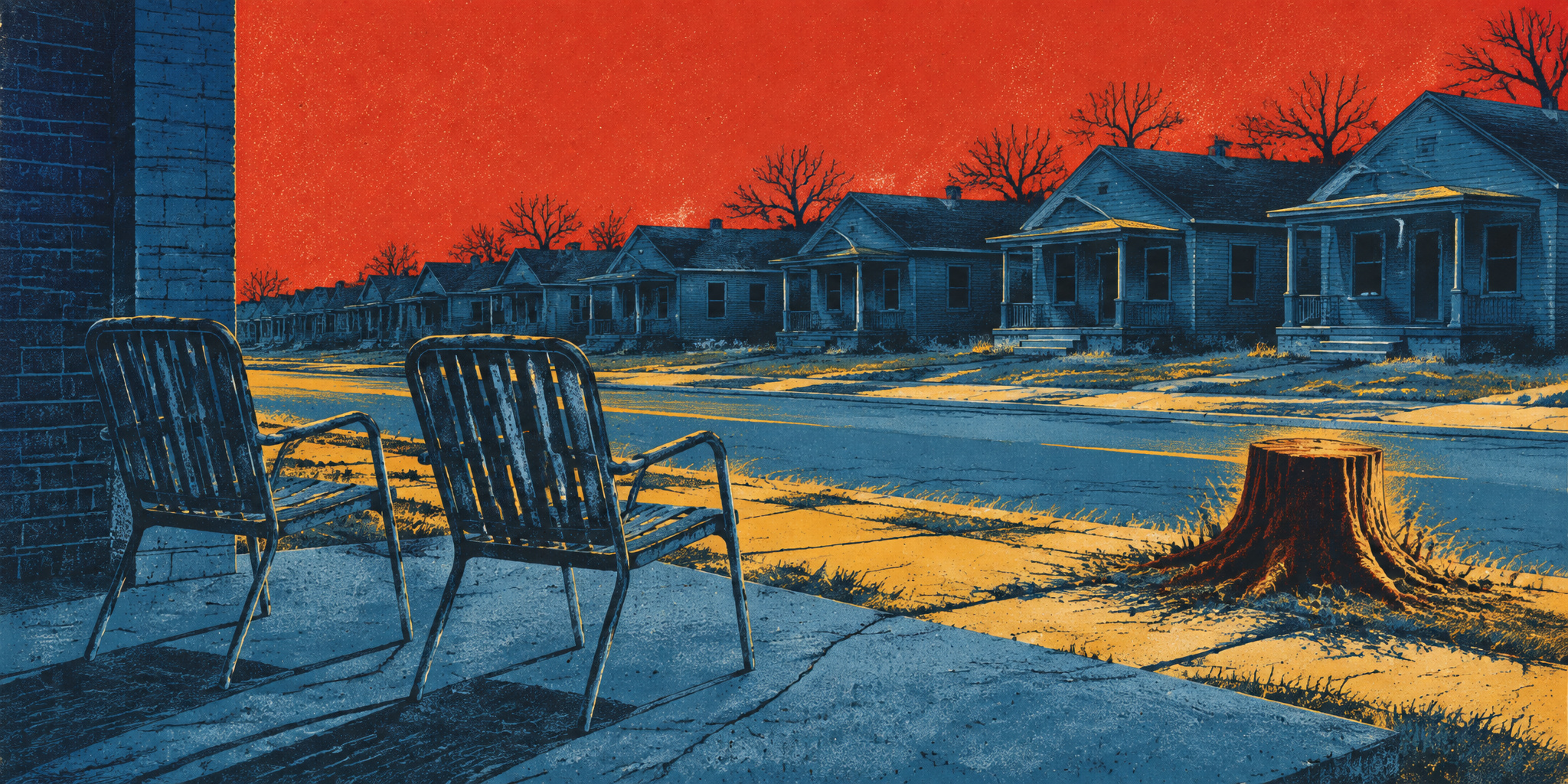
Five years of small, practical fixes in one Kansas City house, none of them made as climate decisions.
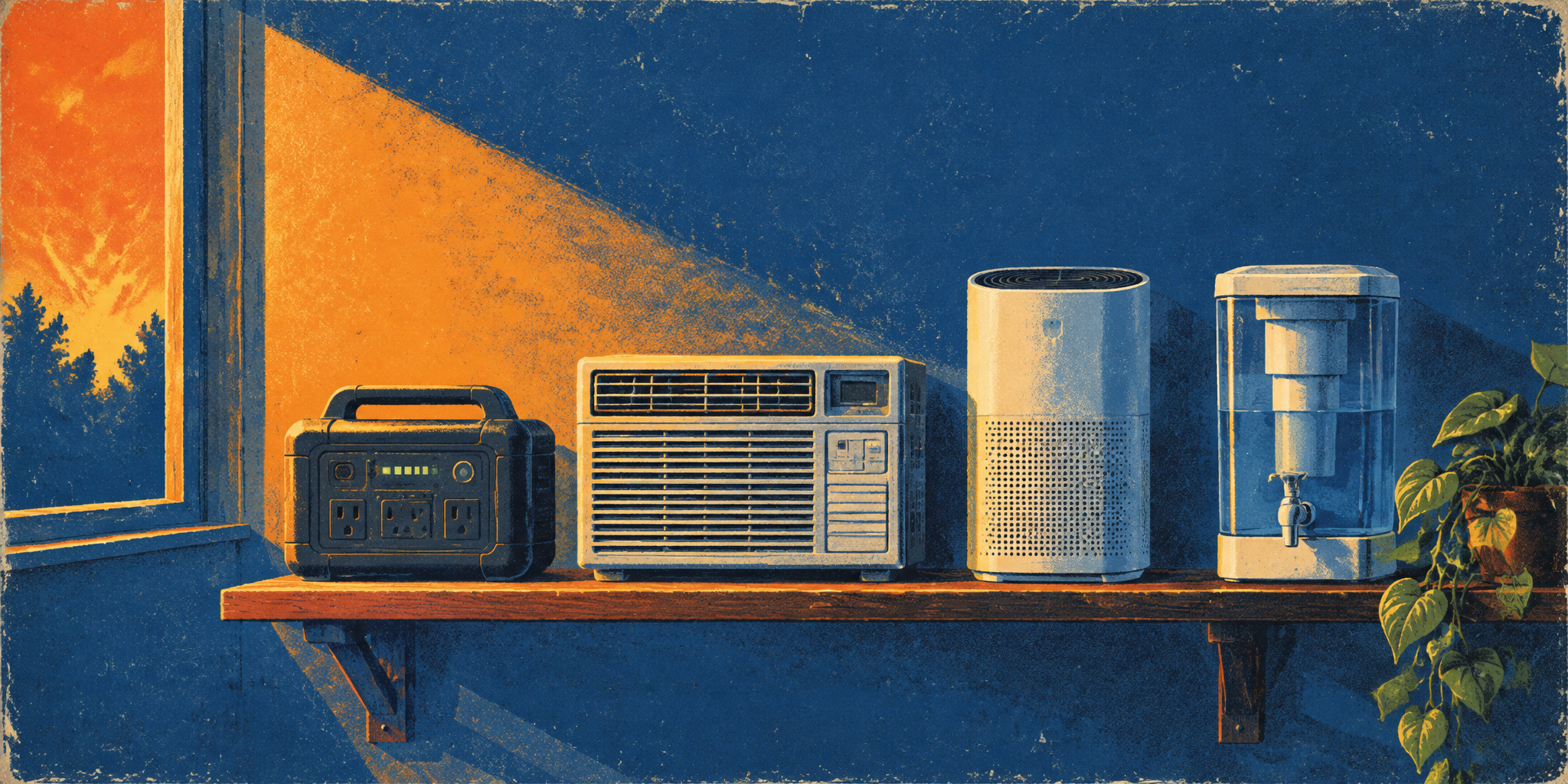
Evidence across mobility data, spending patterns, and surveys shows Americans are reorganizing daily life around heat without recognizing it as climate adaptation.
September — Issue #50
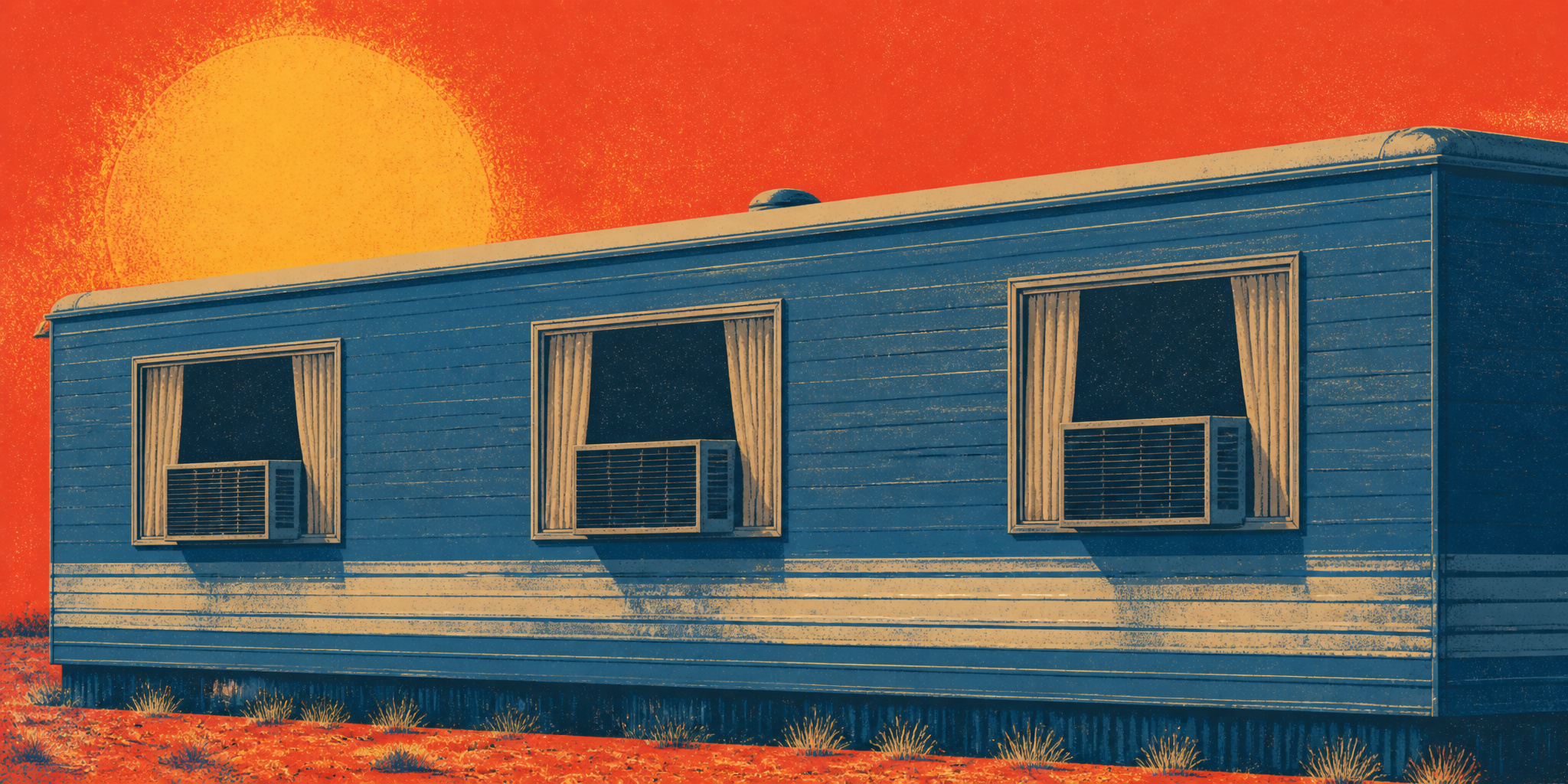
Three years of Maricopa heat death reports and Philadelphia school dismissal lists show nearly identical demographic and structural profiles beneath shifting annual totals.

A mobile-home park on North Carolina's Pigeon River flooded three times in twenty years, and the people it stripped each time never owned the ground under them.
September — Issue #49

Traces the dollar path from a condo reserve deficit through special assessments, owner choices, and Fannie Mae rules that reshape who absorbs the cost.
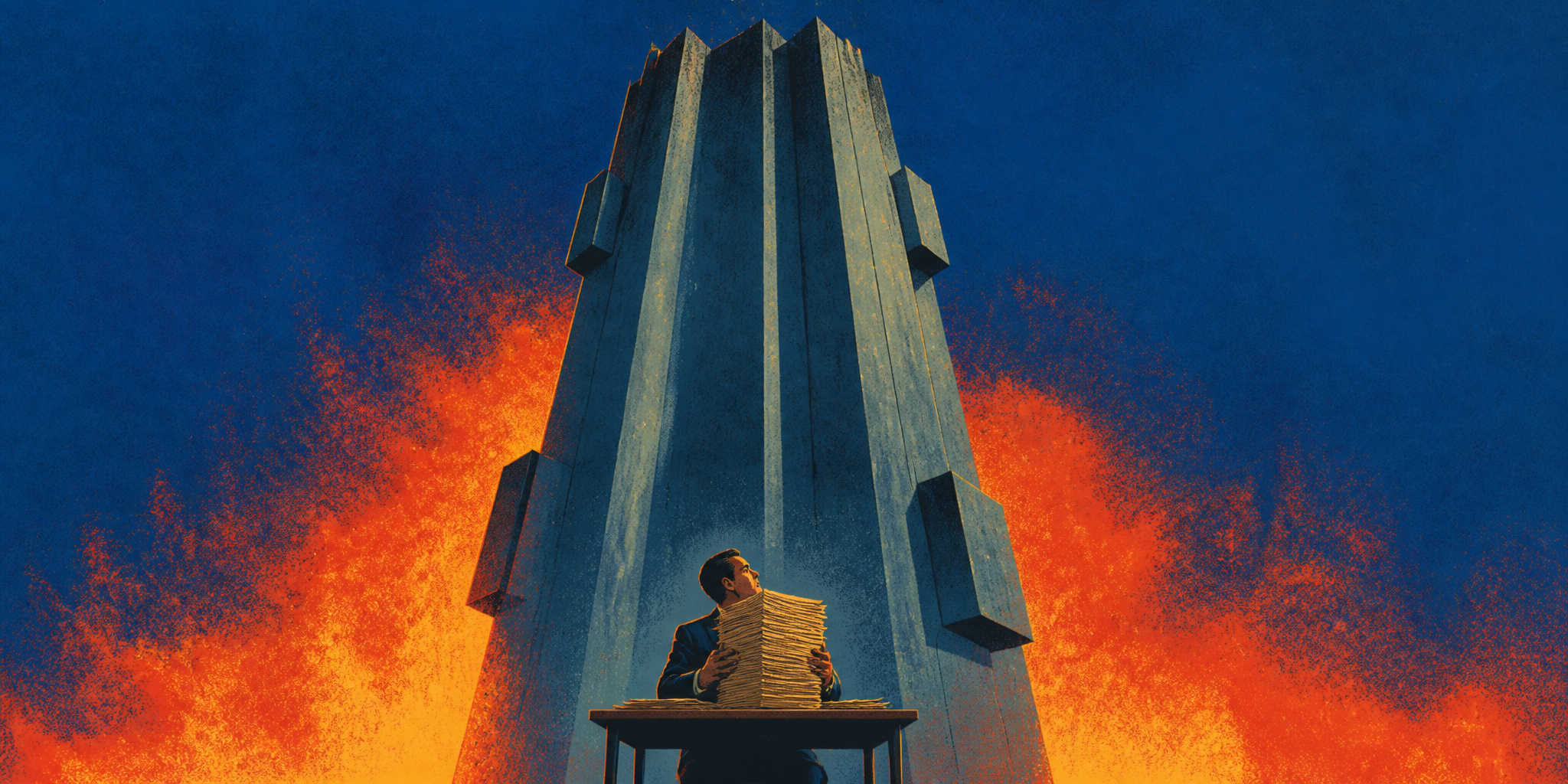
Volunteer condo boards across climate-exposed America are making million-dollar structural decisions with four hours of training and no professional backup.
September — Issue #48
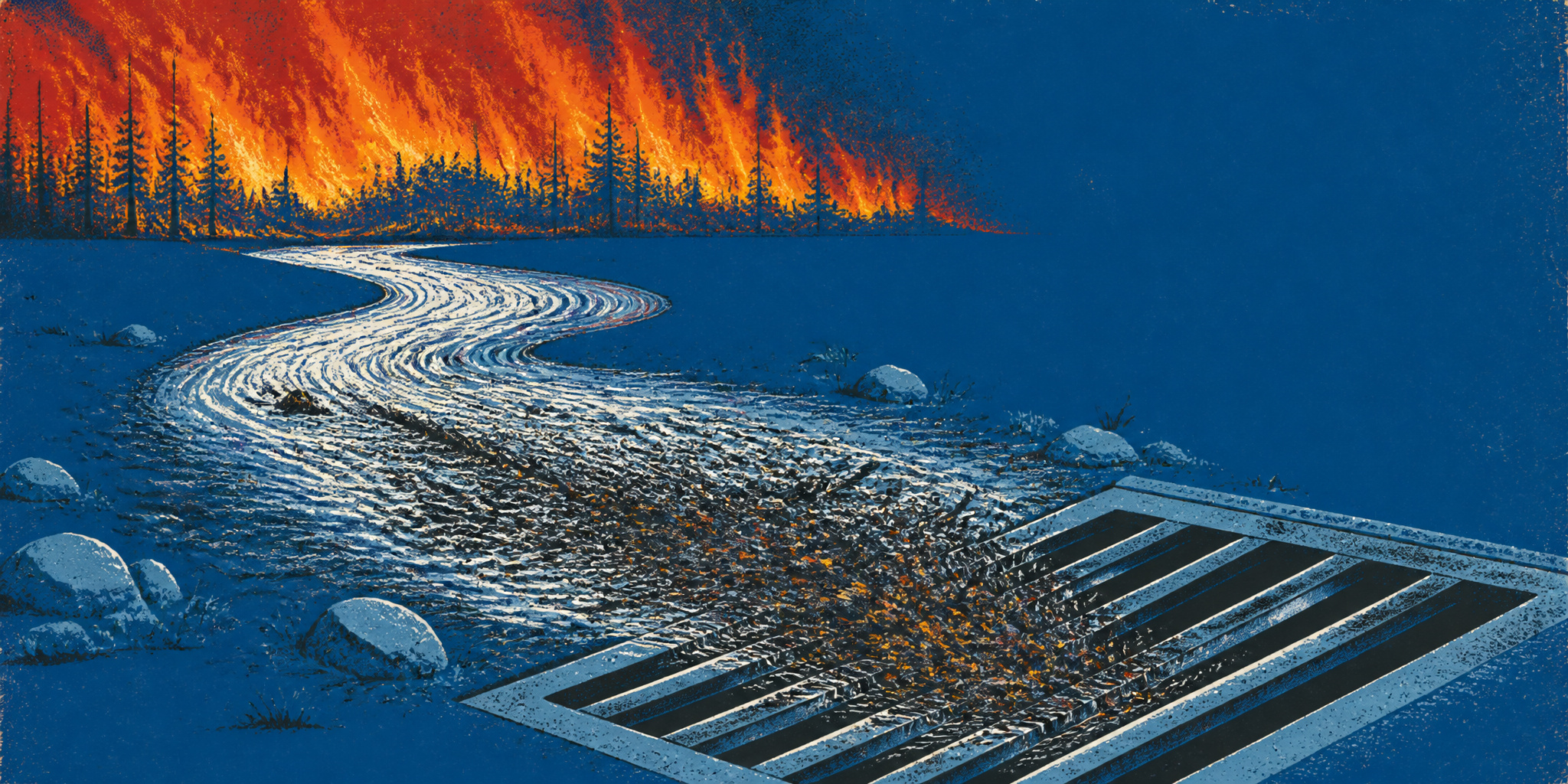
How Walla Walla's water system, its operators, and its backup wells are managing an active watershed fire before the first real rain arrives.
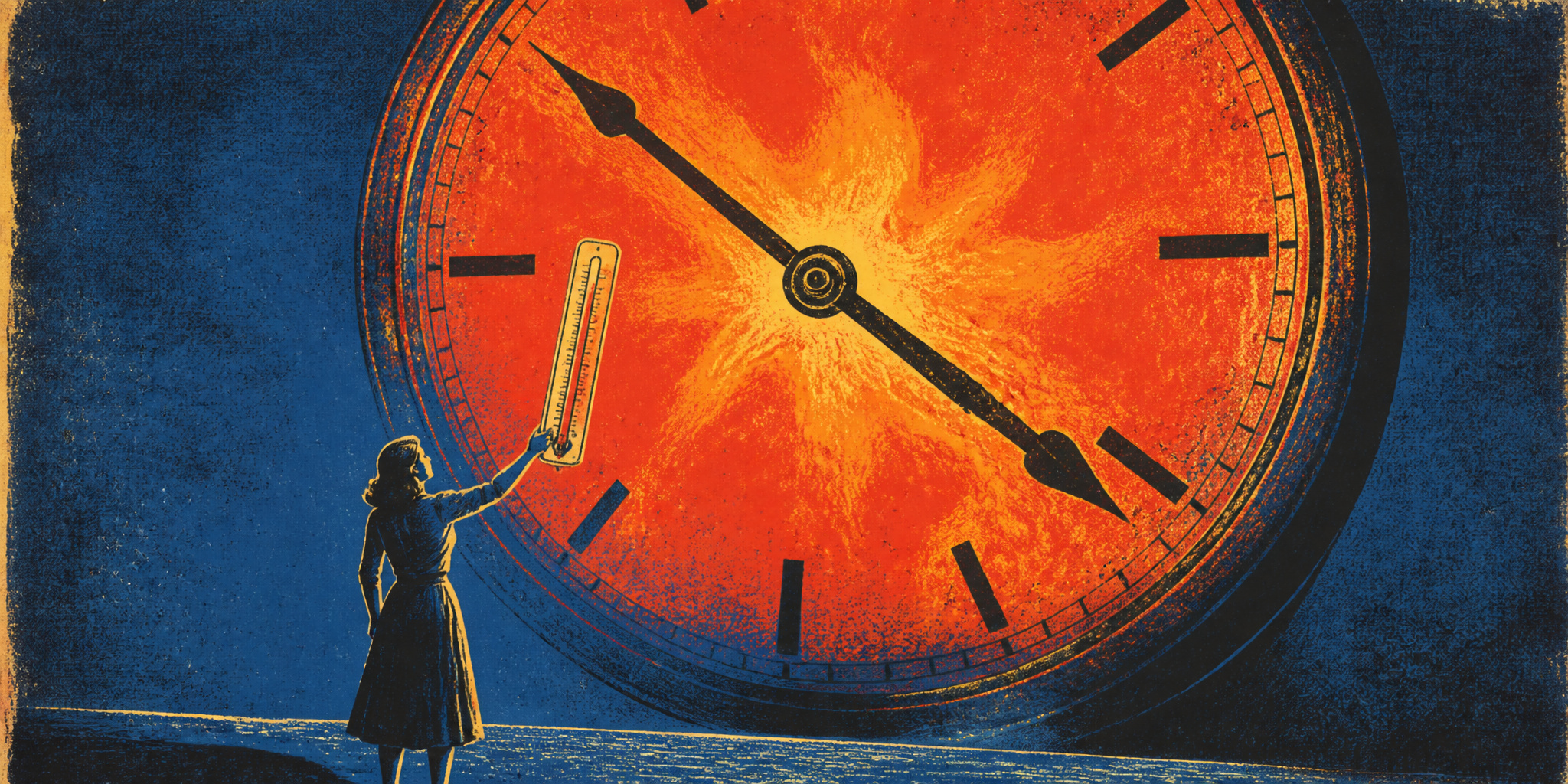
Each step a Houston renter must complete to enforce the new cooling ordinance, and what each step quietly costs them.
August — Issue #47

An anthropological reading of the climate-adaptation objects accumulating in American households, examining what each reveals about the shift from public systems to private provisioning.
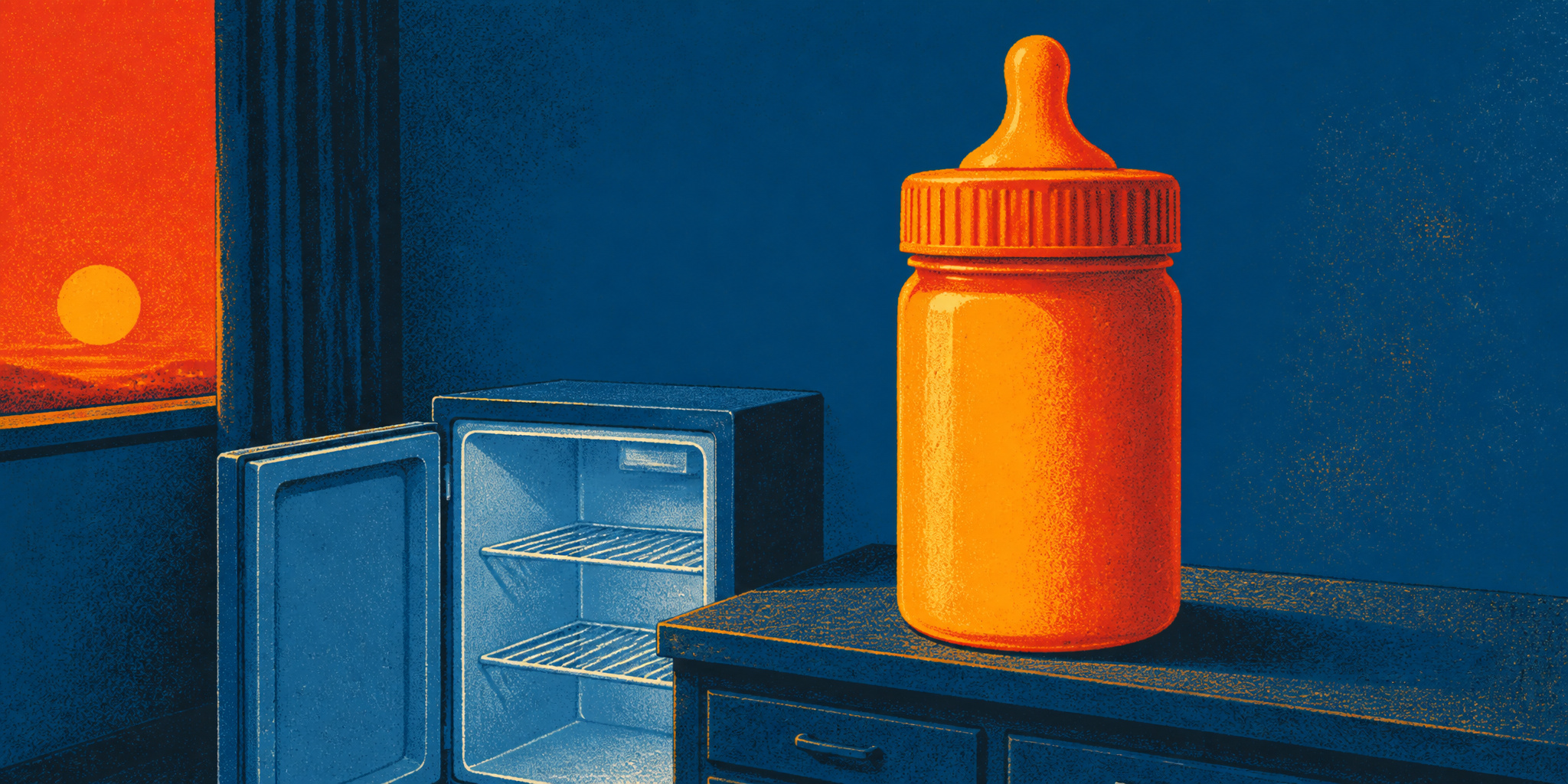
Emergency systems assume households can lose refrigeration, mobility equipment, documents, and medical routines without consequence; specific cases show how those assumptions fail.
August — Issue #46

Five institutional systems price the same climate-stressed house differently, the gaps are widening, and only the homeowner has to reconcile them.

Community ties function as climate adaptation systems that shape who survives and who recovers, yet formal risk assessments and buyout calculations have no field for them.
August — Issue #45

A century of measured change in New Mexico's Jornada Basin reveals what it means to live inside a grassland becoming desert.

Parents, teachers, and communities are improvising contradictory answers to children's climate questions, navigating honesty, protection, and silence without resolution.
August — Issue #44
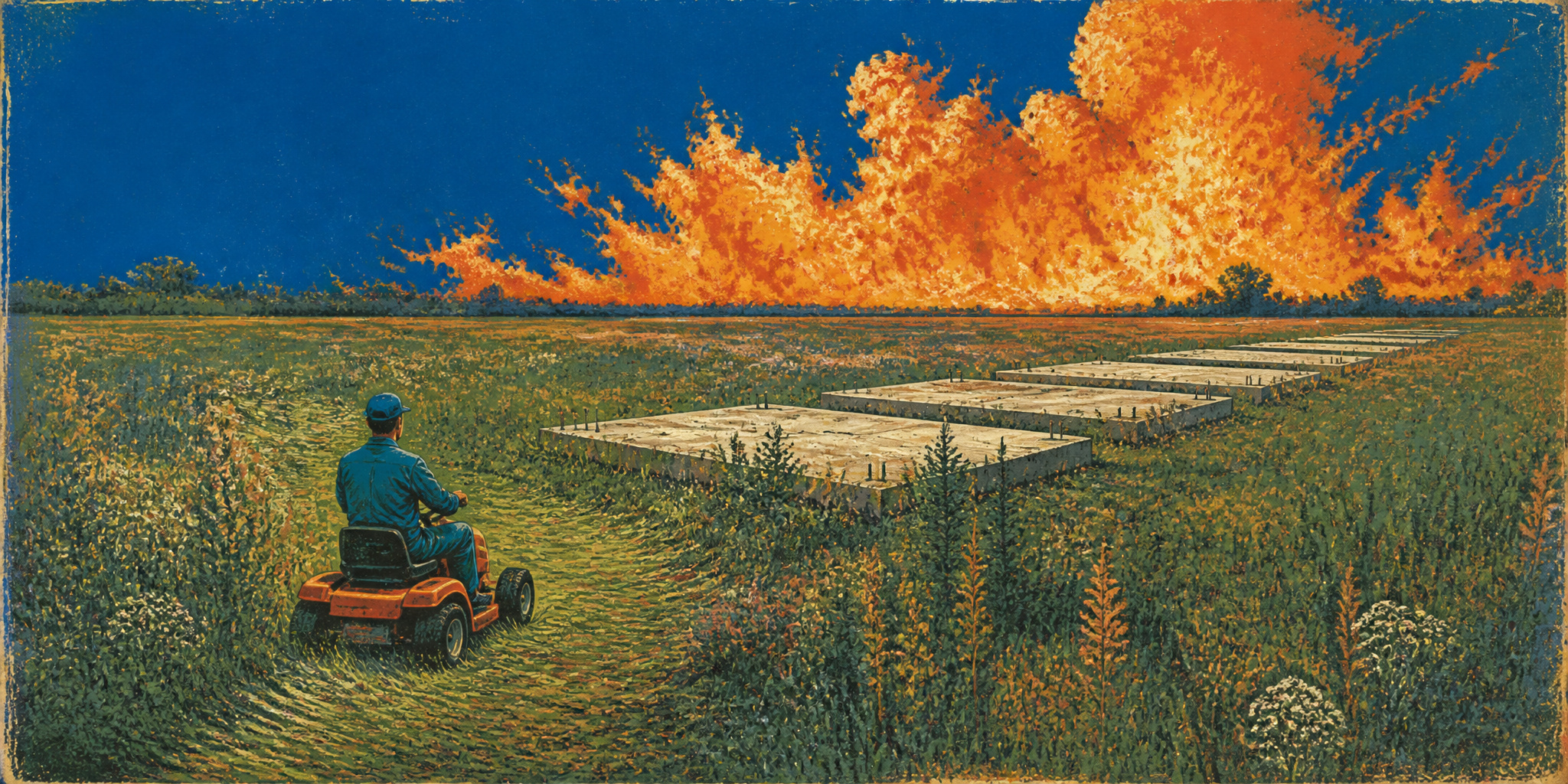
Federal climate money builds protections and almost never pays to keep them running — a documented pattern across cooling centers, school retrofits, home batteries, and flood buyout land.

A flood siren maintenance manual, complete with inspection intervals and troubleshooting tables, in which the blank responsible-party fields and missing appendices are the operative content.
August — Issue #43

A house goes dangerous in hours. The repair takes weeks. Both numbers are public, and nobody has done the subtraction.

Reading a window AC manual on purpose: who its "you" actually is, and why no lease, code, or ordinance ever repeats the one instruction it gives.
July — Issue #42

A clause-by-clause reading of LA County's debris-removal permit reveals the insurance assignments, liability transfers, and timeline traps homeowners accept at signing.
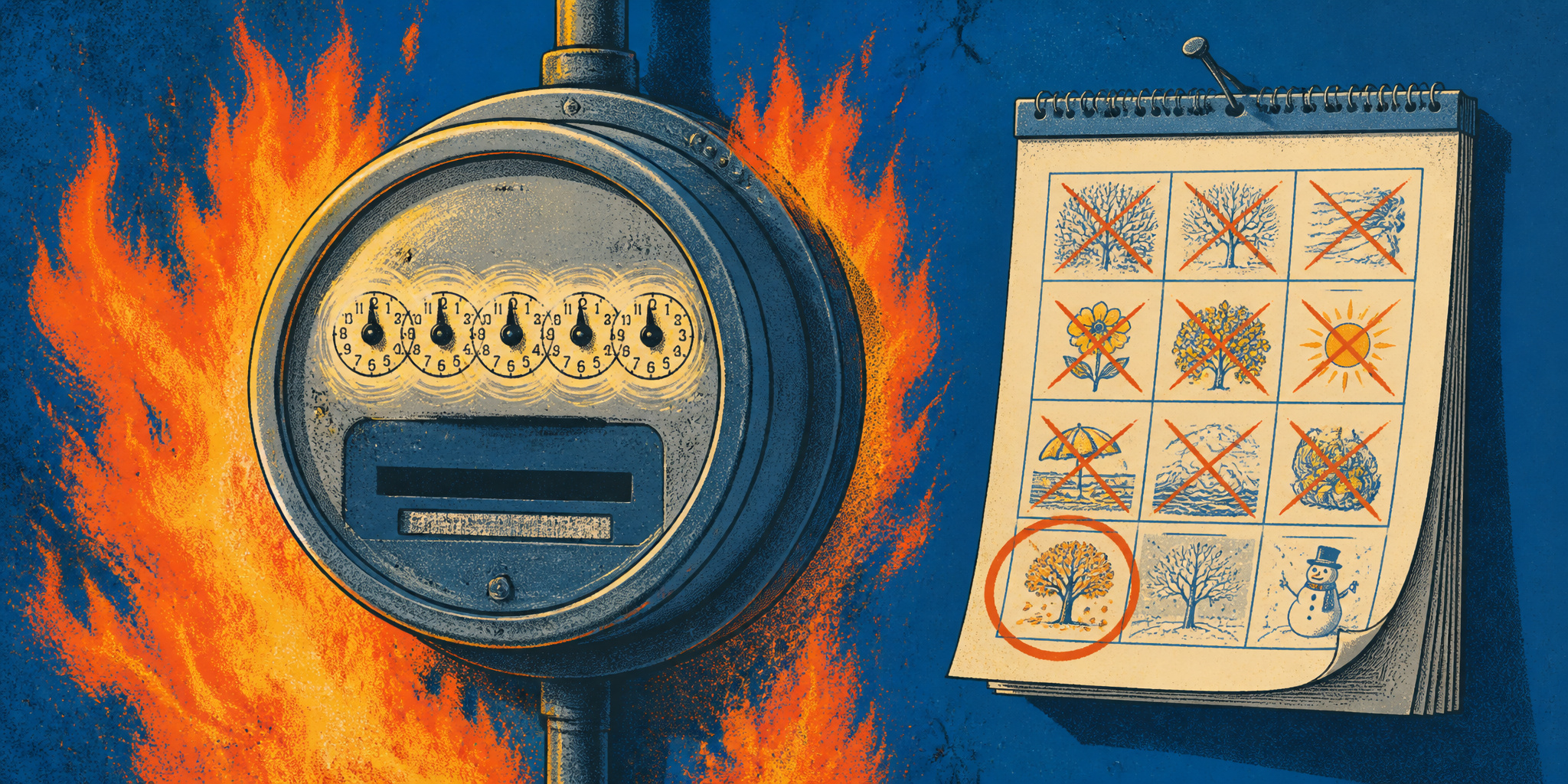
A phrase-by-phrase reading of Arizona's summer shutoff moratorium reveals the distance between disconnection protection and cooling safety.
July — Issue #41
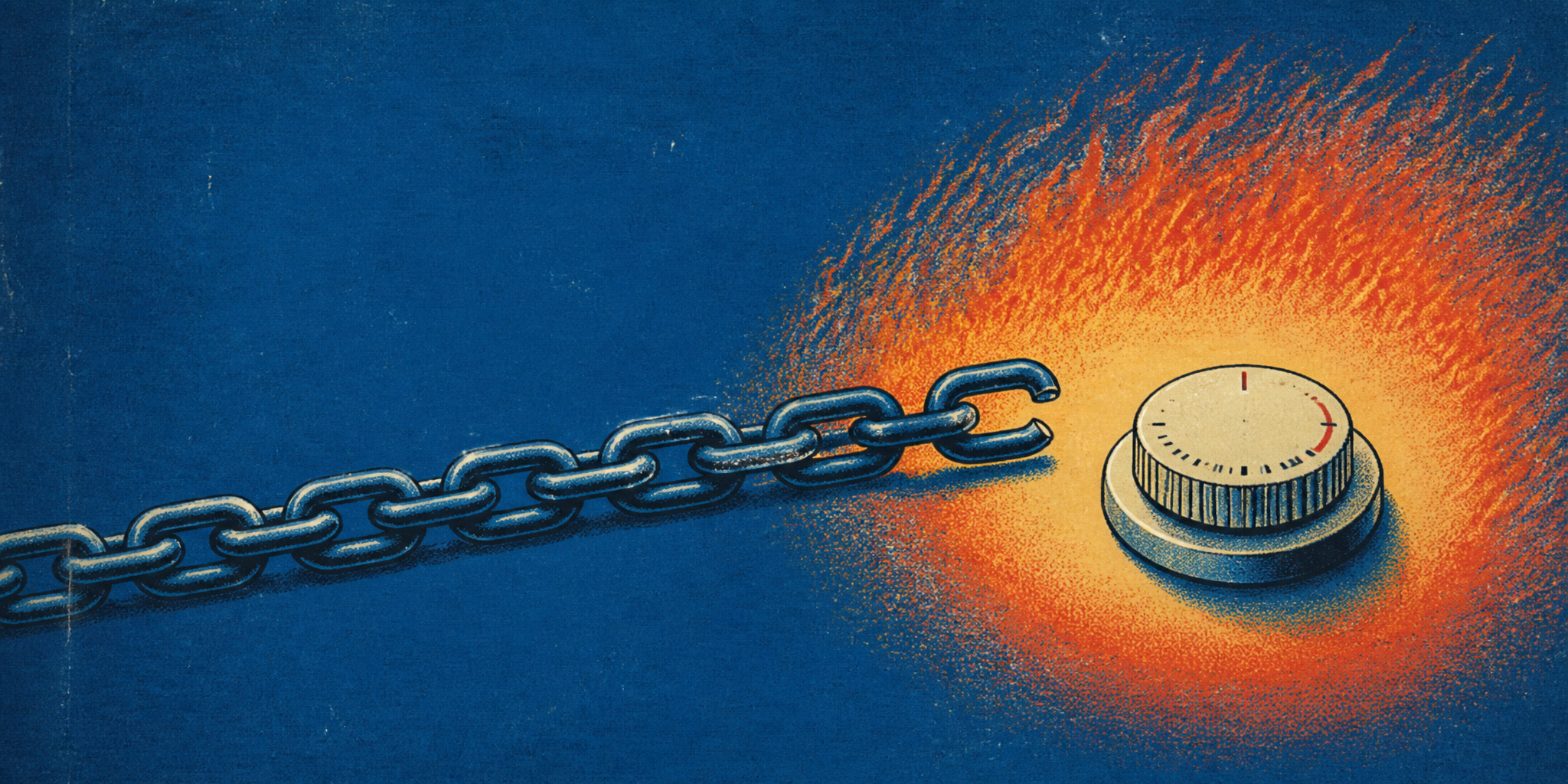
What does "the apartment has air conditioning" actually promise? A forensic unpacking of every hidden condition between a home's AC unit and actual safety from heat death, following the chain link by link until the sentence can never sound simple again.
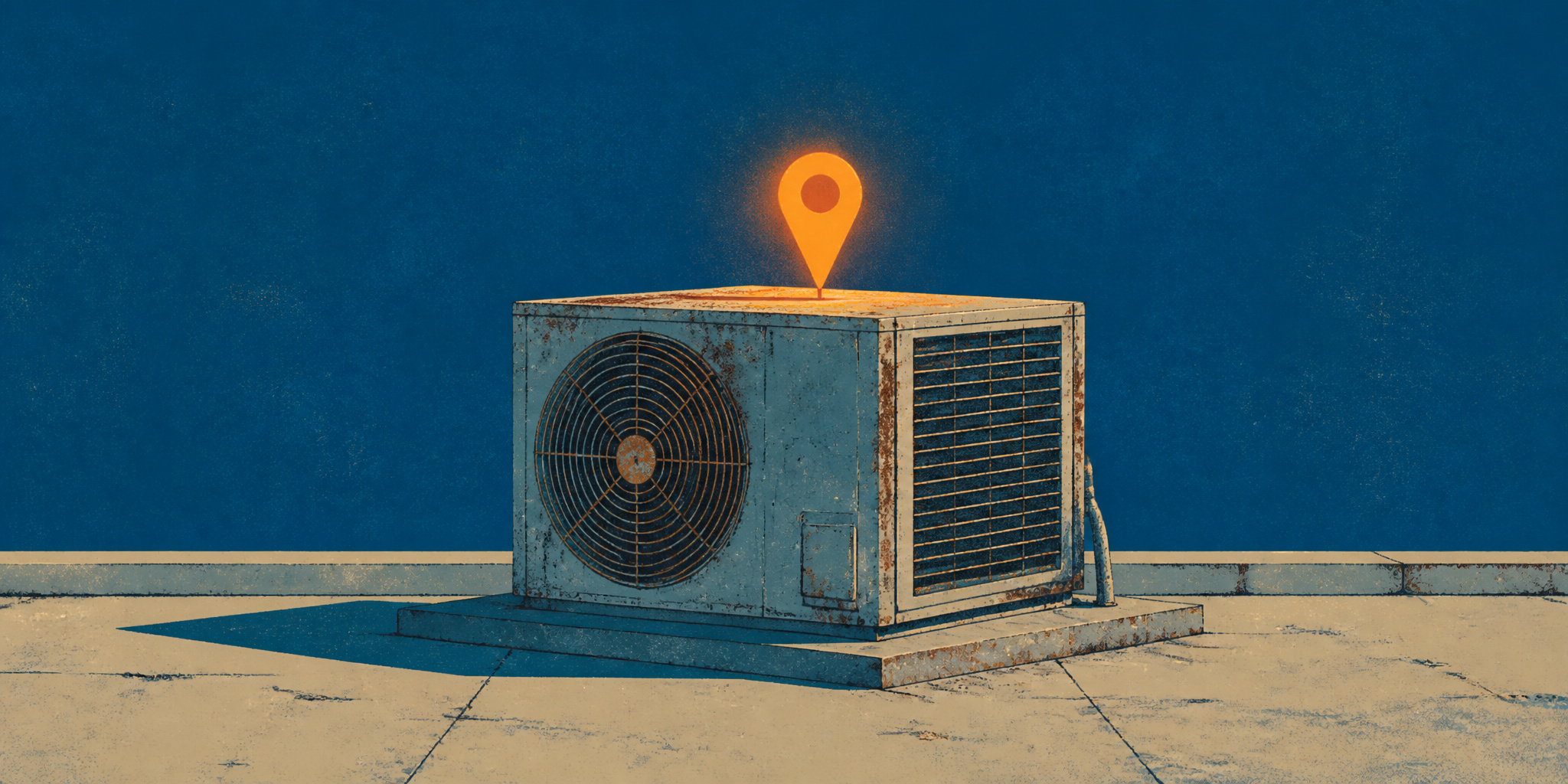
Public cooling-center listings compress building age, HVAC condition, filtration capacity, and operating hours into clean directory entries. Nobody has audited what the buildings behind the pins can actually deliver.
July — Issue #40
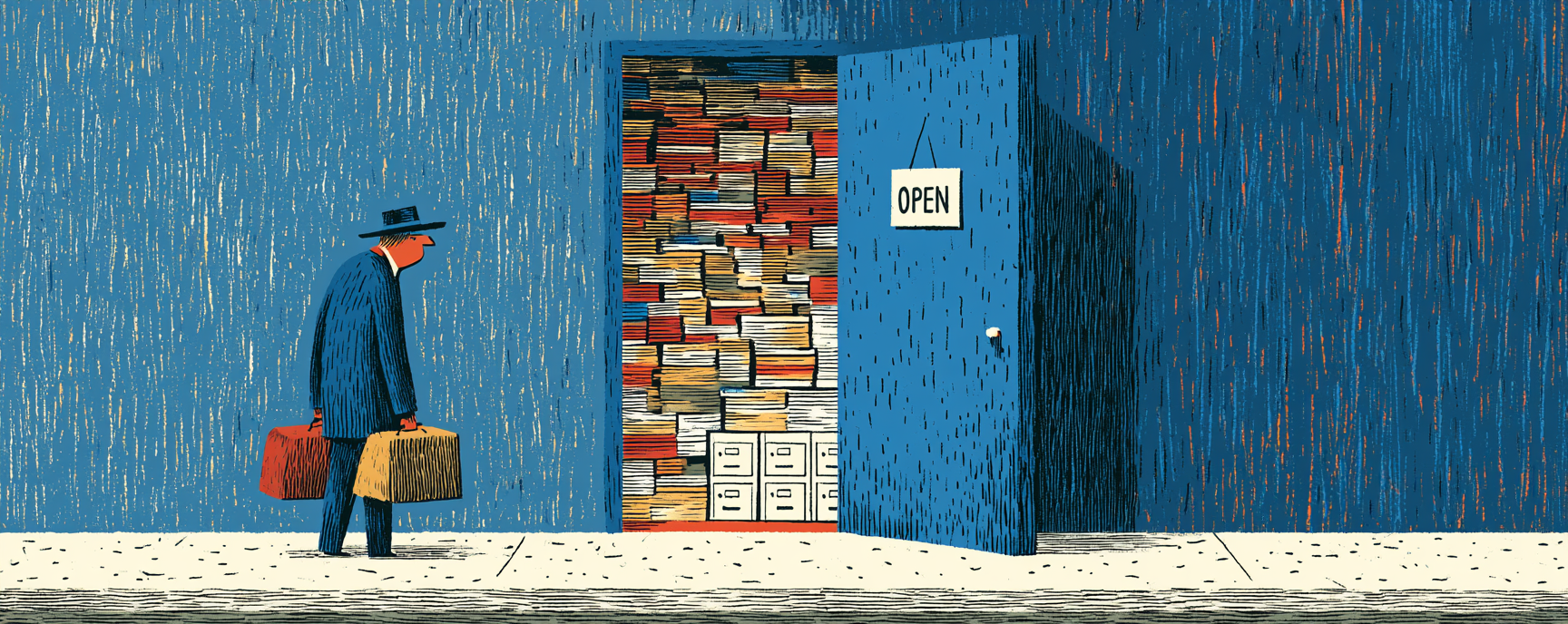
Official disaster and heat-relief language promises help in words like "open," "awarded," and "eligible" that obscure the distance between institutional status and human safety.

Institutional actors translate climate reality into form fields and milestone words, carrying the weight of what their categories compress.
July — Issue #39
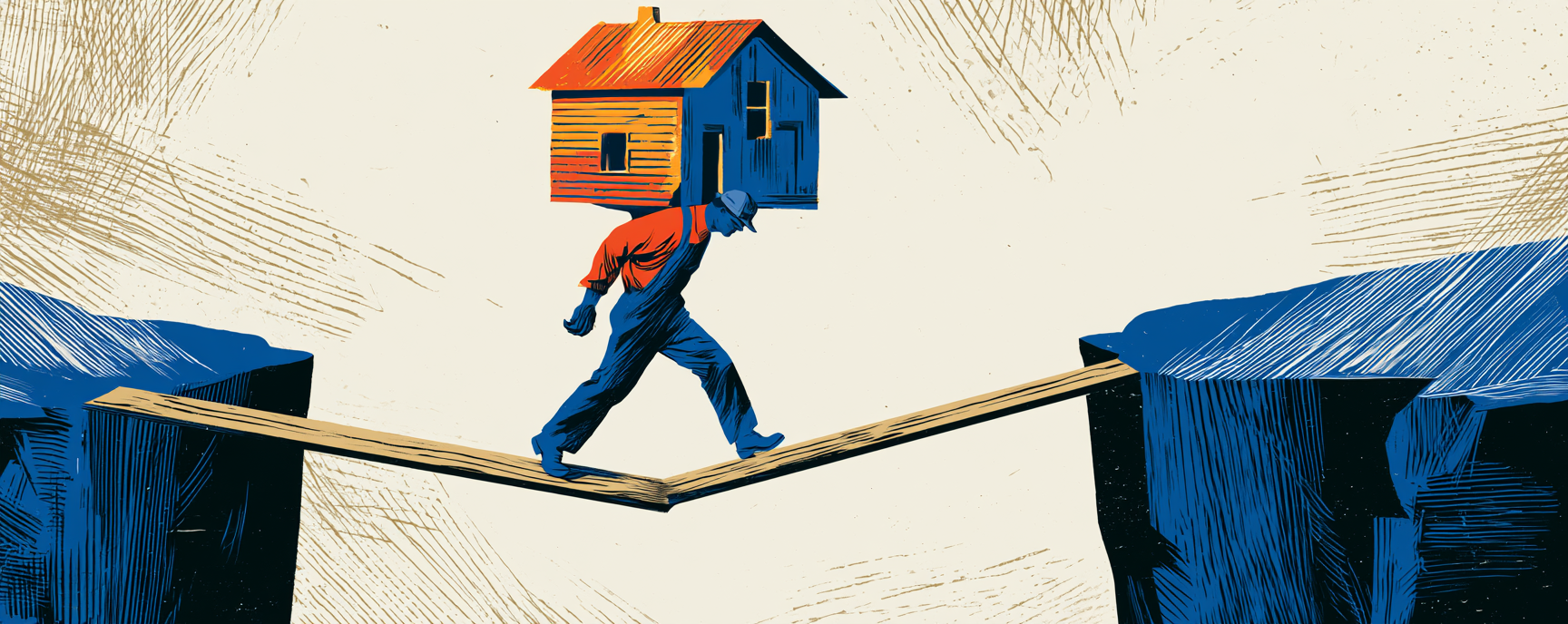
Tracks the documented financial burden households and communities carry while federal climate adaptation programs move slower than the risks they address.

Three documented cases of people carrying the weight of known risks while institutional timelines for buyouts, heat standards, and school cooling grind on.
June — Issue #38

A state-by-state guide to where the law lands when climate-adaptive home modifications collide with HOA covenants.

Heat-safety guidance assumes autonomy over your own environment; for millions, survival depends on someone else's permission.
June — Issue #37

A mother tests every available word for the feeling of quietly adapting her household after expecting collective climate action to arrive.
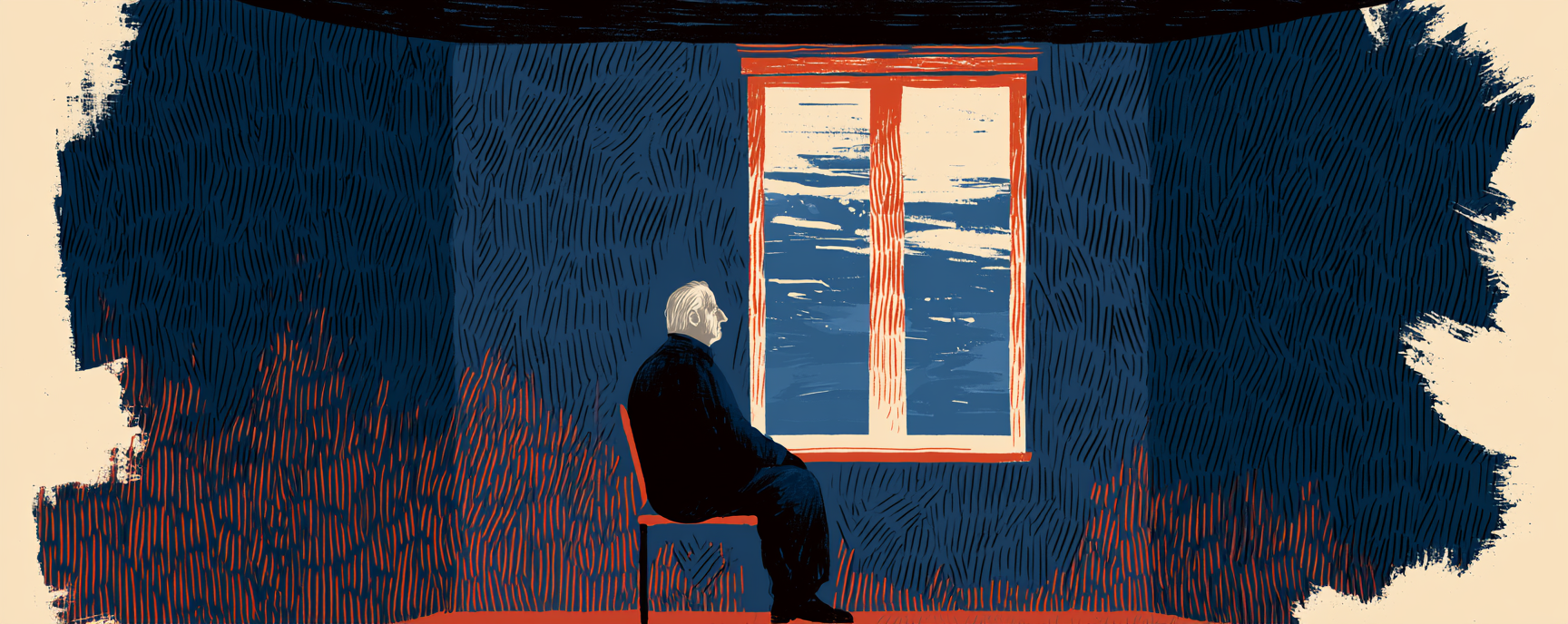
Heat kills mostly indoors, on ordinary summer days, in neighborhoods made hotter by decades of disinvestment, and most counts miss it.
June — Issue #36
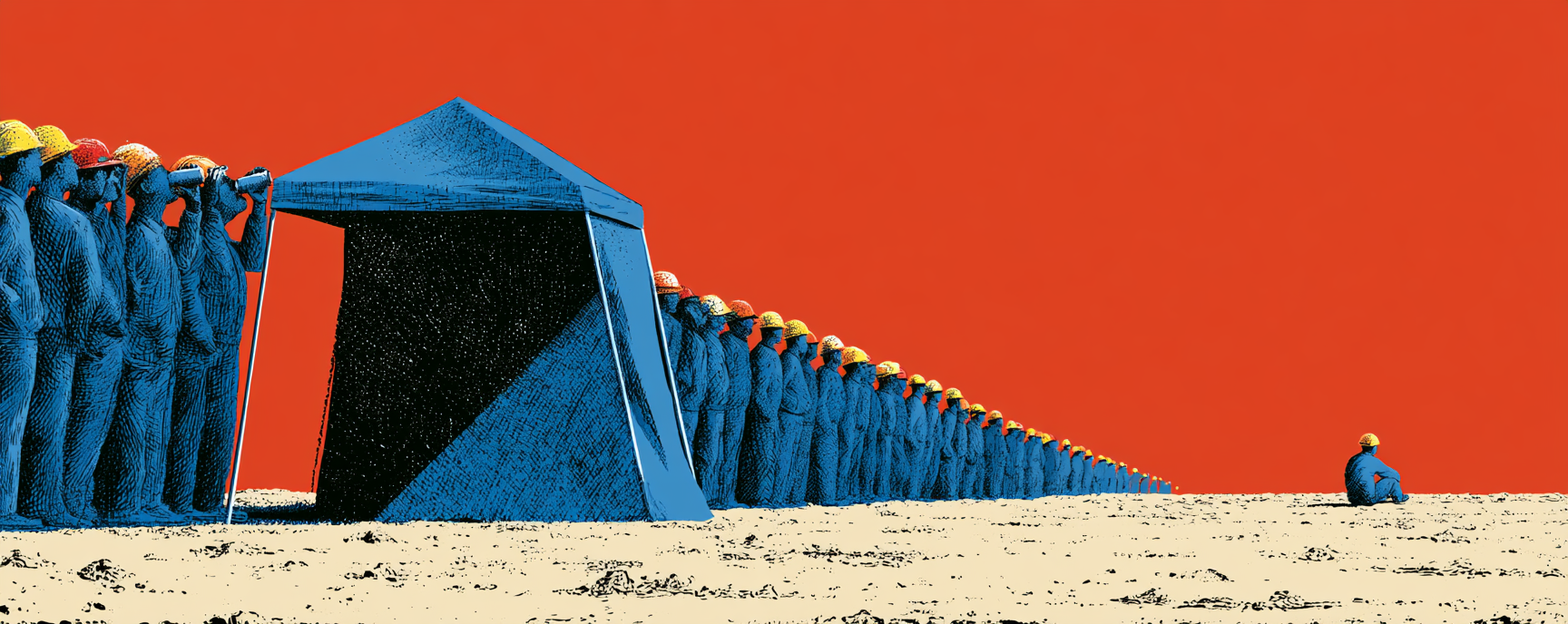
Outdoor workers have built a sophisticated oral safety system against heat; its structure, transmission, and fracture points have never been documented.

Federal workplace heat protection exists mostly on paper; the regulatory machinery's actual capacity falls far short of the rising load.
June — Issue #35

Insurance actuarial models price climate risk with precision, but structural incentives ensure that knowledge degrades at every step before reaching homeowners.
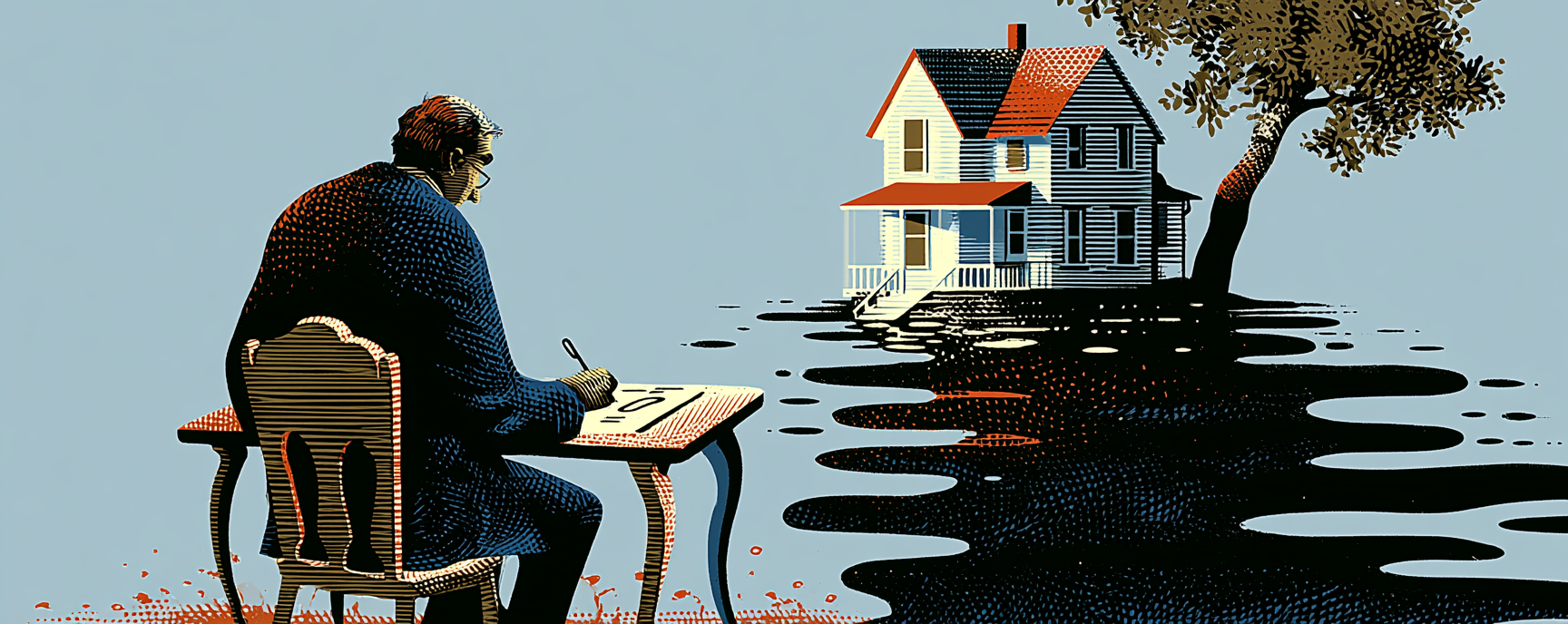
Home appraisals are built to look backward, but climate-driven insurance collapse is making the number they produce describe a vanishing world.
June — Issue #34

An inventory of the scientists, datasets, and interpretive capacity that left U.S. climate and land institutions, and what became unreadable without them.

A structural inspection of five U.S. climate adaptation systems still standing under loads they were never designed to carry.
May — Issue #33
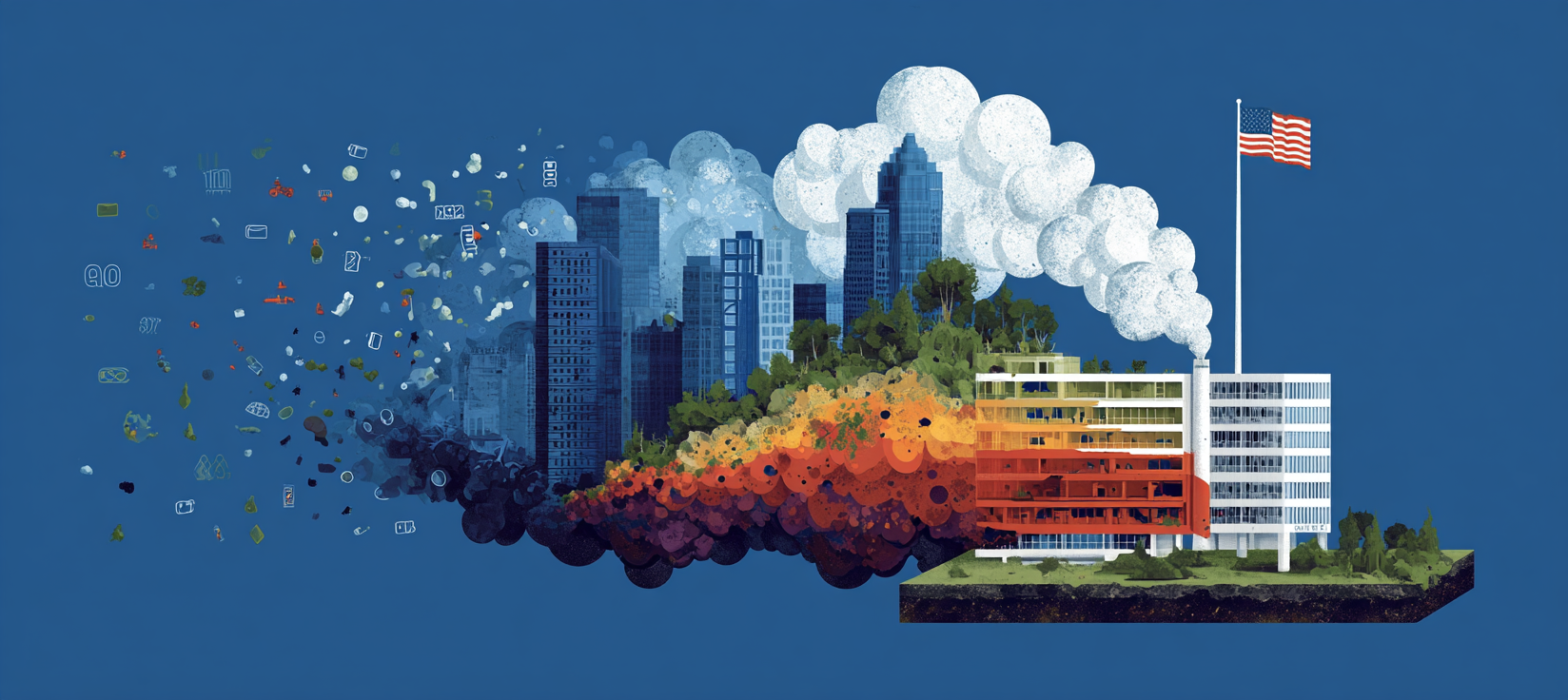
EPA tells schools what to do about wildfire smoke at every threshold. The buildings show what the equipment allows.
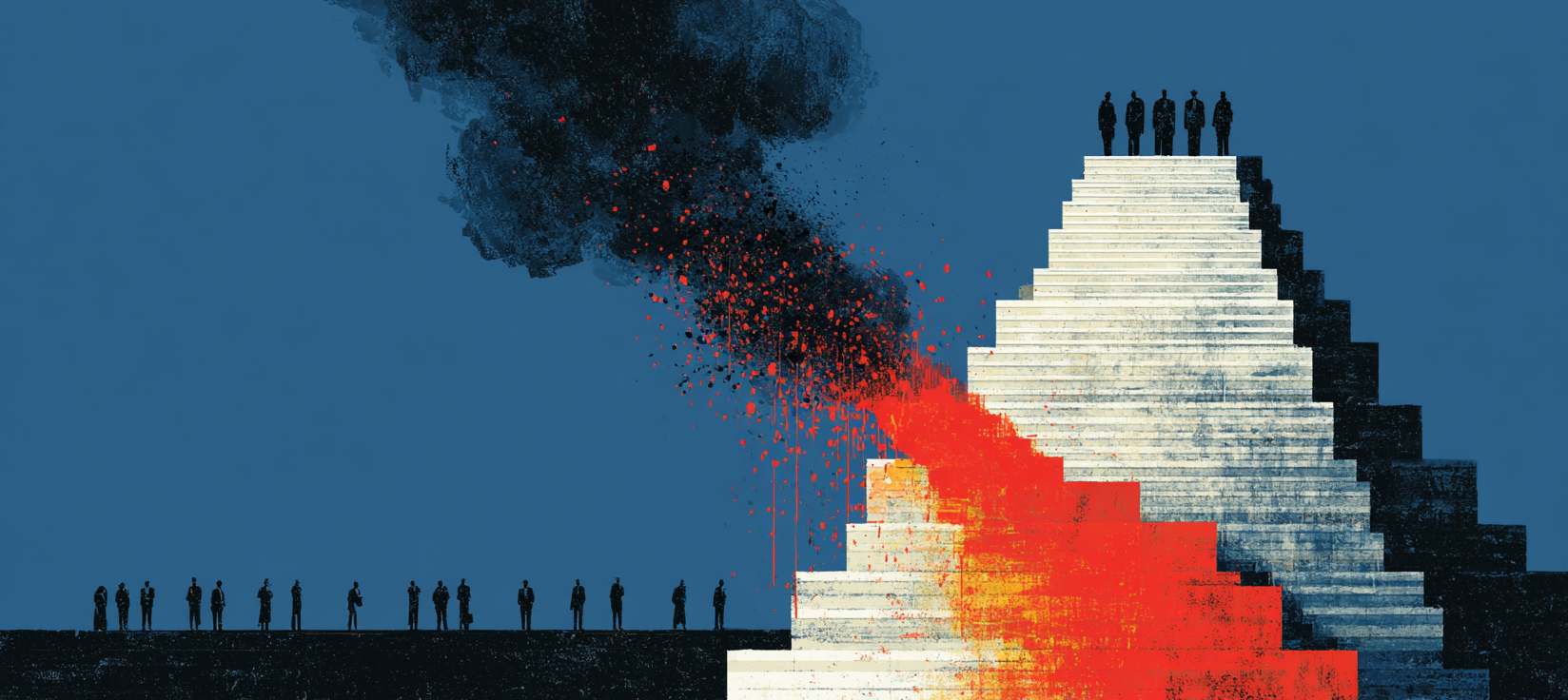
Five days of a school administrator's smoke decision log as AQI climbs past every threshold while the protocol runs out of levels.
May — Issue #32
![Chart Notes (Patient: [REDACTED], Case #HM-2021-04872)](https://vncl-anchor-images.s3.us-east-2.amazonaws.com/on-demand/1778659556_upscale.png)
A family's medical records deteriorate in biological time while their FEMA buyout application loops through bureaucratic time.
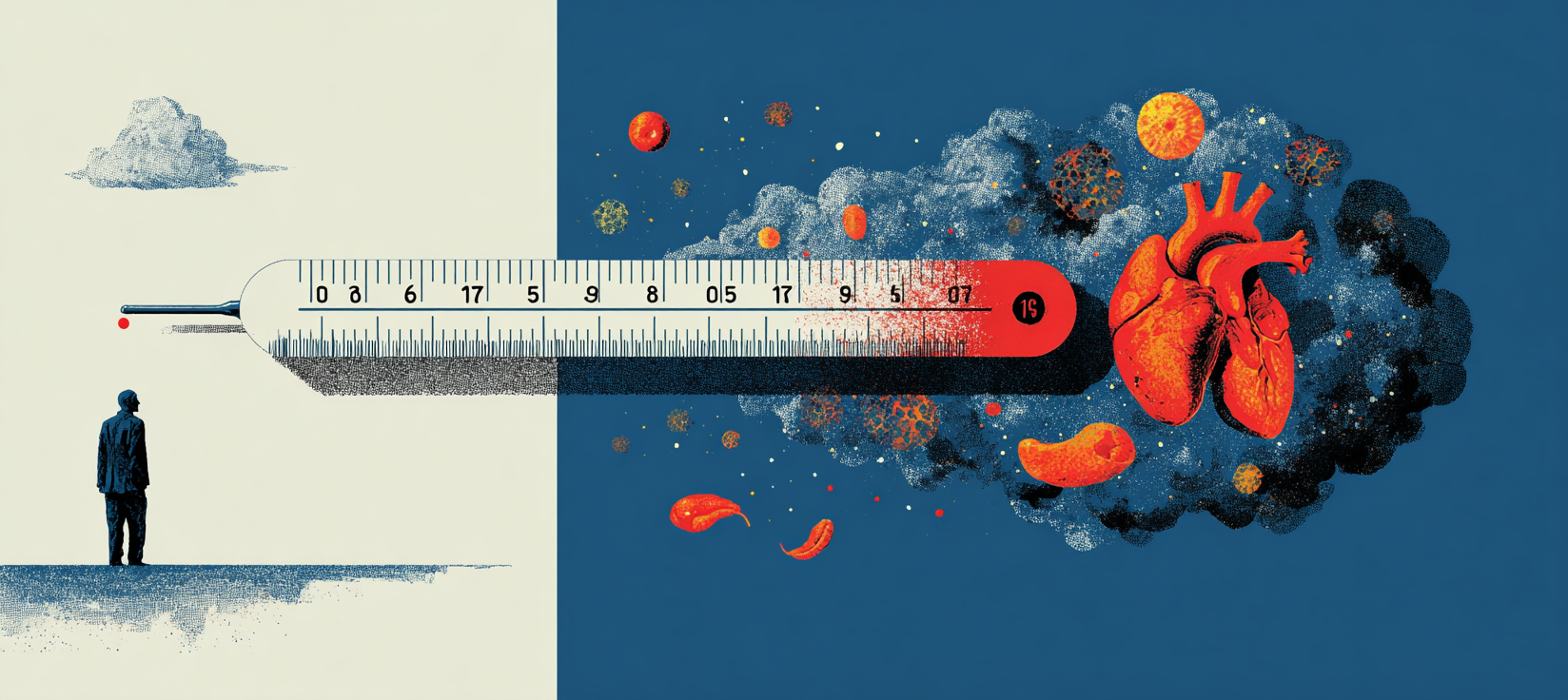
A split-page tracking of human acclimatization physiology against the regulatory vacuum surrounding it, day by day, organ by statute.
May — Issue #31
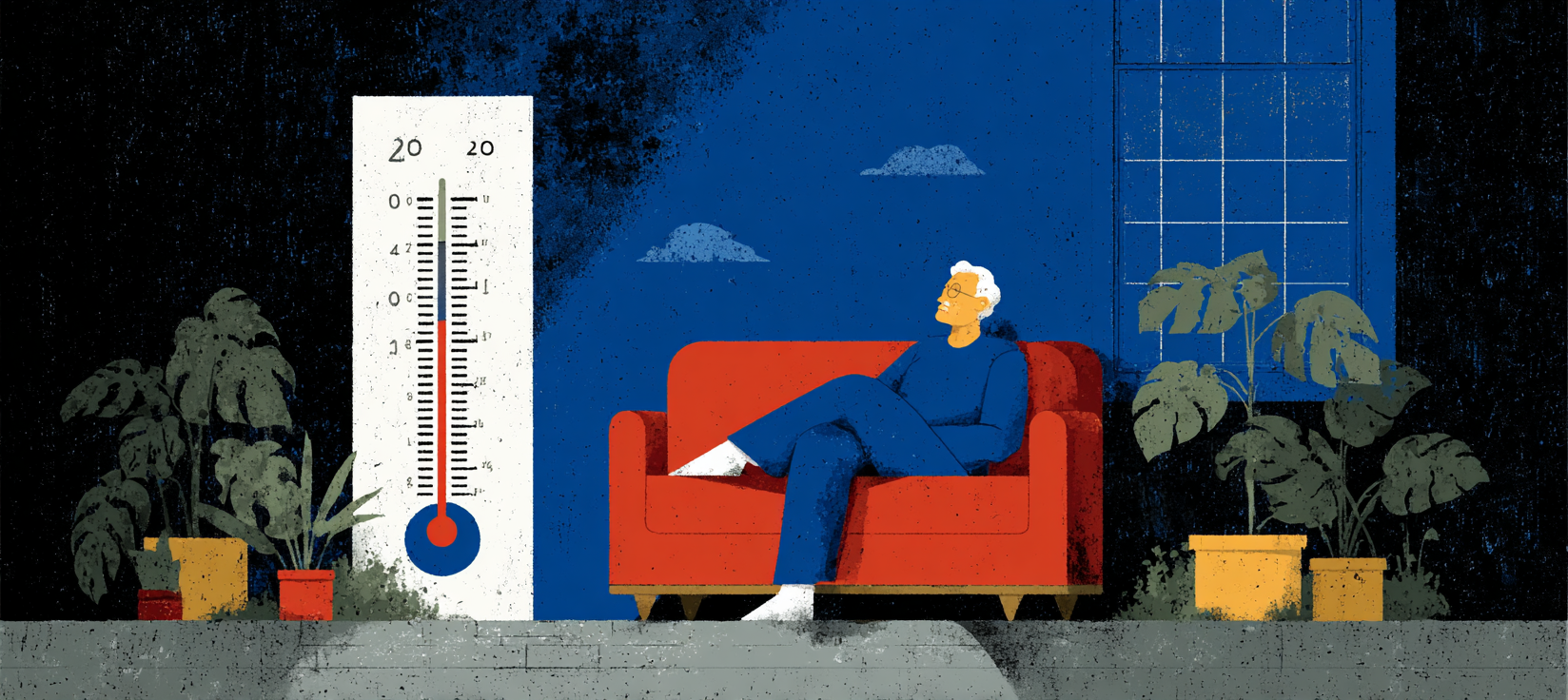
A week sealed indoors, every decision governed by a number on a screen, the air never once described.

A burning house becomes a particle becomes you, tracing the precise chemistry of wildfire smoke from combustion through cell to cancer.

A burning wall becomes a particle becomes a breath becomes a mutation and you never felt the membrane open.
May — Issue #30
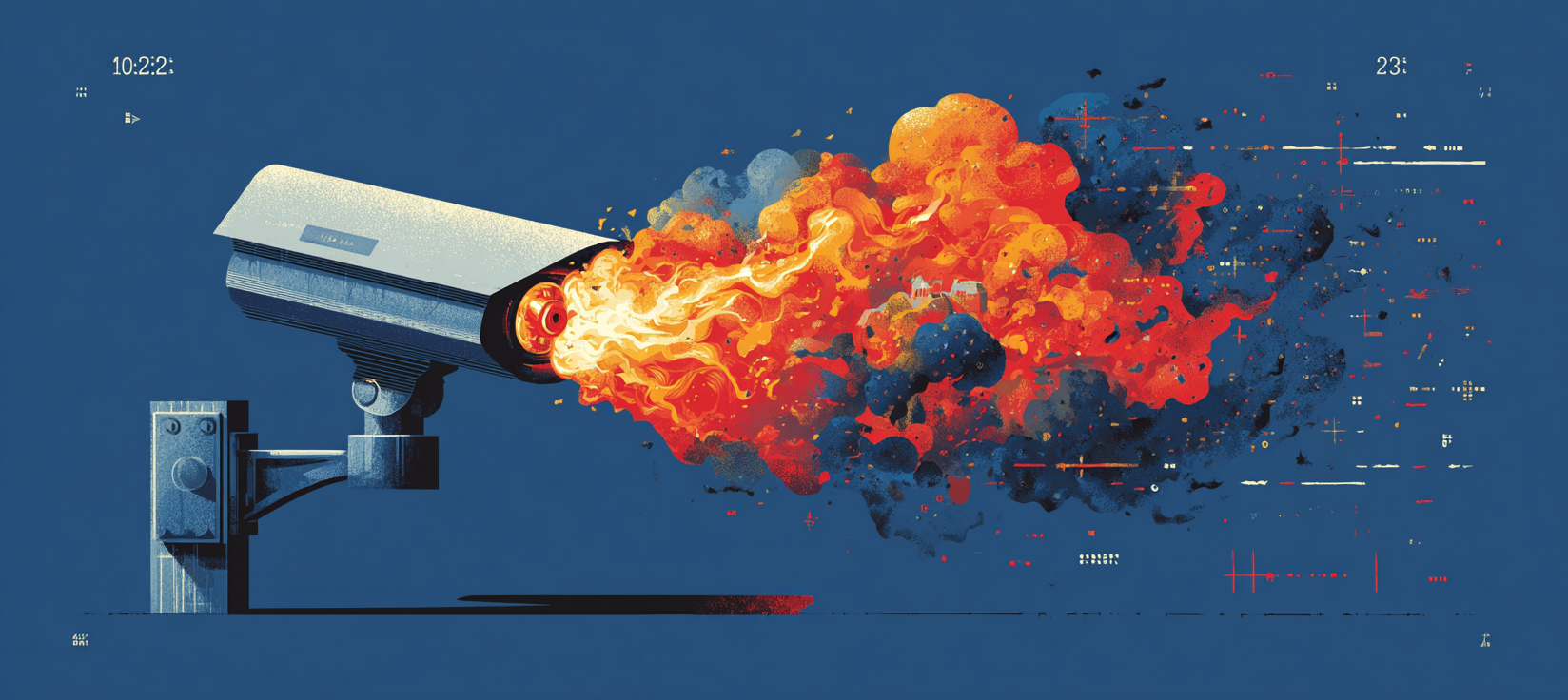
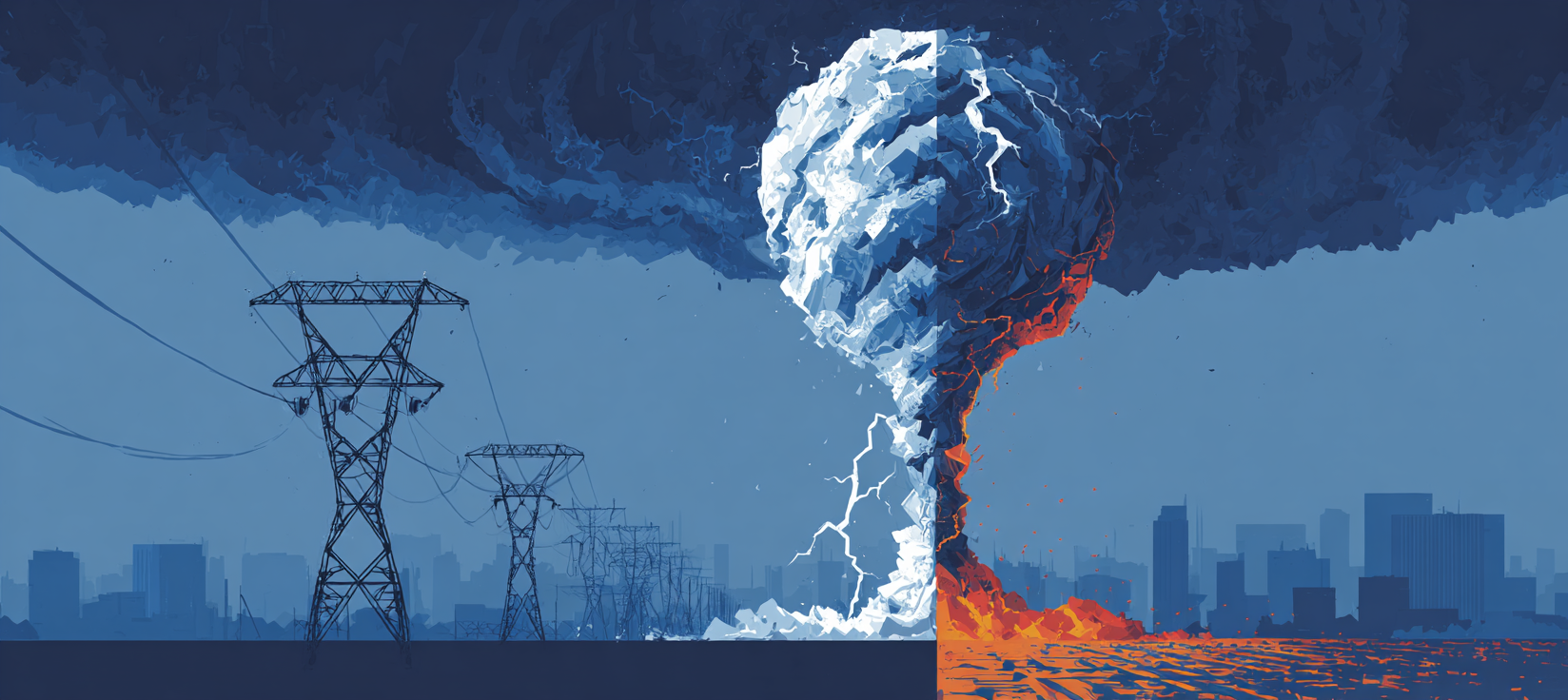
April — Issue #29


April — Issue #28
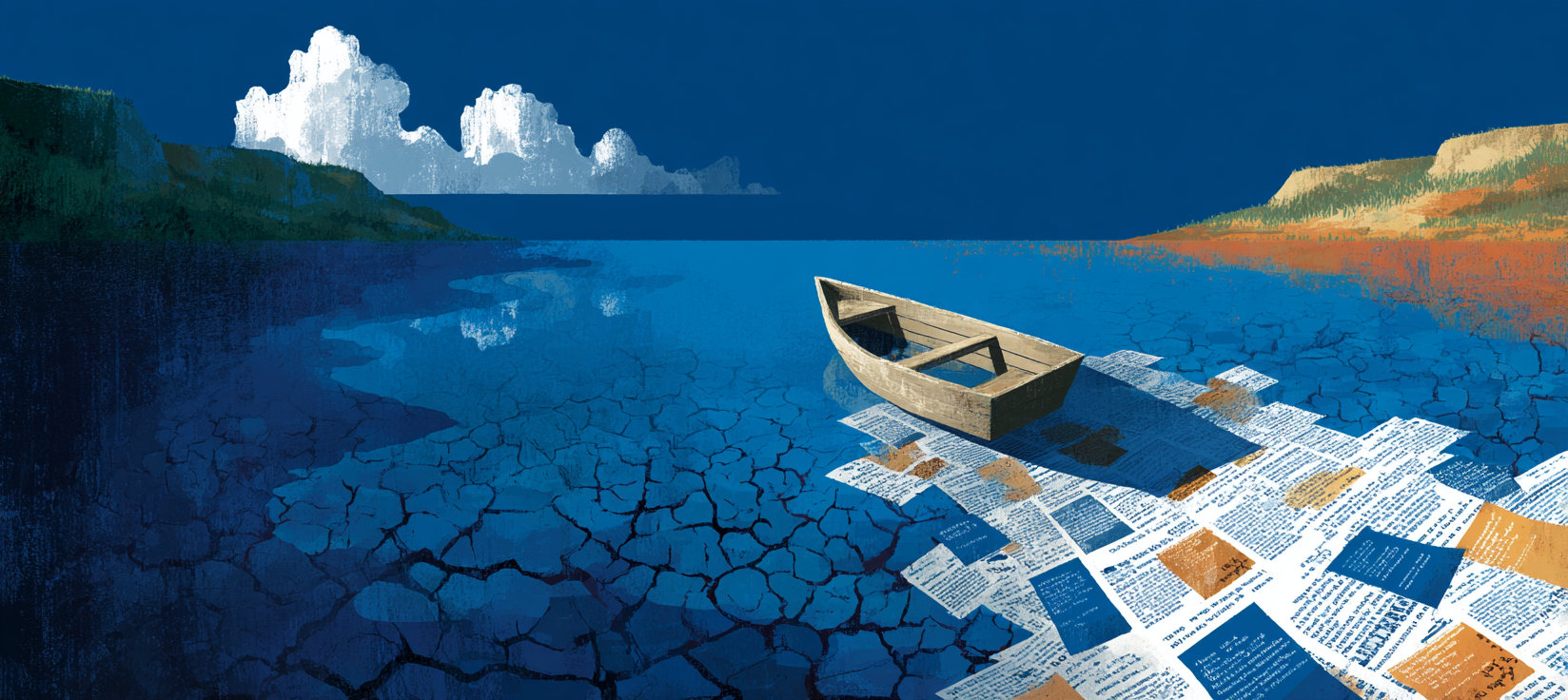
A school form cheerfully prepares sixth graders to boat a reservoir the Colorado River can no longer fill.

Bedtime stories for children that tell the truth about vanishing snowpack, wildfire, and migration, then say goodnight anyway.
April — Issue #27
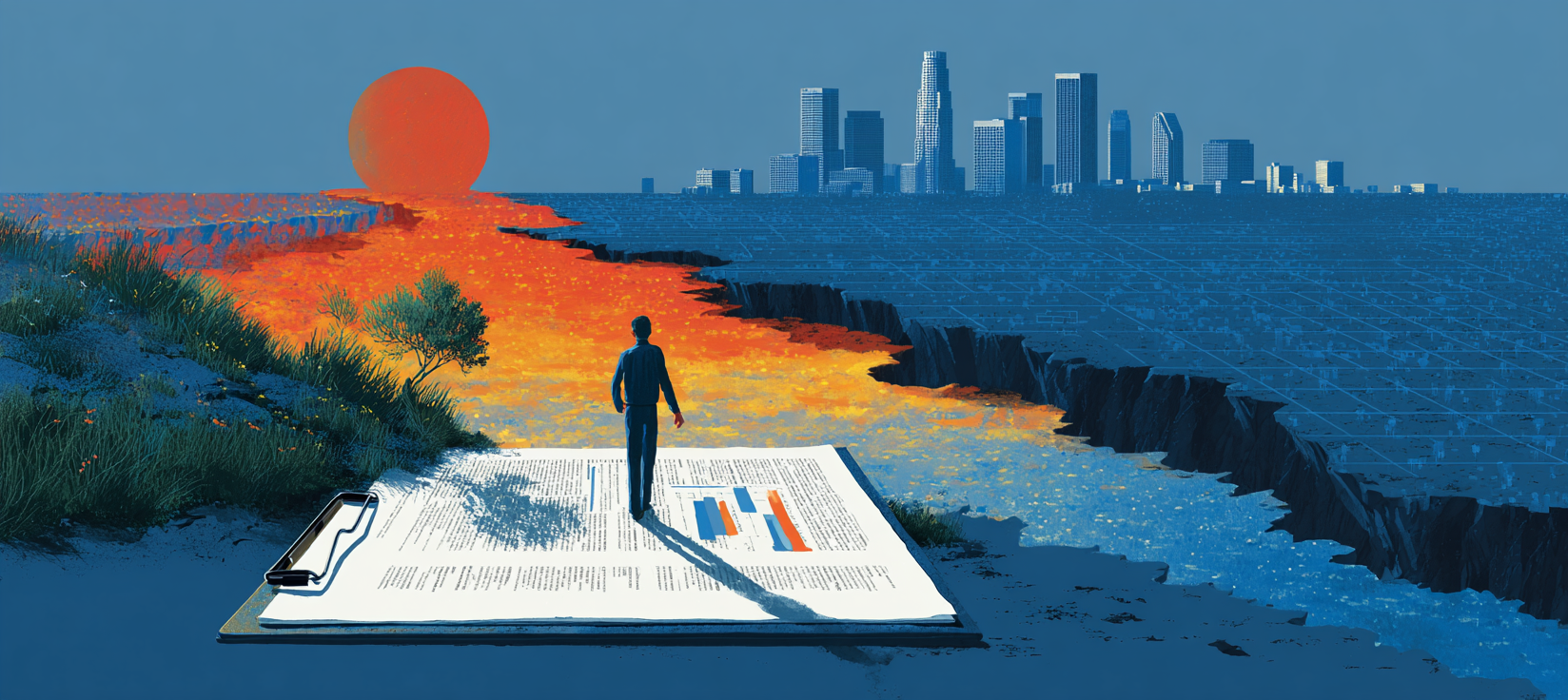
A professional appraisal form tries to assign market value to the American West and breaks under the data.
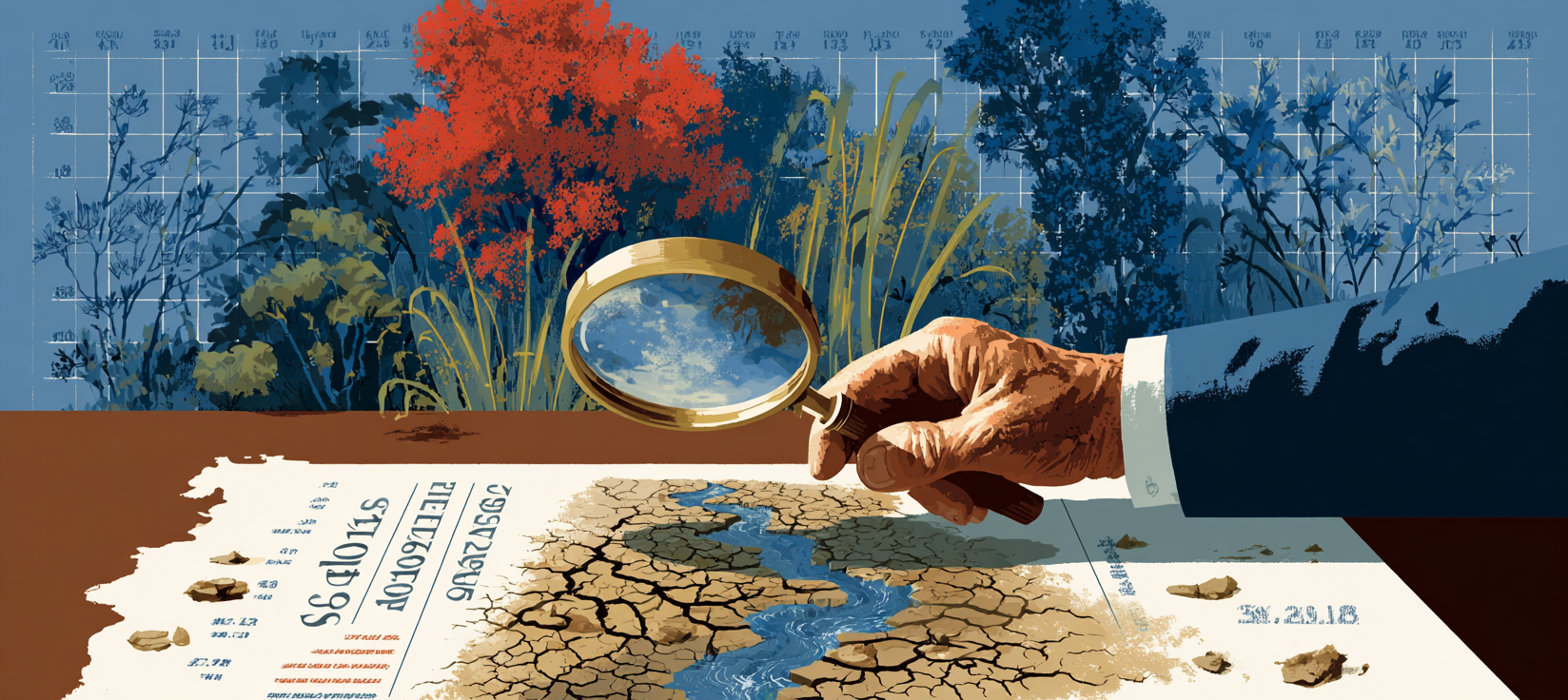
Three dead water systems walk into an appraisal office. The Colorado River Basin is the subject property. No comps adjust upward.
April — Issue #26

Ordinary workers describe seasons breaking, thresholds vanishing, routines failing. No one explains. The accumulation is the argument.
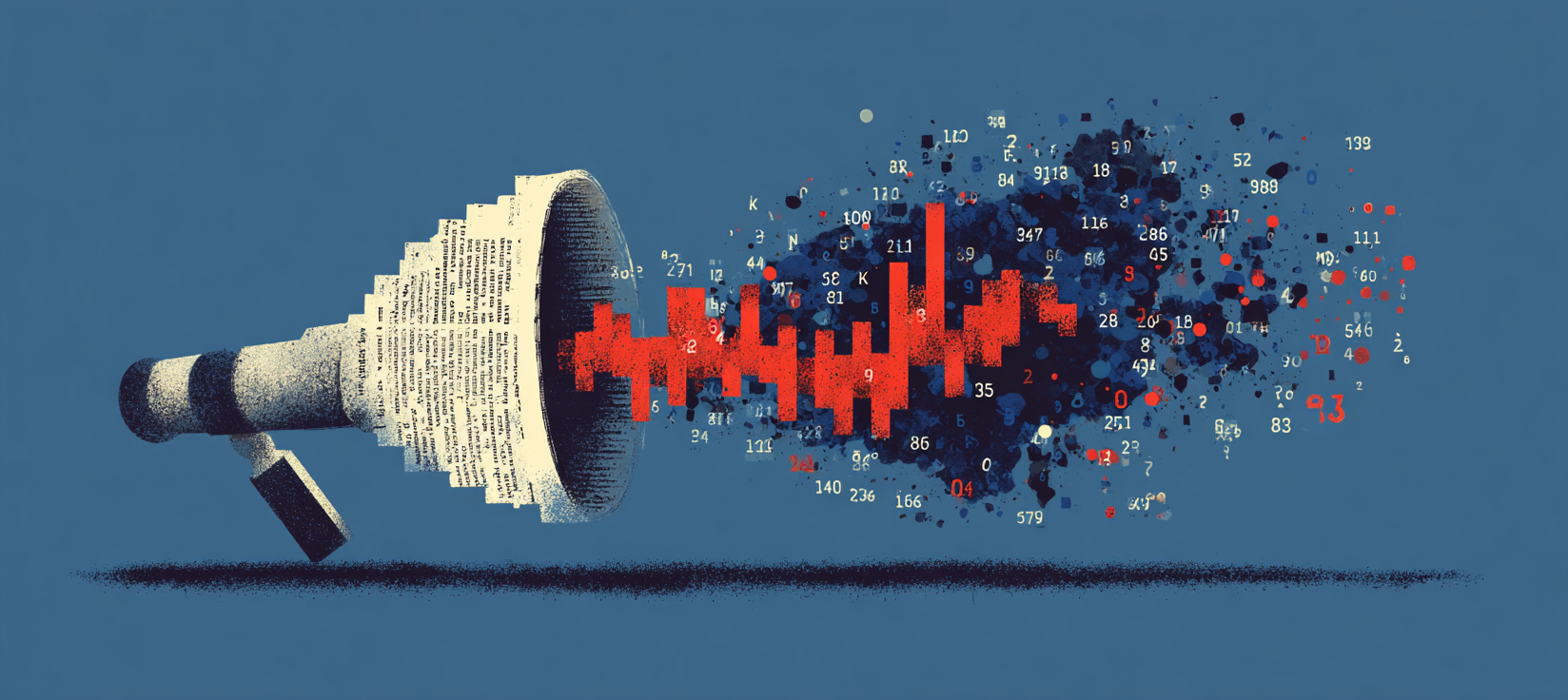
Five decades of planetary measurement compressed into shrinking prose until the data has no room left to breathe.
March — Issue #25
![INCIDENT REPORT NO. [UNASSIGNED] — March 2026 Southwest Heat Wave](https://vncl-anchor-images.s3.us-east-2.amazonaws.com/on-demand/1774430391_upscale.png)
A bureaucratic safety form tries to contain a civilization-scale heat catastrophe and buckles under what no checkbox can hold.

You agreed to these terms by existing. The fine print is where they buried the worst part.
March — Issue #24
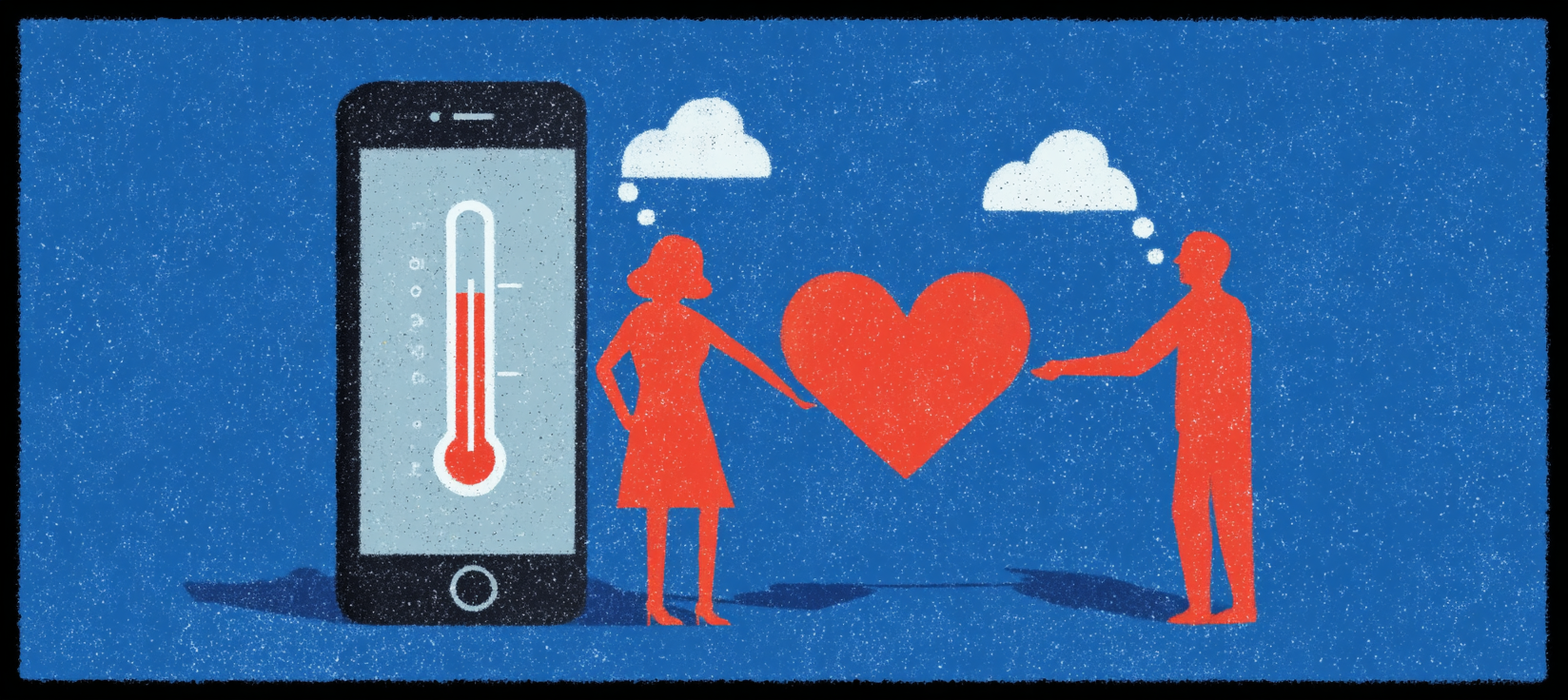
A chirpy dating-app quiz matches you with the climate zone that already moved in while your old baselines weren't looking.
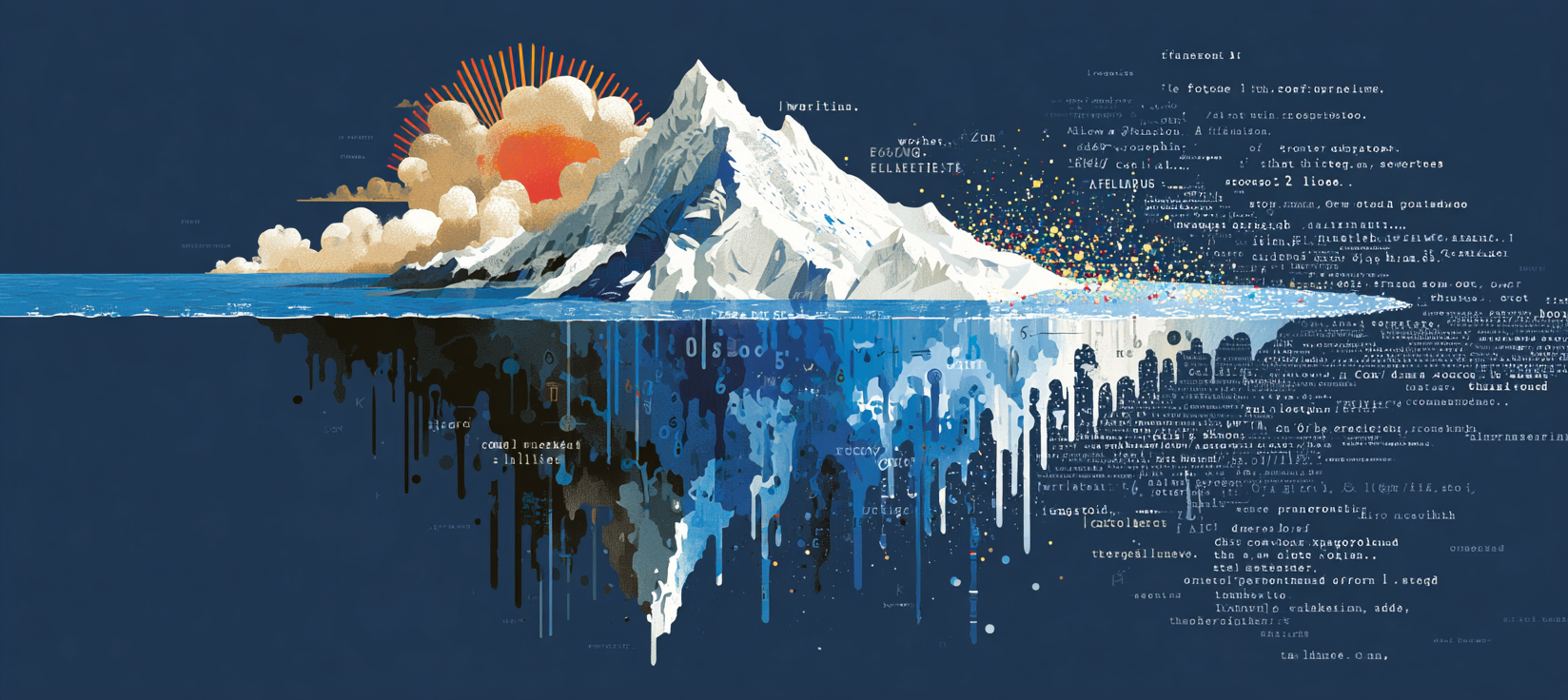
Western water systems write desperate personal ads to each other as record heat erases the snowpack they were counting on.
March — Issue #23
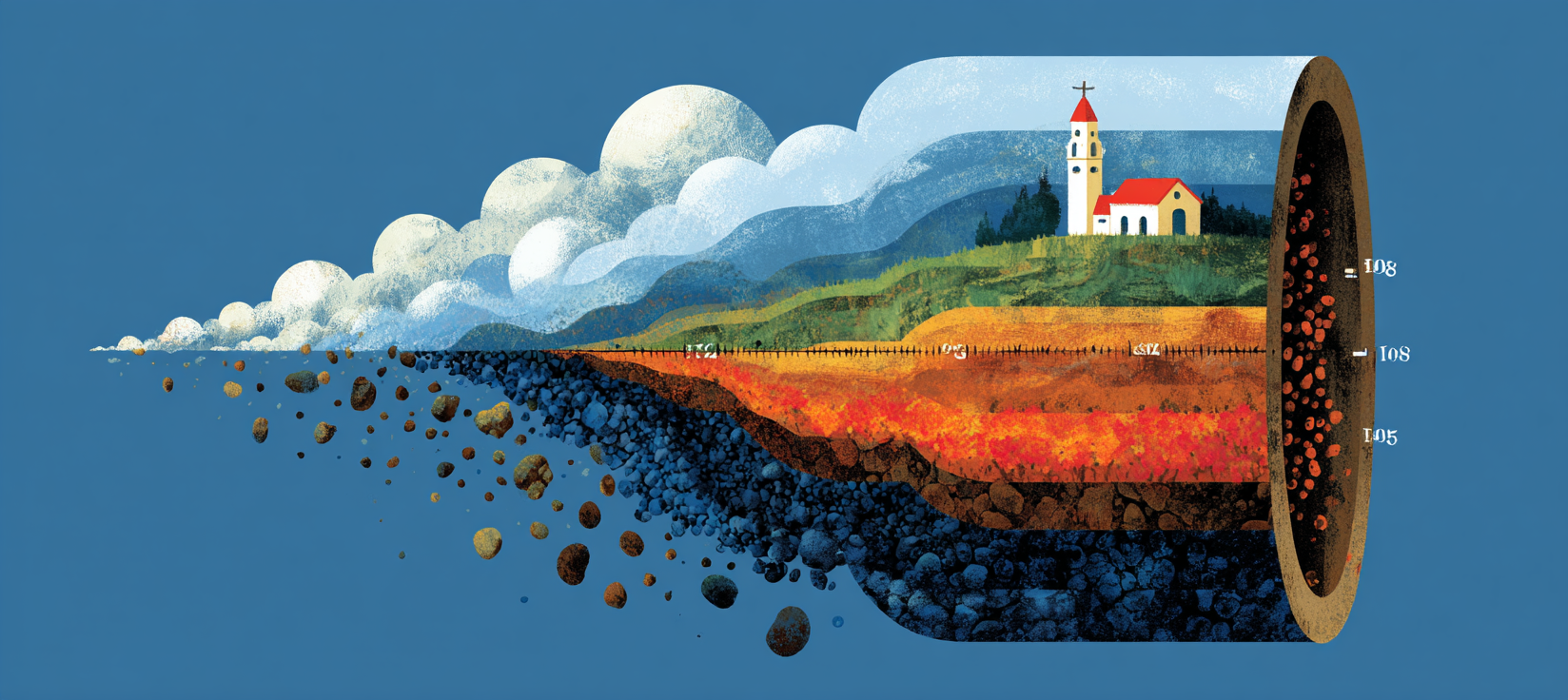
Four soil surveys of one Oklahoma parcel across five decades. The classifications move in one direction.
Prose dries on the page as heat-driven drought consumes continents, the sentence structure itself losing moisture alongside the land.
March — Issue #22

Every climate scale we build arrives already obsolete, and now one framework isn't expanding but disappearing entirely.
Federal weather product conventions route you through a self-assessment of your own climate dread. The severity rises with each tier. The bureaucratic calm never breaks.
March — Issue #21
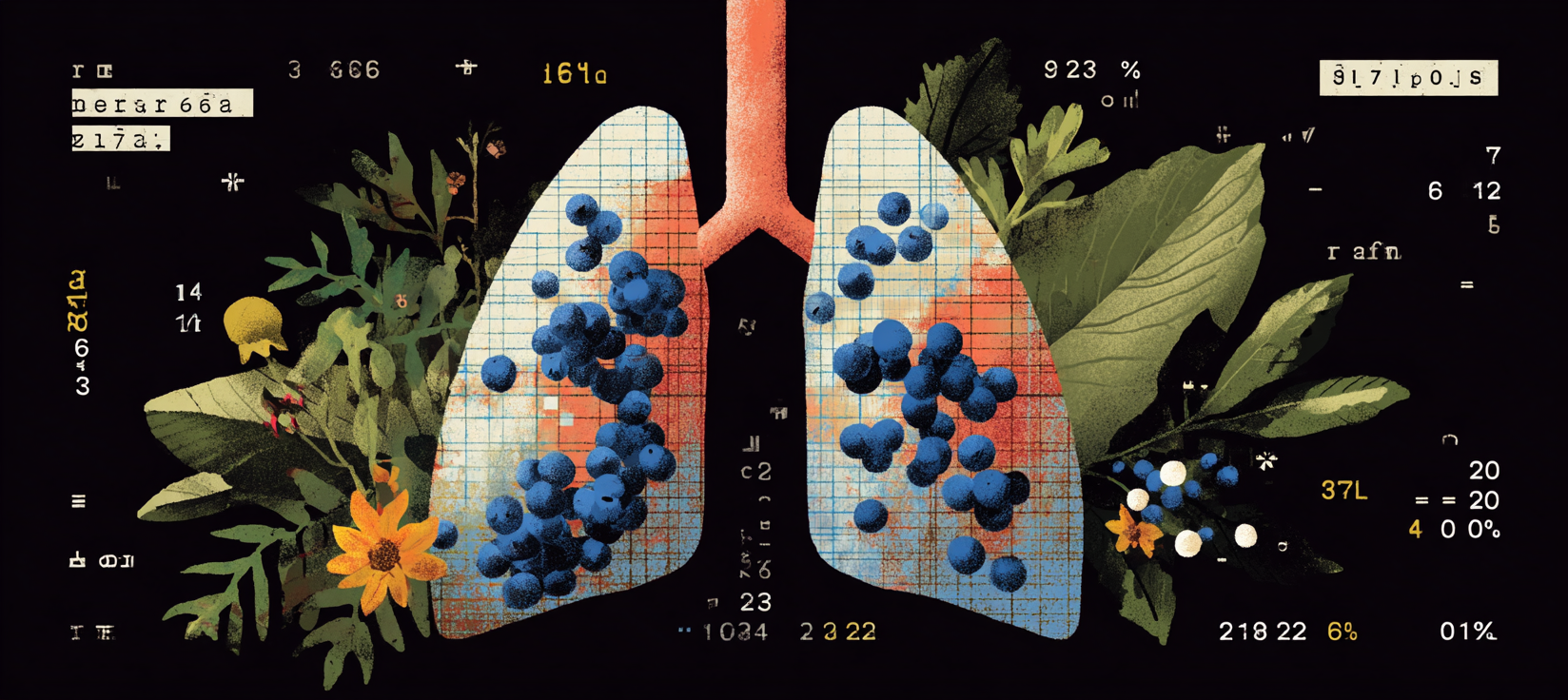
A parent applies the government's own cost-benefit math to one four-year-old's lungs. The spreadsheet holds.

A federal finding dies on the table. The pathologist records what the body shows. Manner of death: homicide.
February — Issue #20

A museum curator in 2075 catalogs air conditioners, impact windows, and elevation systems from homes people built to stay in places already becoming uninhabitable.
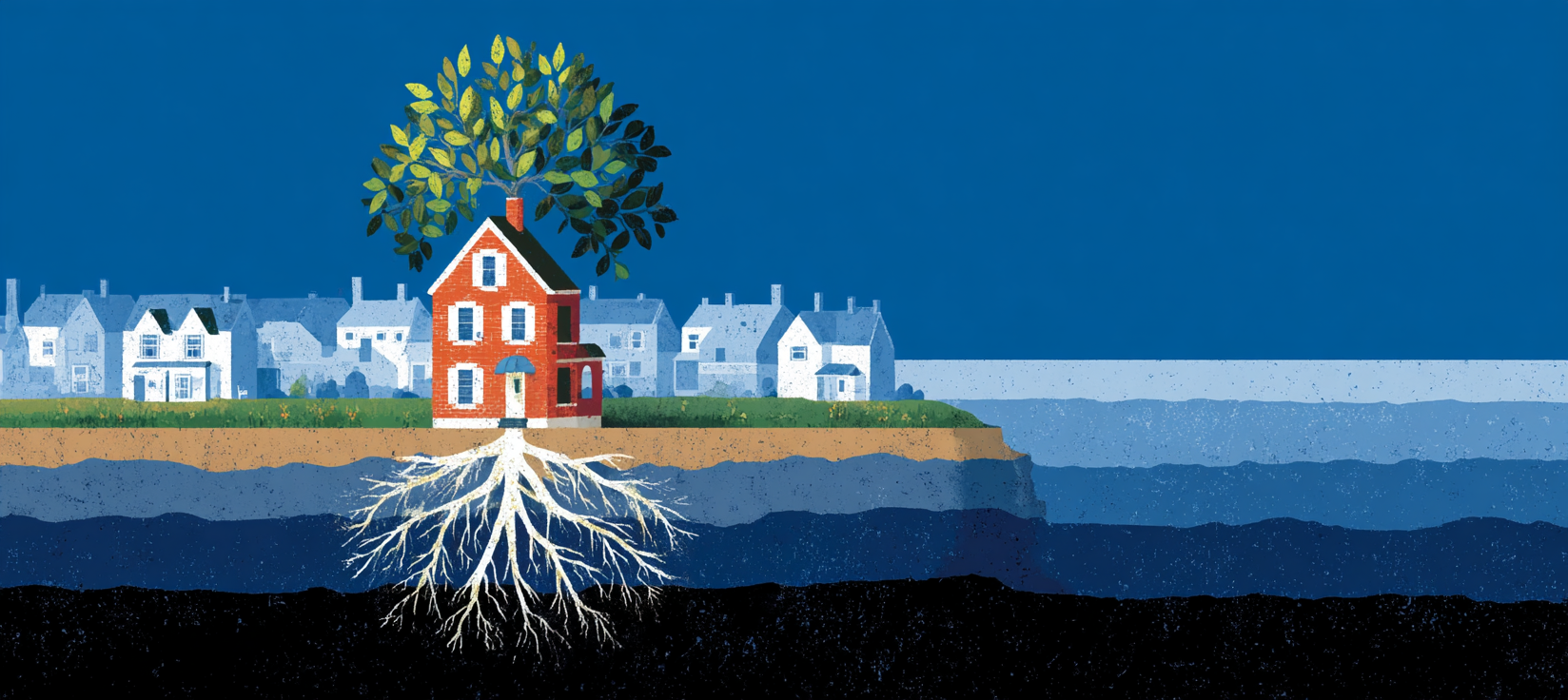
A practical guide for families choosing to remain in climate-threatened regions, covering insurance navigation, heat adaptation, community building, and teaching children to live with permanent environmental danger.











October — Issue #2

A tour guide's final hour before statistical models declared her reef ecosystem dead, capturing lived experience dissolving into scientific certainty.

Technical measurement systems achieve perfect precision documenting coral reef death, revealing the violence of flawless data recording irreversible ecological collapse.

An atmospheric scientist confronts the broken temporality of slow catastrophe, where Iowa's 40-inch rainfall deficit began everywhere and nowhere, the monitoring systems contradicting themselves, language collapsing around events that refuse the grammar of onset.