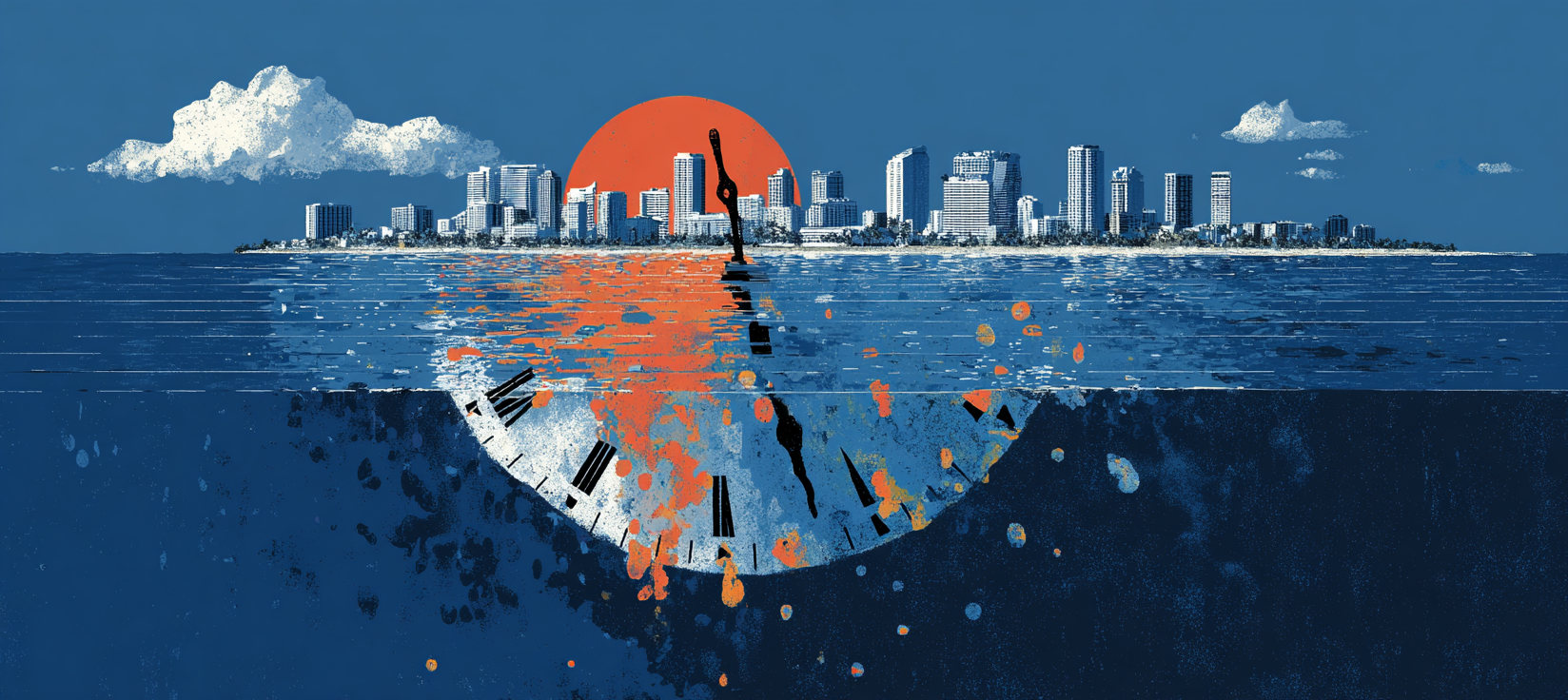
High-latitude Japanese reefs built by poleward-migrating corals bleached severely in 2024, undermining the premise that warming temperate waters could serve as refuges.
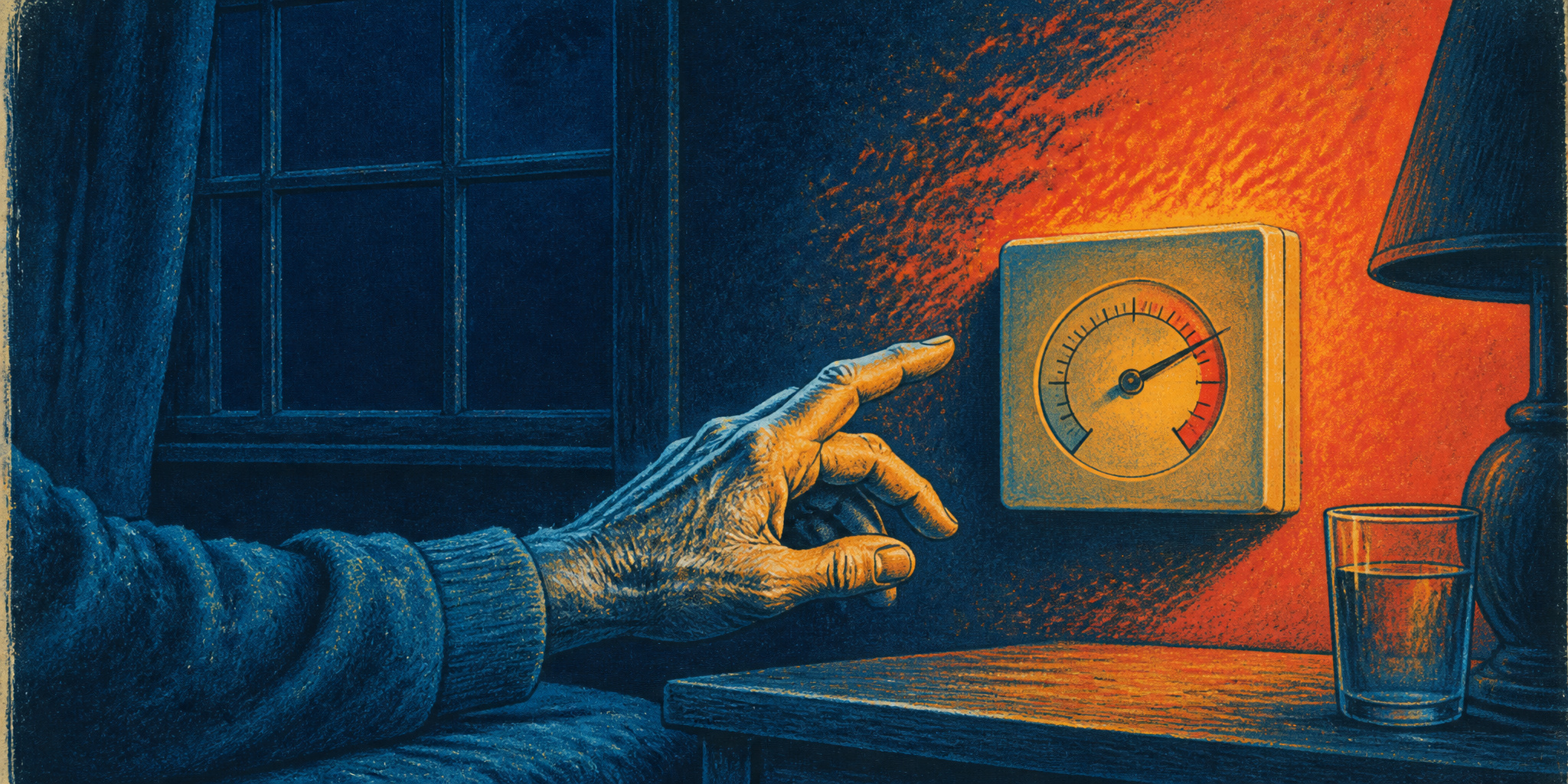
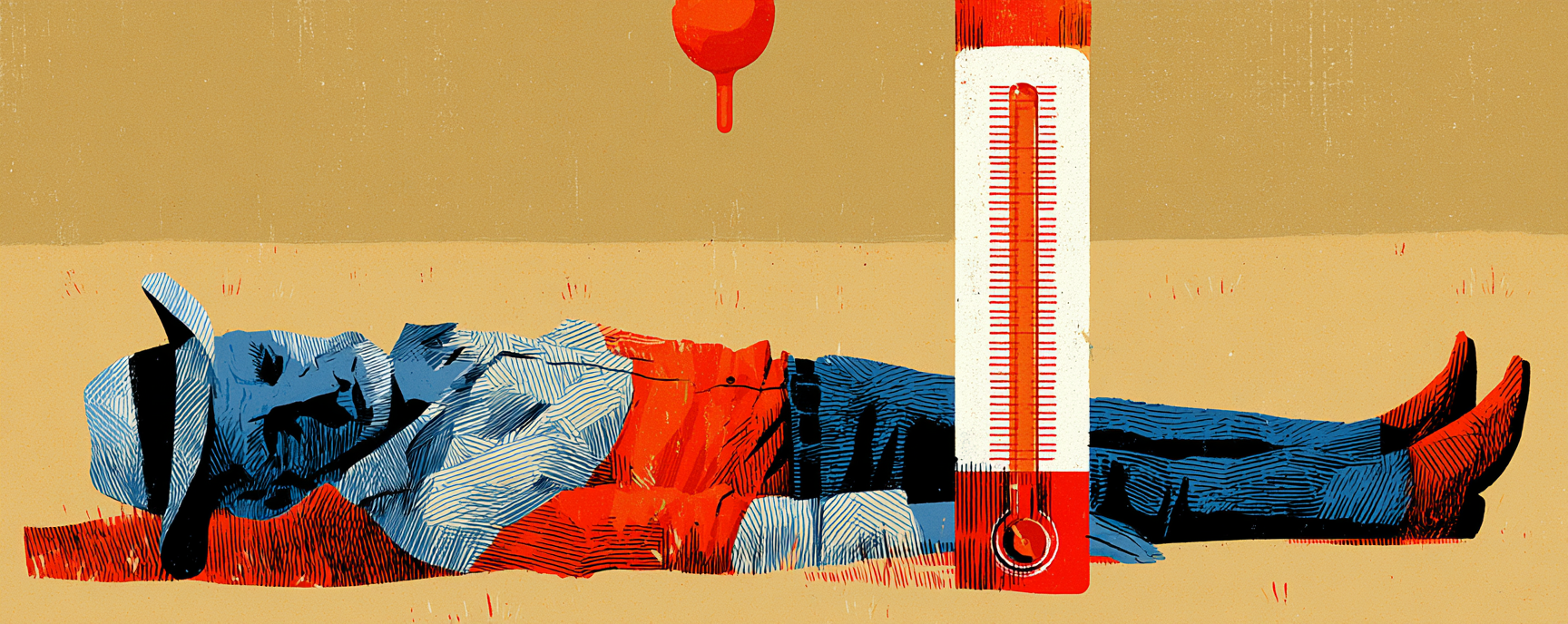
County AC statistics say Maricopa is protected from heat death. Autopsy reports and broken units say something else.
© Anchor Research. All rights reserved.
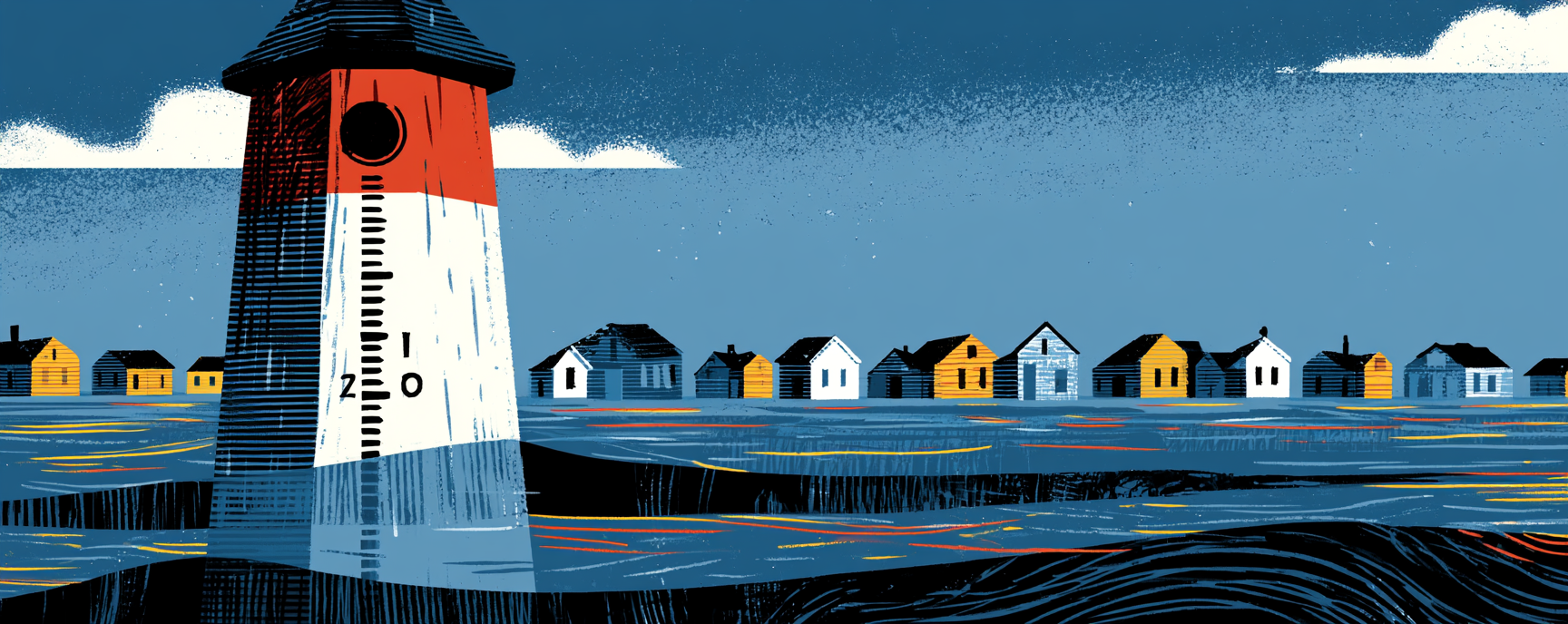
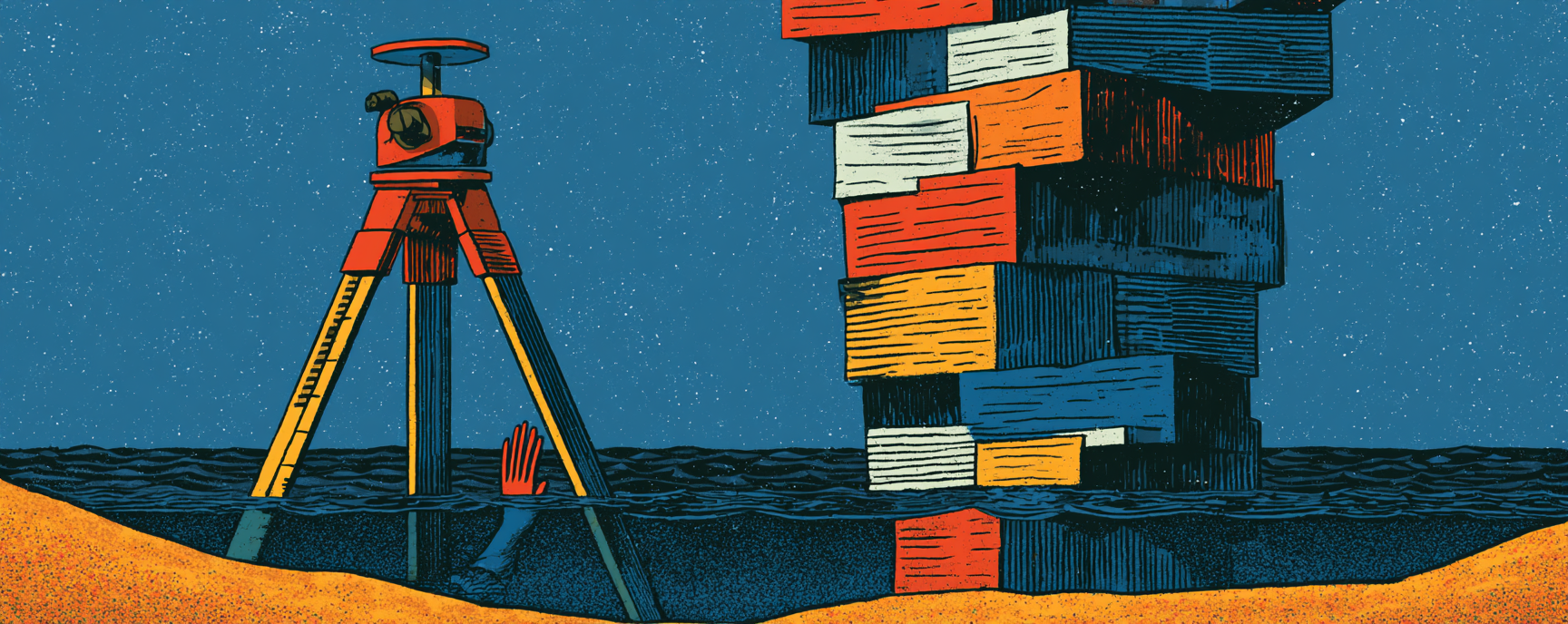
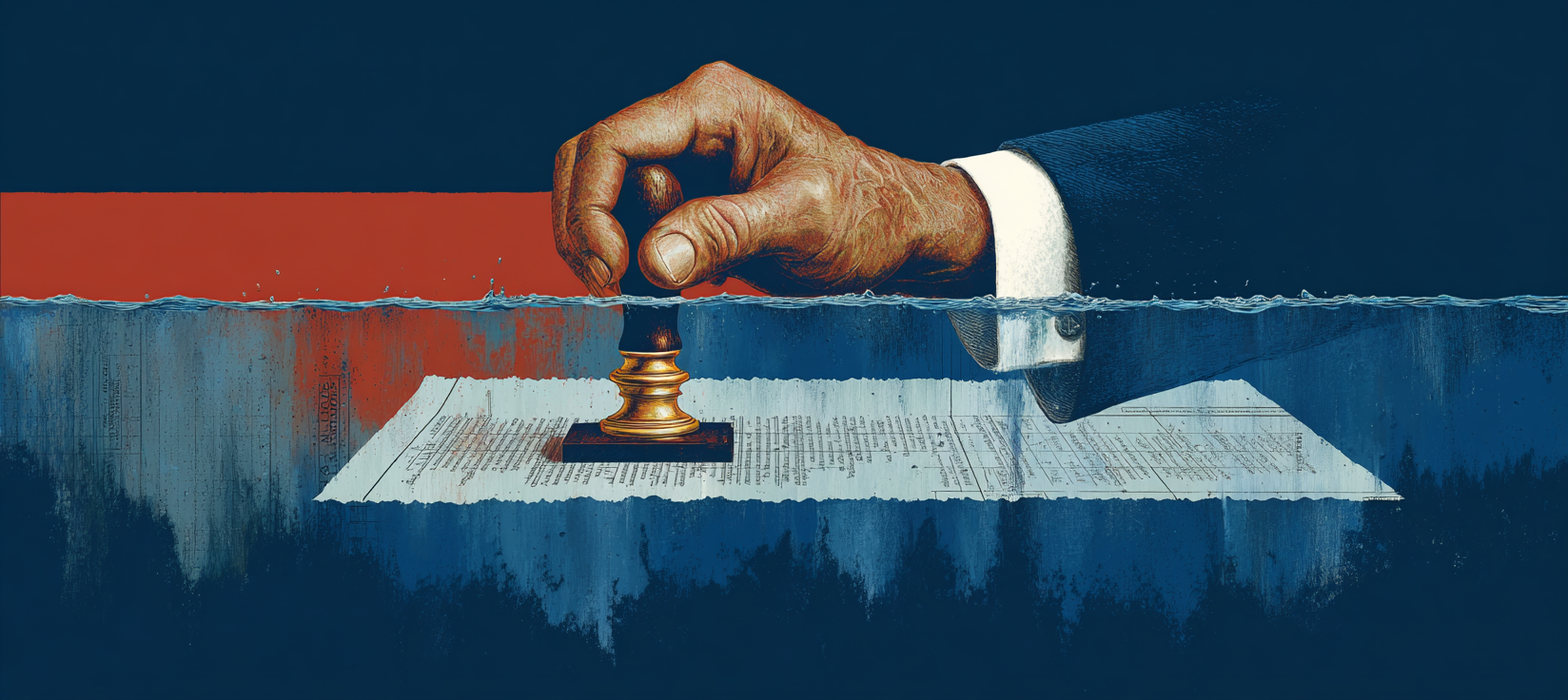
How a statistical threshold chosen in a day and a half in 1968 became the regulatory foundation of U.S. flood insurance, and what happened at the gauges afterward.
U.S. rivers now deliver most of their sediment in fewer, more intense days, shortening the distance between treatment-plant capacity and failure.
Rivers stay dangerously warm days after heat warnings lift, but the institutions managing fish, drinking water, and recreation each operate on mismatched clocks.
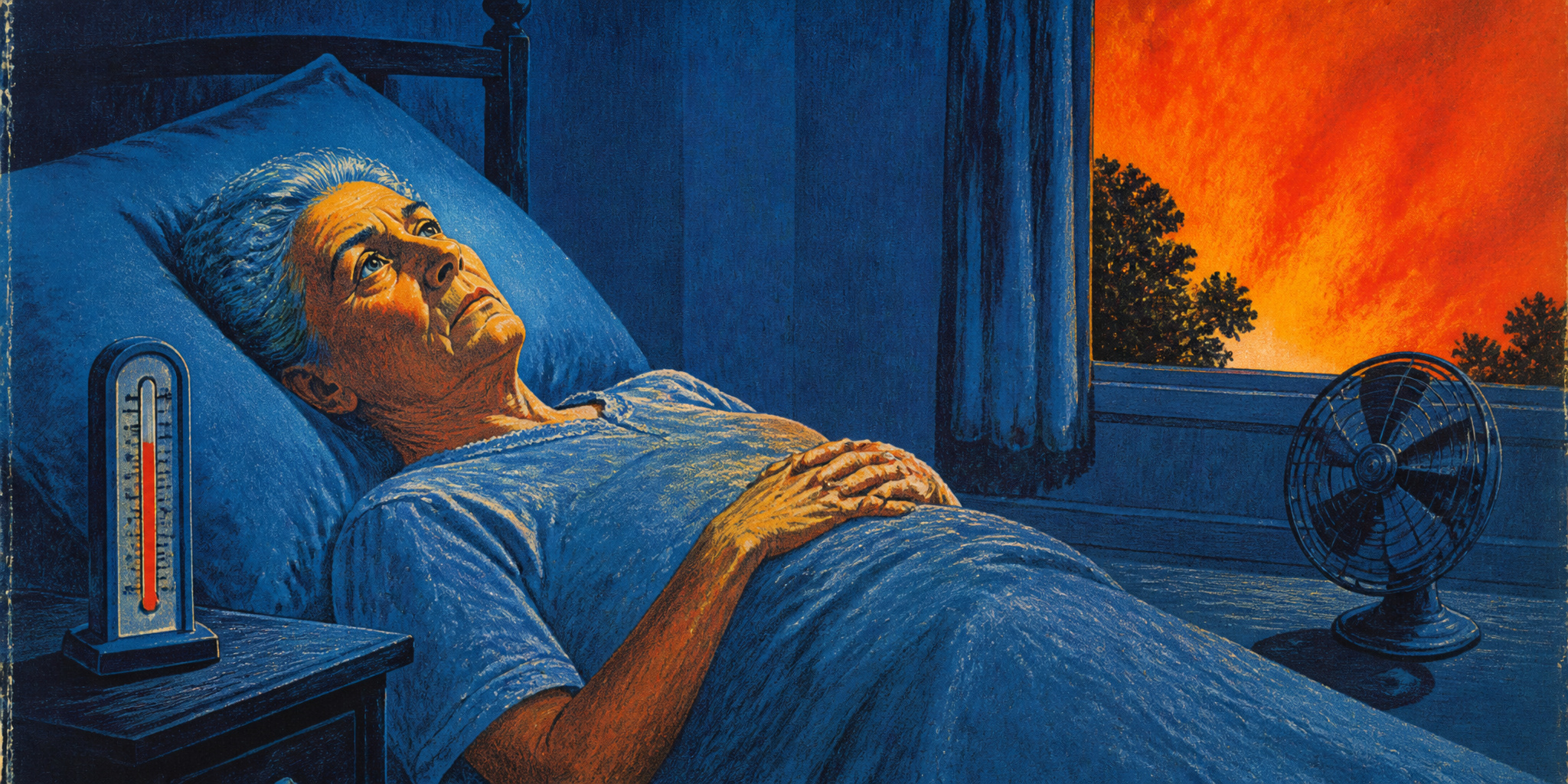
Nighttime heat is rising faster than daytime, closing the physiological recovery window that bodies, models, and institutions all assume still exists.
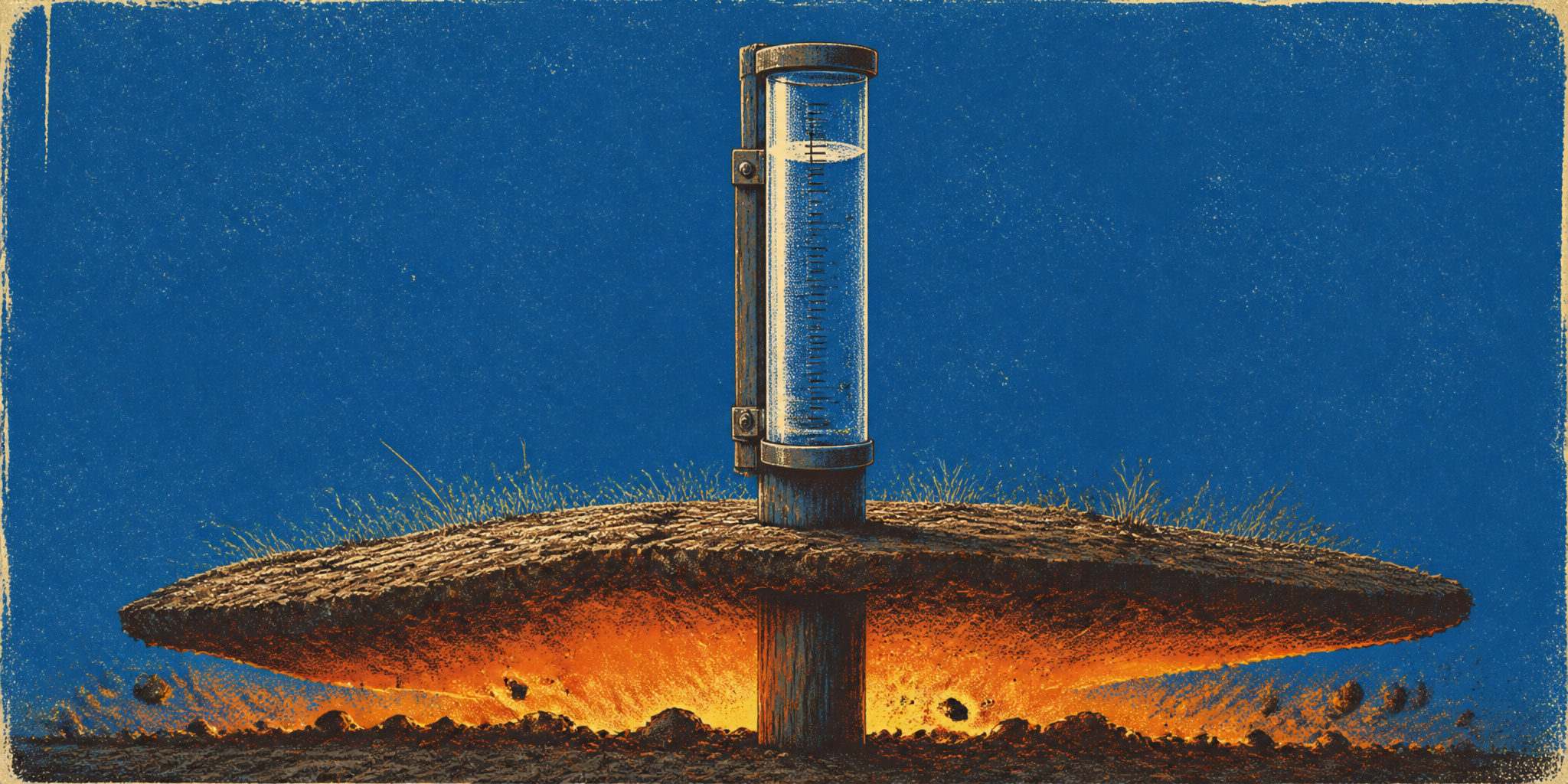
New research finds concentrated downpours shrink the water land keeps. Western Kansas silt loam and a January well tape show why rate beats total.
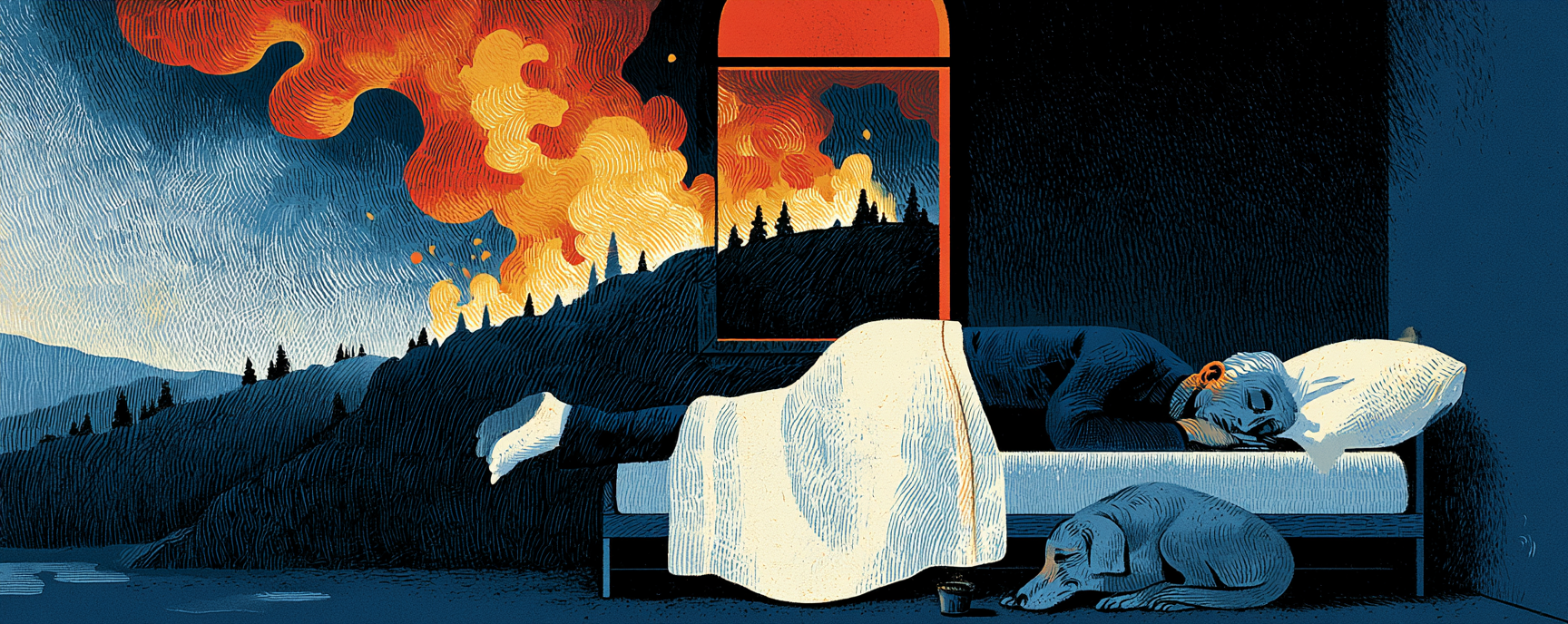
Chronic wildfire smoke rewires blood vessels across years, but when the stroke arrives, no chart records the air that caused it.
Warming nights are degrading an unrecognized infrastructure of overnight cooling that human bodies, fire regimes, and electrical grids have silently depended on, and the failure is compounding faster than the daytime warming that dominates the headlines.
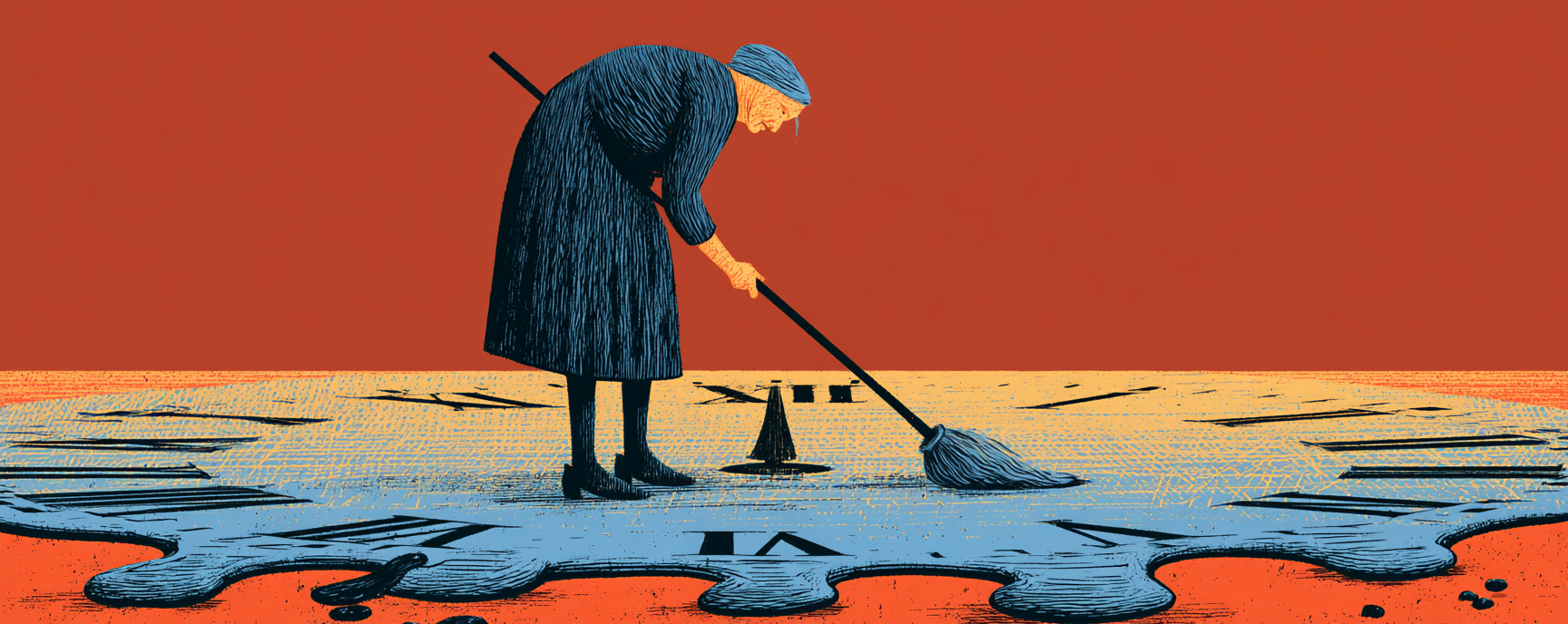
Heat research now measures danger in lost hours, not degrees, revealing how shrinking safe-activity budgets already reshape daily life.
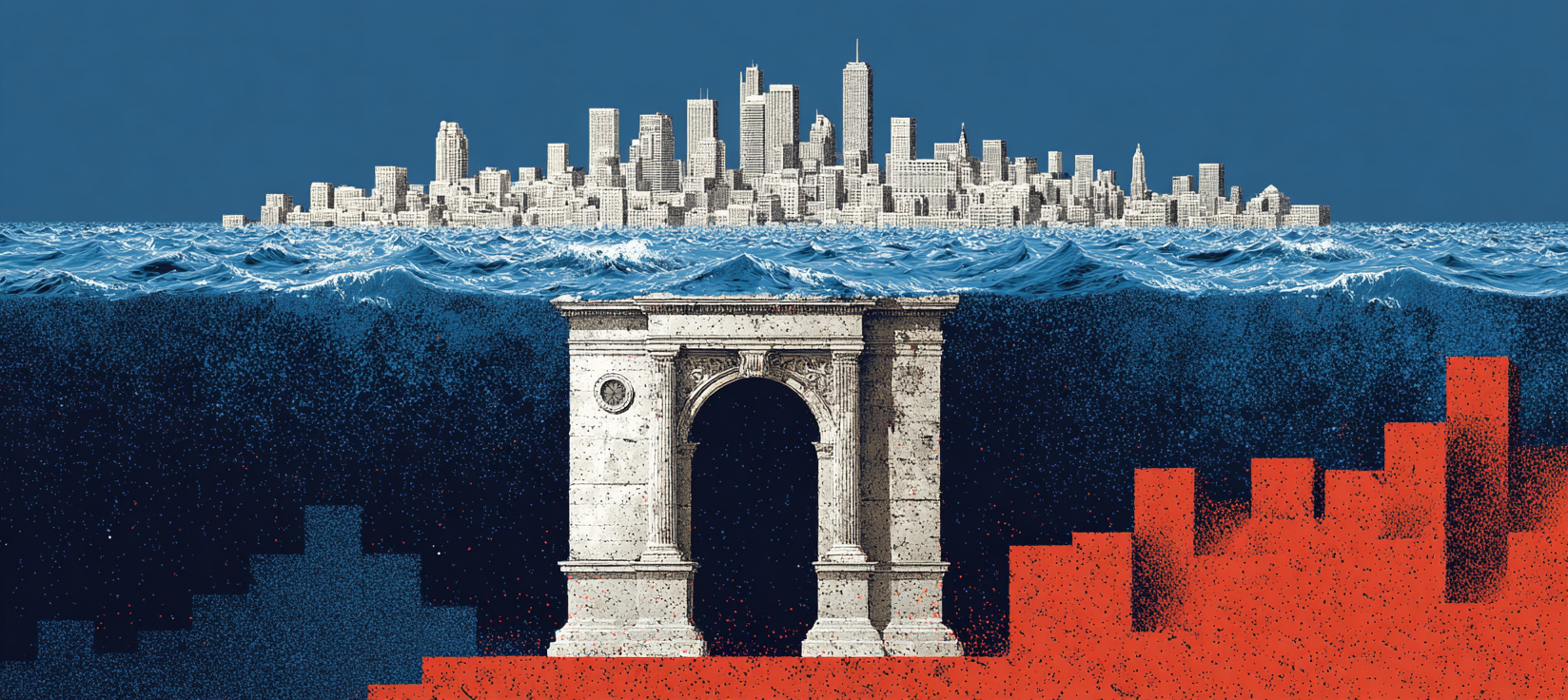
A flawed elevation baseline hides millions of coastal residents from flood maps, insurance triggers, and the systems meant to protect them.
Fire's eroding nighttime pause is outpacing the firefighting shifts, evacuation plans, and community safety systems built around it.
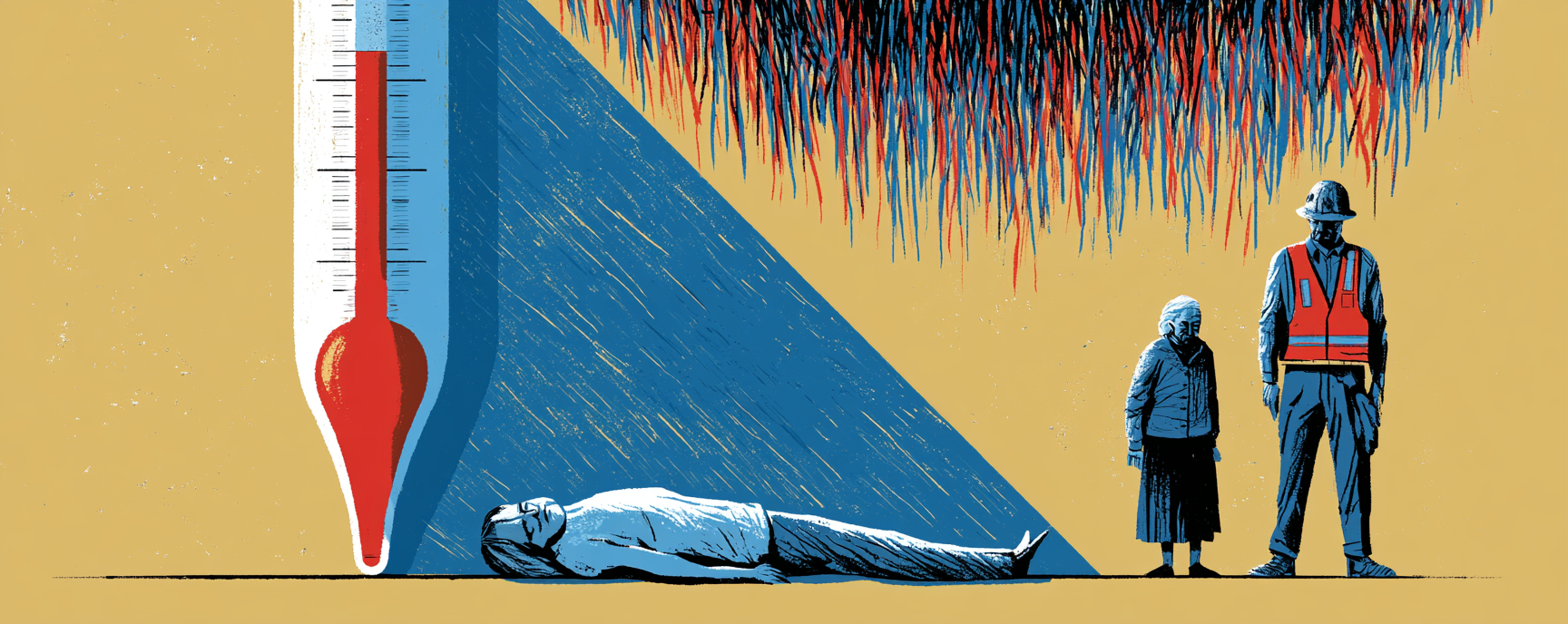
Official heat thresholds are calibrated to the atmosphere, and the body pays the difference. Three 2026 studies show the lethal limit depends on who you are.
The 35°C wet-bulb survivability threshold describes no actual human body, and people are already dying well below it.
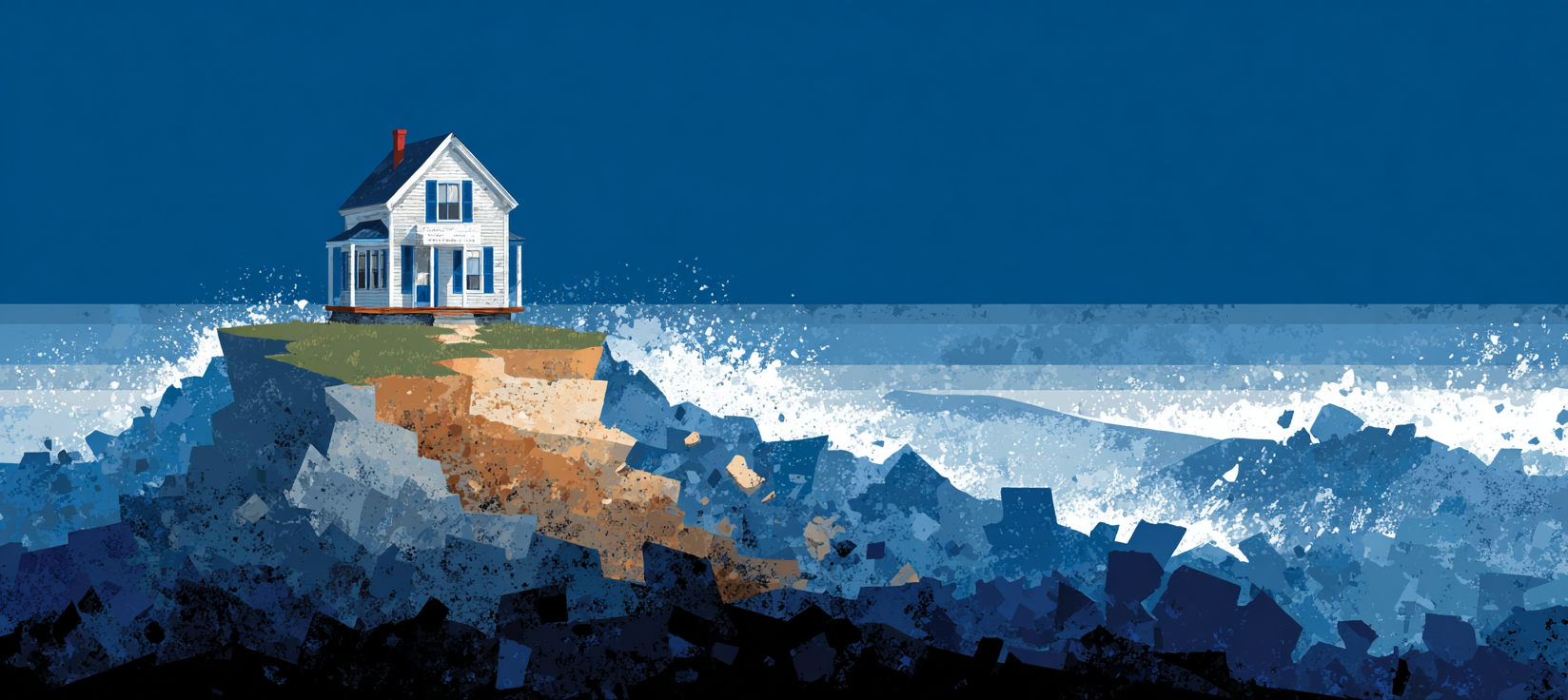
A baseline error in nearly all coastal flood studies means the starting water level was wrong, and corrections may take decades to reach decisions.
The wet-bulb survivability threshold embedded in heat guidance worldwide was never tested on a human body until Penn State proved it dangerously wrong.
Warming steals the Colorado River's water between sky and reservoir, forcing Upper Basin farmers into impossible choices this spring.
Warming has nearly doubled its pace, but the infrastructure already under construction was designed for the old rate.
Two independent studies reveal Houston's $34 billion coastal barrier is engineered to a sea level baseline that both overstates land and understates ocean.
Ocean warming is quietly dismantling Miami's invisible cooling system, and every schedule, grid, and body built around it feels the silence.
New science says the Atlantic is weakening faster than projected, and billion-dollar coastal defenses are already being built to the old number.
Heat and drought multiply each other's damage, but Arizona's emergency systems still treat them as separate problems.
Texas shows no warming signal in the data. Texans are dying, losing power, losing insurance. The thermometer is lying.
A decade of rising insurance, energy, and health costs in one Texas city reveals climate damage arriving not as disaster but as quiet, compounding arithmetic.
Warming sends rain to frozen peaks where it refreezes into hidden glass, building avalanche danger the inland ranges never trained for.
Satellites missed what smoldered underground, and every Western fire decision built on that data inherited the blind spot.
Global warming just doubled its pace, and every system keeping Phoenix alive was calibrated to the slower one.
Two new studies reveal wildfire smoke kills tens of thousands annually with no safe exposure level, reshaping daily life far from any flame.
Two new studies show time above climate thresholds drives irreversible damage, rewriting the math on Norfolk's biggest bets.
Gulf Coast flooding isn't just rising seas—the ground itself is sinking as fast as water climbs, undermining every seawall and adaptation plan.
A Quinault mother watches tsunami-safe homes rise uphill while calculating whether she can afford to leave the flooding street where waves already shake her walls.
A New England fisherman bets six figures on warm-water species that weren't supposed to exist here, racing regulations that can't track fish moving faster than bureaucracy.
A water treatment electrician's 4am choice during a blizzard reveals the quiet exodus of operators who keep America's failing infrastructure running—until they don't.
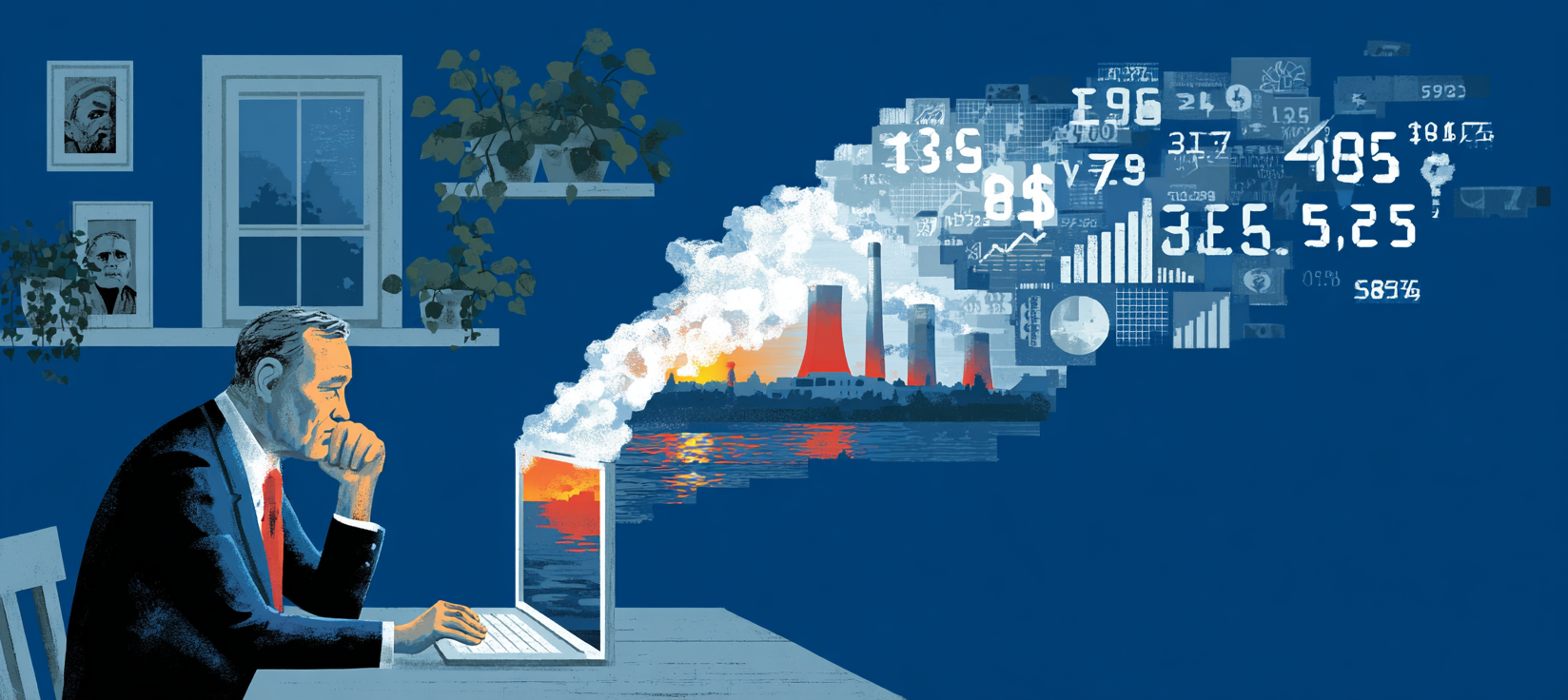
A utility CEO sits at his kitchen table before dawn, calculating whether to ask for fourteen more years of coal—or risk rates his customers can't afford.
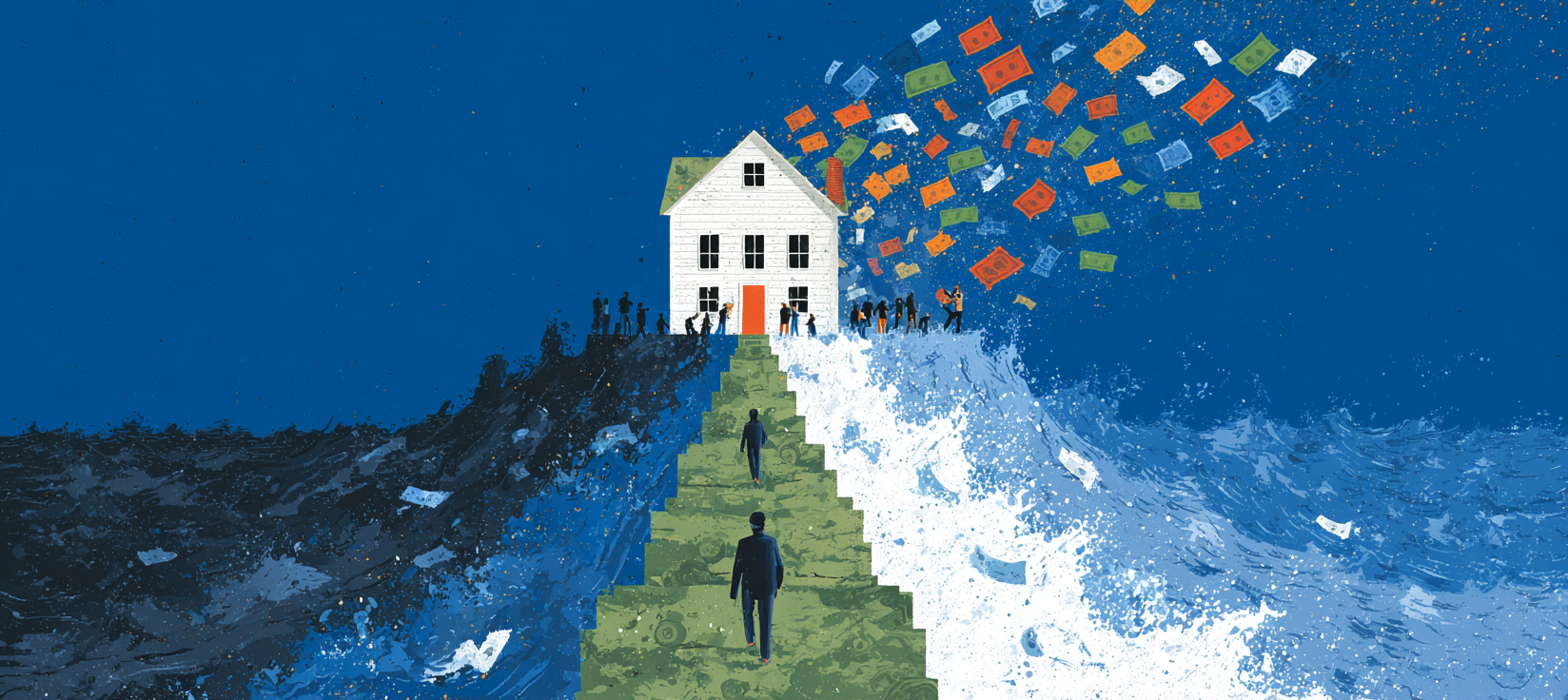
A Milwaukee restaurateur navigates $18,000 in climate adaptation costs while running numbers at midnight, weighing survival against financial risk.
Tribal health departments face an impossible federal application: pick which climate threat—wildfire, heat, or flooding—might kill their neighbors first, then manage it for six months on $20,000.
Cleveland positions itself as a climate refuge while cutting library services residents need today, leaving communities to navigate the gap between future planning and present budget realities.
A Phoenix homeowner weighs a $15,000 landscaping decision while navigating contradictory water projections, developer lawsuits, and neighbors installing pools during Arizona's deepening crisis.
Maine fishermen investing four years and thousands in scallop farming they're too old to profit from—building their children's backup plan as lobsters move north.
A Wisconsin building inspector approves lakefront construction using outdated flood maps while privately tracking which properties will likely fail when reality catches up to code.
A climate refugee discovers her scientifically chosen safe haven floods catastrophically, forcing her to reckon with what "relatively better" actually means when nowhere is safe.
A Minneapolis renter faces an impossible calculation: pay more to protect her daughter's deteriorating lungs from wildfire smoke, or stay put and watch the damage compound.
A South Bronx community mapped their neighborhood's heat inequality—now they're navigating the harder question of how to turn precise temperature data into political leverage and actual cooling.
A Maine lobsterman sits with climate projections at 2am, trying to decide whether to tell his 23-year-old son the family business is dying.
A hydrologist who spent thirty years mastering Western North Carolina's rivers now forecasts floods on waterways that changed course overnight, his expertise rendered obsolete by forces beyond control.
A fourth-generation Lake Michigan fisherman calculates whether to repair his nets as whitefish collapse forces him to choose between ending 90 years of family tradition or betting against the timeline.
Tom Randa coordinates Lincoln's heat response through relationships and memory, not data—leaving him guessing who he's missing when temperatures spike.
Vermont ski resort owner Lindsay DesLauriers transformed her family business into a year-round operation after recognizing that climate change made winter-only revenue models financially unsustainable.
Atmospheric methane measurements reveal biological feedback loops are accelerating climate timelines faster than models predicted, fundamentally changing risk calculations for everything from insurance to infrastructure planning.