Recent Activity
September — Issue #49

Traces the dollar path from a condo reserve deficit through special assessments, owner choices, and Fannie Mae rules that reshape who absorbs the cost.
Volunteer condo boards across climate-exposed America are making million-dollar structural decisions with four hours of training and no professional backup.

Inside Walla Walla's watershed crisis, the gap between clean tap water and the unpublished turbidity readings that determine when the city's water source goes offline.

September — Issue #48
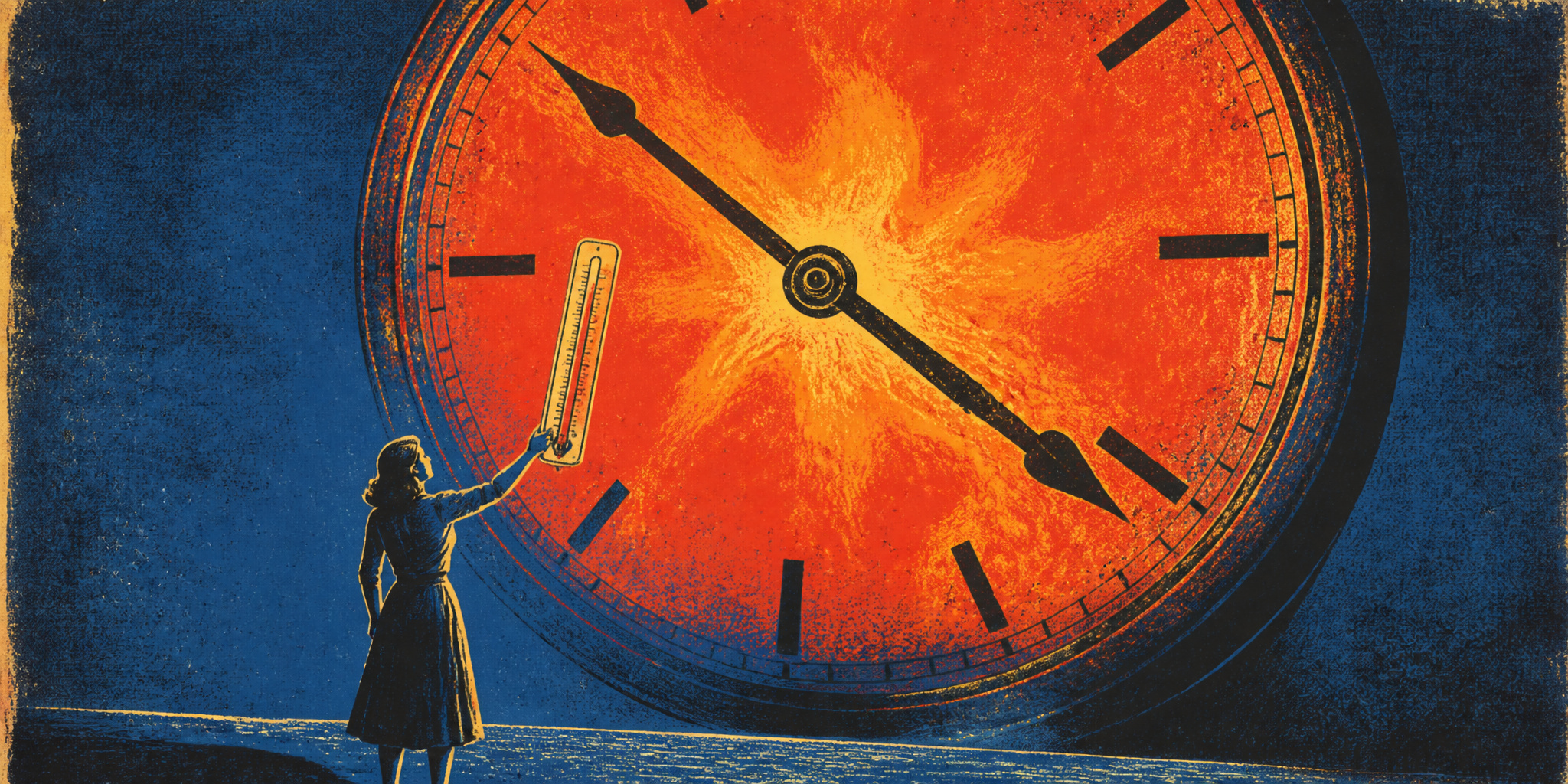
Each step a Houston renter must complete to enforce the new cooling ordinance, and what each step quietly costs them.
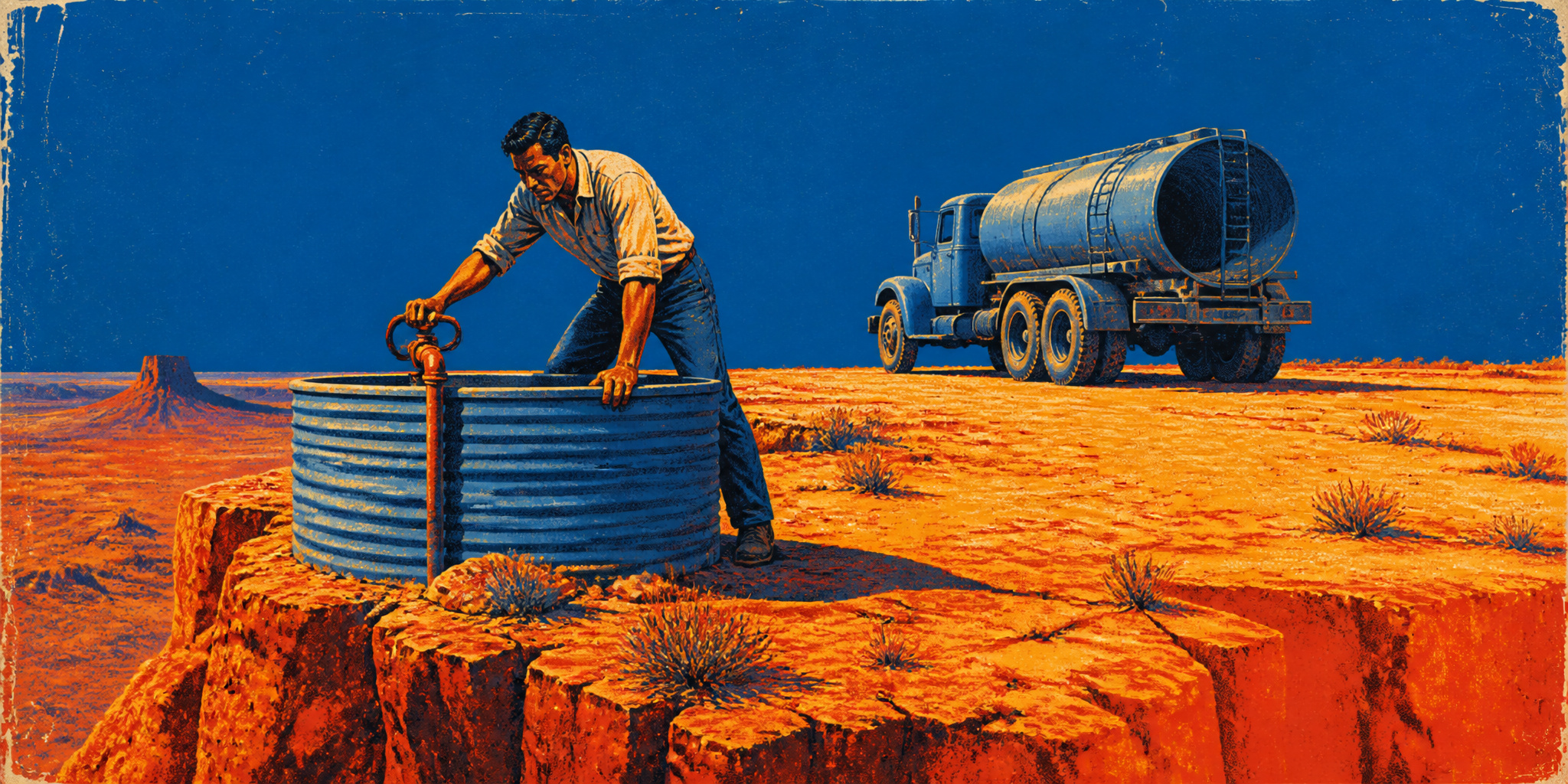
A third-generation Colorado ranch hauls water nine hours daily through record drought, and the federal program meant to help pays eleven cents a gallon.
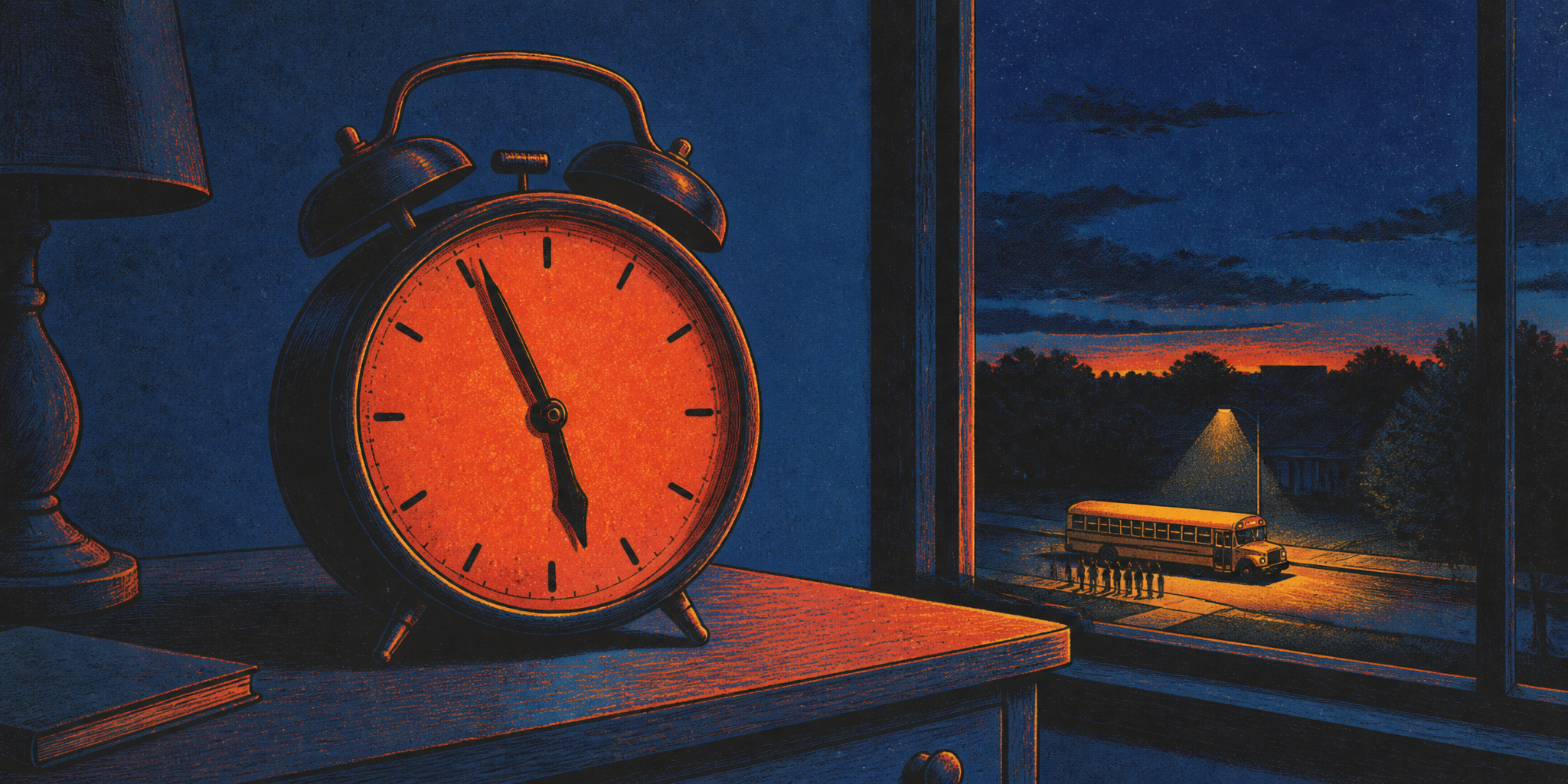
An asbestos accident during a cooling upgrade displaces Kensington High families seven miles away, replacing one burden with another.
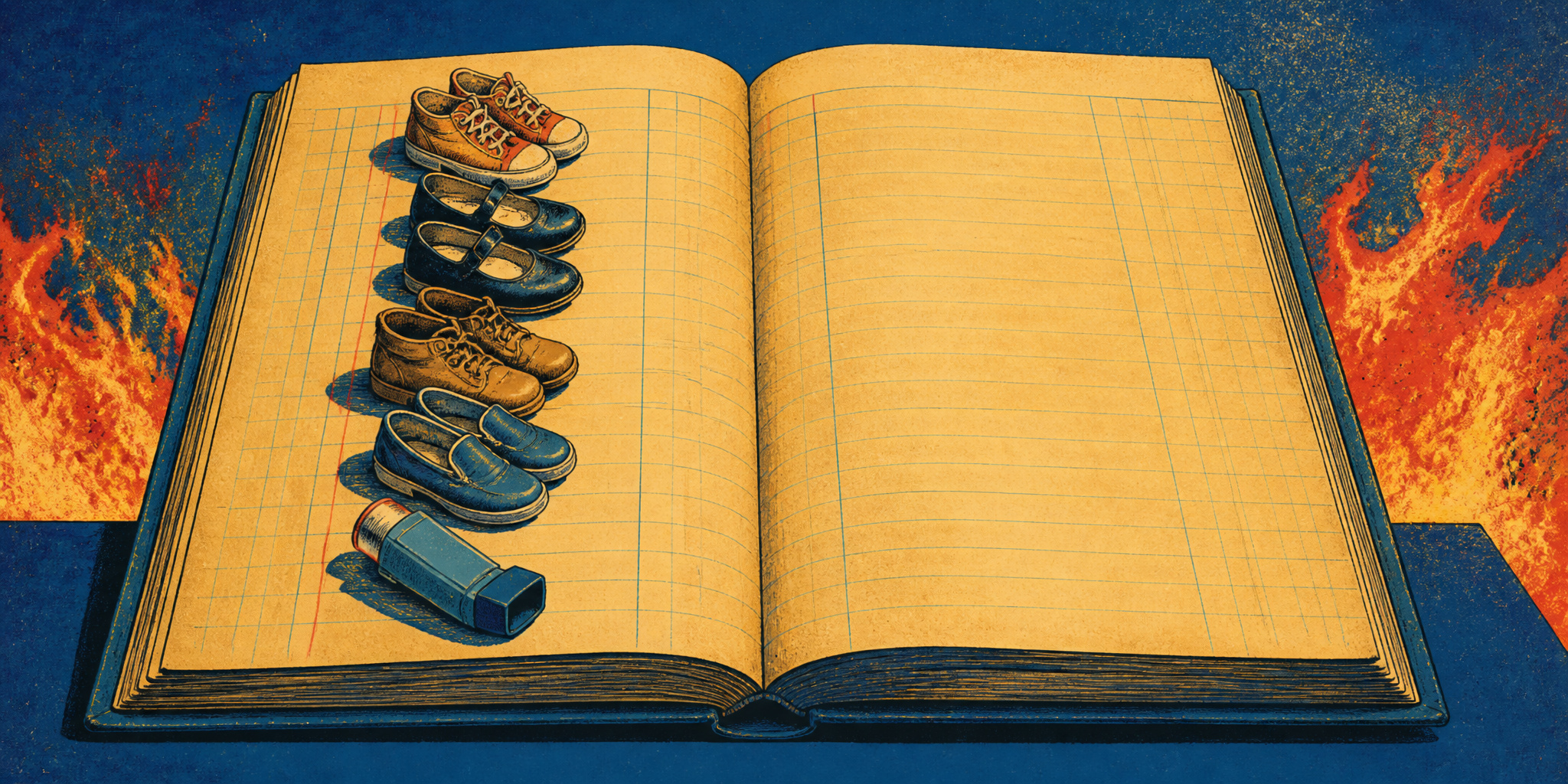
August — Issue #47
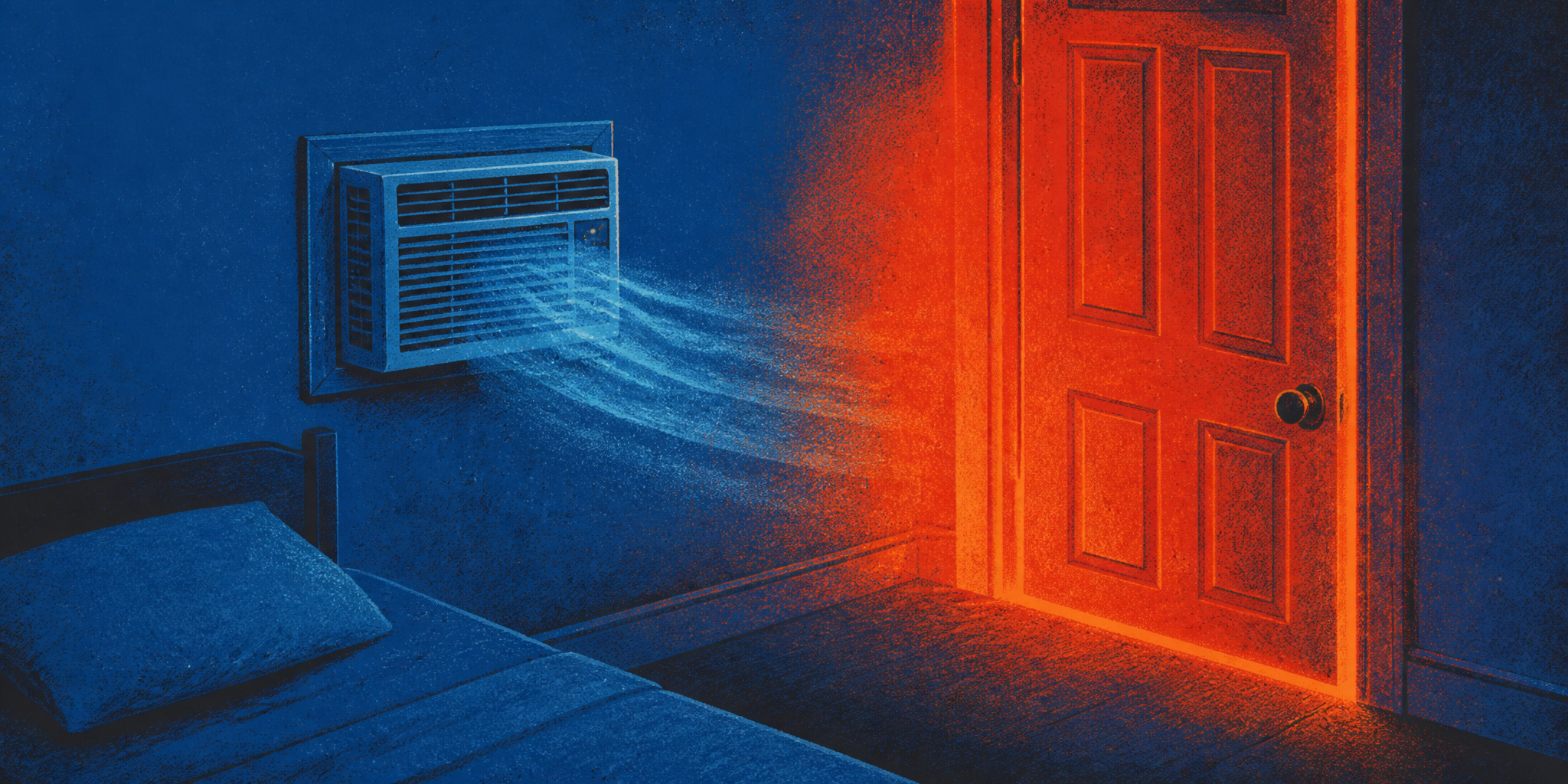
A Phoenix mobile home owner's summer compressed into one bedroom shows how split ownership, aging wiring, and a depreciating house defeat the legal right to cool.
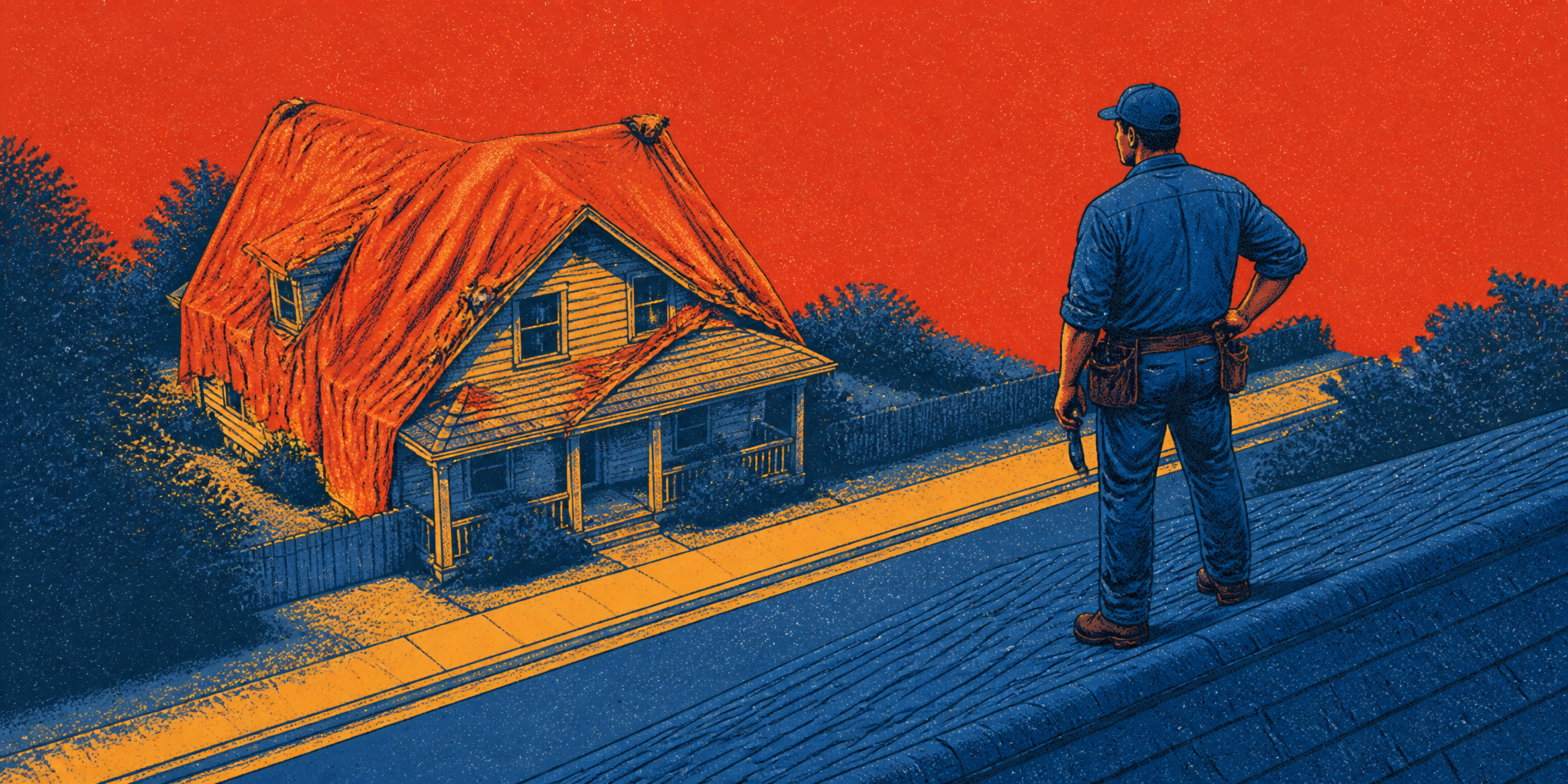
A Loxley homeowner's FORTIFIED roof held, but the grant program behind it fills in eight-minute windows, and at least one approved contractor is under criminal investigation.

A Spokane family's nursery tested positive for lead after wildfire, but no agency covers homes that survived too well.
August — Issue #46
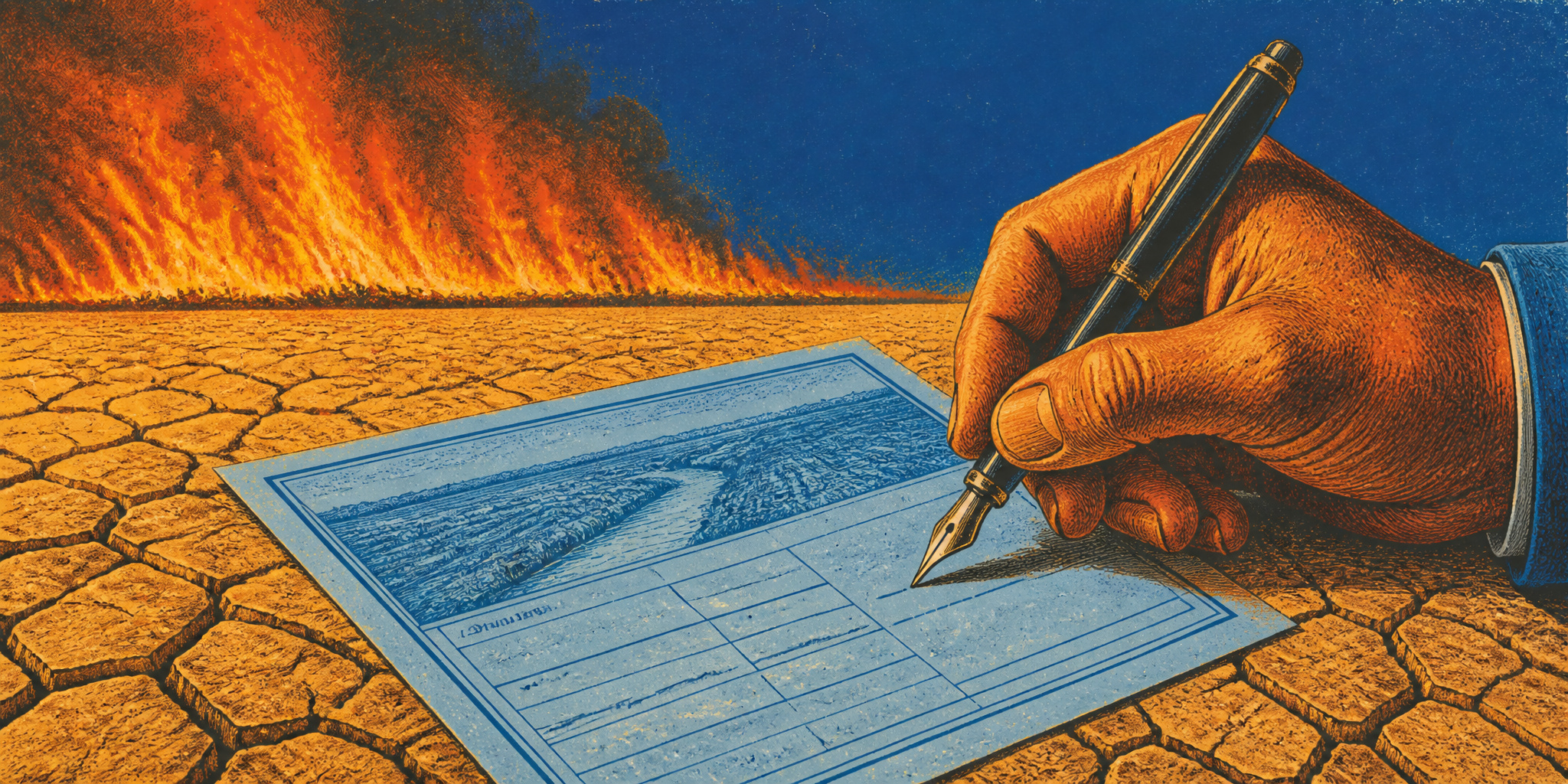
The federal Colorado River cuts are final, but Arizona's water users face an October ordering deadline without knowing what any of them will actually get.

Five institutional systems price the same climate-stressed house differently, the gaps are widening, and only the homeowner has to reconcile them.
August — Issue #45
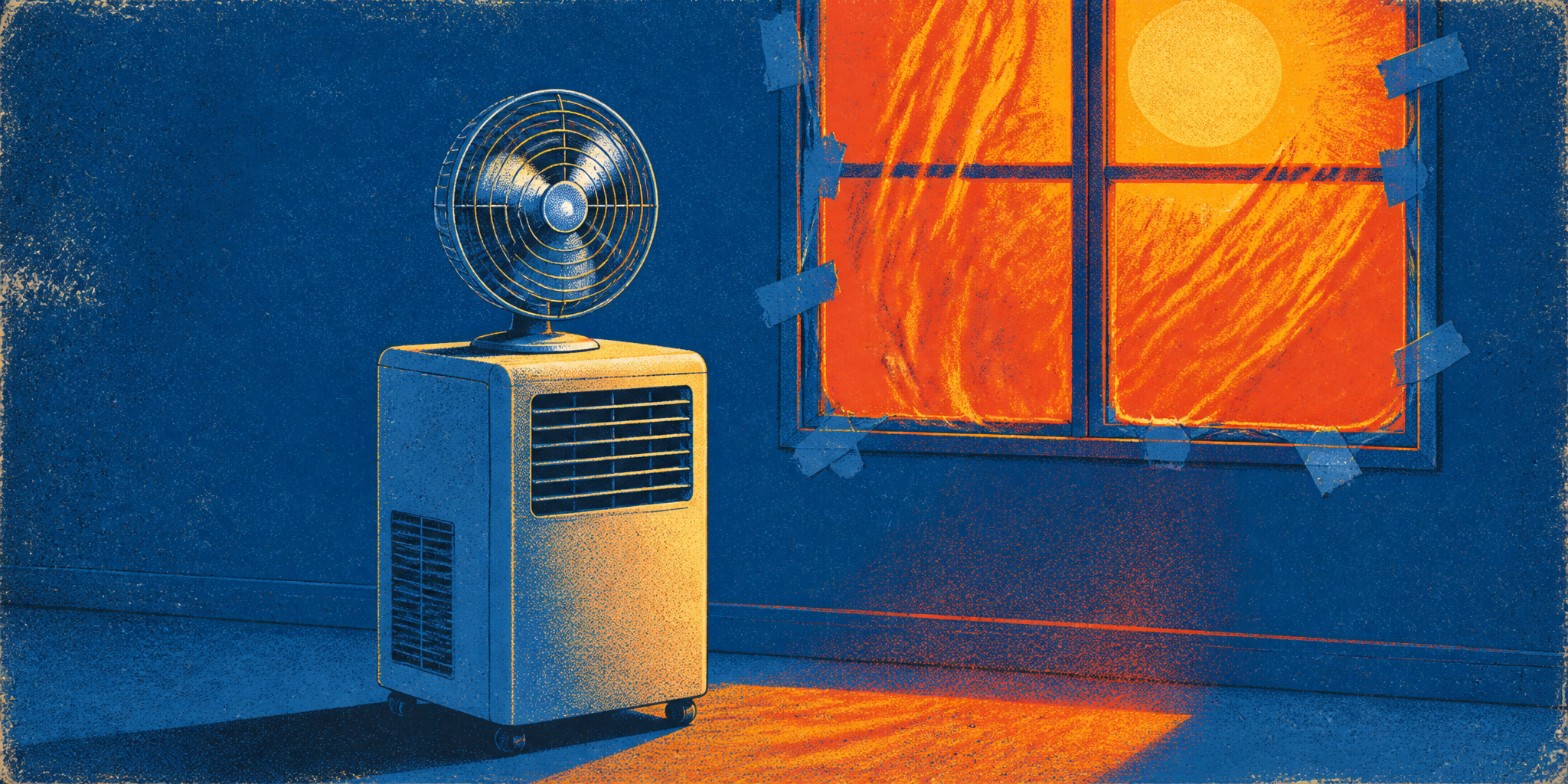
A Houston renter with COPD assembles daily livability from broken equipment, electric bills, bodily limits, and institutional timelines no one coordinates.
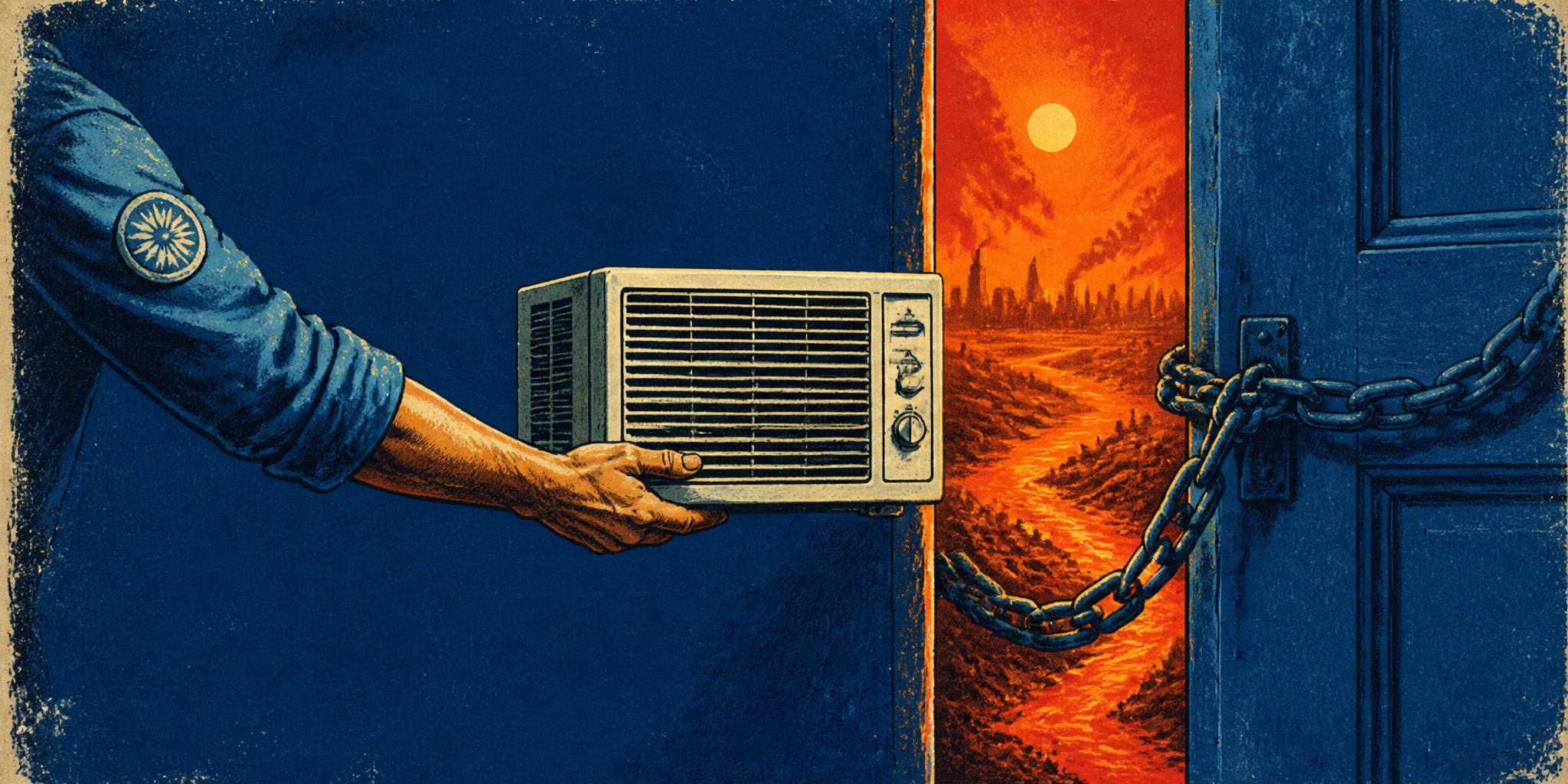
Chicago built a real emergency heat plan after 1995, and its limits reveal what emergency outreach cannot fix.
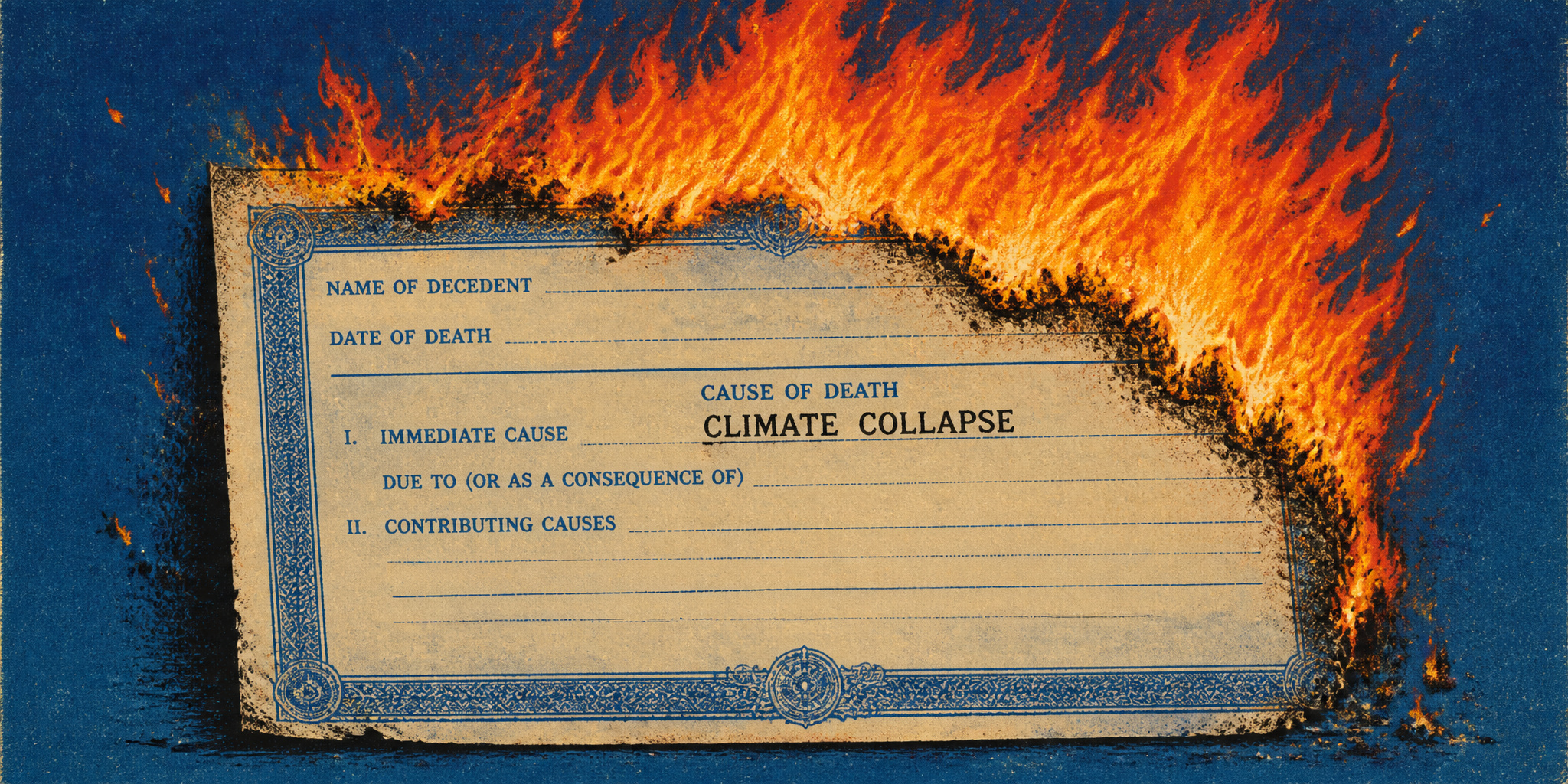
Chicago's 1995 heat deaths produced three defensible body counts, and the gap between them says a great deal about heat as a cause.
August — Issue #44

Climate risk information exists but stays off disclosure forms, while insurance markets reprice what transaction paperwork never mentions.

How San Francisco rebranded its earthquake as a fire, then spent eighty years not retrofitting the buildings it knew would kill people.
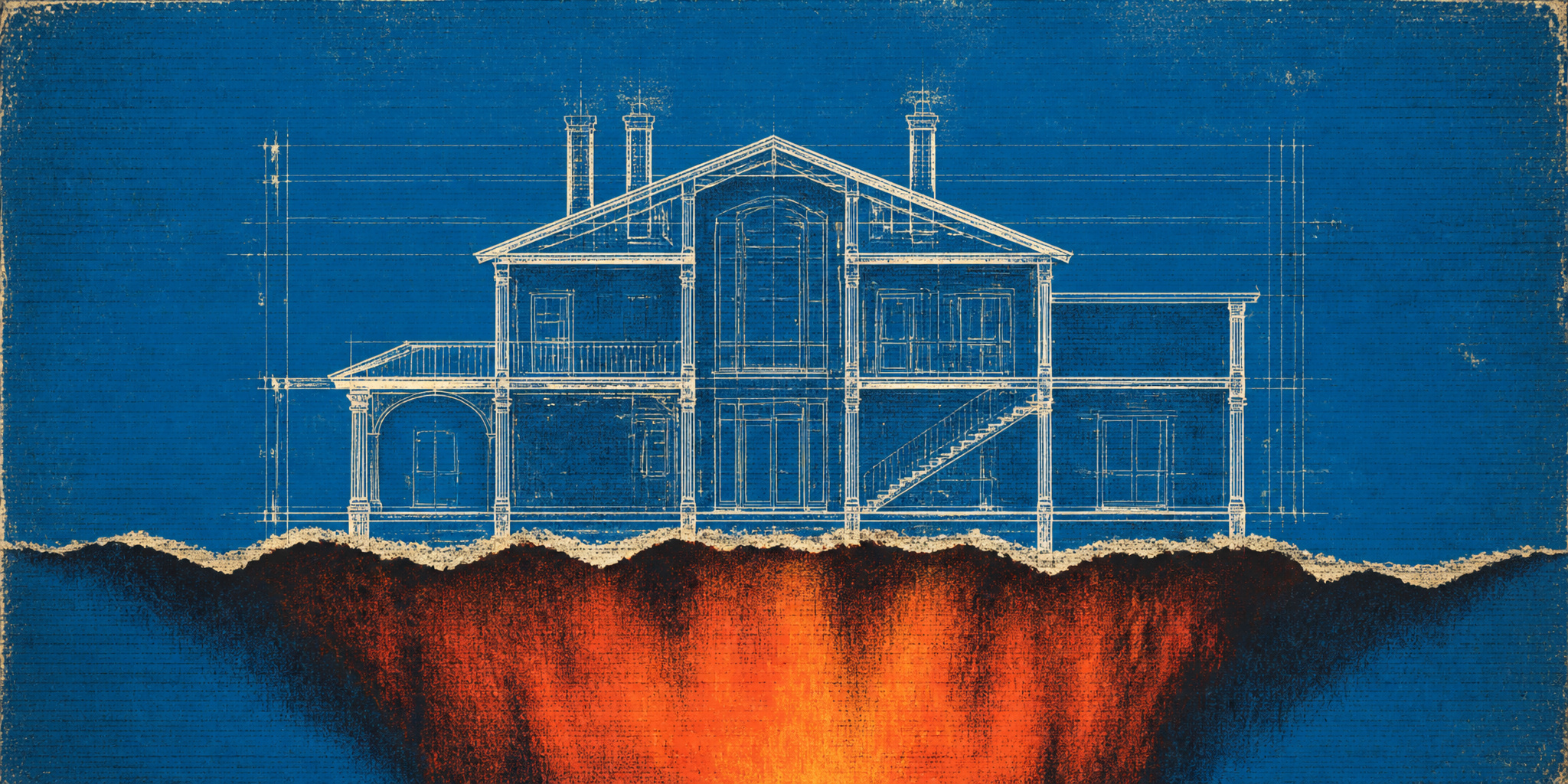
How financial incentives led San Francisco to rebrand its 1906 earthquake as a fire, warping building codes and seismic safety for decades.

August — Issue #43
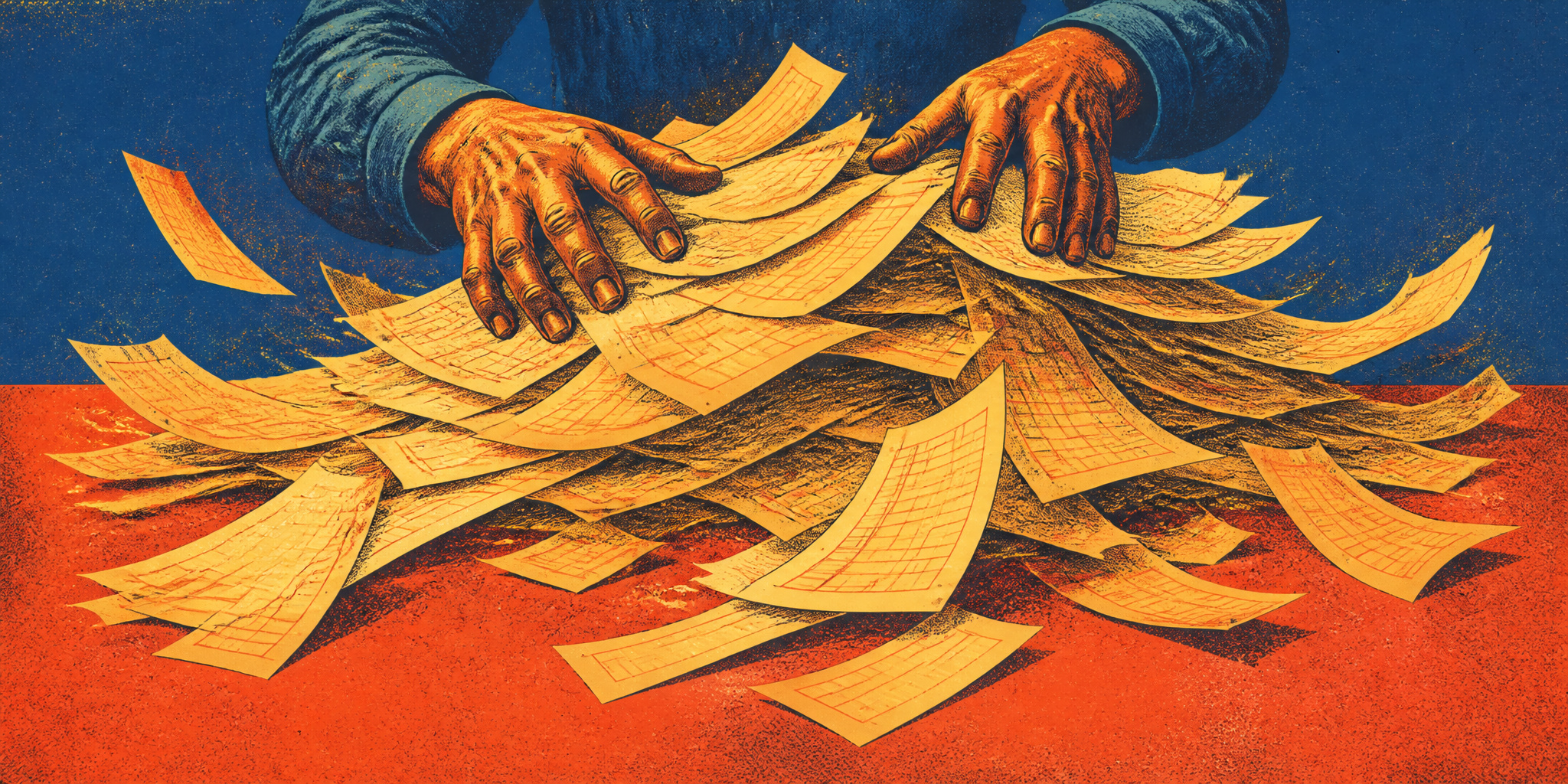
What Boulder actually spends on wildfire and flood, traced through the budget lines nobody names out loud, while the Supreme Court takes its time deciding who pays.
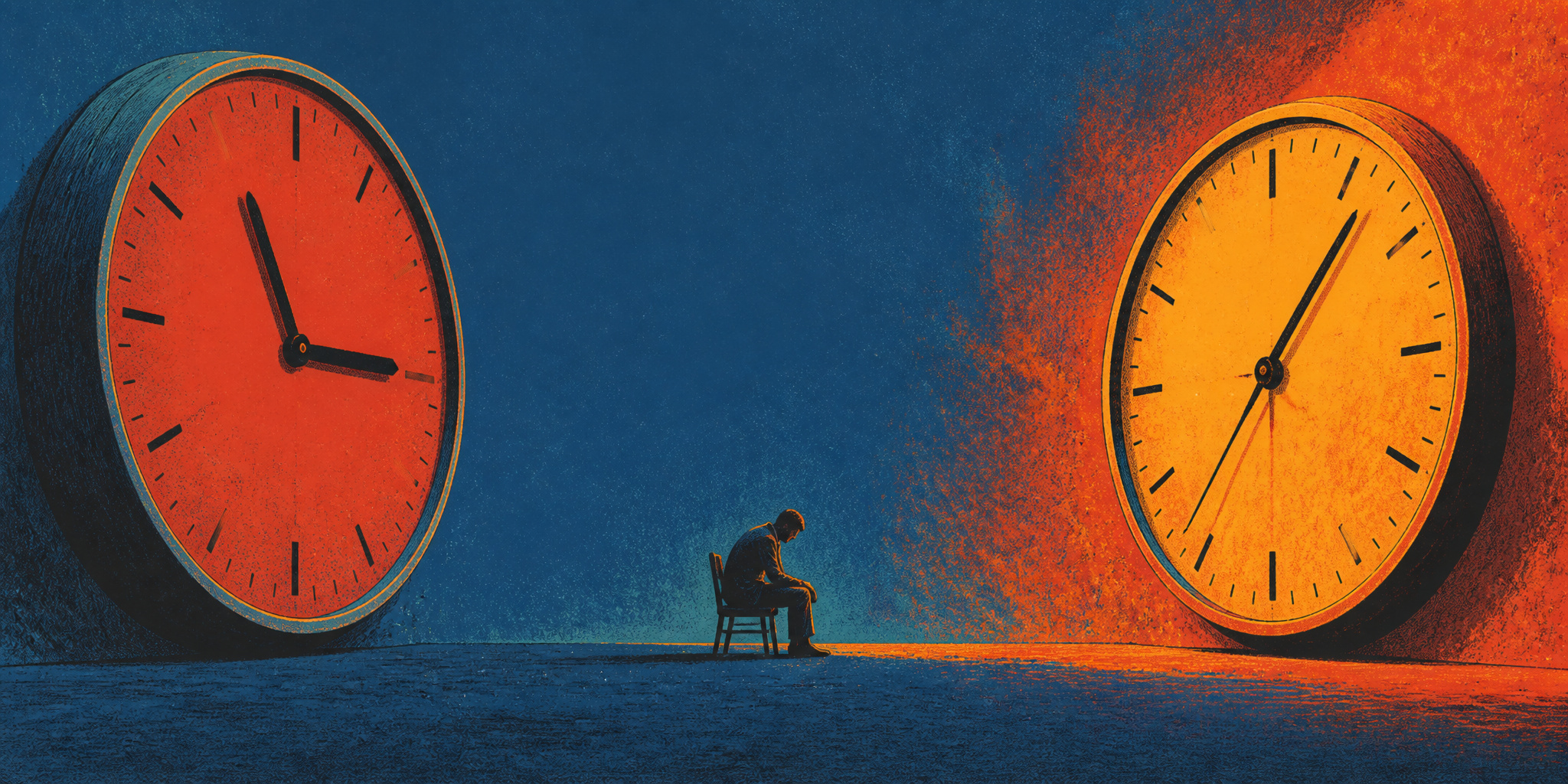
A house goes dangerous in hours. The repair takes weeks. Both numbers are public, and nobody has done the subtraction.
July — Issue #42
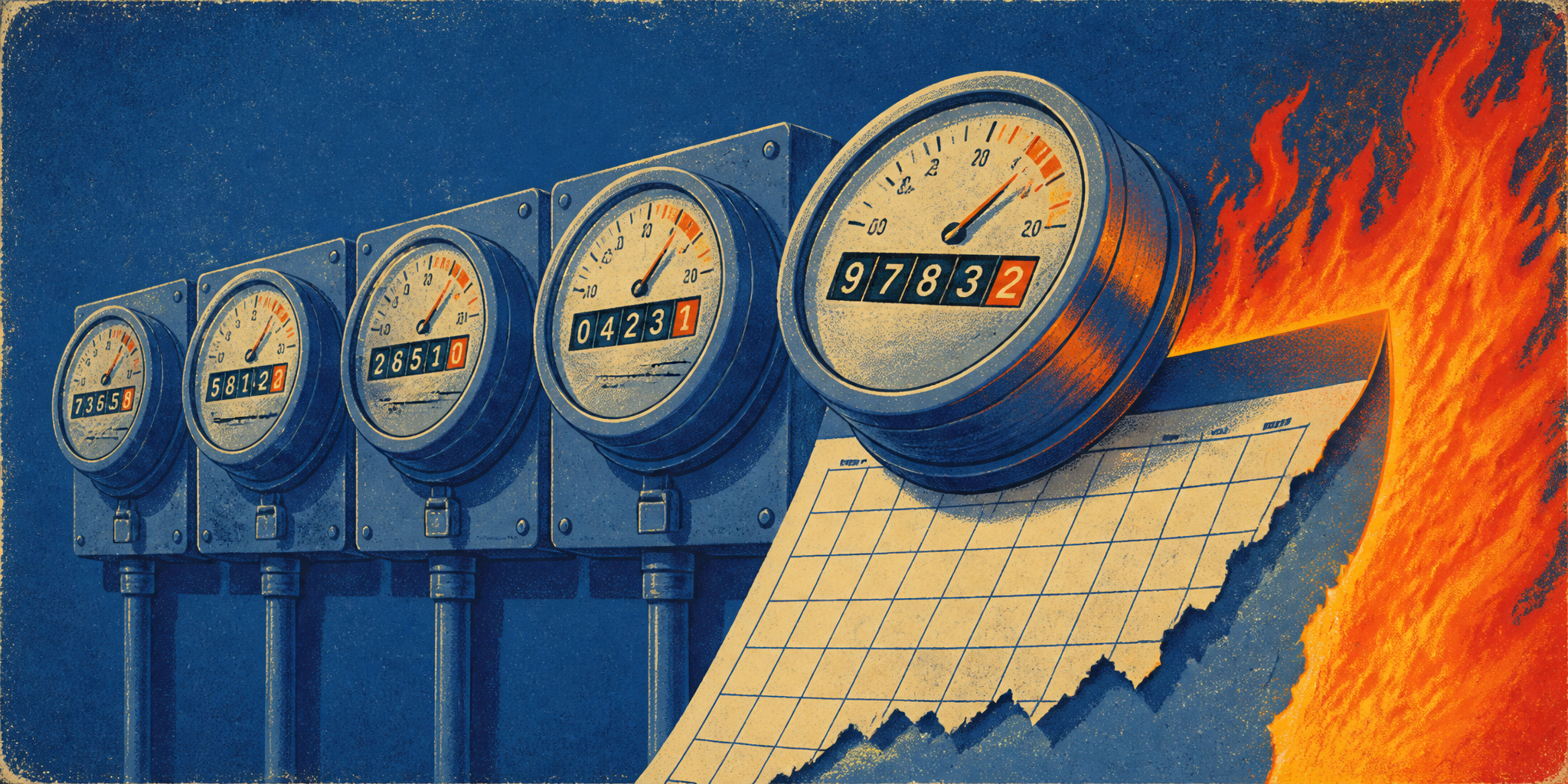
Arizona's summer moratorium keeps the power on and people alive, then hands them the bill for not dying. No institution tracks the total cost. The household holds it all together alone.
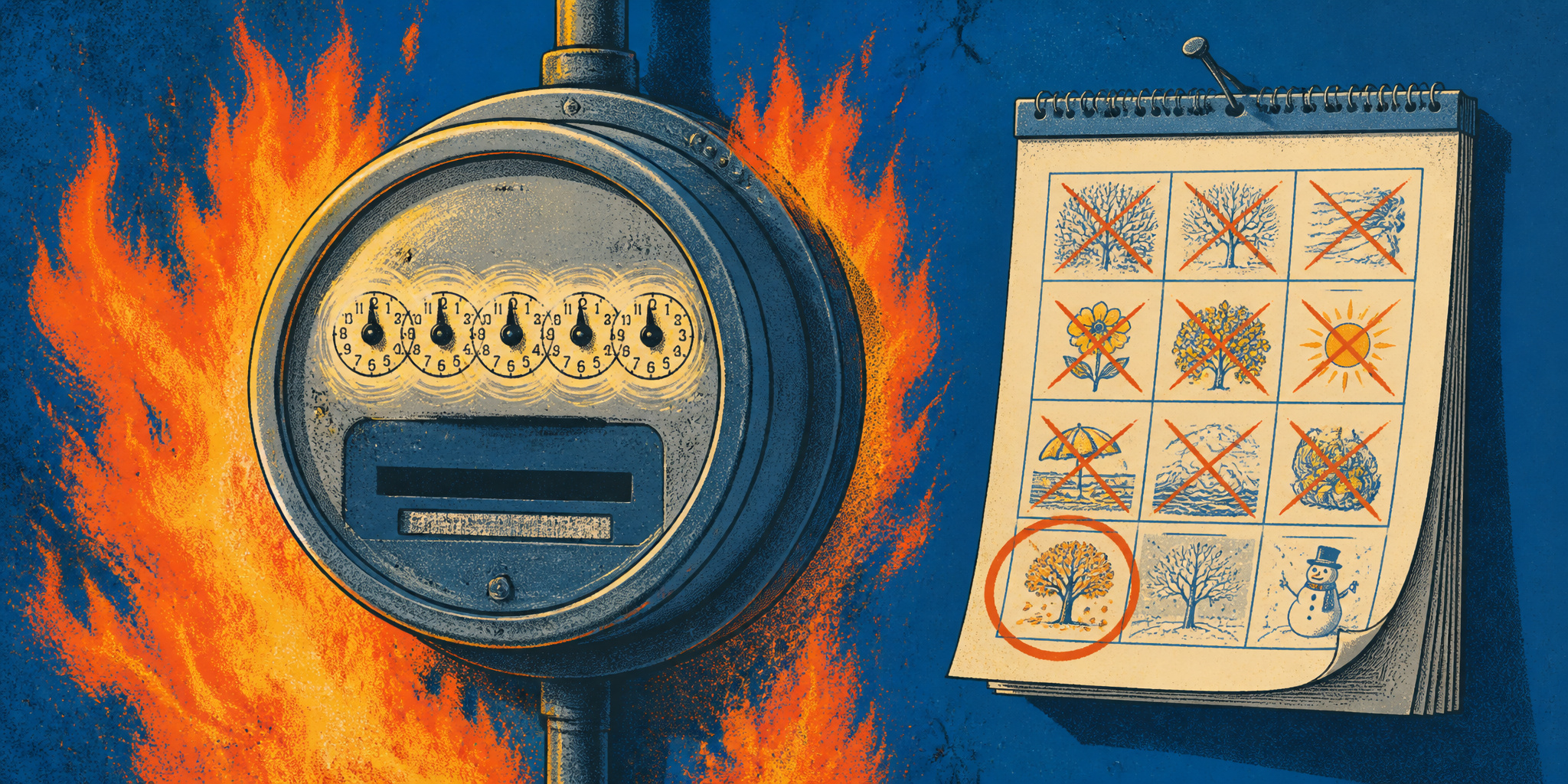
A phrase-by-phrase reading of Arizona's summer shutoff moratorium reveals the distance between disconnection protection and cooling safety.
July — Issue #41
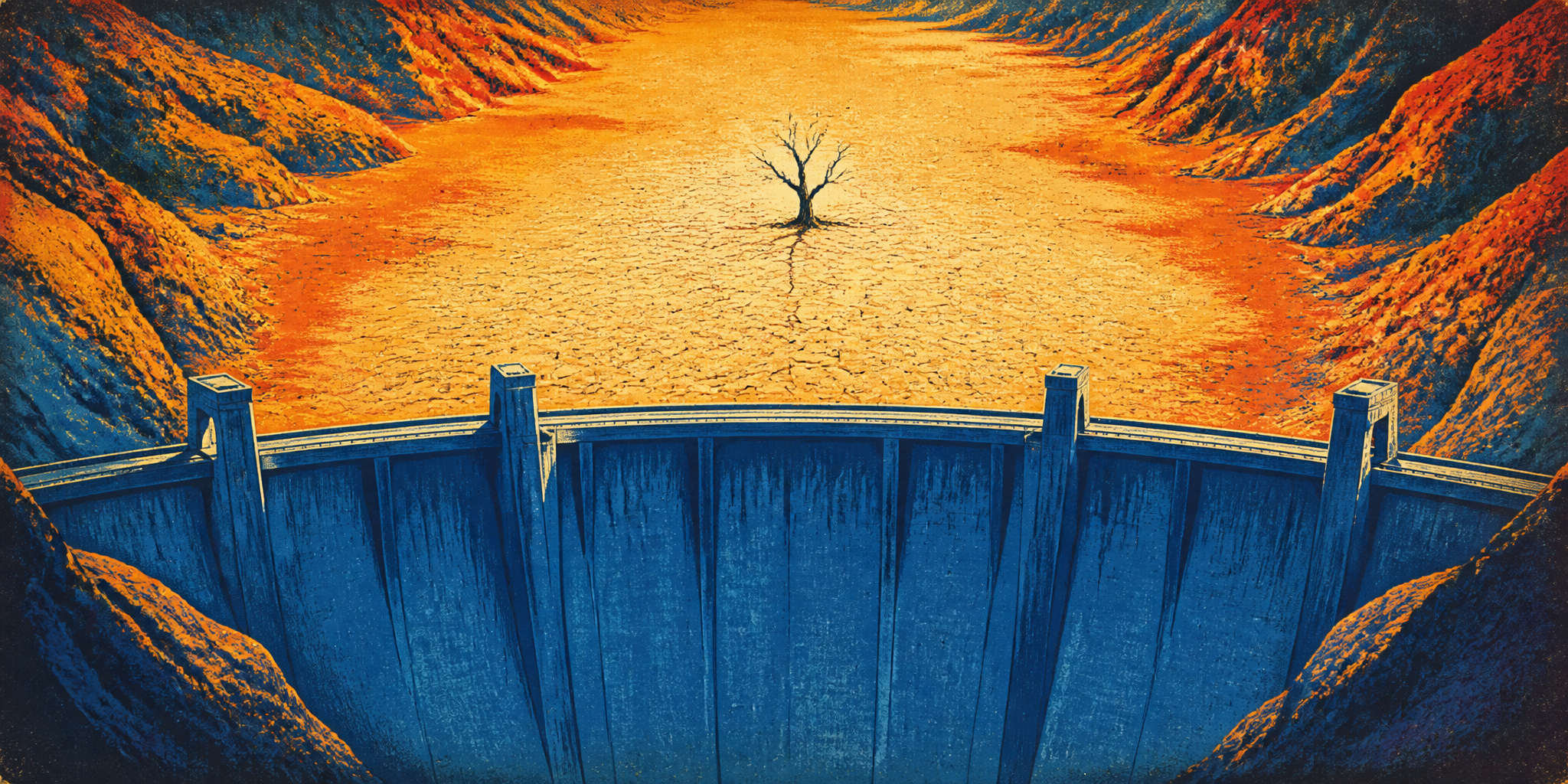
Arthur Morgan's dry dams work by sitting empty. He built infrastructure so successful it now struggles to justify its own funding, because the better it works, the more it looks like nothing happened at all.
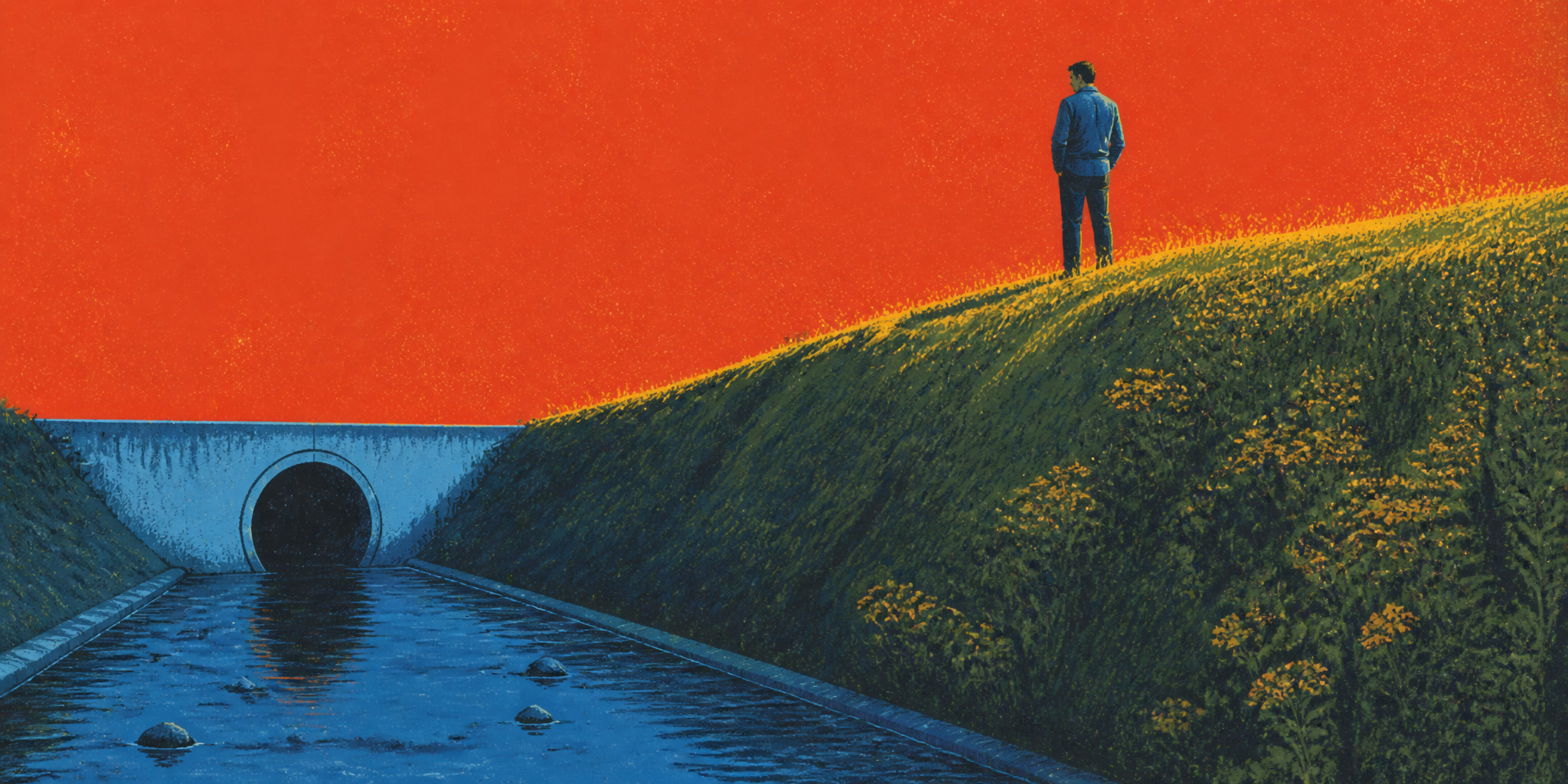
How a century-old Ohio flood district seized public claim over 35,650 acres of private land, and what holding that claim against a hundred years of people with money and plans has actually required.
July — Issue #40
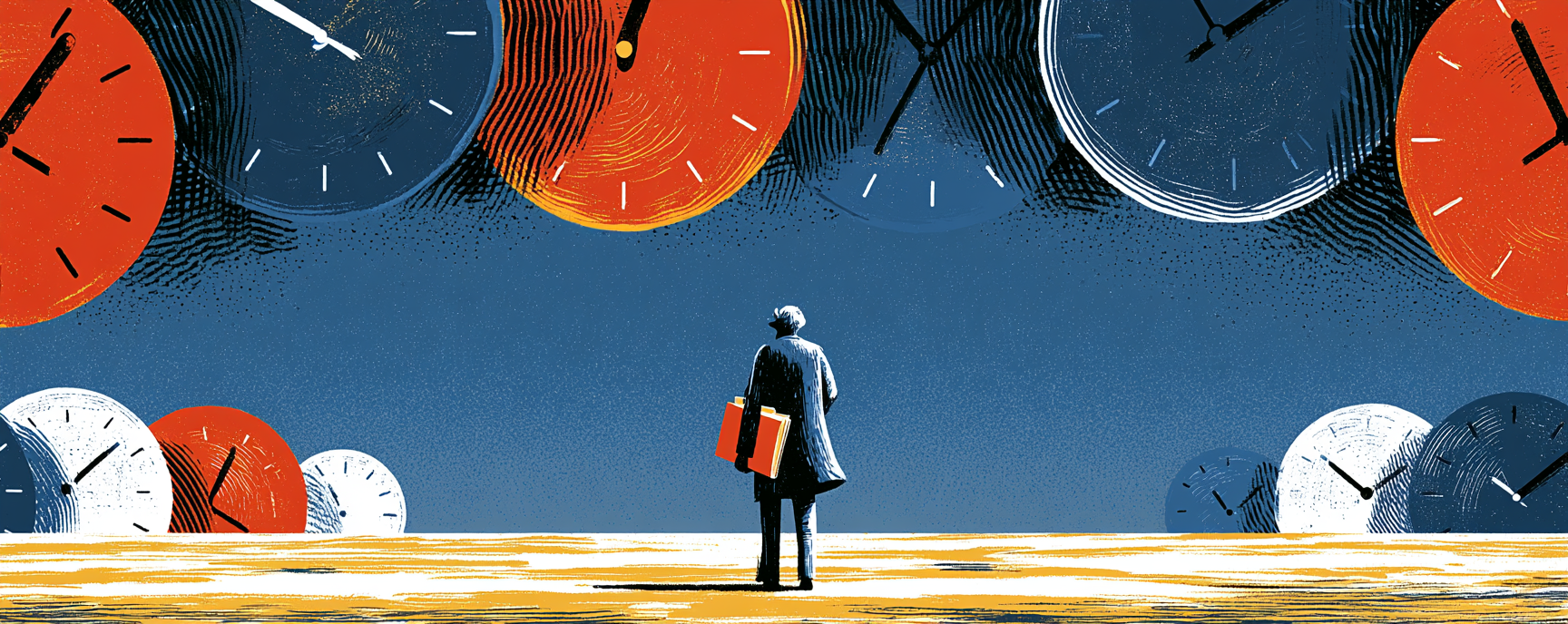
Competing recovery clocks bleed households dry while permits, contamination testing, and insurance payouts run on institutional time.
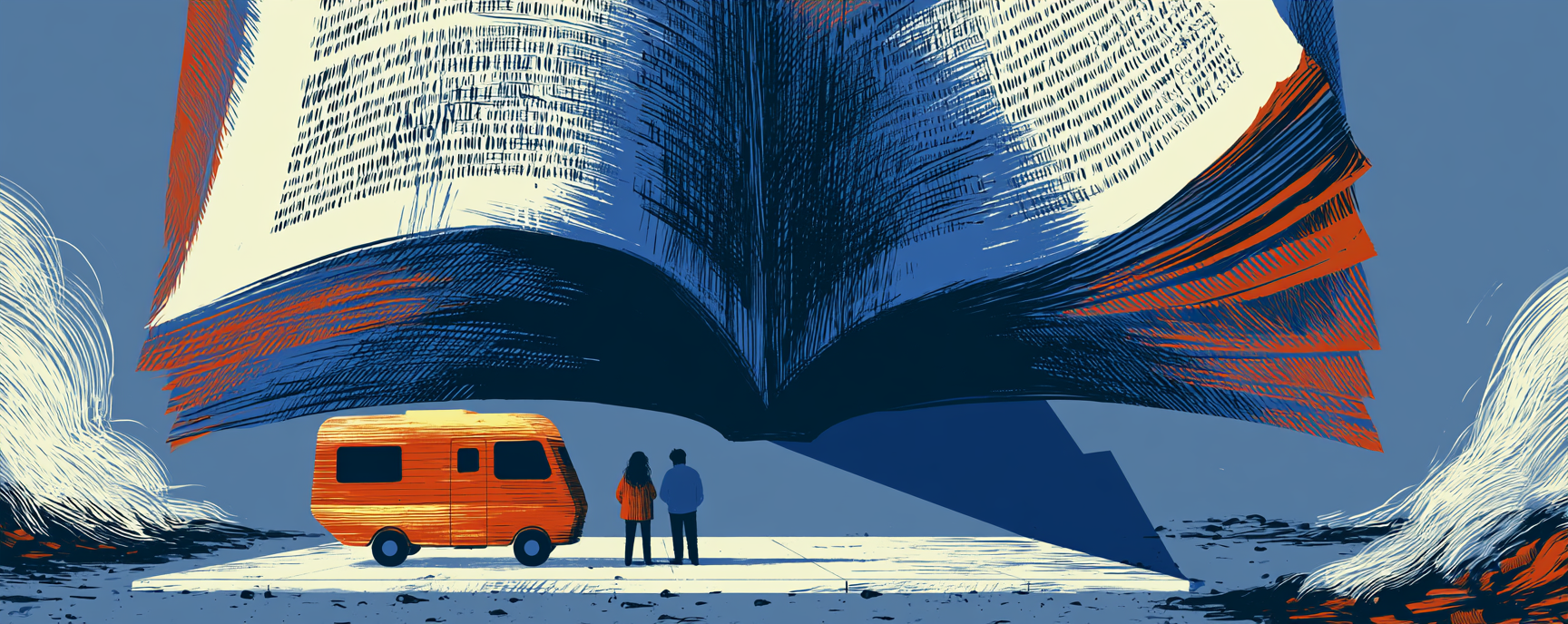
How fire insurance policy exclusions create six-figure rebuilding gaps that no part of the system is responsible for closing.
One Altadena family's sixteen-month rebuild reveals how households absorb every gap between the systems meant to carry them home.
July — Issue #39
Maricopa County data shows most indoor heat deaths occurred where air conditioning existed but failed, tracing the human reasons why.
Tracks the documented financial burden households and communities carry while federal climate adaptation programs move slower than the risks they address.

After a climate disaster, five institutional timelines collide on one burned address, and the displaced household alone must reconcile clocks never designed to align.
June — Issue #38

Western North Carolina buyout applicants watch mortgage deadlines expire while FEMA and state officials argue over paperwork compliance.

One Altadena family rebuilt in sixteen months because every institutional clock aligned; 5,842 neighbors are still waiting.

Florida's code became the national wind-resistance standard, but the enforcement gap it was built to close is reappearing across every new hazard.
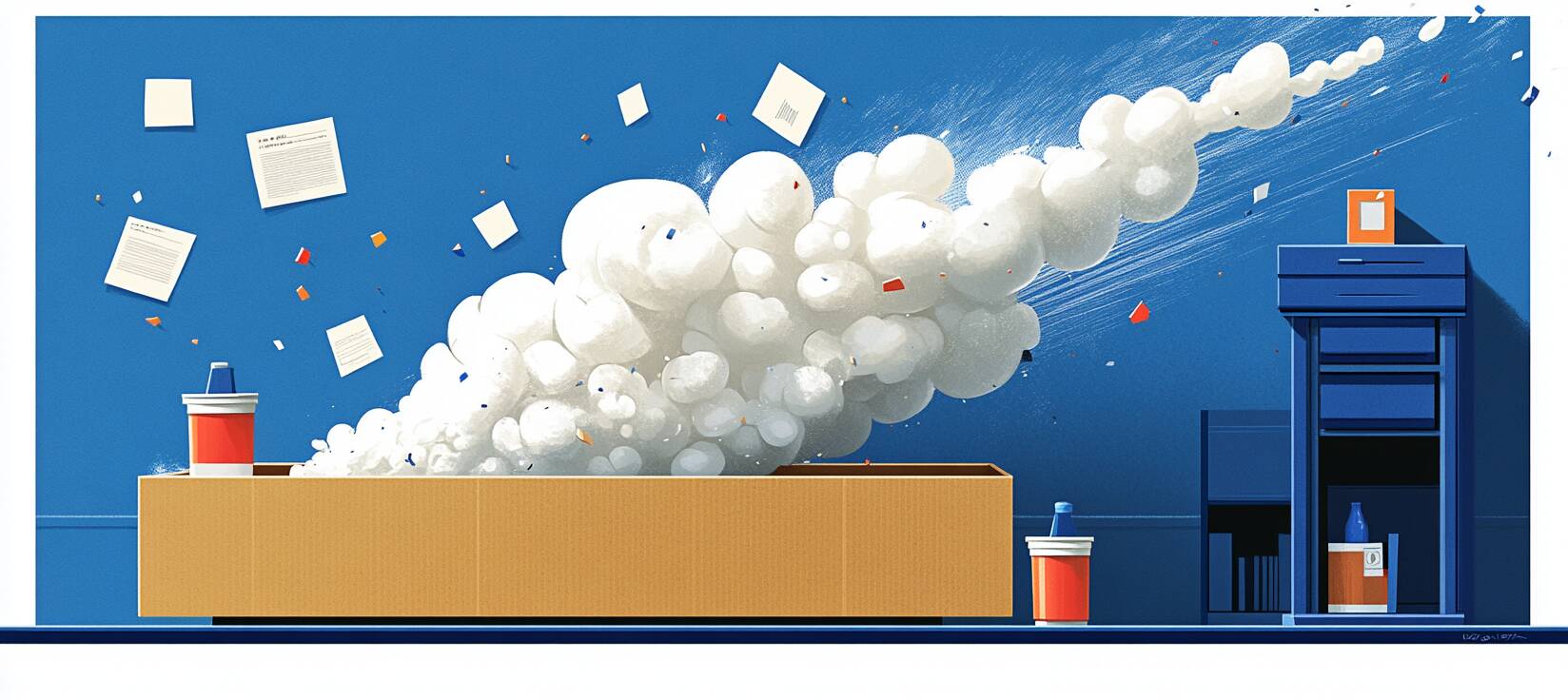
June — Issue #37
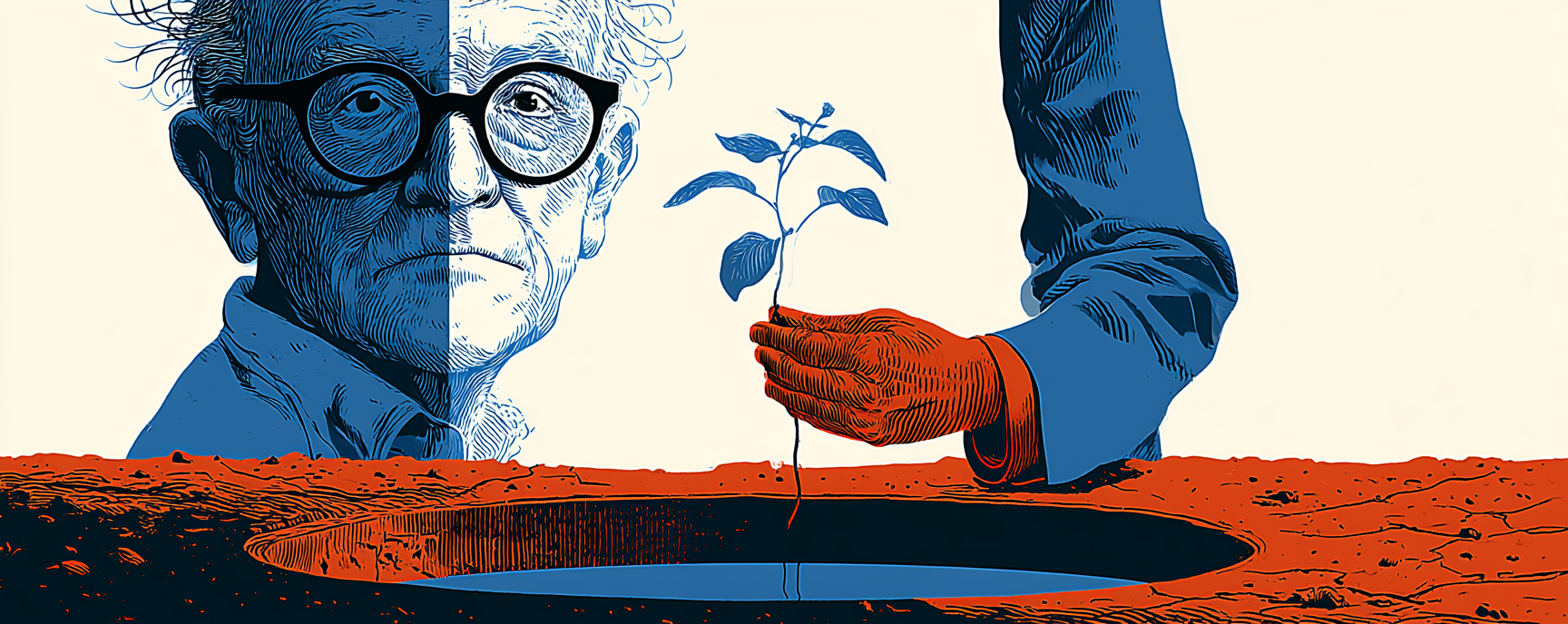
A Texas farmer who governs the aquifer restricting his own water confronts the converging math against irrigated agriculture's future.
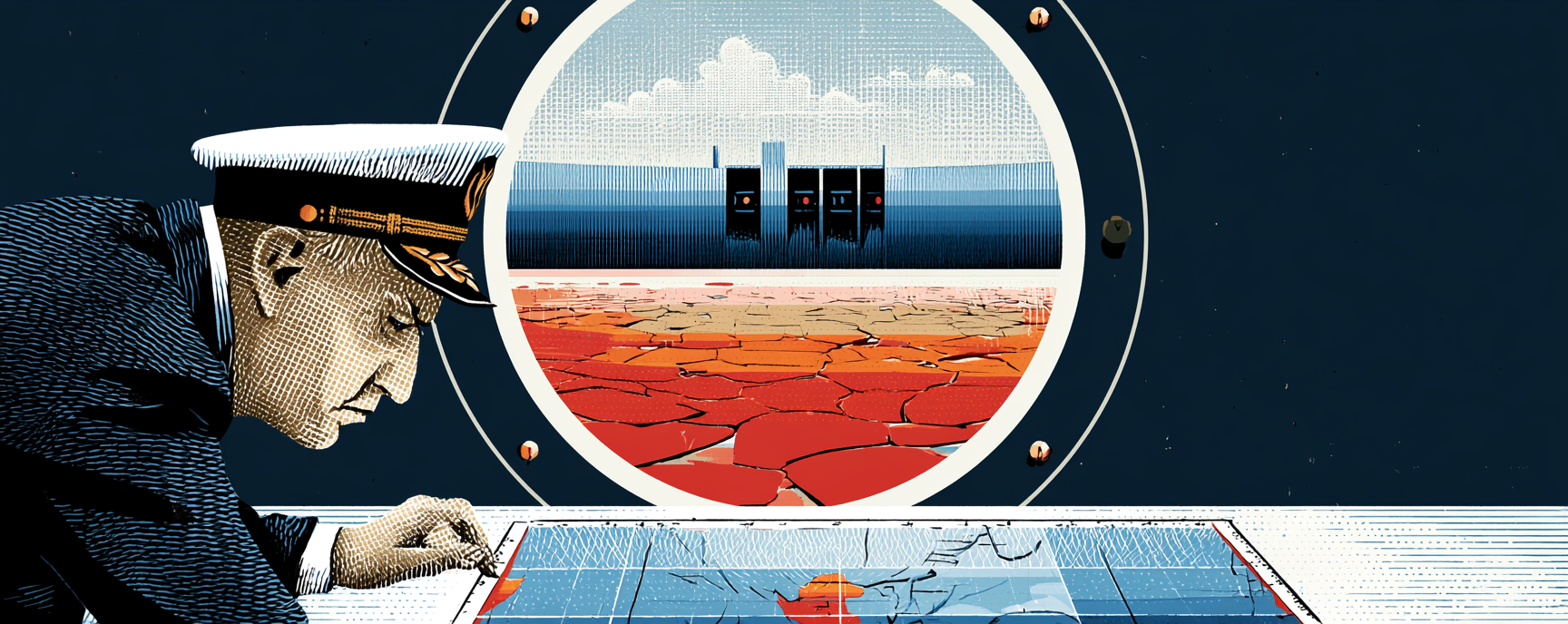
Grid planning assesses drought, heat, and demand loss separately; summer 2026 delivers them simultaneously, and the framework has no word for "and."
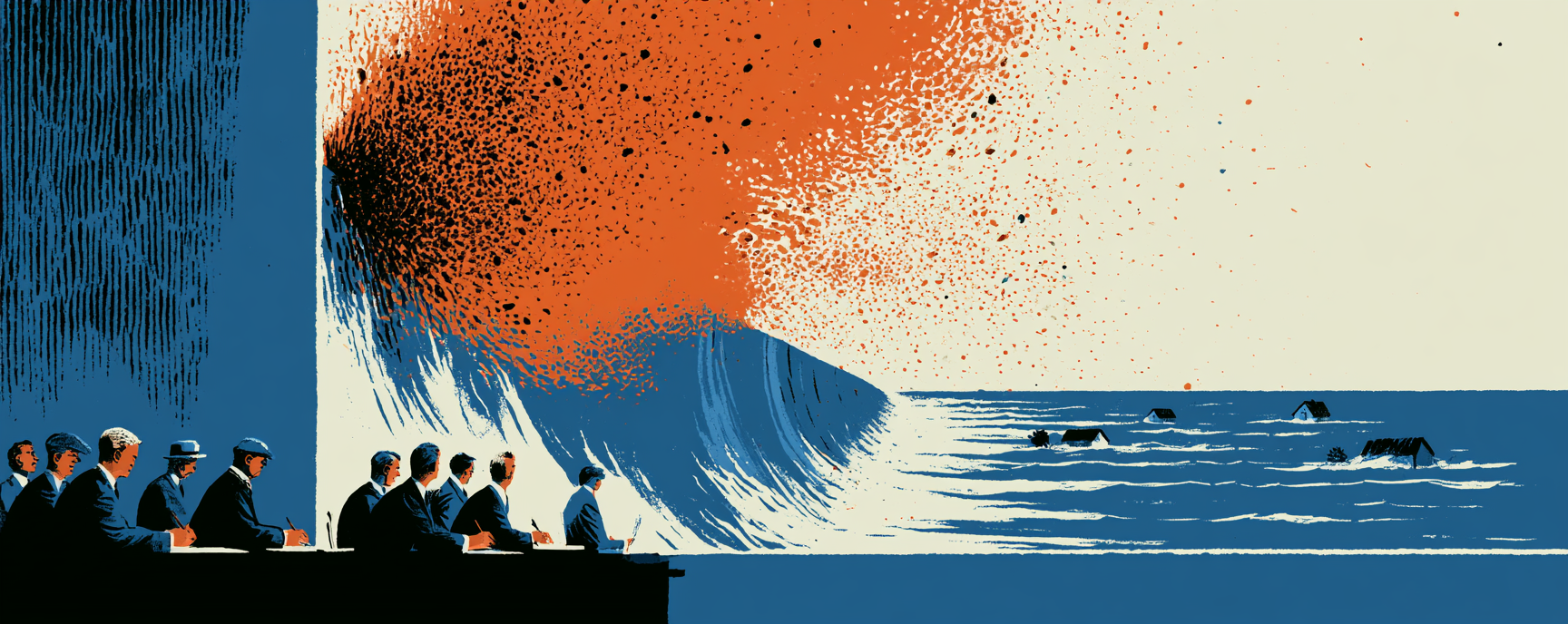
New Orleans bankers decided to dynamite the Caernarvon levee, then controlled the compensation process that reduced $35 million in claims to $2.9 million.
June — Issue #36

Galveston's $57 billion storm barrier is designed to standards below the surge of the hurricane it's named after.
How a self-taught engineer designed Dayton's century-old flood system by building for the storm his data couldn't show him.
How one meteorologist's published confidence killed a seawall proposal, left Galveston unprotected, and cascaded through American history.
June — Issue #35
Palisades residents hold permits they cannot use, revealing how wealth and optionality produce their own form of paralysis.
An Altadena homeowner races to rebuild while corporate buyers and insurance shortfalls dismantle the community redlining built.
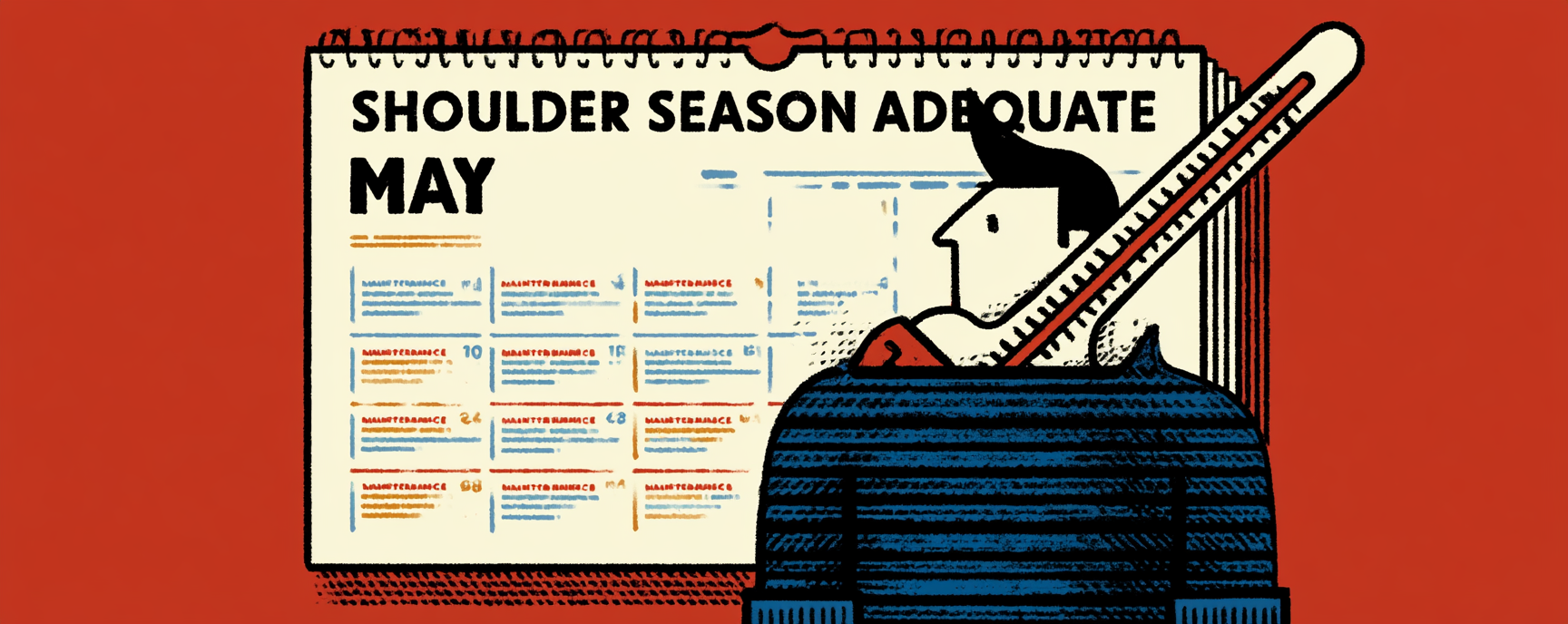
The grid's adequacy assessment and its emergency order were both accurate, issued one day apart, measuring a summer that no longer exists.
June — Issue #34
How New Orleans elites dynamited a levee, broke their promises, and built the legal template for federally authorized sacrifice.

Sandhills ranchers face full overhead on dead operations while federal instruments answer piece by piece what only compounds whole.
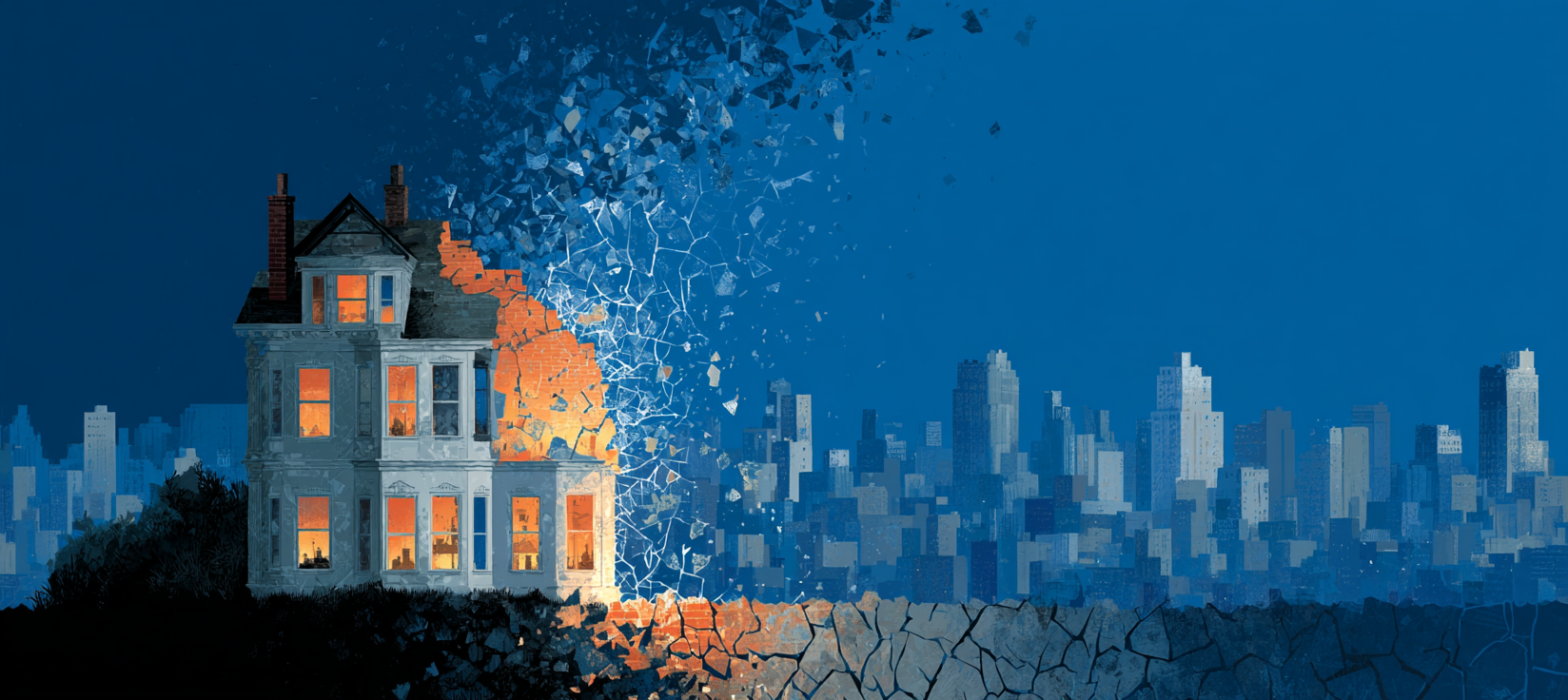
A structural inspection of five U.S. climate adaptation systems still standing under loads they were never designed to carry.
May — Issue #33
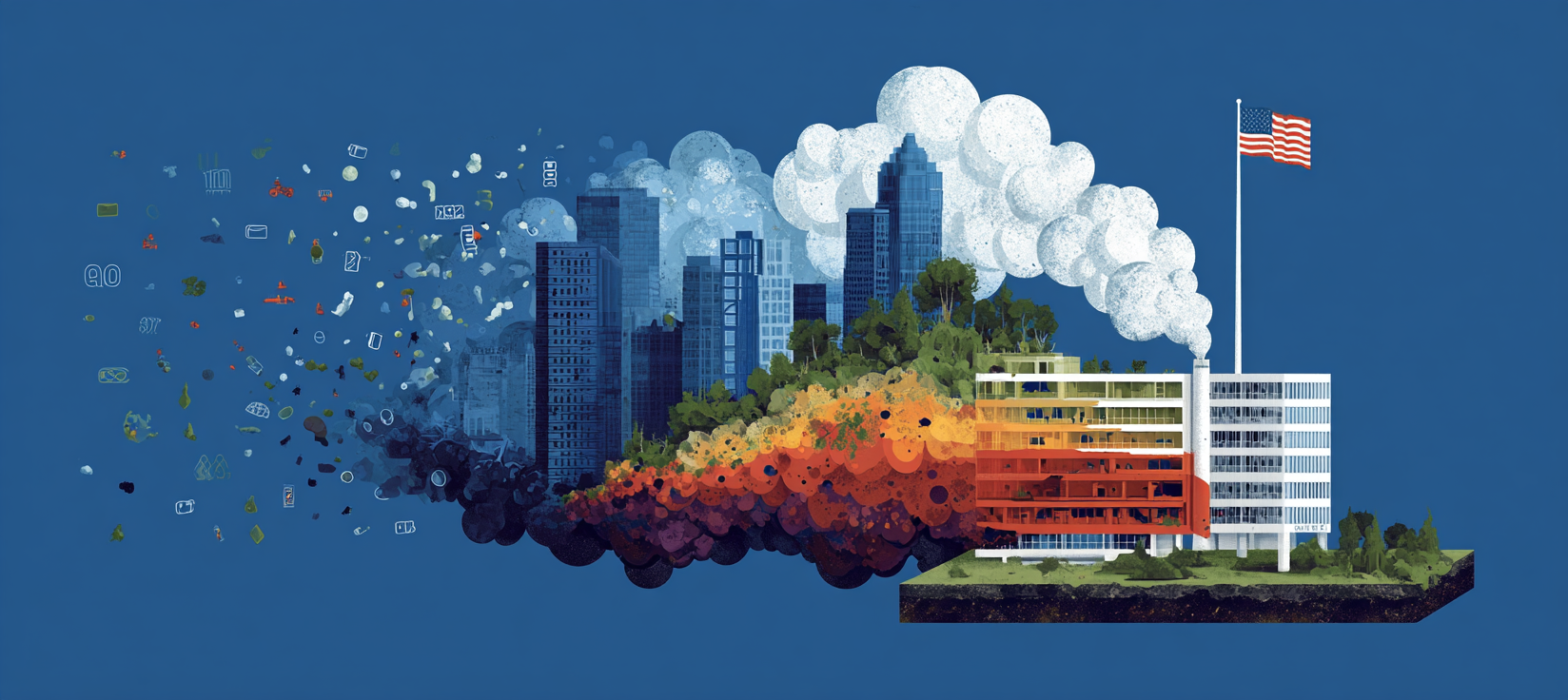
EPA tells schools what to do about wildfire smoke at every threshold. The buildings show what the equipment allows.
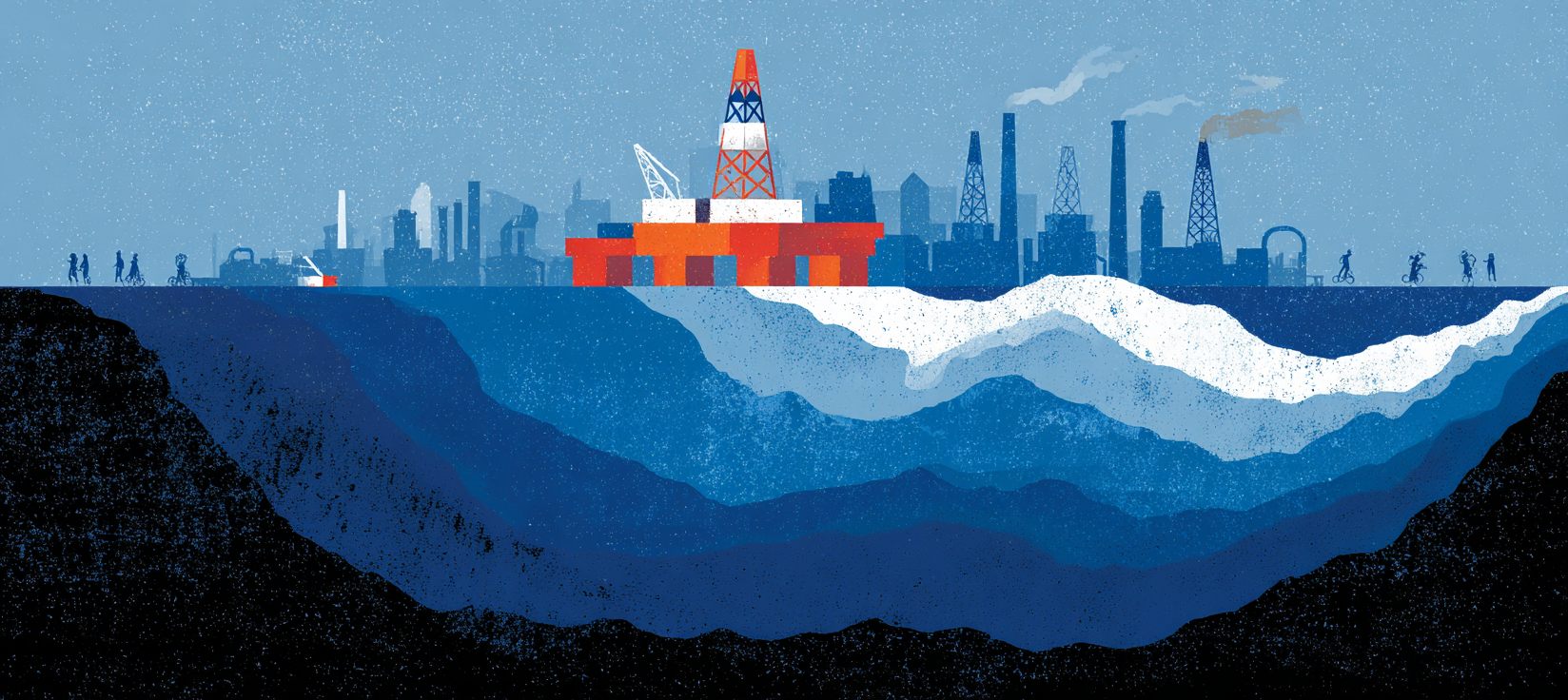
A grieving city's 1902 vote to build a seawall quietly became a century-long commitment to protect petrochemical infrastructure instead.
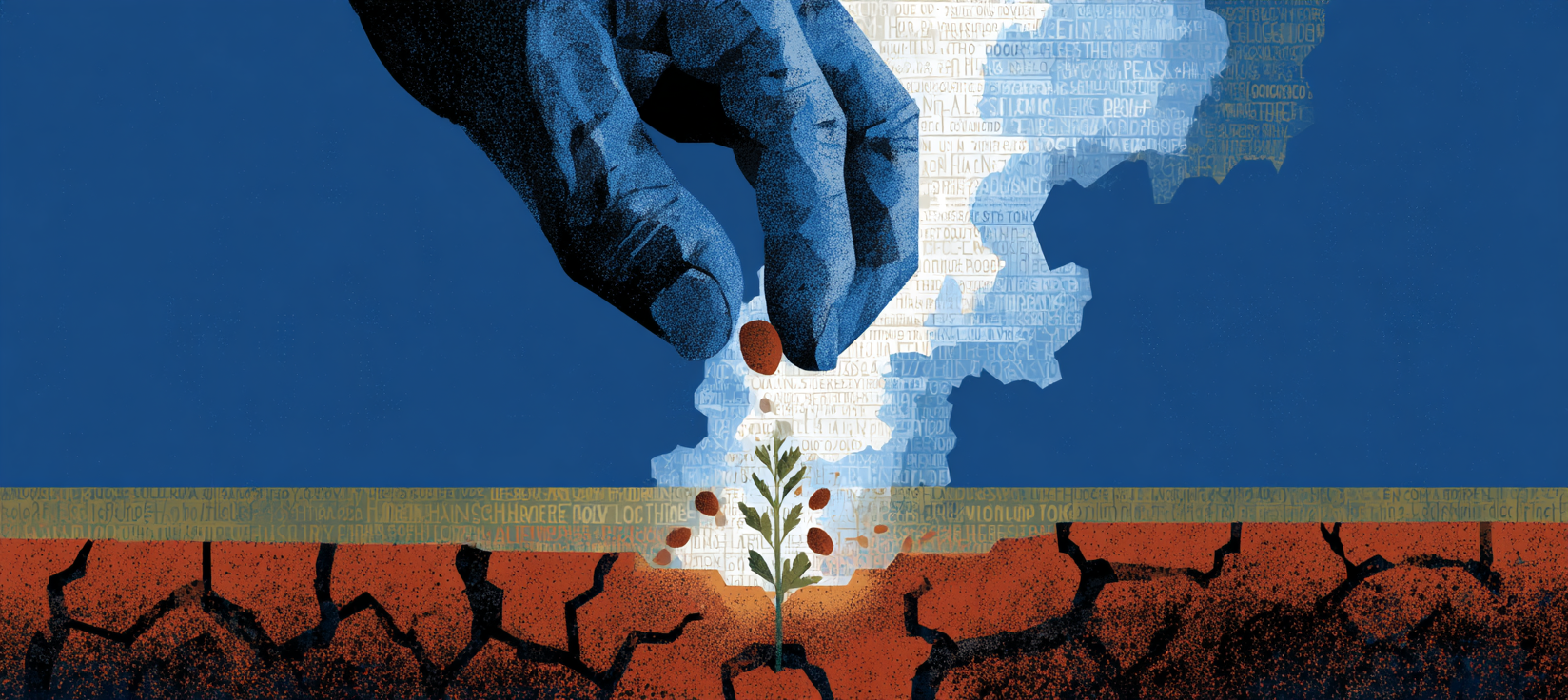
Georgia farmers borrow money to plant crops that may not survive, turning drought into debt with no rain in sight.
May — Issue #32
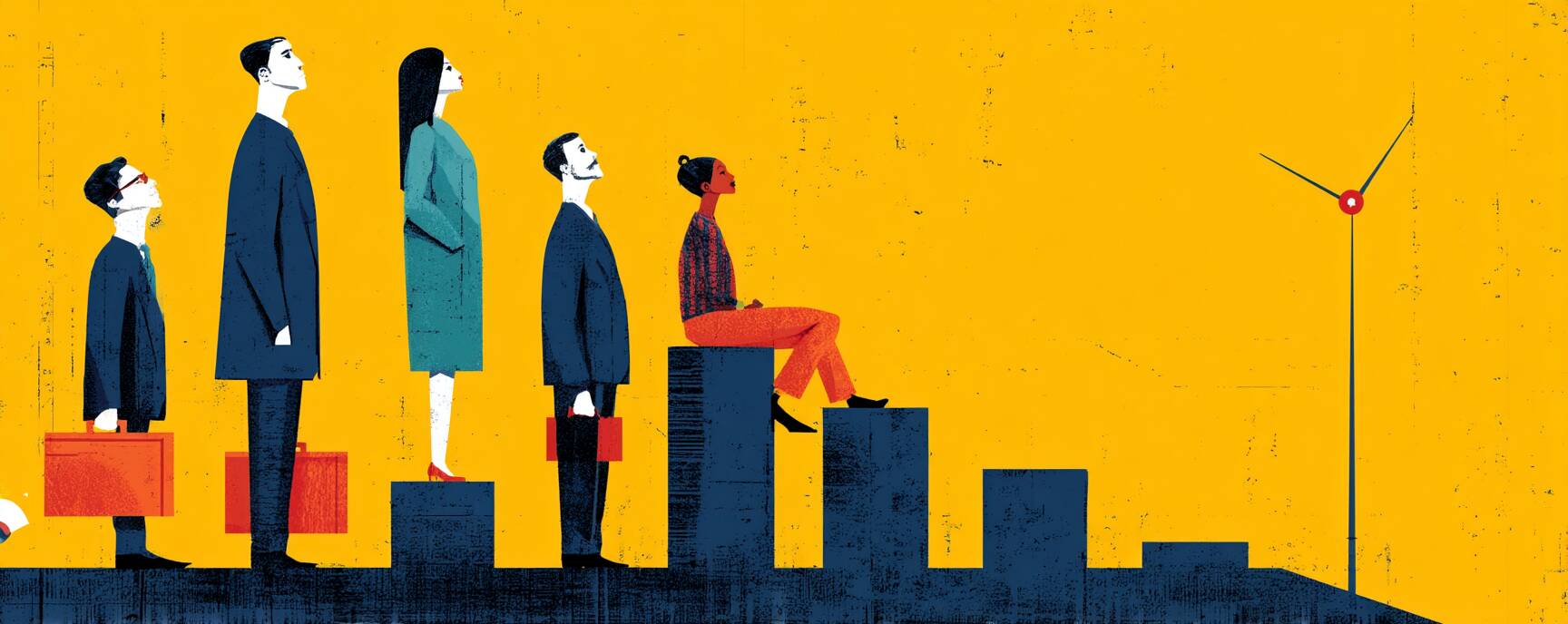
A Louisiana buyout program offers flooded residents a structured exit, but funding runs out before the neighborhood does.
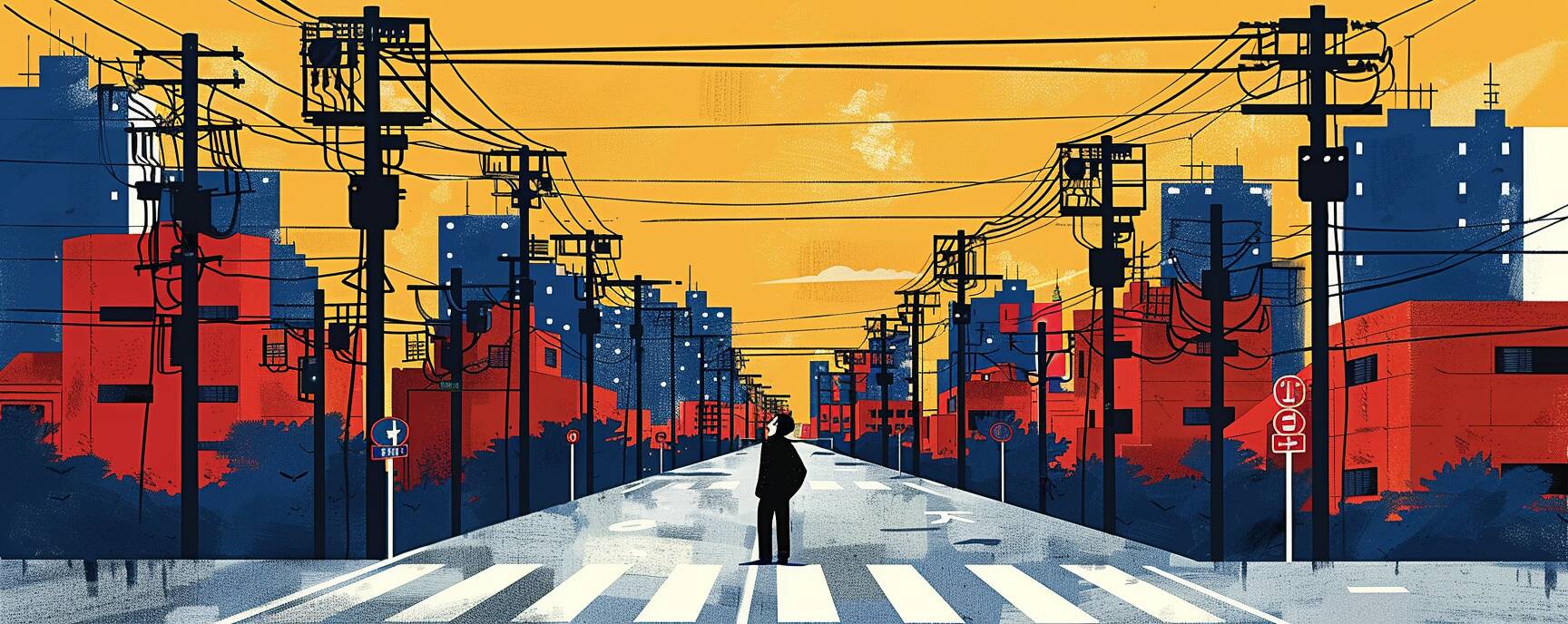
Rising flood premiums silently replace the Grand Strand's middle-class coast with luxury construction, one renewal notice at a time.
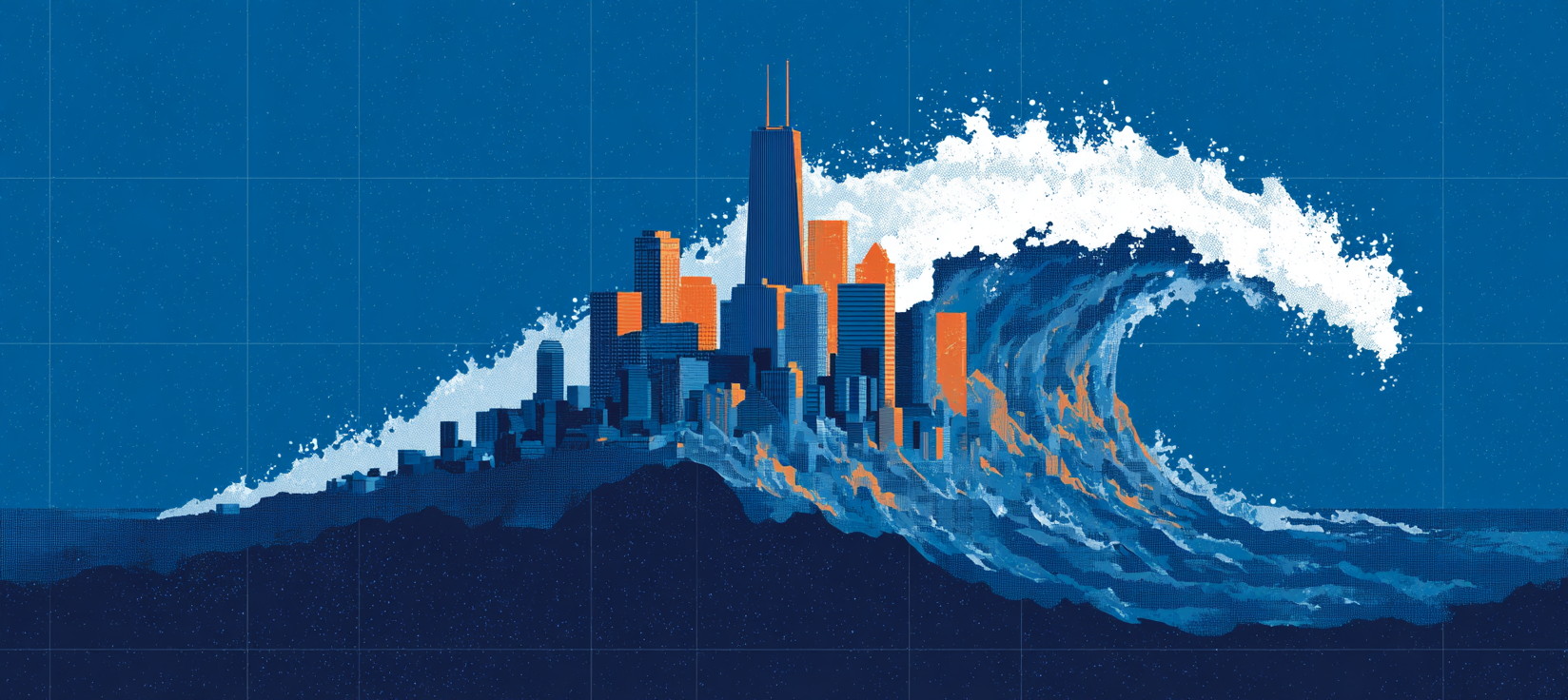
Warming has nearly doubled its pace, but the infrastructure already under construction was designed for the old rate.
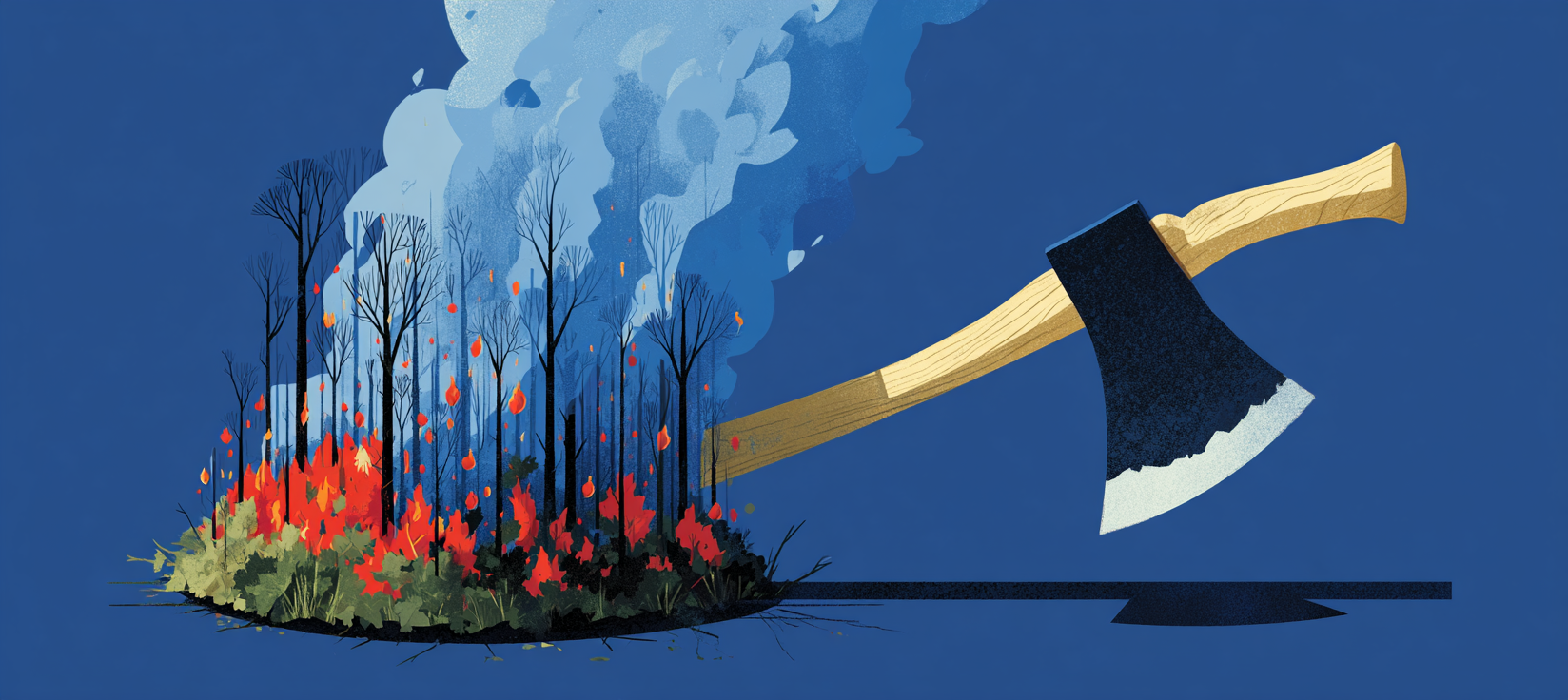
May — Issue #31

Two independent studies reveal Houston's $34 billion coastal barrier is engineered to a sea level baseline that both overstates land and understates ocean.
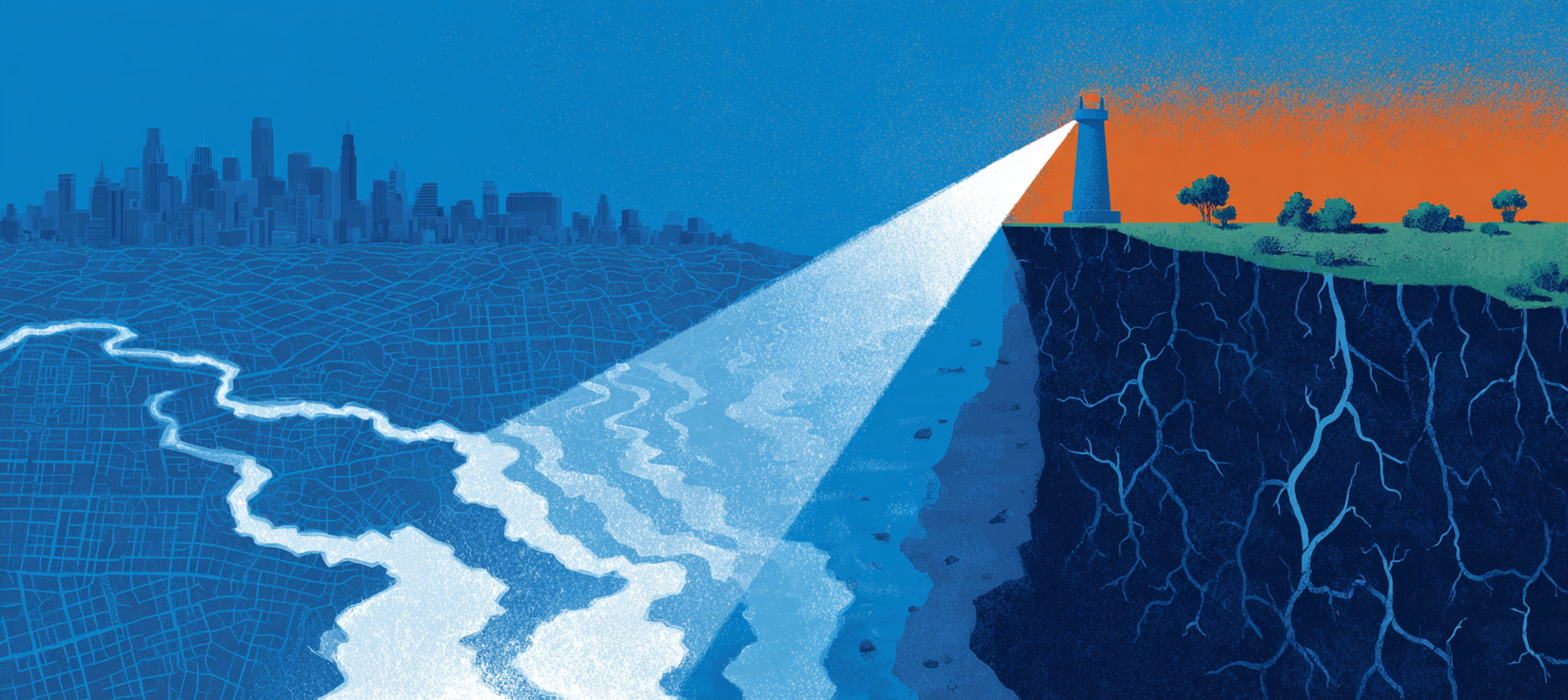
Johnson's 1965 promise built levees, levees built dependency, dependency built a city that cannot accept its terminal diagnosis.
May — Issue #30

Kerr County plants fifty thousand trees along a river that already exceeded its century flood by three feet.
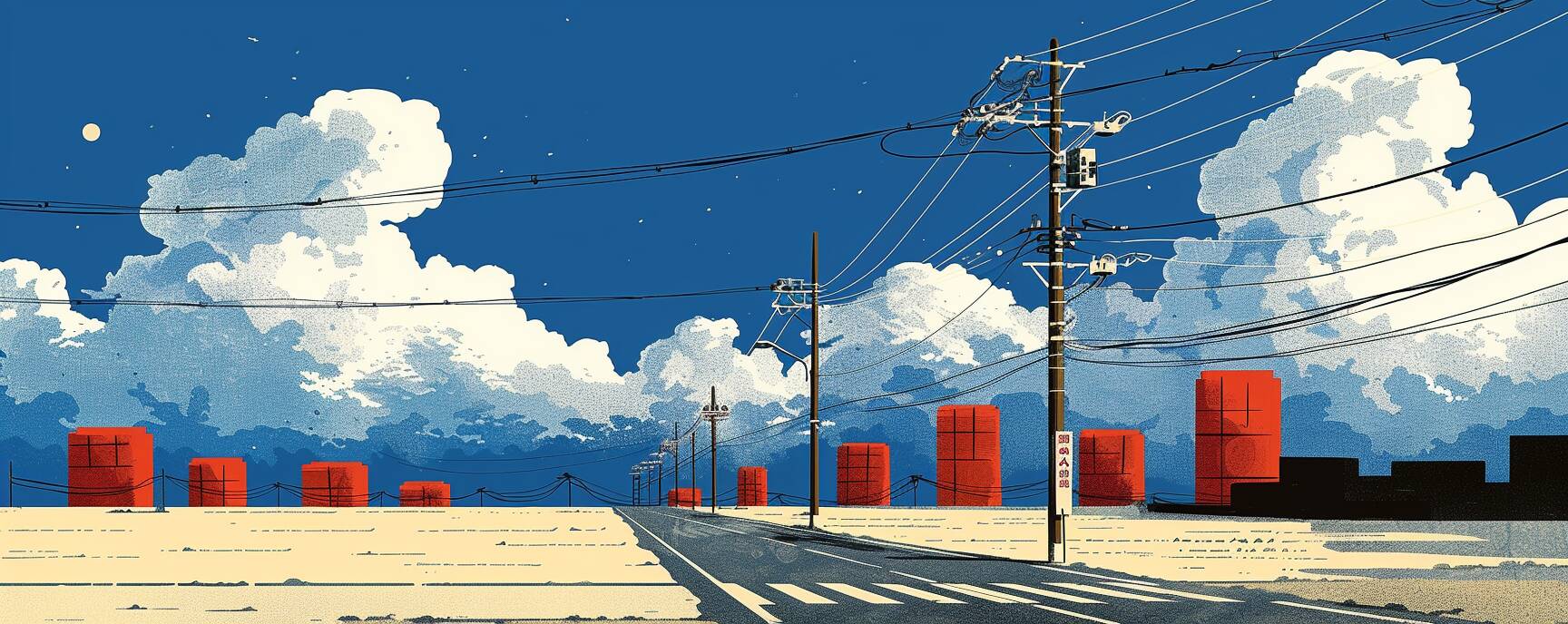
Texas wrote camp safety laws after children drowned, then routed enforcement through the agency that failed them.
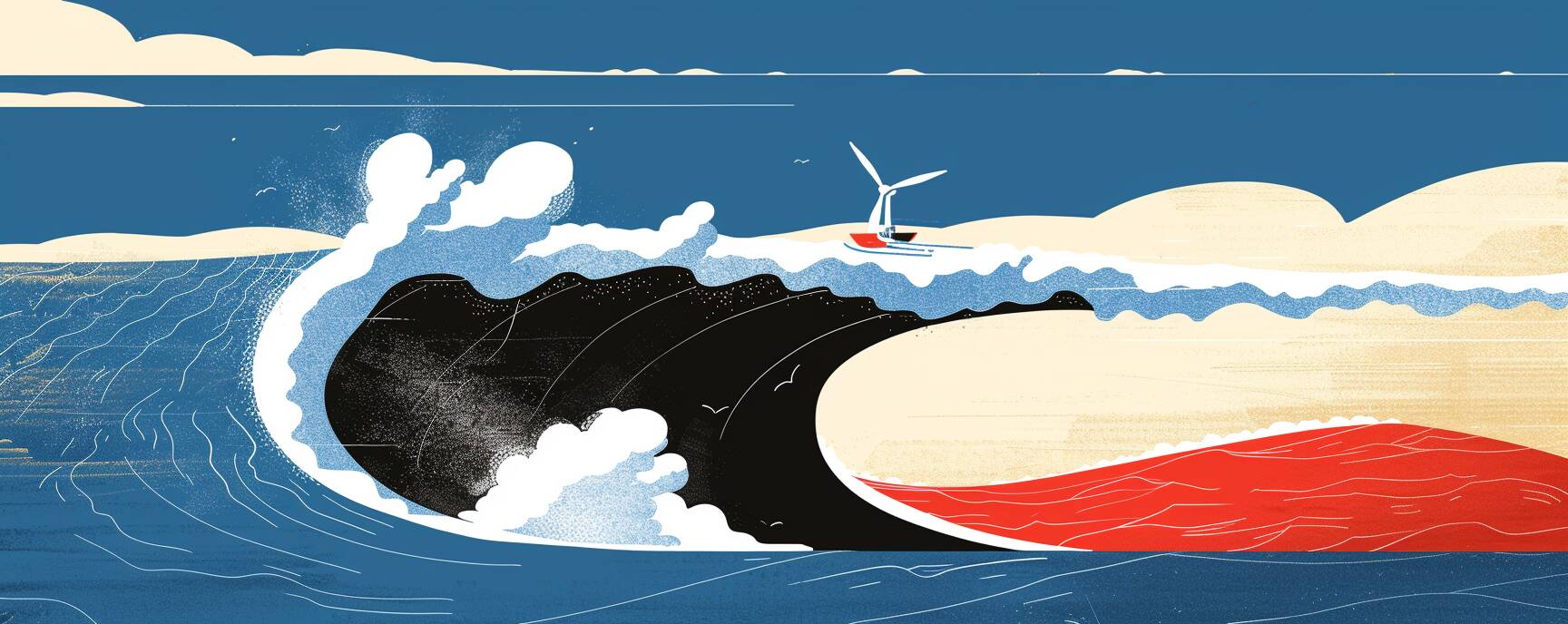
Seoul daylighted a buried stream and won global praise. The vendors bulldozed to make it happen got nothing.
April — Issue #29
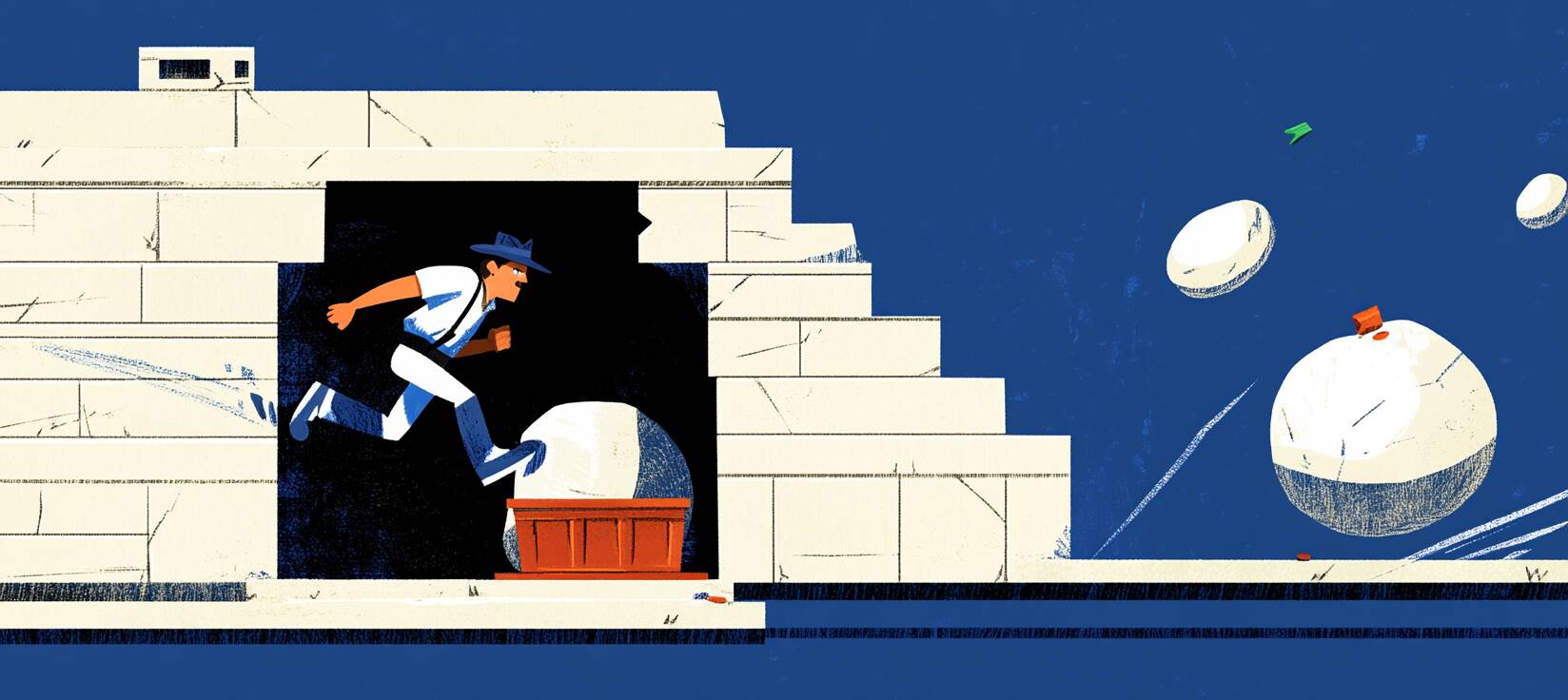
Dutch engineer warned for sixteen years, nobody acted until 1,836 drowned—now we're dismantling the machinery that finally did.
A Kansas well measurer and invisible drillers record an aquifer's slow disappearance in a format no institution can read.
A Florida roofer's storm-tested knowledge exposes the gap between building codes, insurance markets, and what wind actually destroys.
April — Issue #28
Chesapeake oyster reefs are restored by the numbers while the watermen who depend on them run out of season, water, and time.

A billionaire's aquarium replaced a collapsed fishery's ruins, but the workers who built Cannery Row got souvenirs of their own lives.
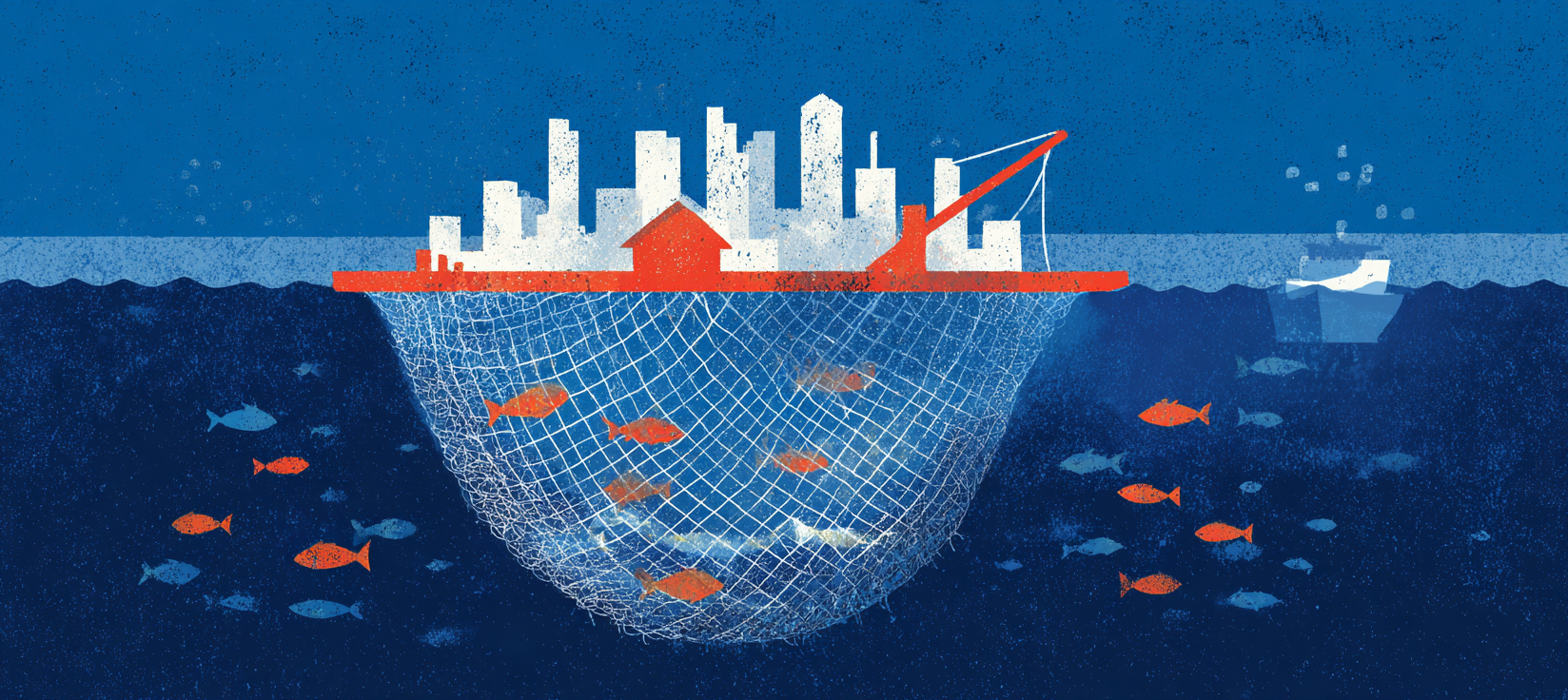
Canada shut down the cod fishery for two years in 1992. The fish never came back. Neither did the towns.
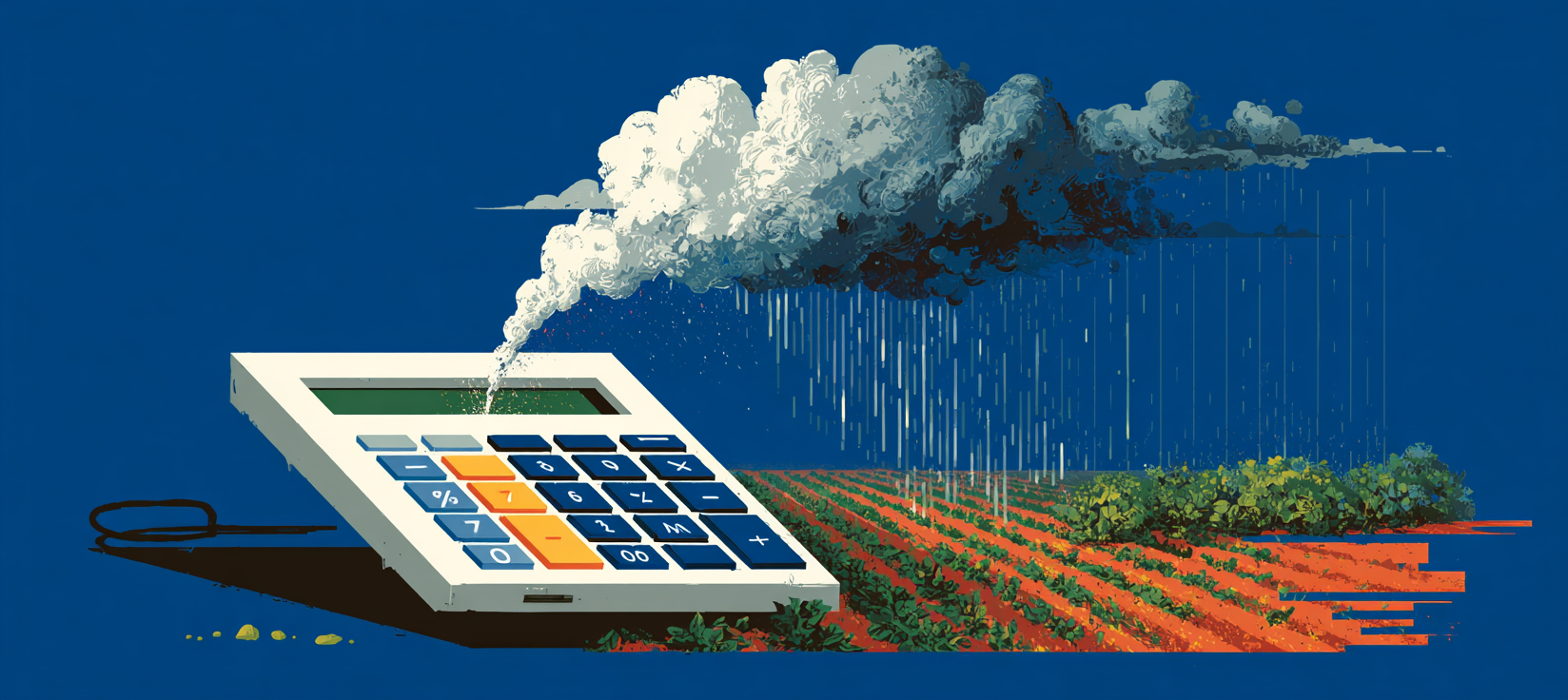
April — Issue #27
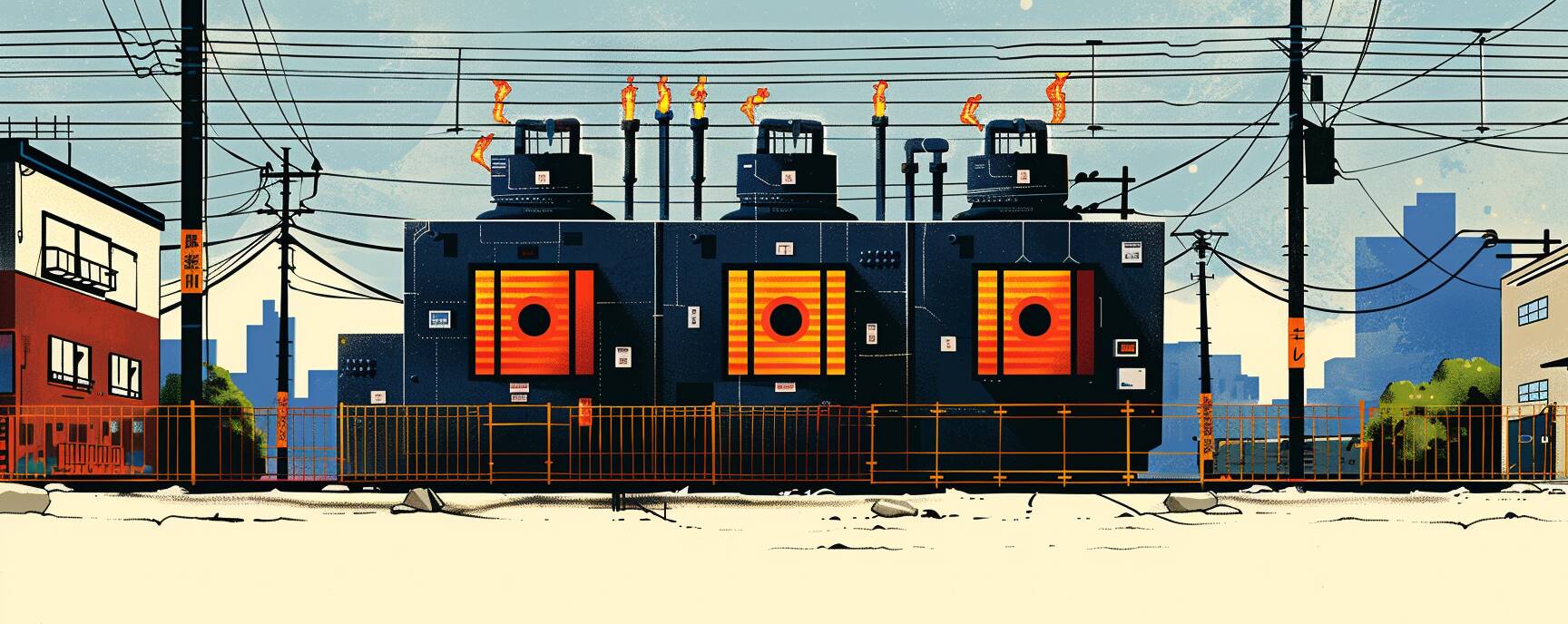
A state water specialist navigates Lake Powell's seven-foot margin above crisis while the governance framework expires beneath her.

A Colorado fuels specialist watches his prescribed burn season collapse as vanishing snowpack turns spring into fire weather.
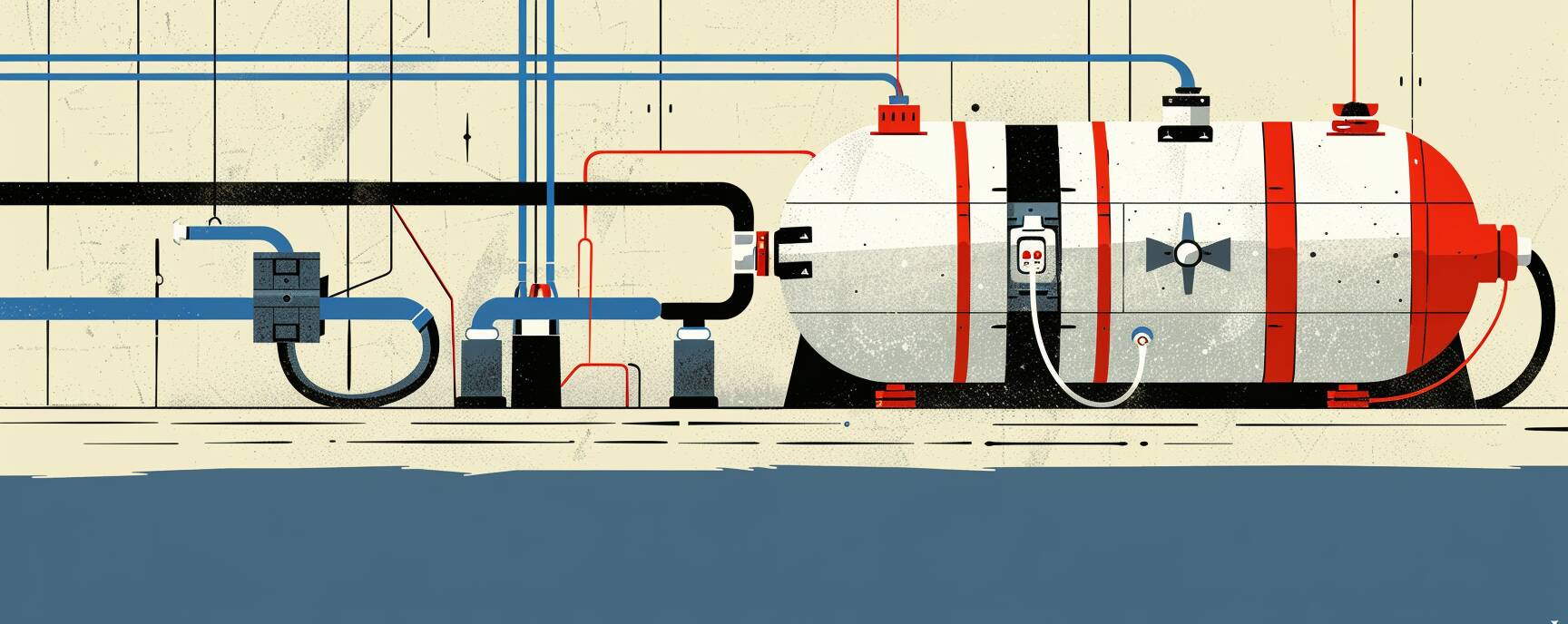
Ethiopia's early warning system worked perfectly. The regime suppressed it. Only a BBC camera broke through.
April — Issue #26
Bennett designed conservation districts to survive politically. Local control ensured they'd serve whoever already held power.

Roosevelt planted 220 million trees to save the plains. Grain prices did what dust couldn't: erase them.
Against brutal math and vanishing neighbors, Altadena residents wager everything on returning to lots where nothing stands but stubborn hope.

March — Issue #25
![INCIDENT REPORT NO. [UNASSIGNED] — March 2026 Southwest Heat Wave](https://vncl-anchor-images.s3.us-east-2.amazonaws.com/on-demand/1774430391_upscale.png)
A bureaucratic safety form tries to contain a civilization-scale heat catastrophe and buckles under what no checkbox can hold.
You agreed to these terms by existing. The fine print is where they buried the worst part.

Byron's guests invented literary monsters indoors while Swiss cantons starved the mountains trying to save themselves from volcanic famine.
March — Issue #24
Mississippi families buy the only homes they can afford, built to withstand winds the weather stopped obeying.
Florida retirees in manufactured homes face rising lot rents, vanishing insurance, and lethal heat with no exit.

Manufactured homes rated for 110 mph meet storms delivering 150, while insurance vanishes and something crawls through the leaking roof.
March — Issue #23

Same flood, same vote, opposite outcomes. What separates communities that relocate from those that just keep drowning.
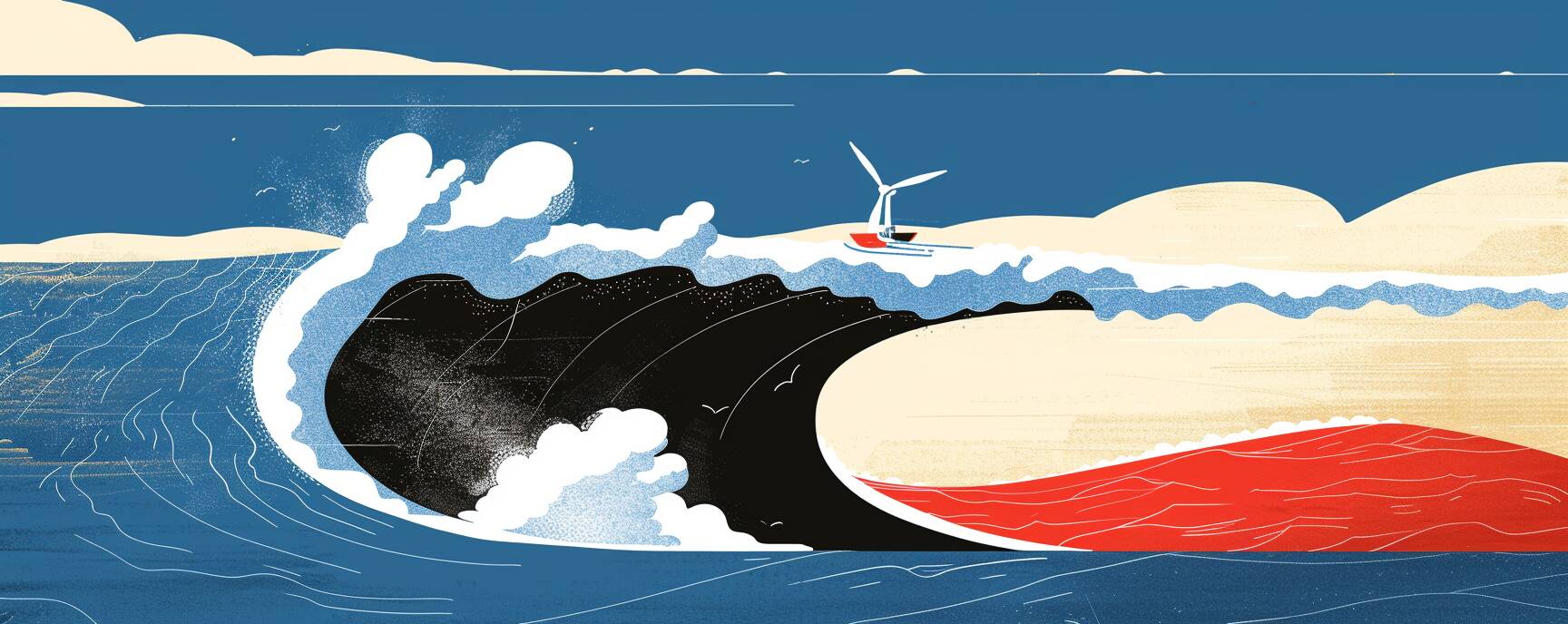
Thirty-two floods and a town held. The thirty-third broke something no relocation could repair.
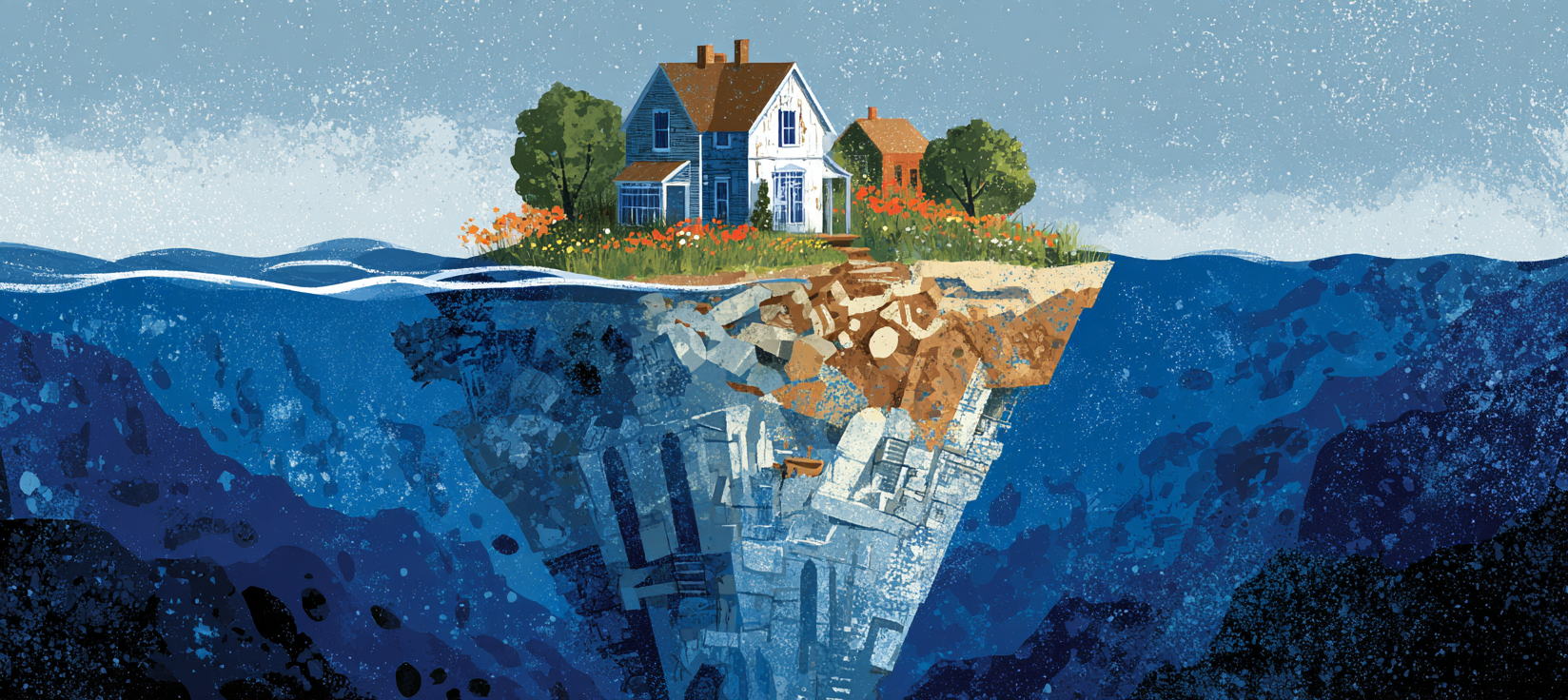
Two towns voted to relocate after the 1993 flood. Only one had the preconditions to actually do it.
March — Issue #22
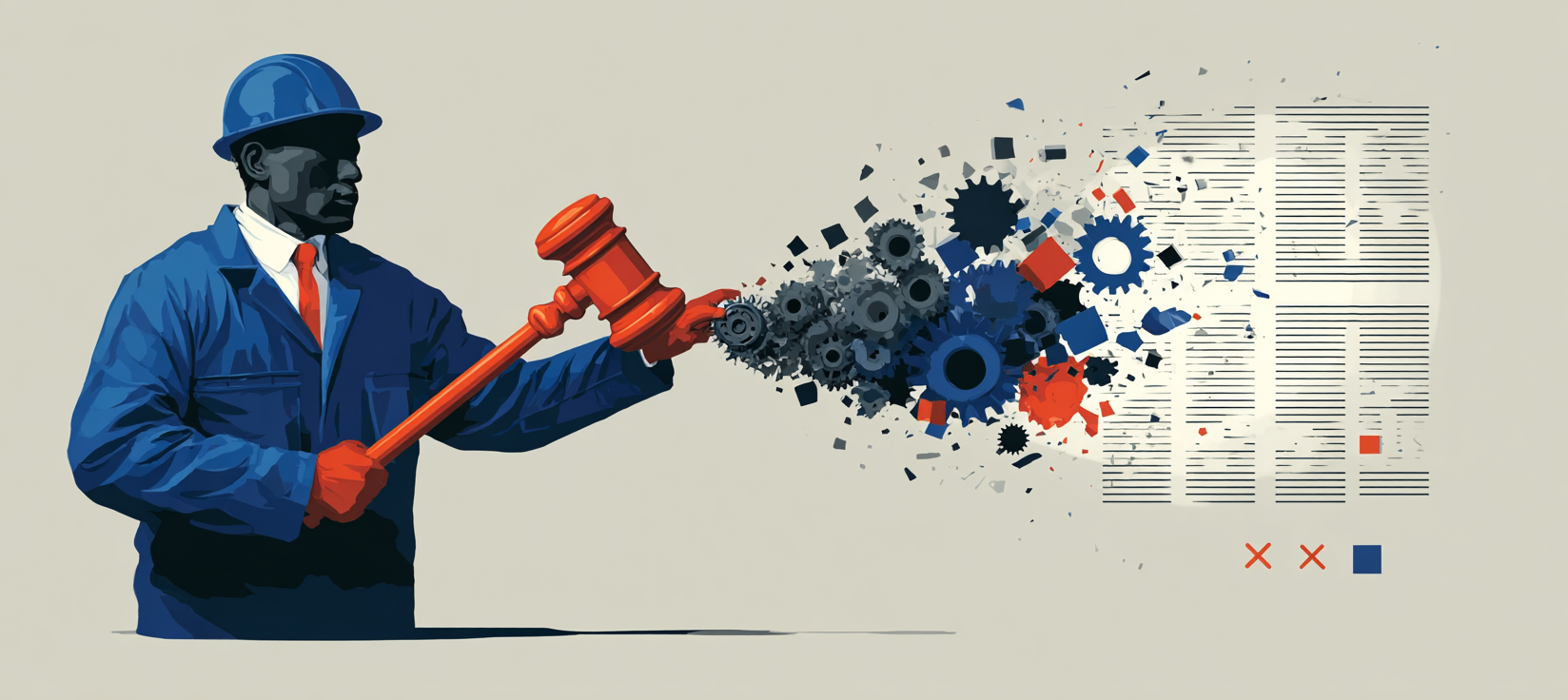
Federal clean energy tax credits vanished overnight, and now heat pump installers are doing unpaid policy work between the wrench and the customer.

Credentialed scientists and railroad money sold settlers a confident climate theory that broke the Great Plains for generations.
A volcanic eruption nobody understood destroyed New England's summer, and people adapted without any model at all.
March — Issue #21
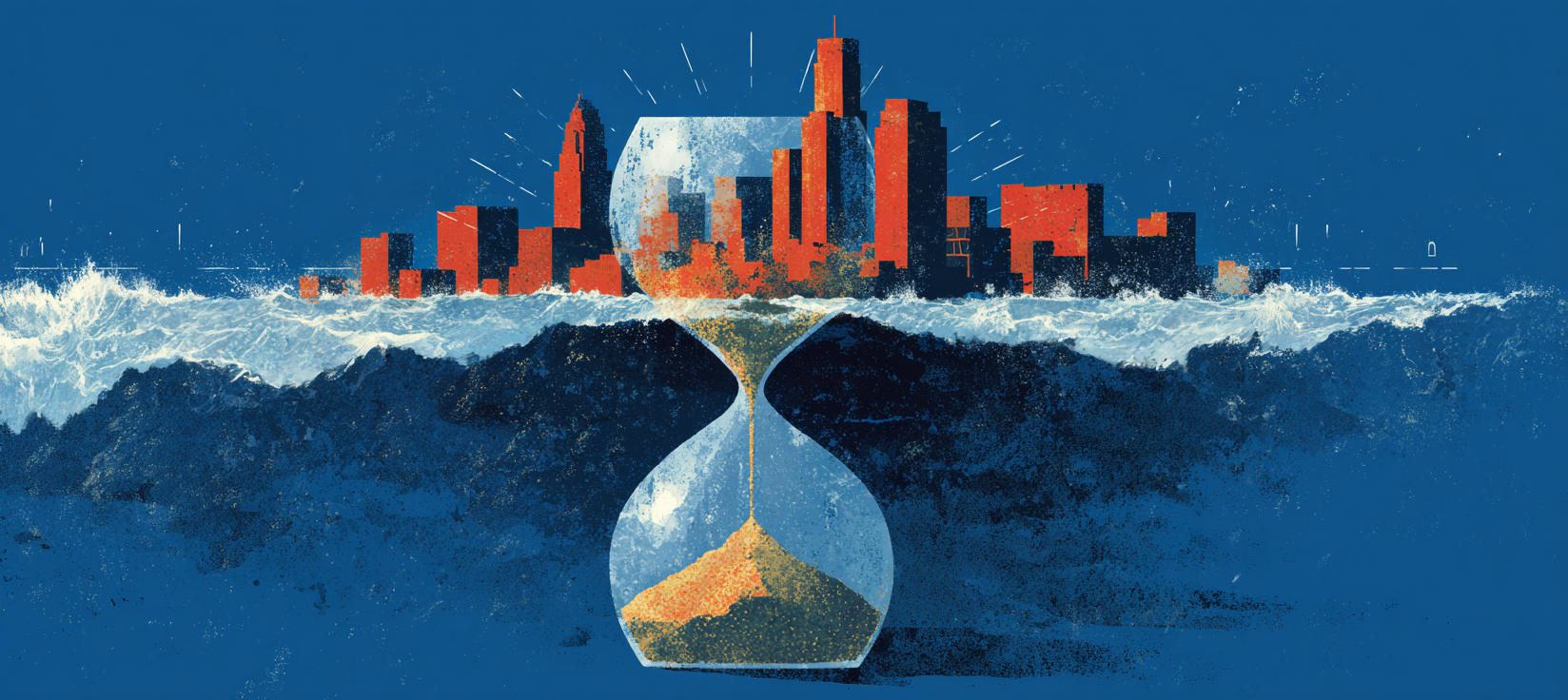
Two new studies show time above climate thresholds drives irreversible damage, rewriting the math on Norfolk's biggest bets.
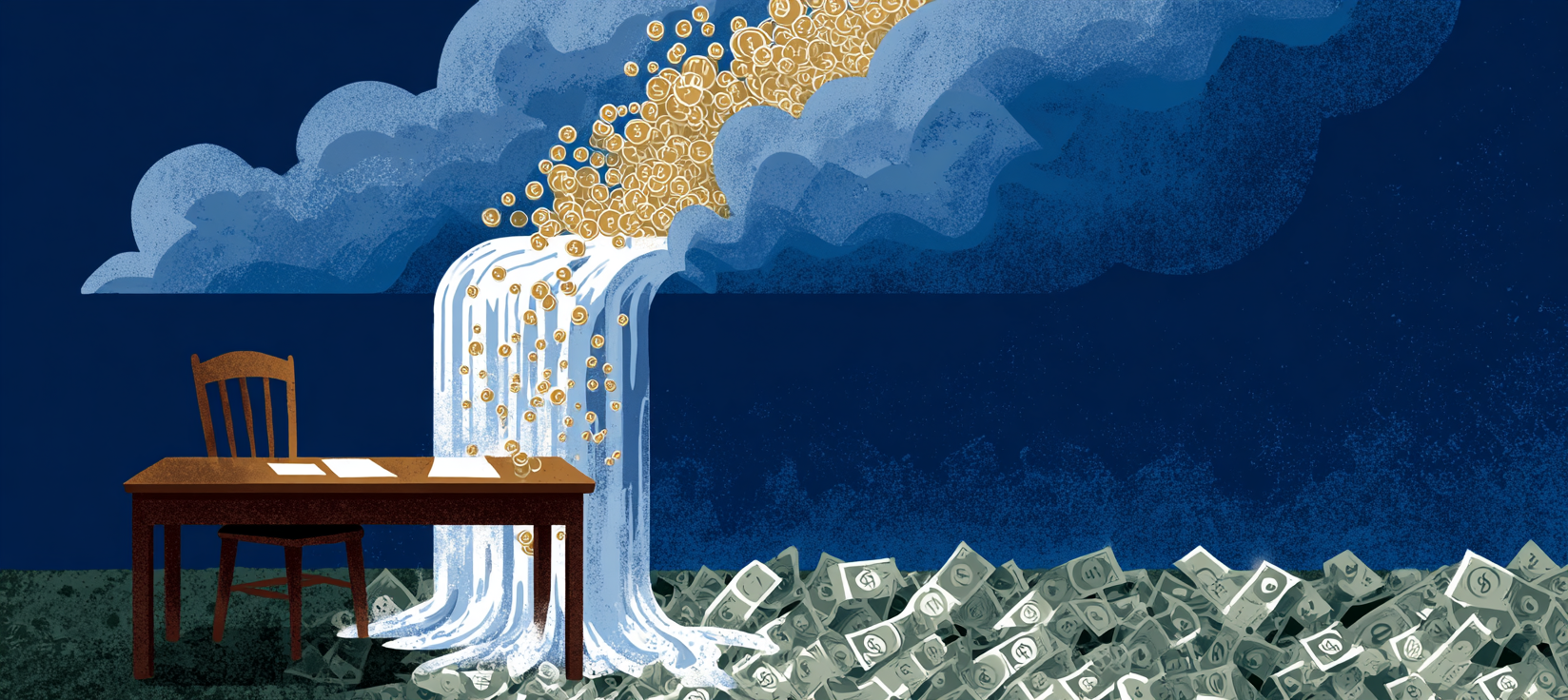
Reinsurance capital floods in chasing record returns while Iowa homeowners get dropped, paying more for less as storms accumulate below the line.
February — Issue #20

California farmer calculates which fields die when water allocations swing from zero to fifty-five percent, betting millions on unknowable futures.

Montana rancher discovers islands in ponds that held water for twenty-five years, faces impossible choices about which cattle to sell.
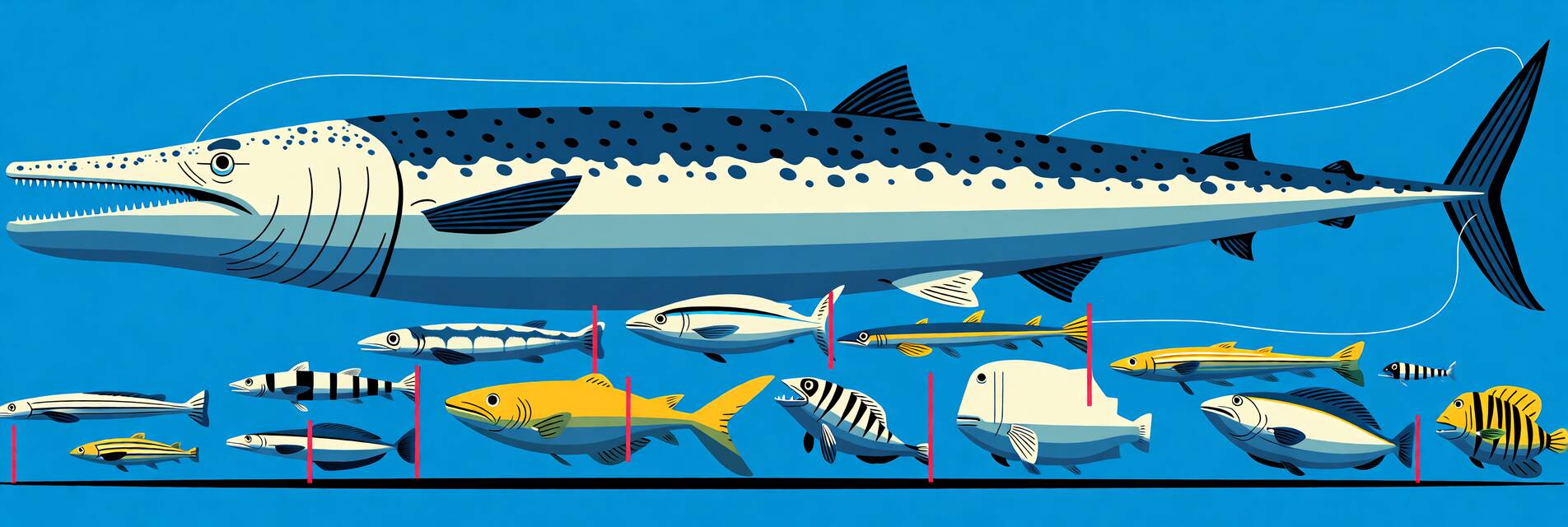
Hurricane Andrew bankrupted insurers, spawned catastrophe bonds that spread risk globally, and enabled coastal development boom in storm paths.
February — Issue #19

Starke County takes twelve months to study what saying yes actually costs before committing to data centers that promise transformation but deliver fine print.

Richland Parish bets its future on Meta's data center promises while residents pay the infrastructure costs and wait until 2030 to see if hope was justified.
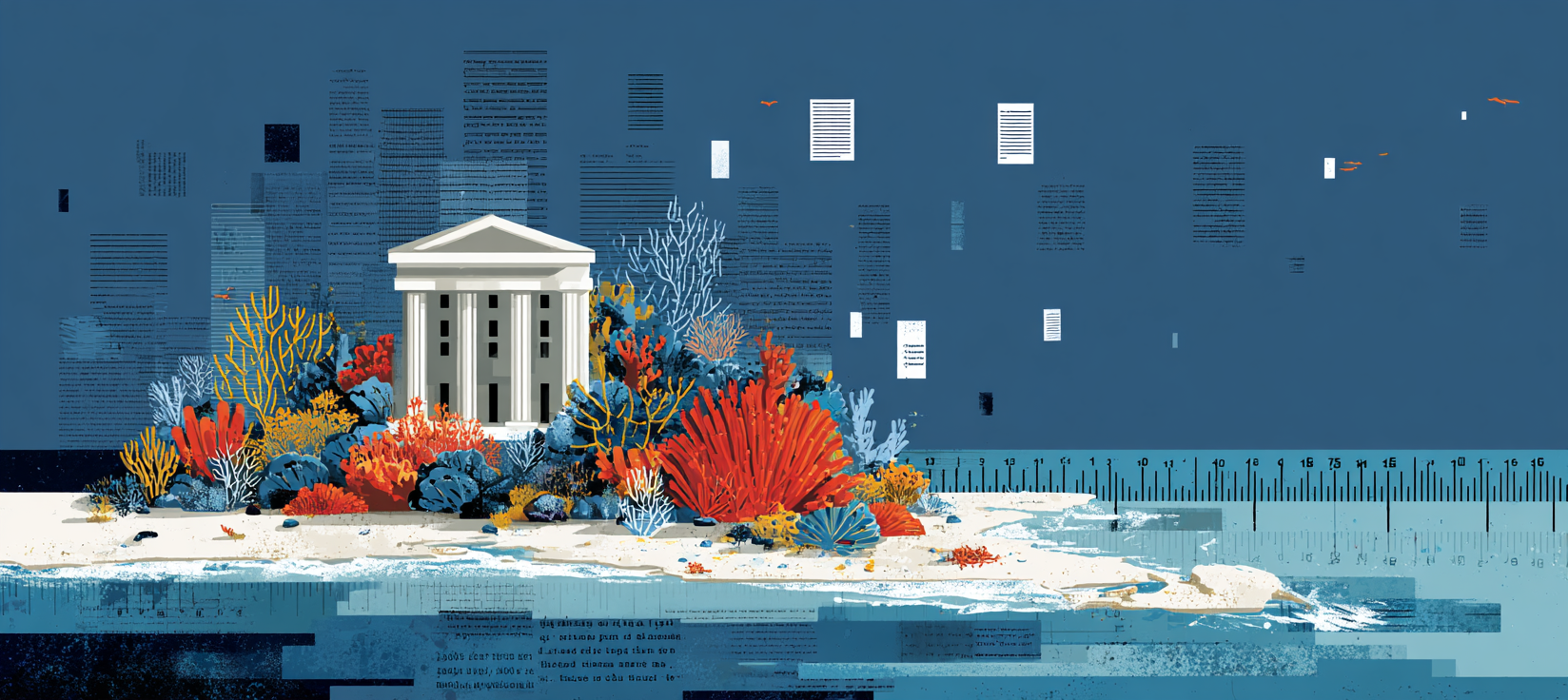
A Dutch court orders climate protection for Bonaire's 20,000 residents while the government 8,000 kilometers away promises to study it.
February — Issue #18

A New England fisherman bets six figures on warm-water species that weren't supposed to exist here, racing regulations that can't track fish moving faster than bureaucracy.
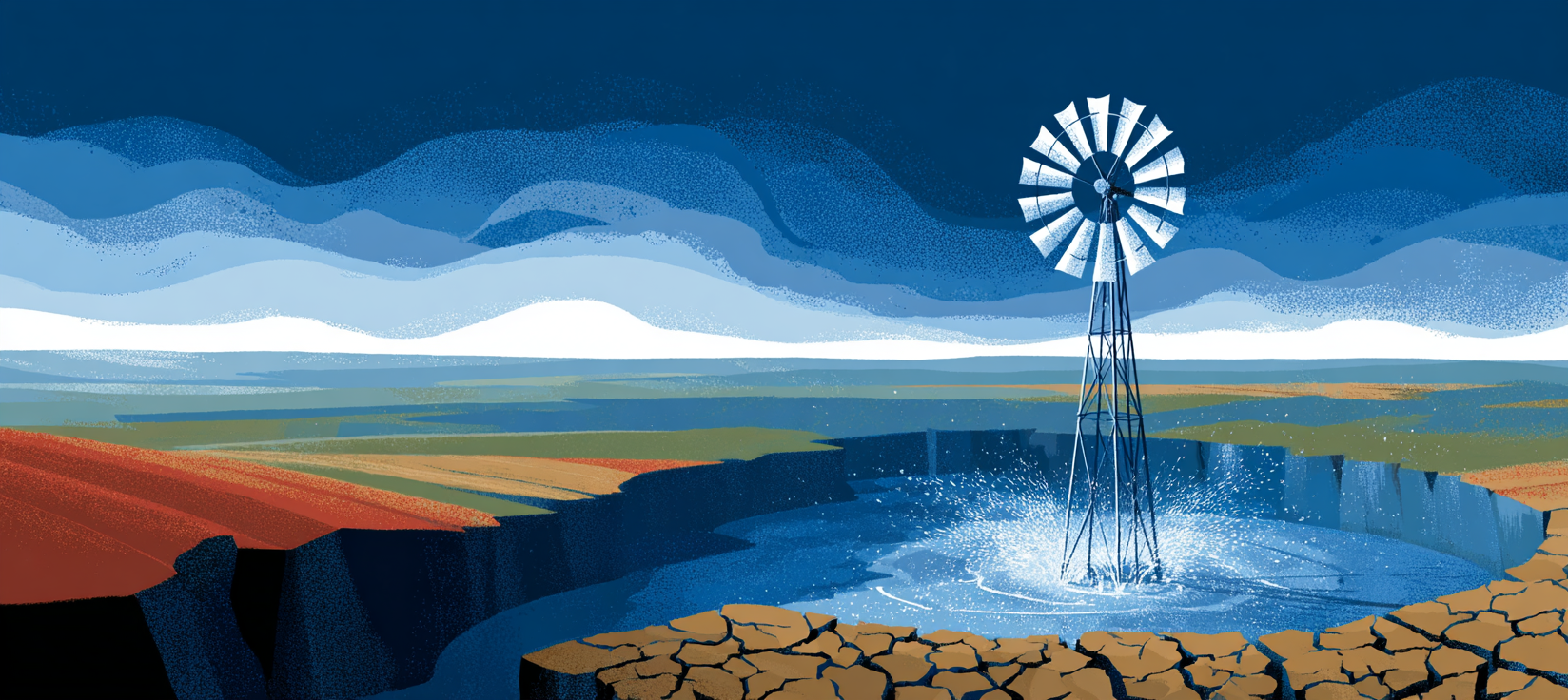
Maine farmers are installing six-figure irrigation systems during a drought, betting frozen ponds will refill before spring planting begins in six weeks.

The EU just criminalized vague environmental marketing, and companies built on green-sounding words are discovering virtue costs more than they budgeted for.
February — Issue #17
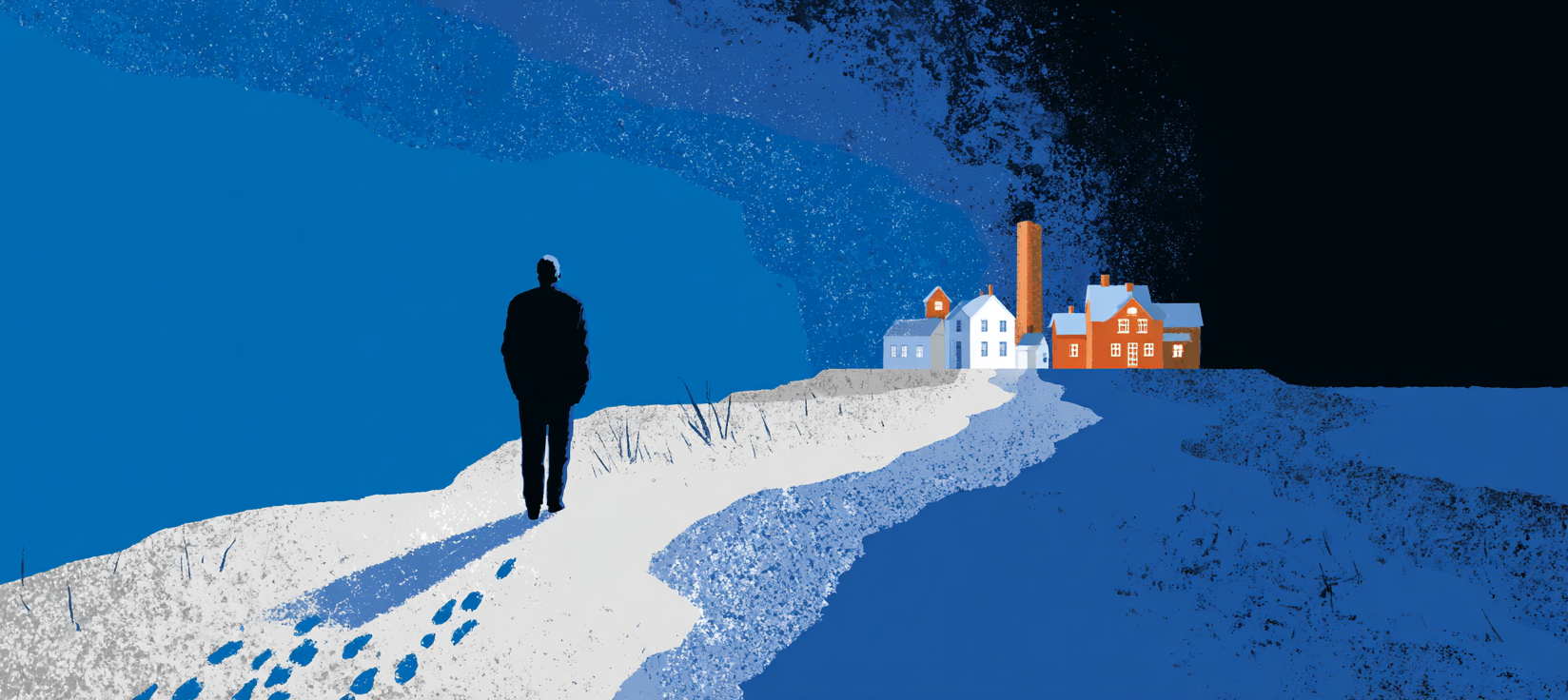
A water treatment electrician's 4am choice during a blizzard reveals the quiet exodus of operators who keep America's failing infrastructure running—until they don't.
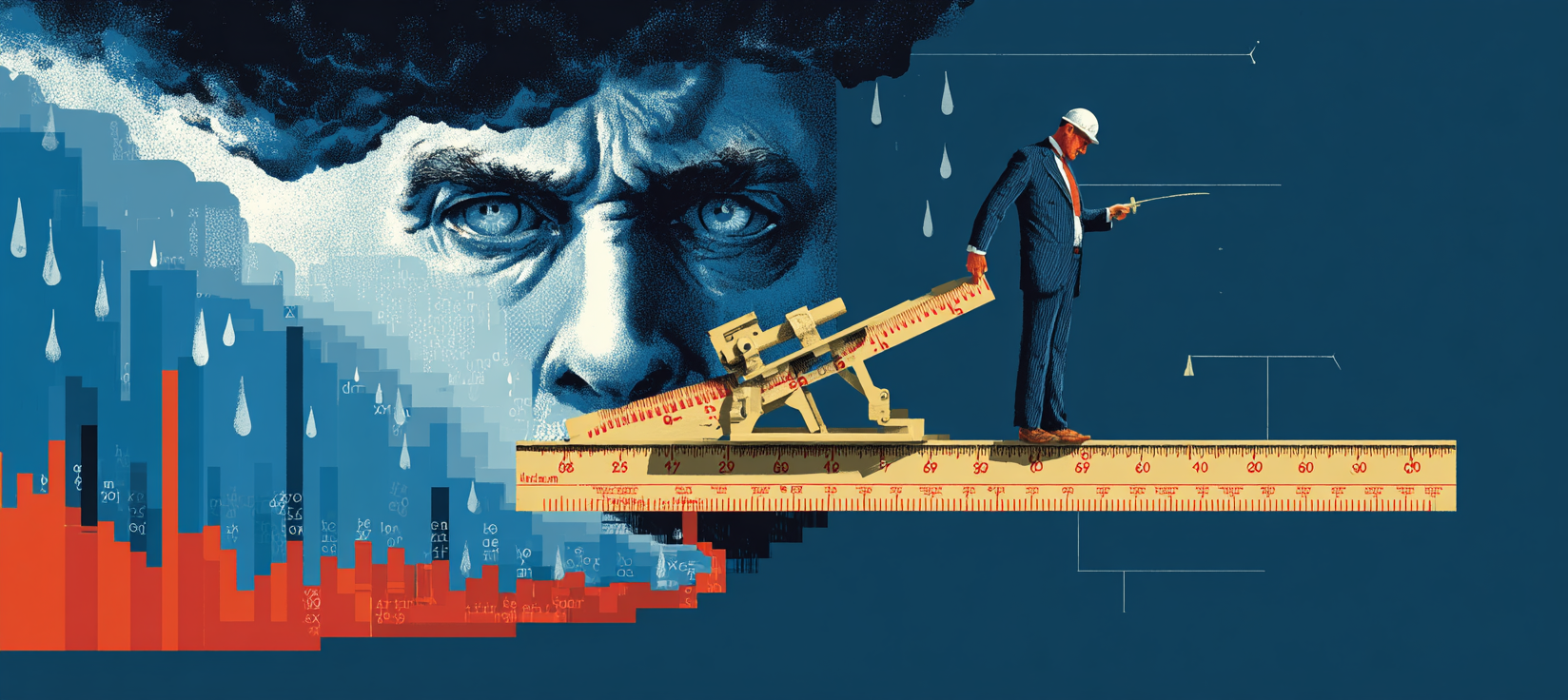
Engineers design culverts using rainfall data they know is obsolete, trapped between professional liability and codes requiring numbers that guarantee infrastructure will fail again.
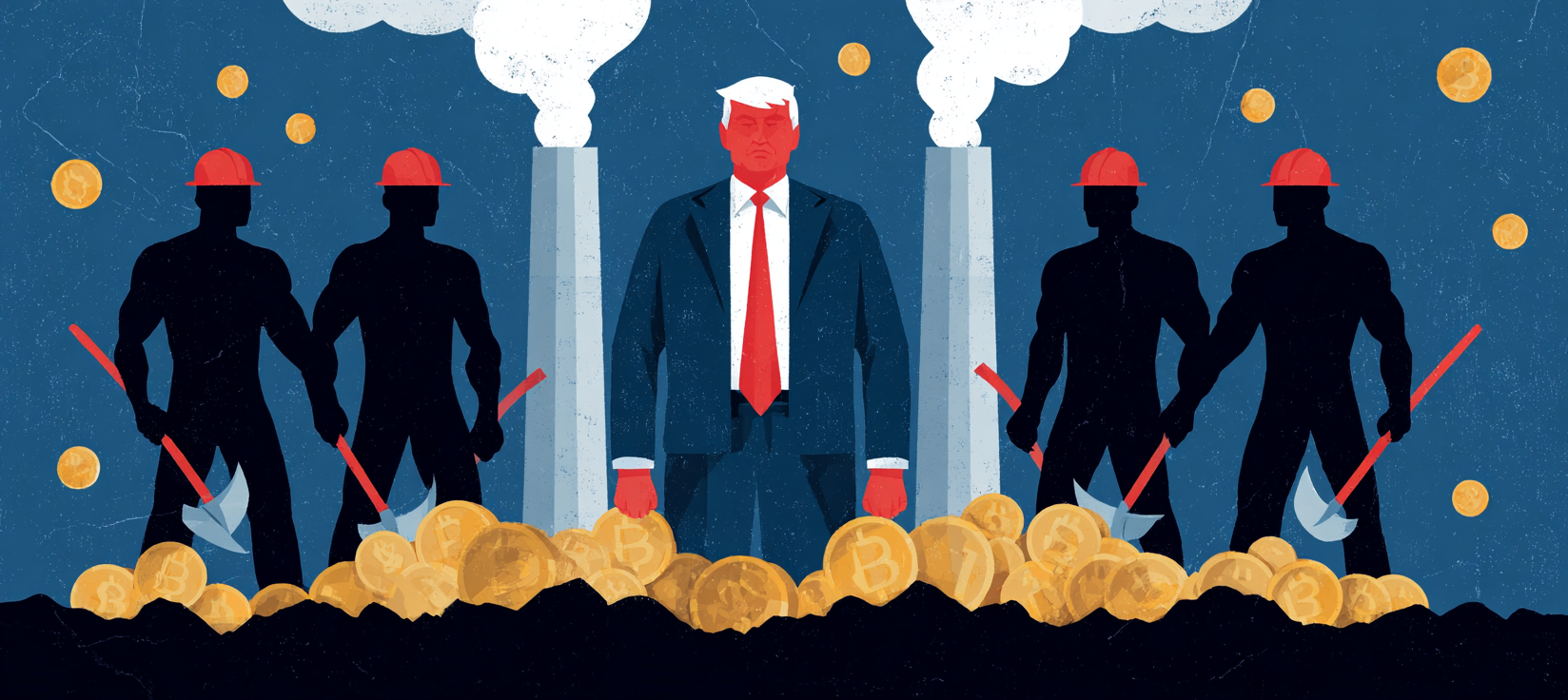
When German miners struck to defend coal barons who chose economic collapse over cooperation, they learned who pays for owners' political gambles.
January — Issue #16
A landfill manager walks 127 wells daily, adjusting valves between corporate methane capture targets and subsurface fires nobody wants to discuss.
Buffalo marketed itself as climate refuge after Hurricane Maria, but Puerto Rican bomba drummers built the actual safety net while officials planned.
January — Issue #15
A facilities manager watches his company spend three years in climate adaptation meetings where everyone agrees disaster is coming but nobody can get from PowerPoint projections to actually reinforcing the loading dock.

Ground-level reporting from Kentucky's "climate haven" reveals the gap between migration theory and flooding reality—insurance nobody can afford, federal aid nobody can access, safe ground nobody can build on.
January — Issue #14
Ground-level dispatch from Maine's heat pump transition reveals the brutal gap between climate policy models and working-class families freezing in trailers when technology fails.
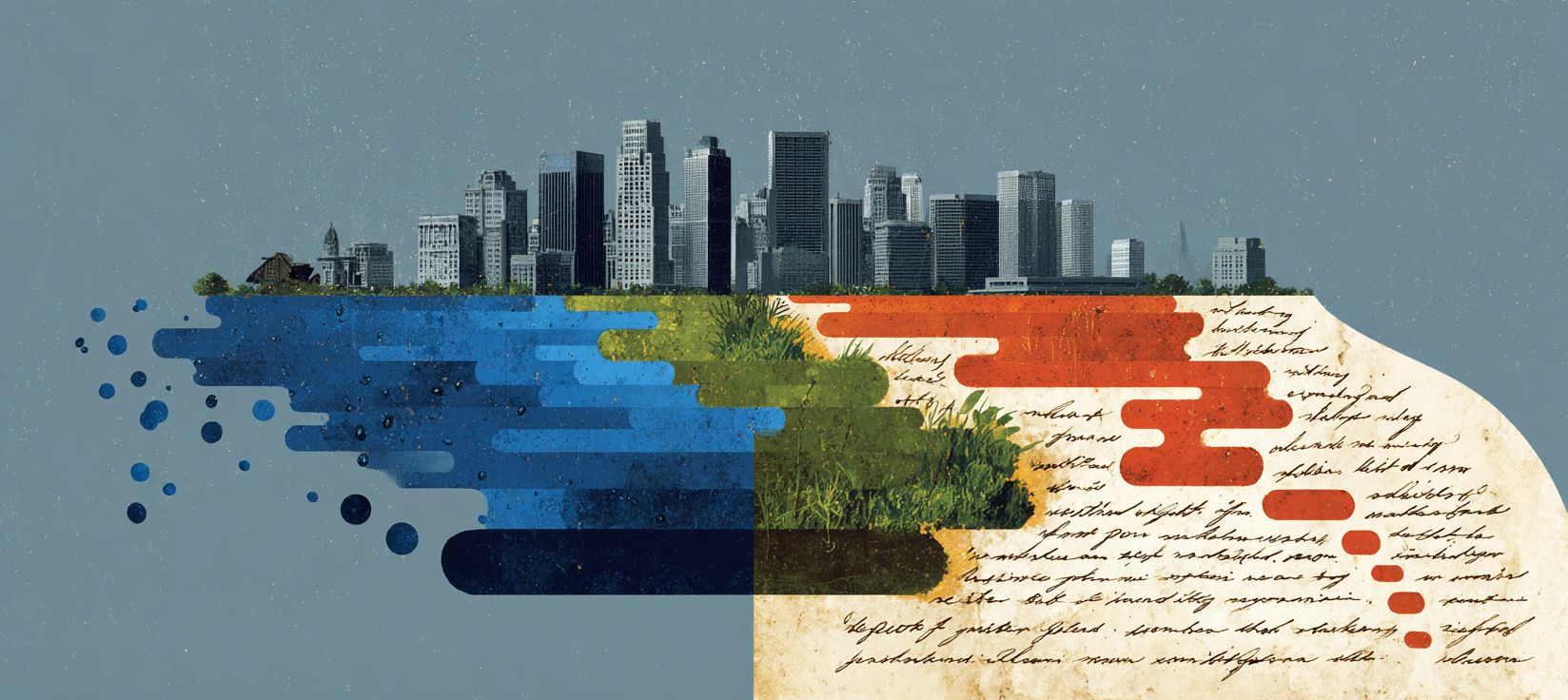
Dutch colonial sugar lists from the 1830s still predict Indonesian village prosperity today—a turning point showing how infrastructure choices cascade across centuries.
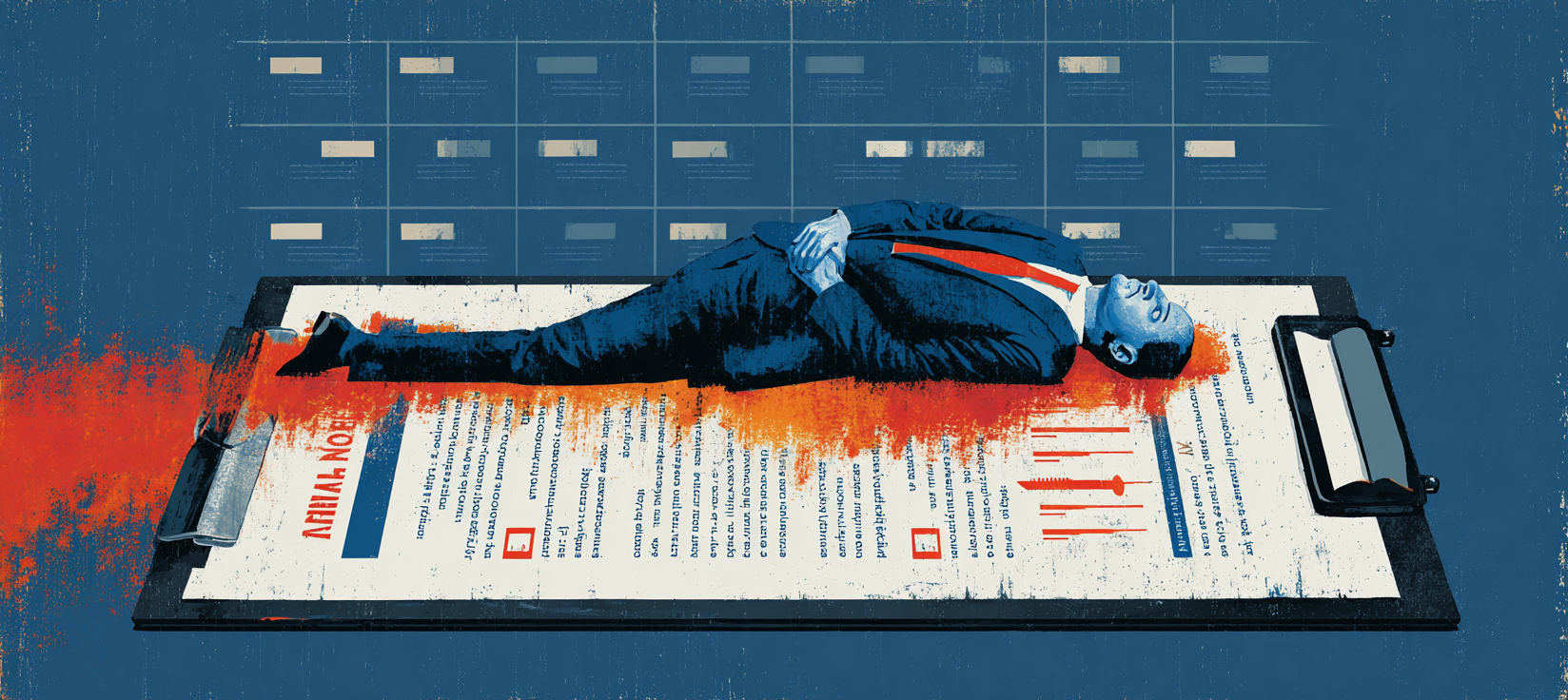
Nevada's groundbreaking heat safety law protects workers willing to risk their jobs by complaining—everyone else gets paperwork nobody checks.
January — Issue #13
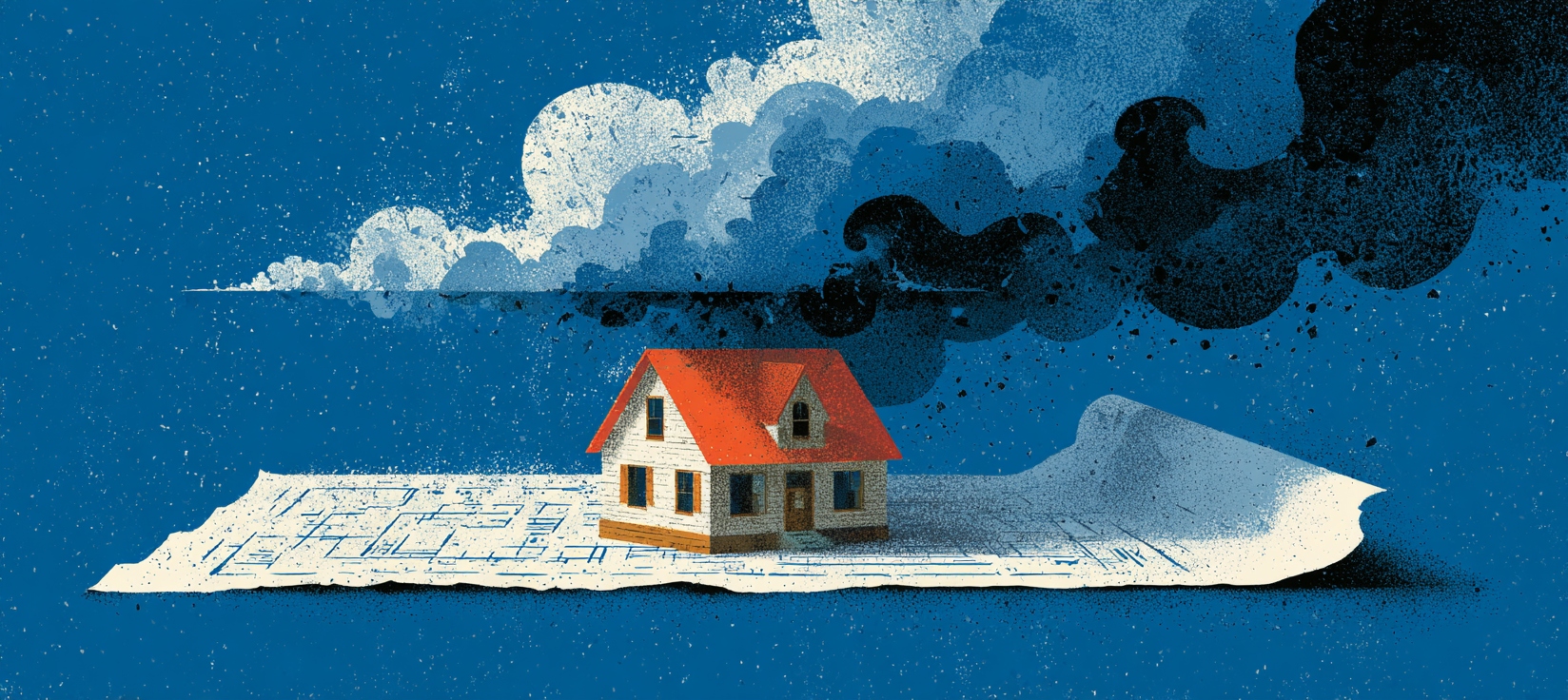
Florida building inspector Tom Breslin has five days to approve homes he knows won't survive storms exceeding code—and the code's already four years behind the last hurricane.
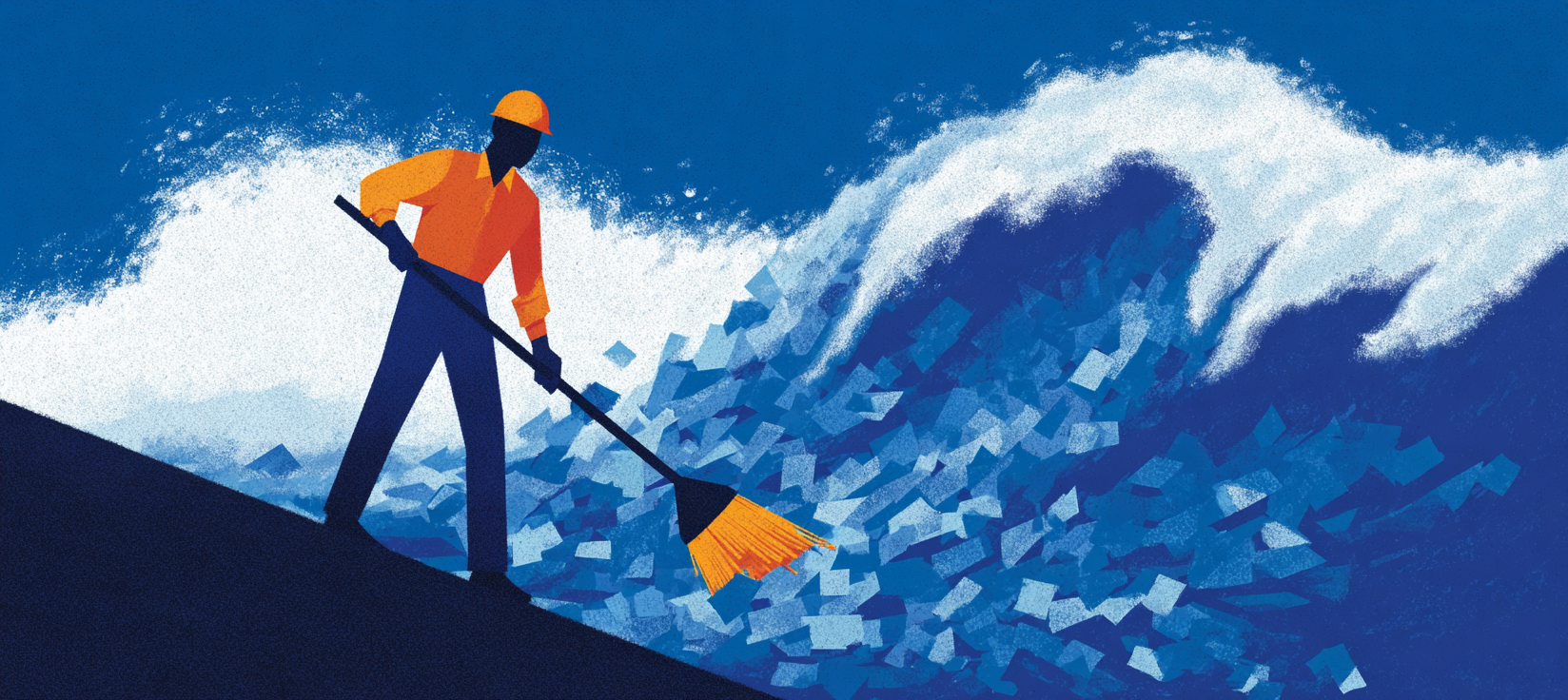
Pennsylvania maintenance crews clearing flood debris for the seventh straight day already understand what the state's climate machinery refuses to acknowledge about adaptation.

Cities hire Chief Heat Officers to coordinate tree-planting and cooling centers while people without air conditioning die waiting for shade that won't exist for decades.
December — Issue #11

Pumping what's left before retirement, refusing to sacrifice for an aquifer the state won't regulate or a future he won't see.

Two sons bet their futures on managed decline, banking water their father saved for wells that won't outlast them.

A South Carolina town moved to "higher ground" after an 1822 hurricane—but nobody measured how high, creating 167 years of false security.
December — Issue #10

A Memphis port coordinator with a spreadsheet and three monitors decides which shipments move when the Mississippi runs dry—and watches his workarounds disappear.
A Wisconsin building inspector approves lakefront construction using outdated flood maps while privately tracking which properties will likely fail when reality catches up to code.
December — Issue #9
A county fire chief coordinates with freight railroad dispatchers he'll never meet, their monthly calls revealing how climate adaptation happens through anonymous workers managing invisible systems.

In 256 BC, a Chinese engineer rejected the obvious solution to flooding—and his counterintuitive system still irrigates farmland 2,300 years later.

A climate refugee discovers her scientifically chosen safe haven floods catastrophically, forcing her to reckon with what "relatively better" actually means when nowhere is safe.
December — Issue #8
Hurricane knocks out Houston's power grid, hospitals fill with oxygen patients, ambulances gridlock in parking lots—96% can't answer emergency calls while people wait for beds.

A Minneapolis renter faces an impossible calculation: pay more to protect her daughter's deteriorating lungs from wildfire smoke, or stay put and watch the damage compound.
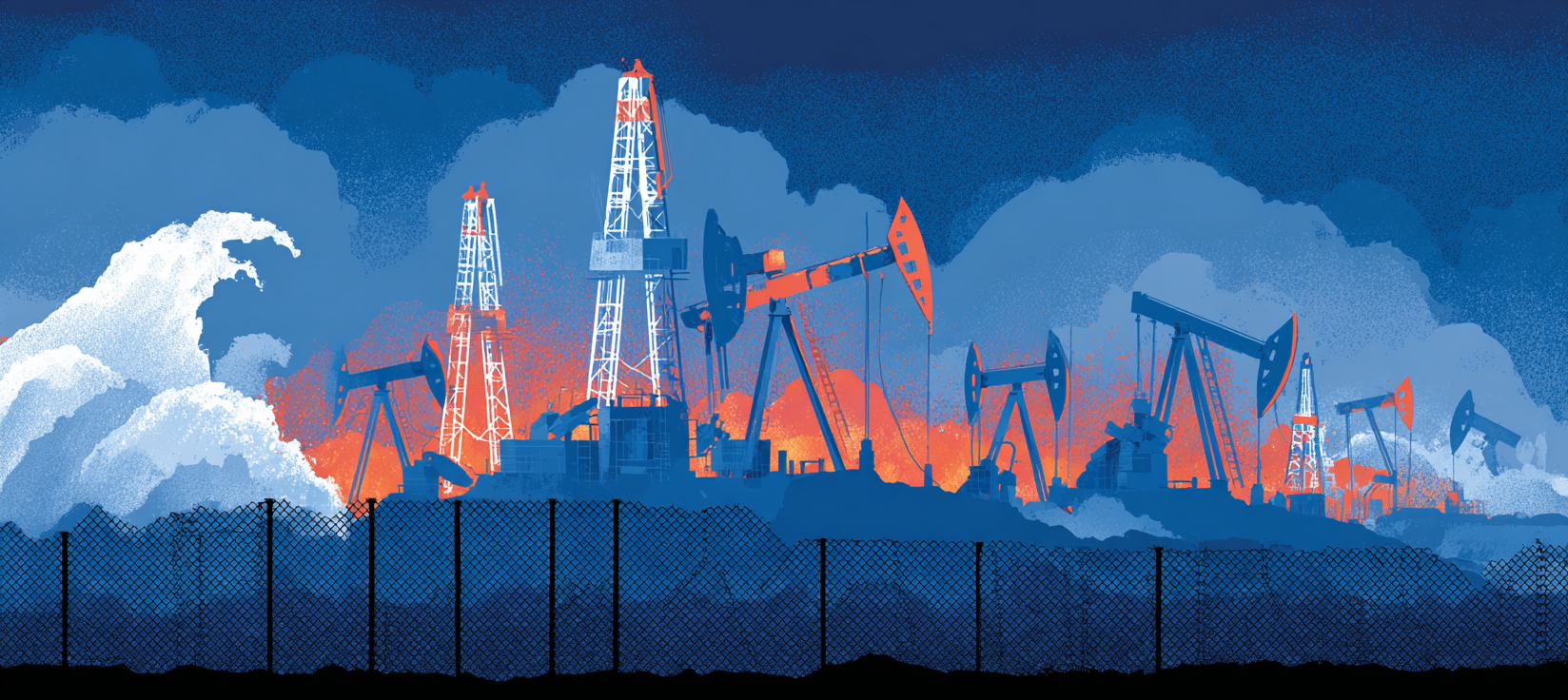
A reporter tries to reach the invisible workers who pump out flooded subway tunnels—and discovers climate adaptation requires keeping the adapters silent.
November — Issue #7
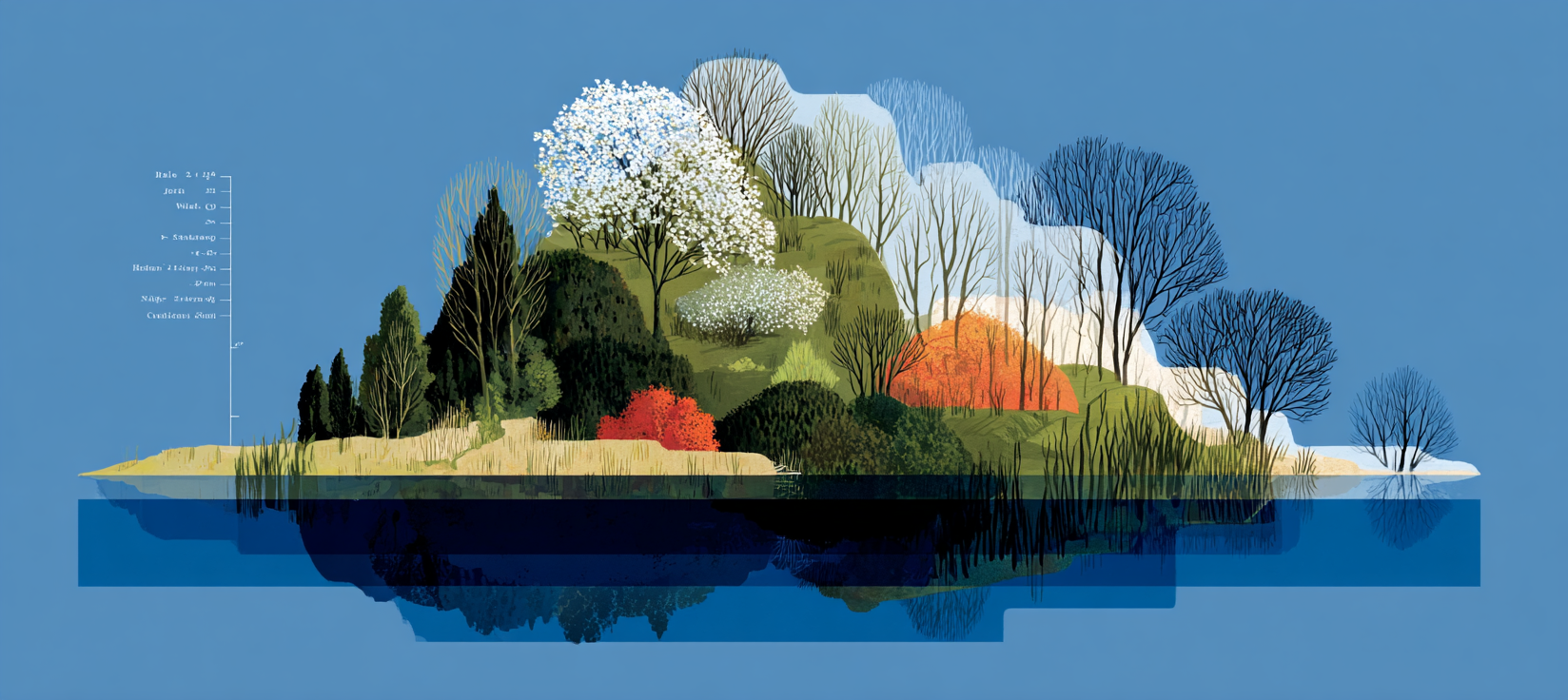
A North Carolina hunting camp watches three generations collide as climate change erases forty years of accumulated woodcraft faster than anyone can adapt.
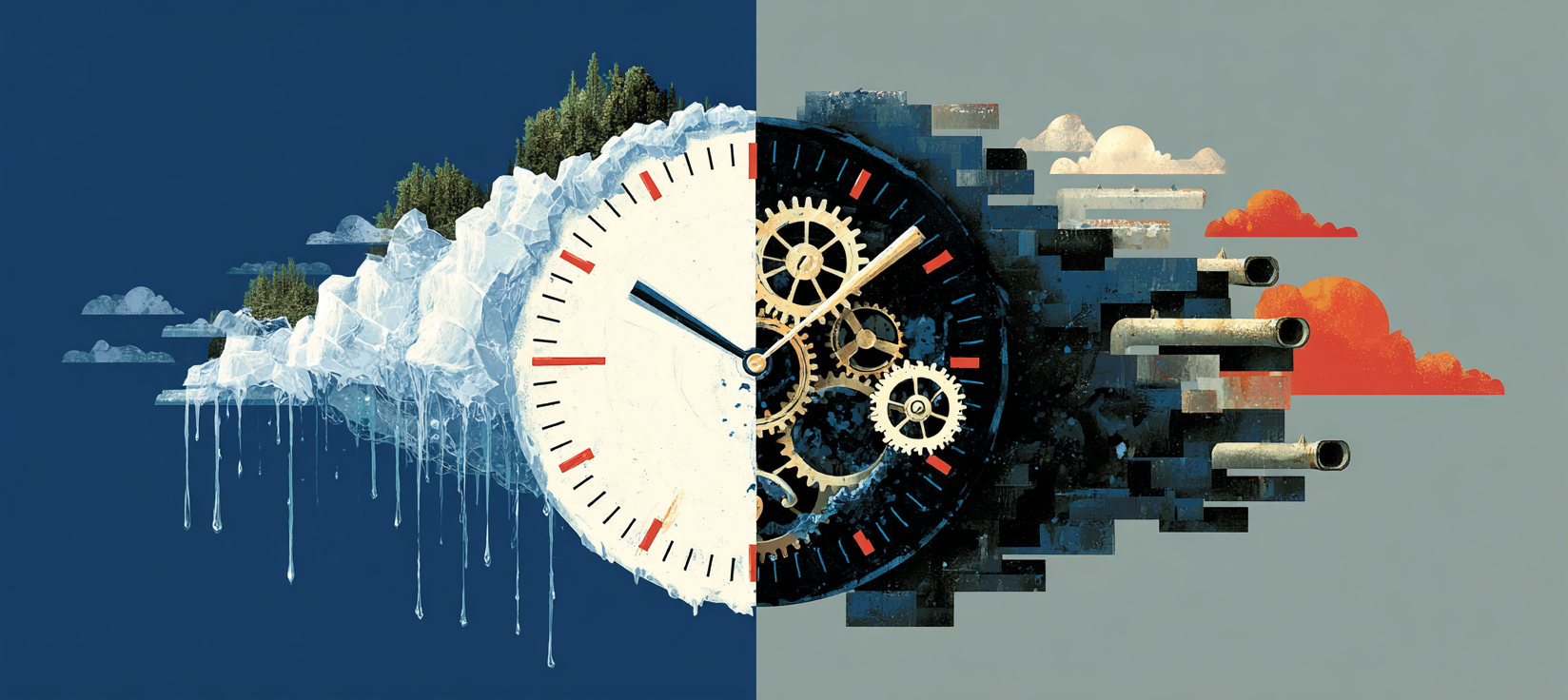
A young Iñupiaq woman watches constitutional litigation crawl through Alaska's courts while the pipeline threatening her village races ahead on political time.

A French king's 1346 forest decree failed immediately but succeeded across centuries—revealing how adaptation decisions outlast the crises that forced them.
November — Issue #6
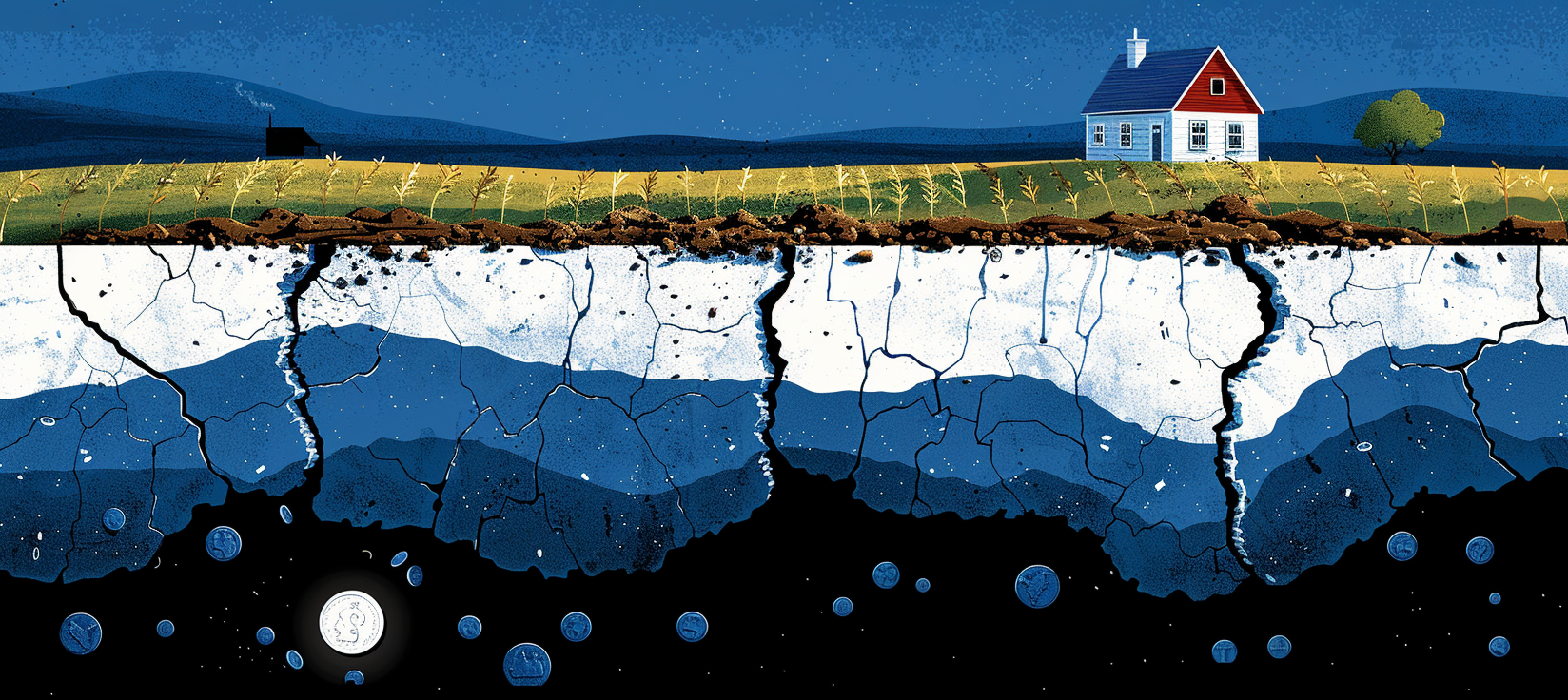
When desperate Kentucky farmers sold underground rocks for pennies in the 1890s, they unknowingly surrendered their descendants' right to adapt for generations.

A Maine lobsterman sits with climate projections at 2am, trying to decide whether to tell his 23-year-old son the family business is dying.
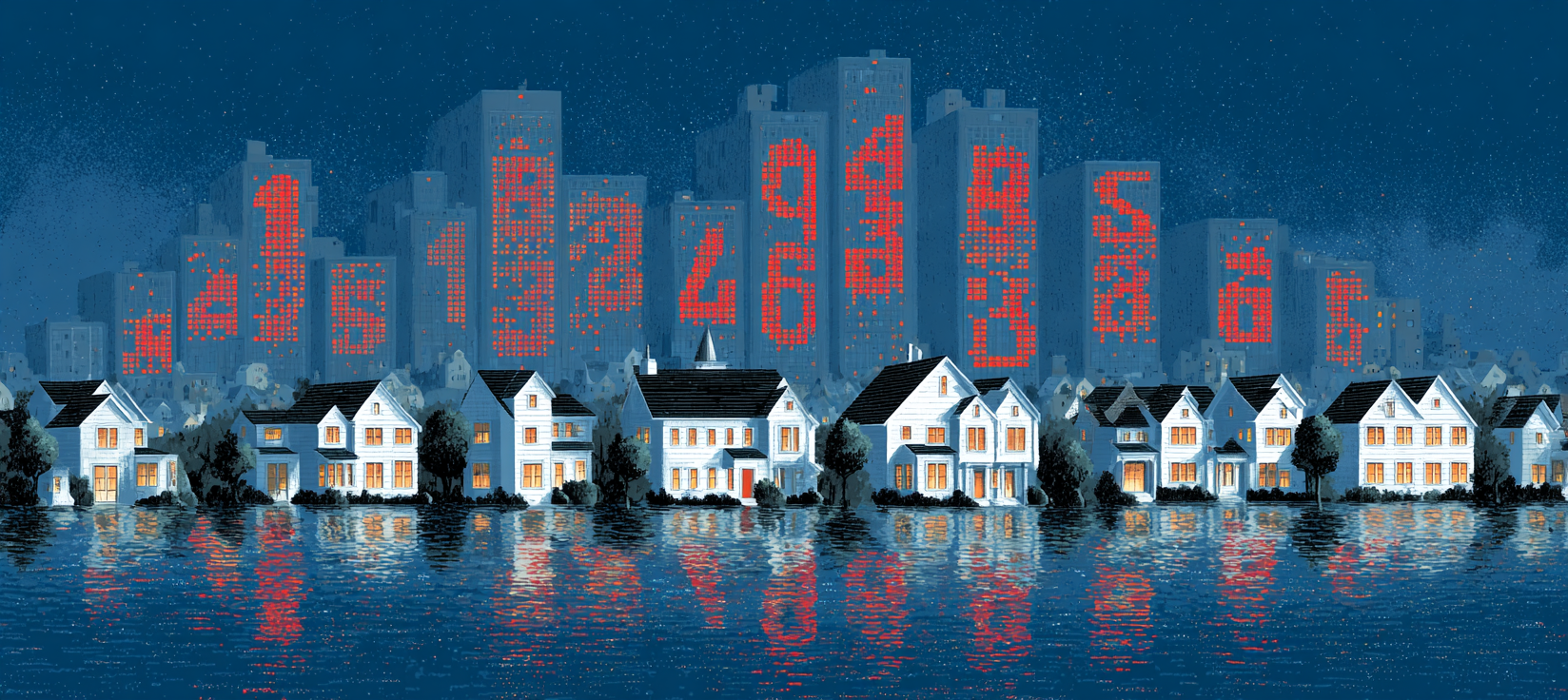
Mount Pleasant sold bonds with a catastrophic flood score everyone can see—then priced them like the number doesn't exist.

November — Issue #5

Detroit's health chief did everything right managing last June's heat wave—activating twelve cooling centers for 630,000 residents with no backup power.
Iowa farmer refuses irrigation loans after watching his father lose everything in the eighties, choosing weather vulnerability over bank debt.
Midwest farmer carries $130,000 irrigation debt against unpredictable drought, betting infrastructure beats weather risk while payments come due regardless.