
Past Articles
October — Issue #52

Buncombe County declared nineteen hurricane days complete for every student; shelter cots and Texas grandparents measured the word differently.

Philadelphia's heat dismissals send identical emails to every family; lost wages and improvised childcare reveal who actually pays.

A Philadelphia family's autistic son was relocated seven miles from his school, and nobody followed up to ask what happened next.
September — Issue #51
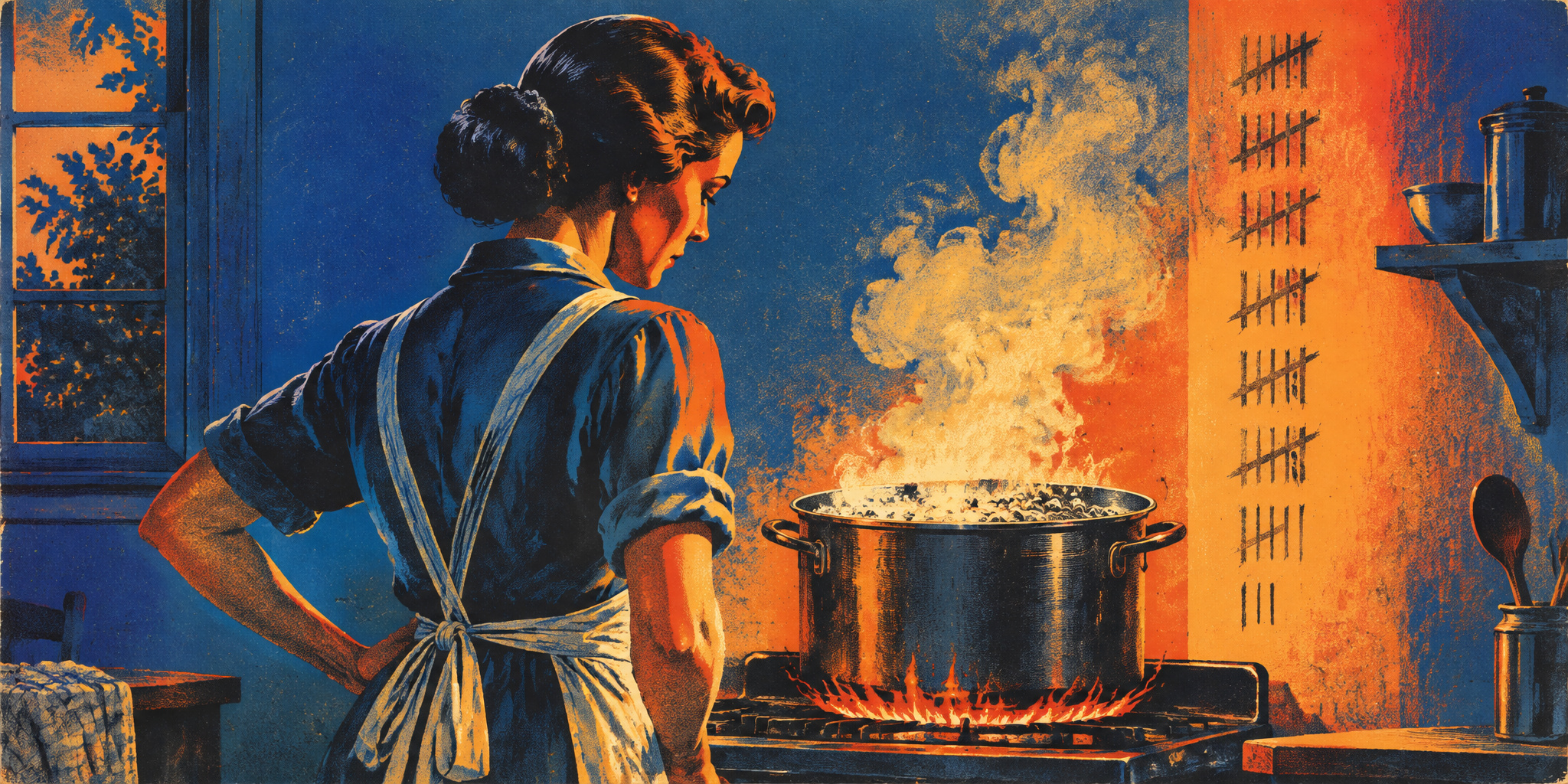
Families in a Maine mobile home park navigate three years of unsafe water, trapped between a nonresponsive owner and a slow institutional clock.
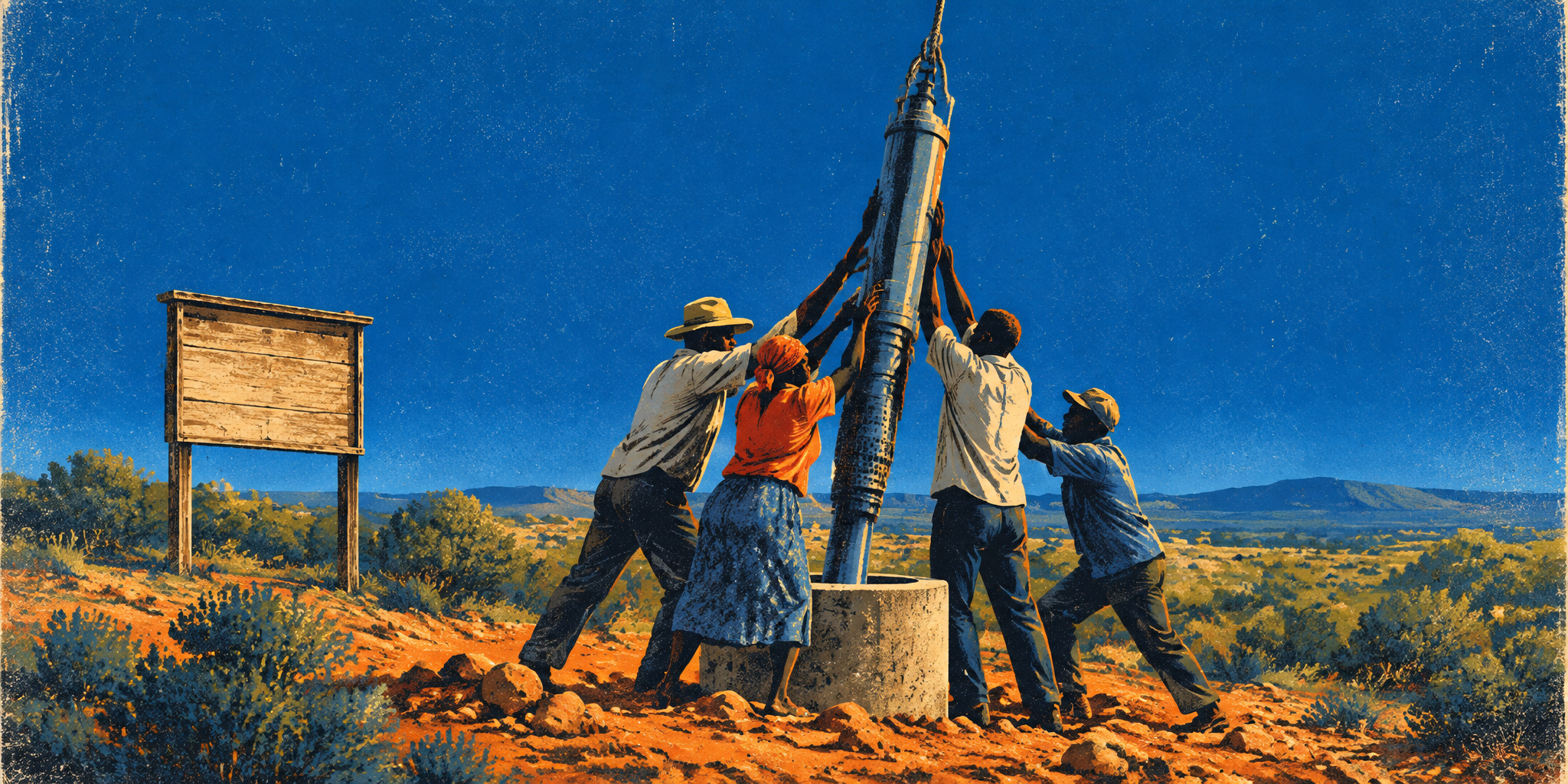
A Texas community buys its own well pump after a private water company goes silent, exposing regulatory timelines that don't match household need.

A disabled veteran's dry faucet, and what happens when five institutions each own a piece of habitability and nobody owns the whole thing.
September — Issue #50
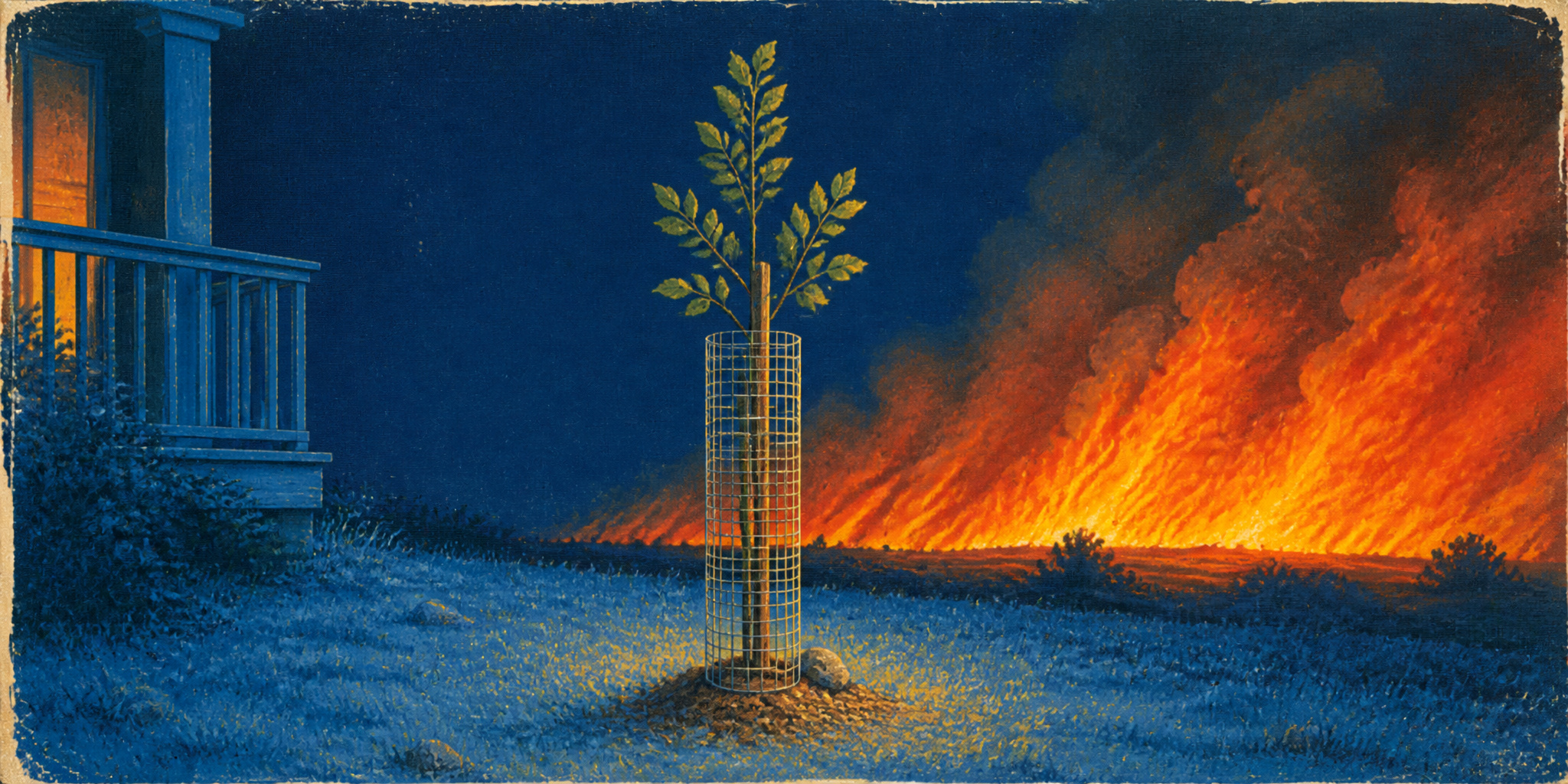
On a shrinking Vermont road, buyout lots become riparian forest while neighboring houses remain, mapping what managed retreat looks like up close.

Two Vermont floodplain households share the same river but stay for opposite reasons, revealing what "remaining resident" actually costs.

A year-round resident in Arizona fire country did everything the manual said and got dropped anyway, and the full accounting exists only in his head.
September — Issue #49

A federal buyout program exists for flooded land in North Carolina, but its design requires the one party with no reason to act.
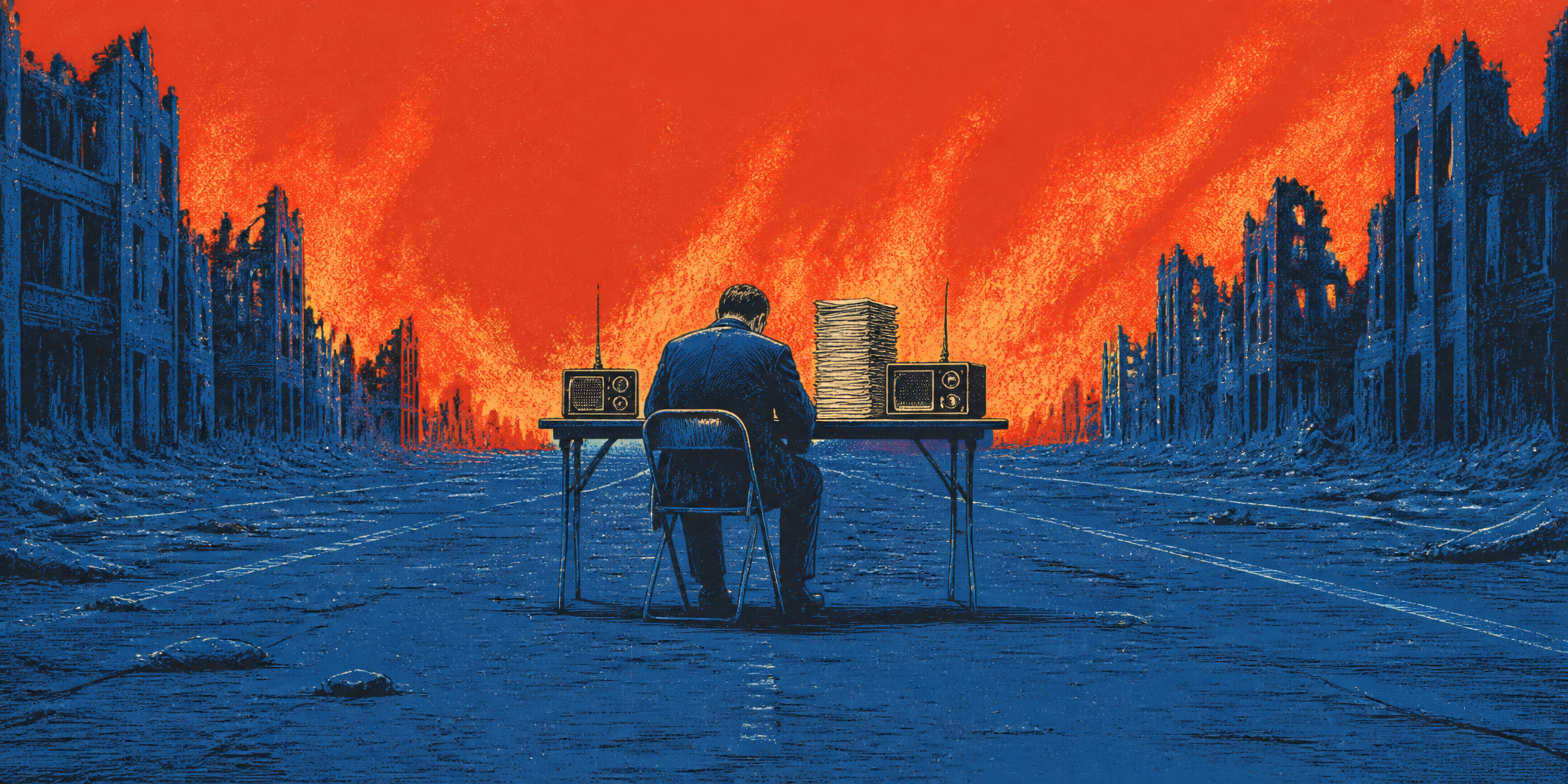
Indianapolis flood volunteers did the work institutions didn't, and their competence may be hiding how close the system came to failing.
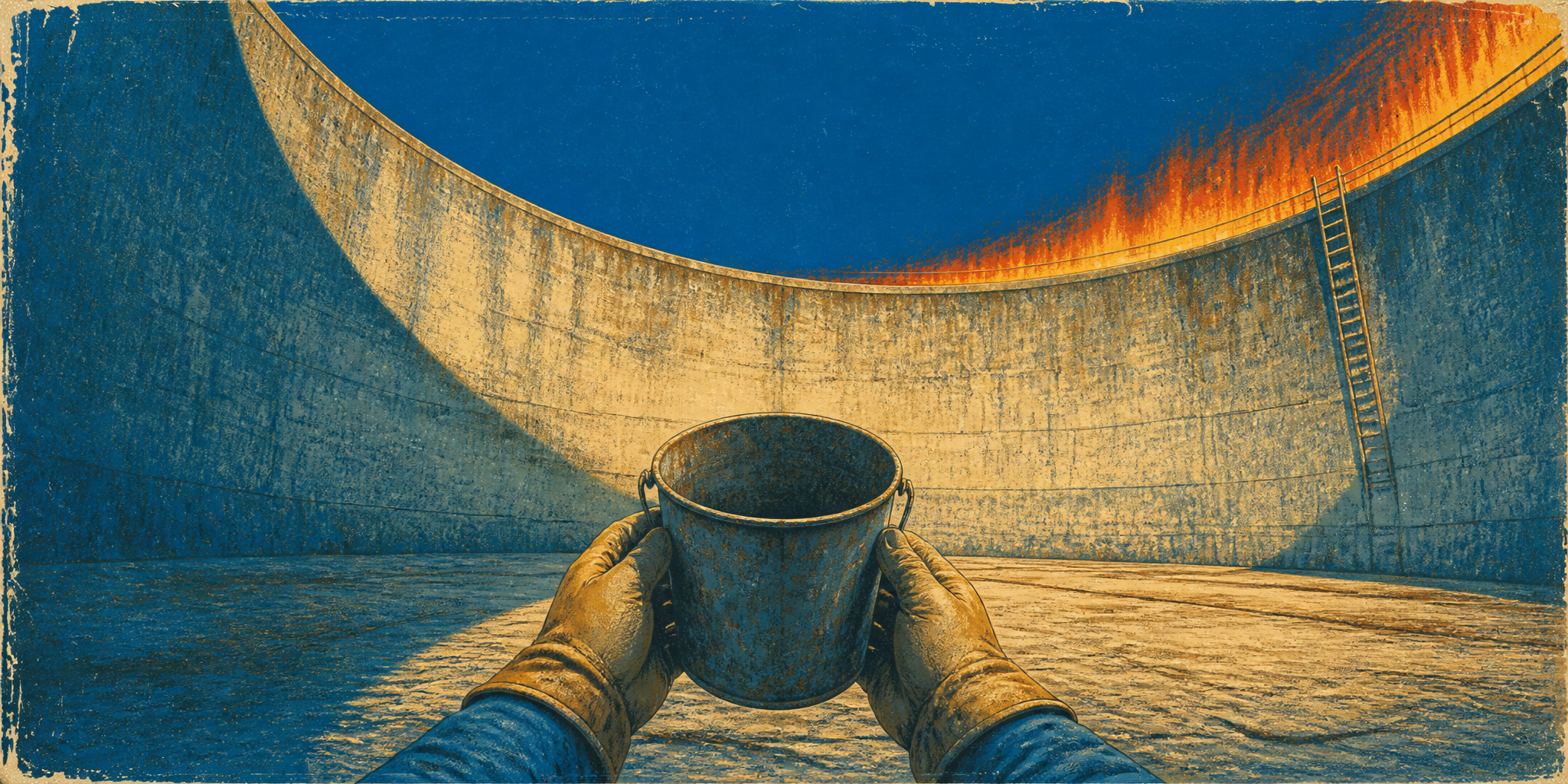
A Beulah water district worker living in a chicken coop keeps the taps on for neighbors whose return depends on a system that may not last the winter.
September — Issue #48
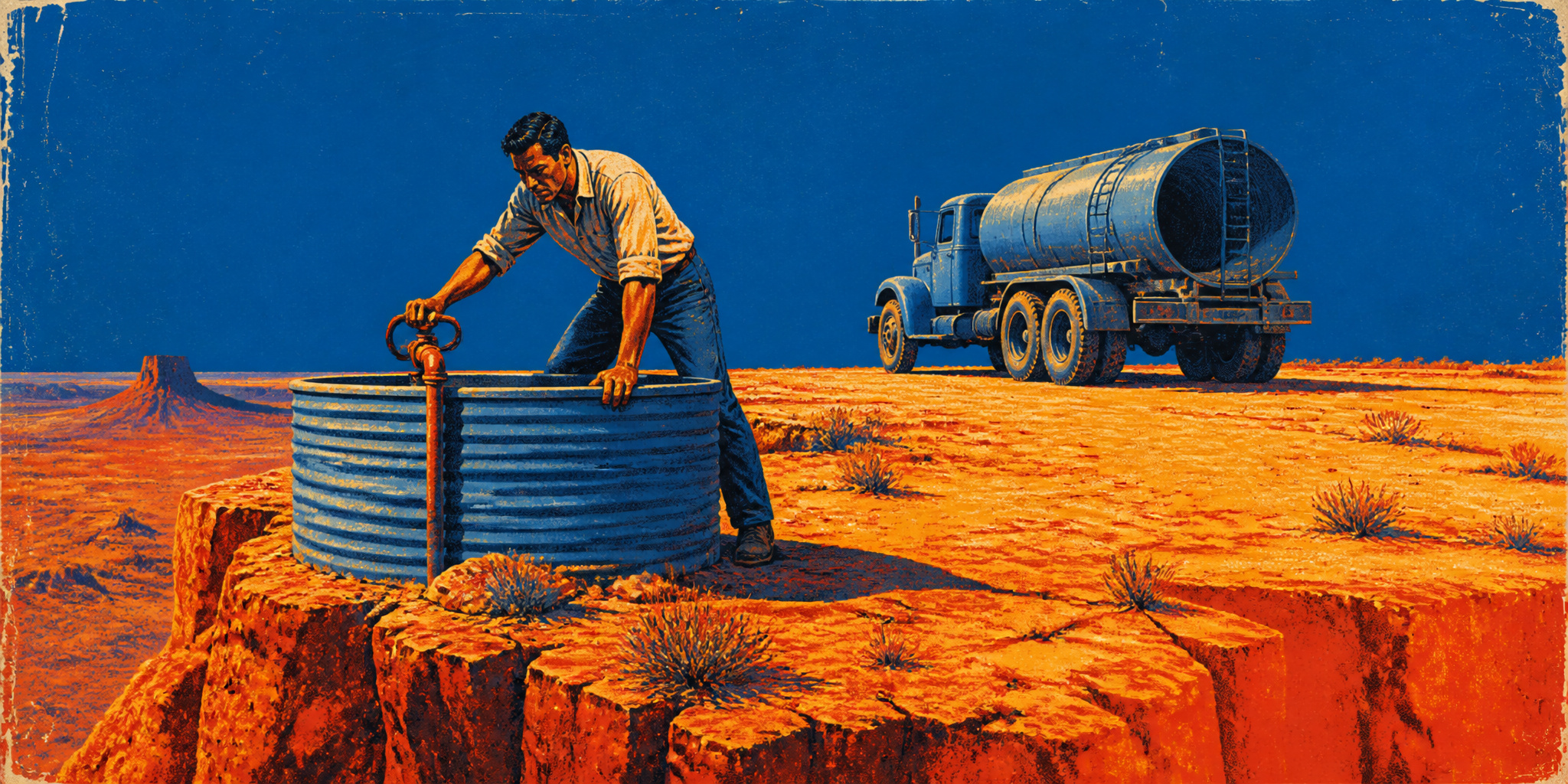
A third-generation Colorado ranch hauls water nine hours daily through record drought, and the federal program meant to help pays eleven cents a gallon.
An asbestos accident during a cooling upgrade displaces Kensington High families seven miles away, replacing one burden with another.
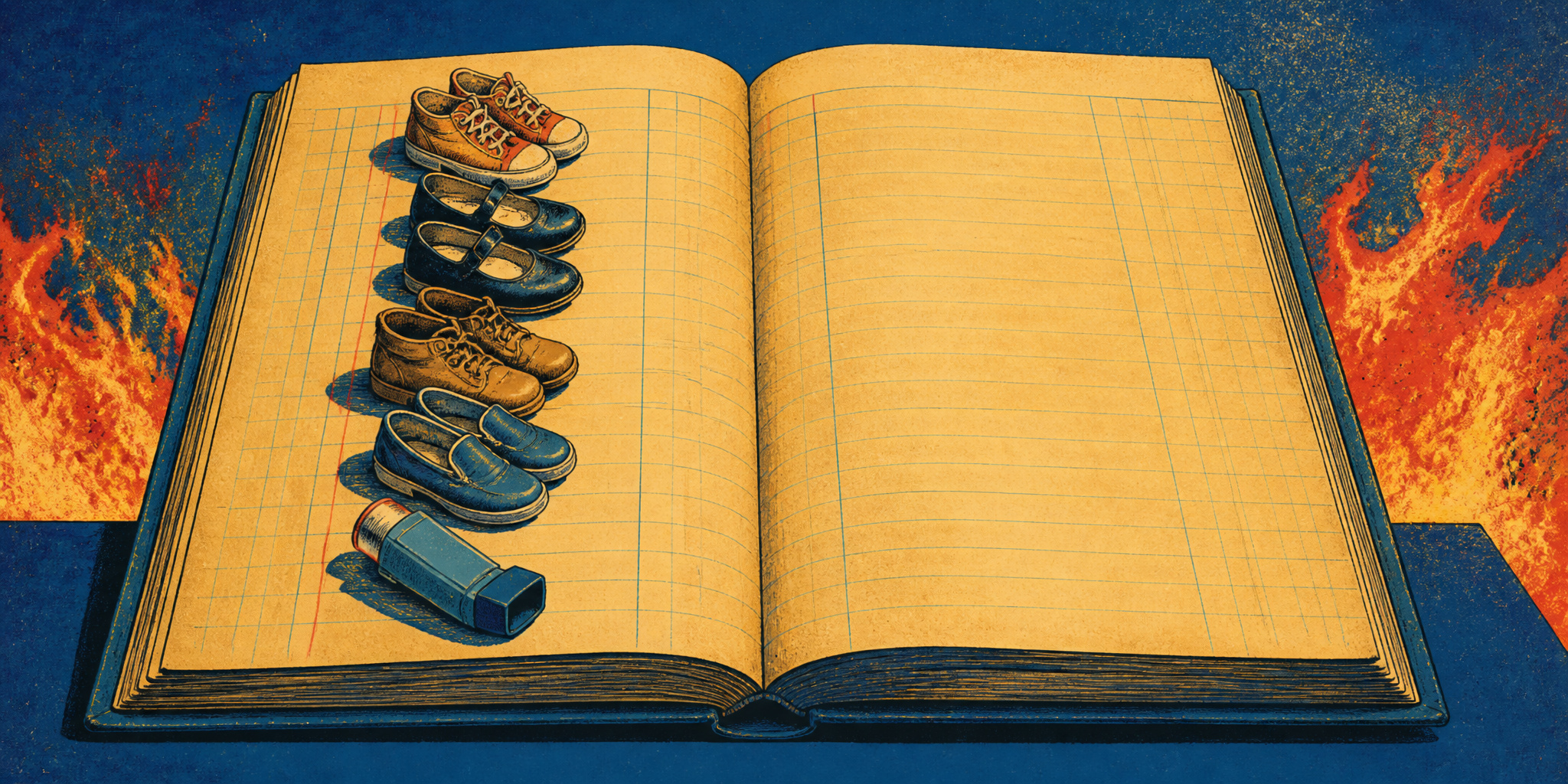
Philadelphia families absorb the uncounted costs when 52 schools without air conditioning send children home on warm days.
August — Issue #47
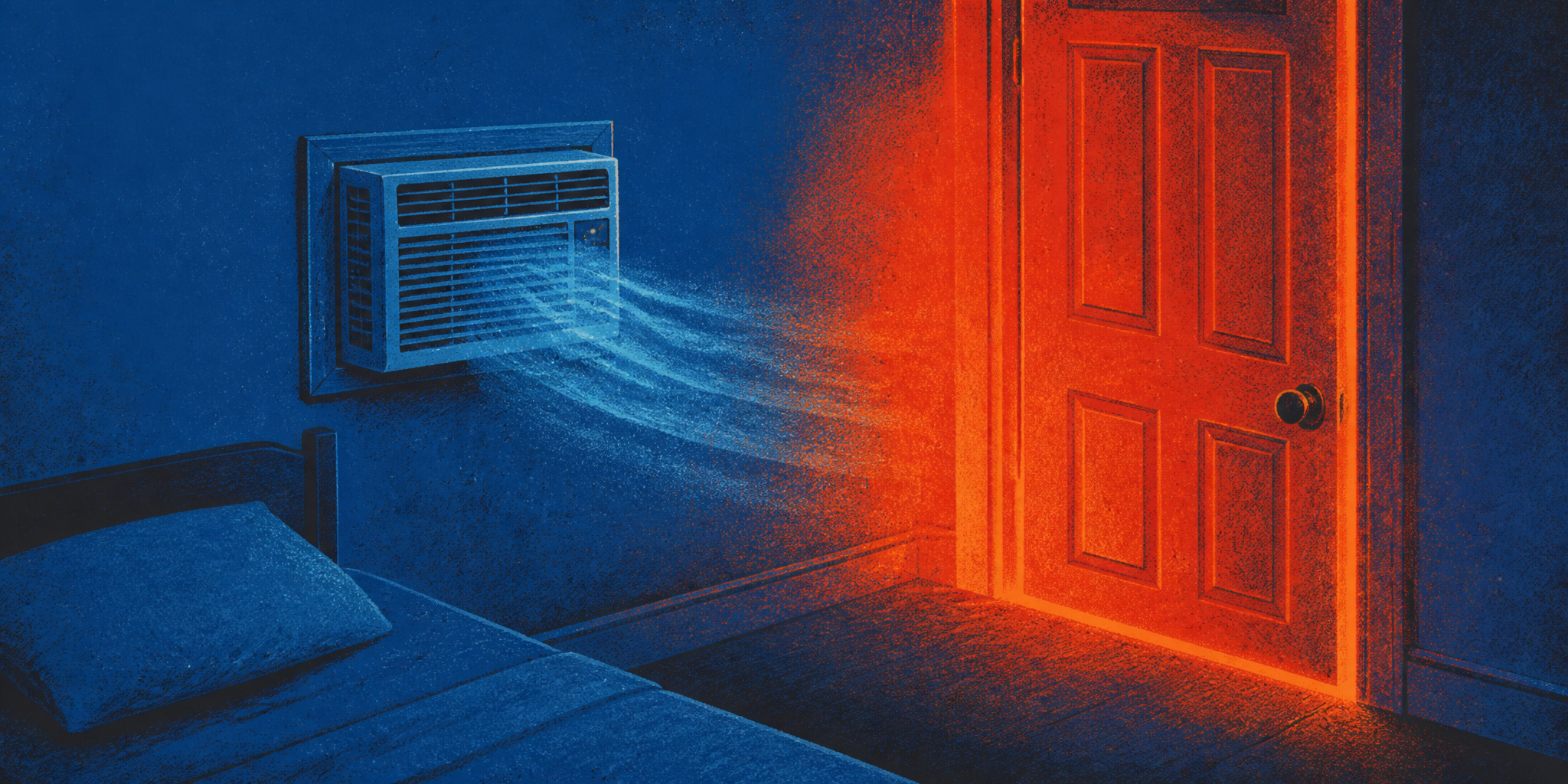
A Phoenix mobile home owner's summer compressed into one bedroom shows how split ownership, aging wiring, and a depreciating house defeat the legal right to cool.
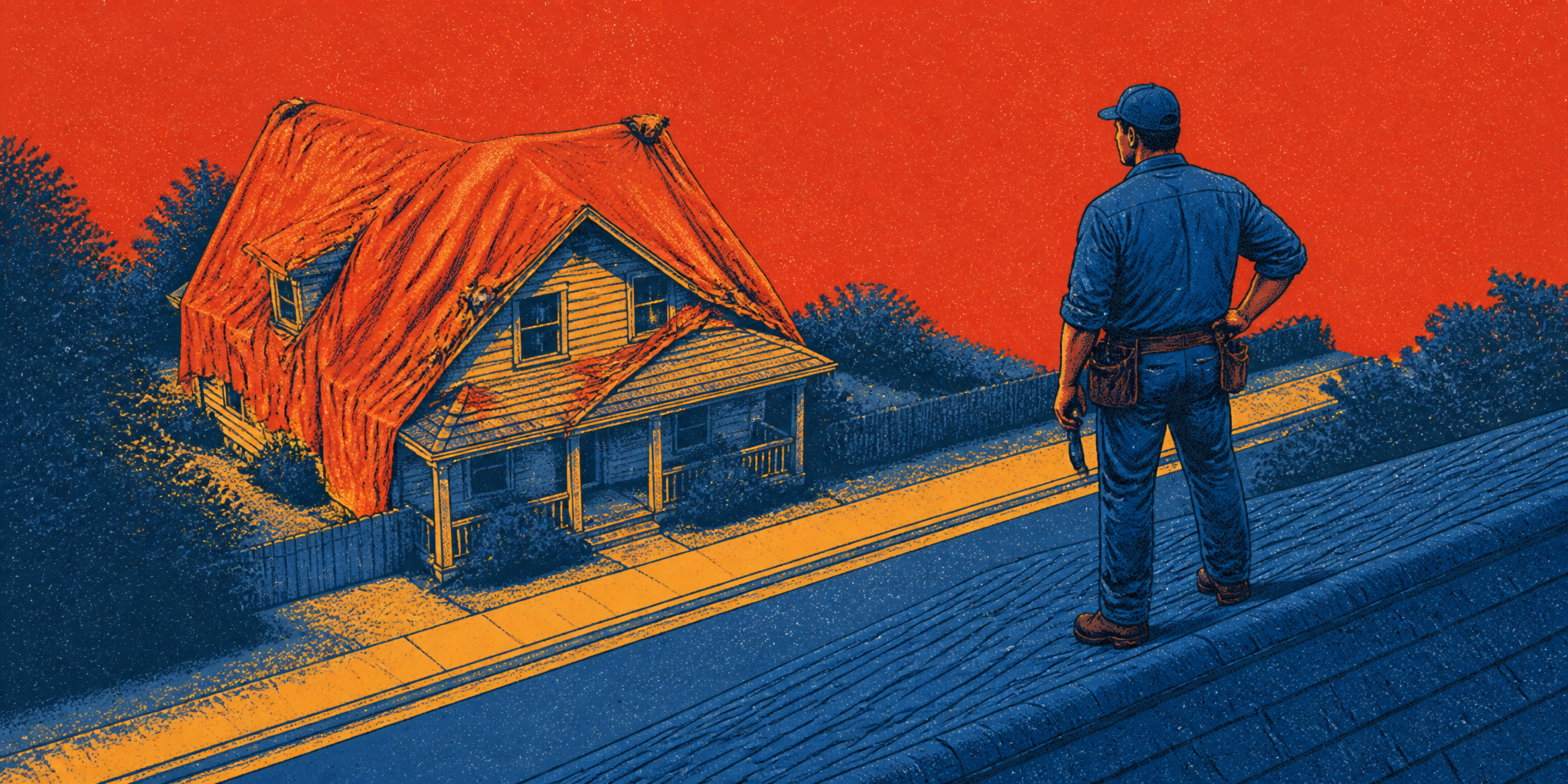
A Loxley homeowner's FORTIFIED roof held, but the grant program behind it fills in eight-minute windows, and at least one approved contractor is under criminal investigation.

A Spokane family's nursery tested positive for lead after wildfire, but no agency covers homes that survived too well.
August — Issue #46

A homeowner who lived in her townhome four days before Helene is paying on two properties while a buyout that keeps not closing runs its course.
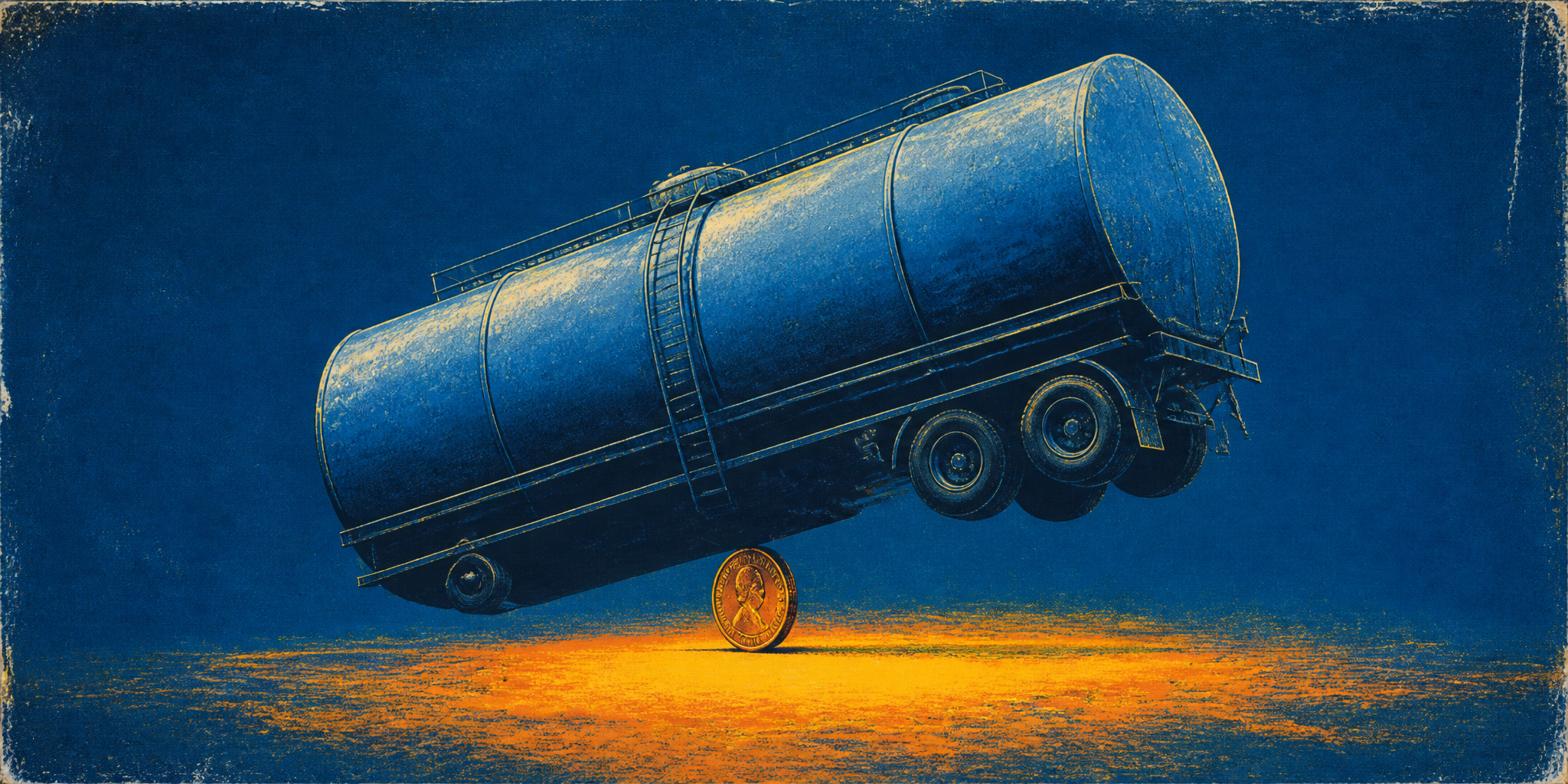
A Colorado rancher hauls water nine hours a day for 800 cattle, and every resource keeping the operation going is drawing down at once.
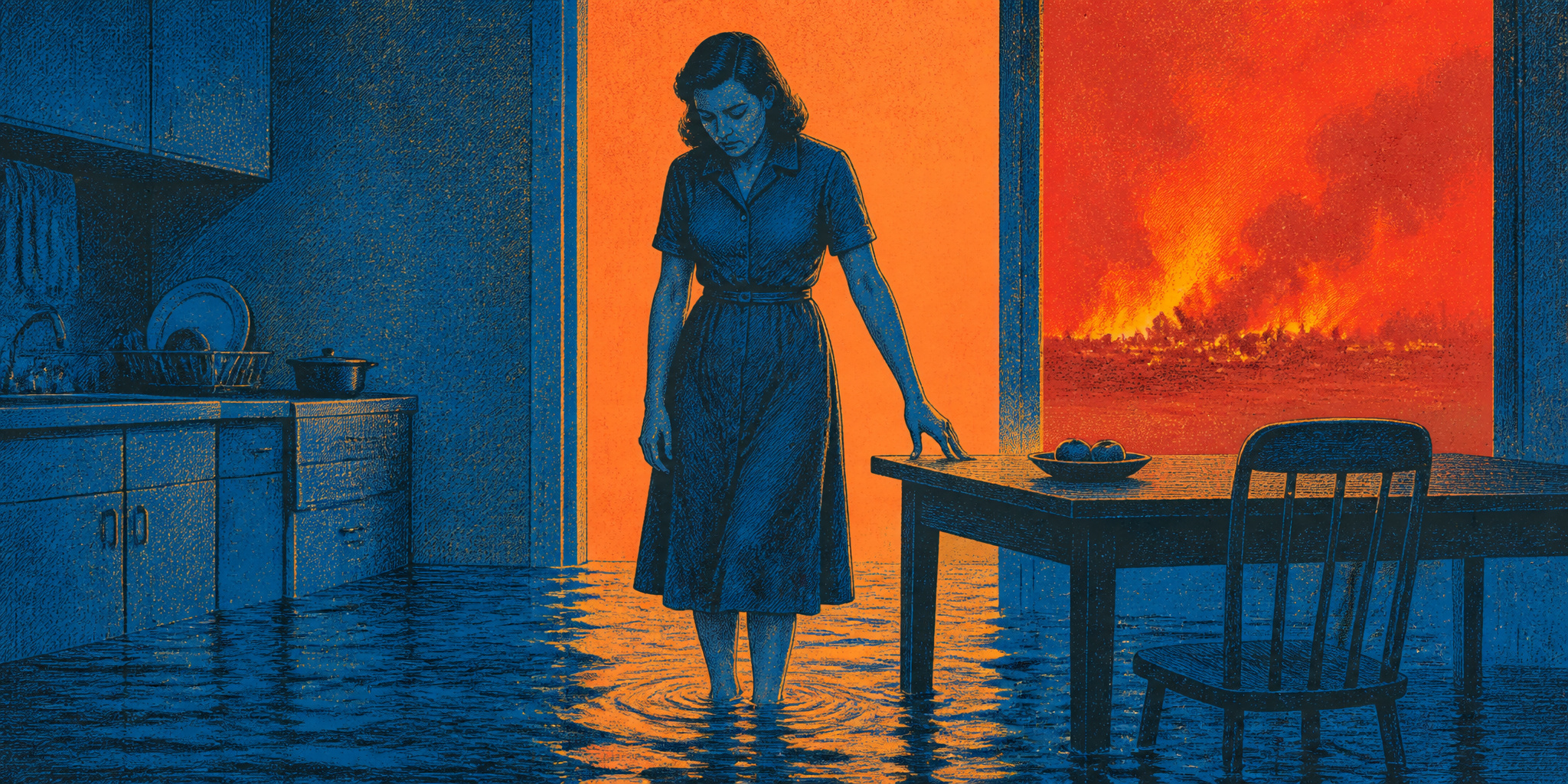
Three women's experiences during the July 2026 Texas floods show where Kerr County's rebuilt warning system reached, where a friend with a phone filled the gap, and where nothing arrived in time.
August — Issue #45
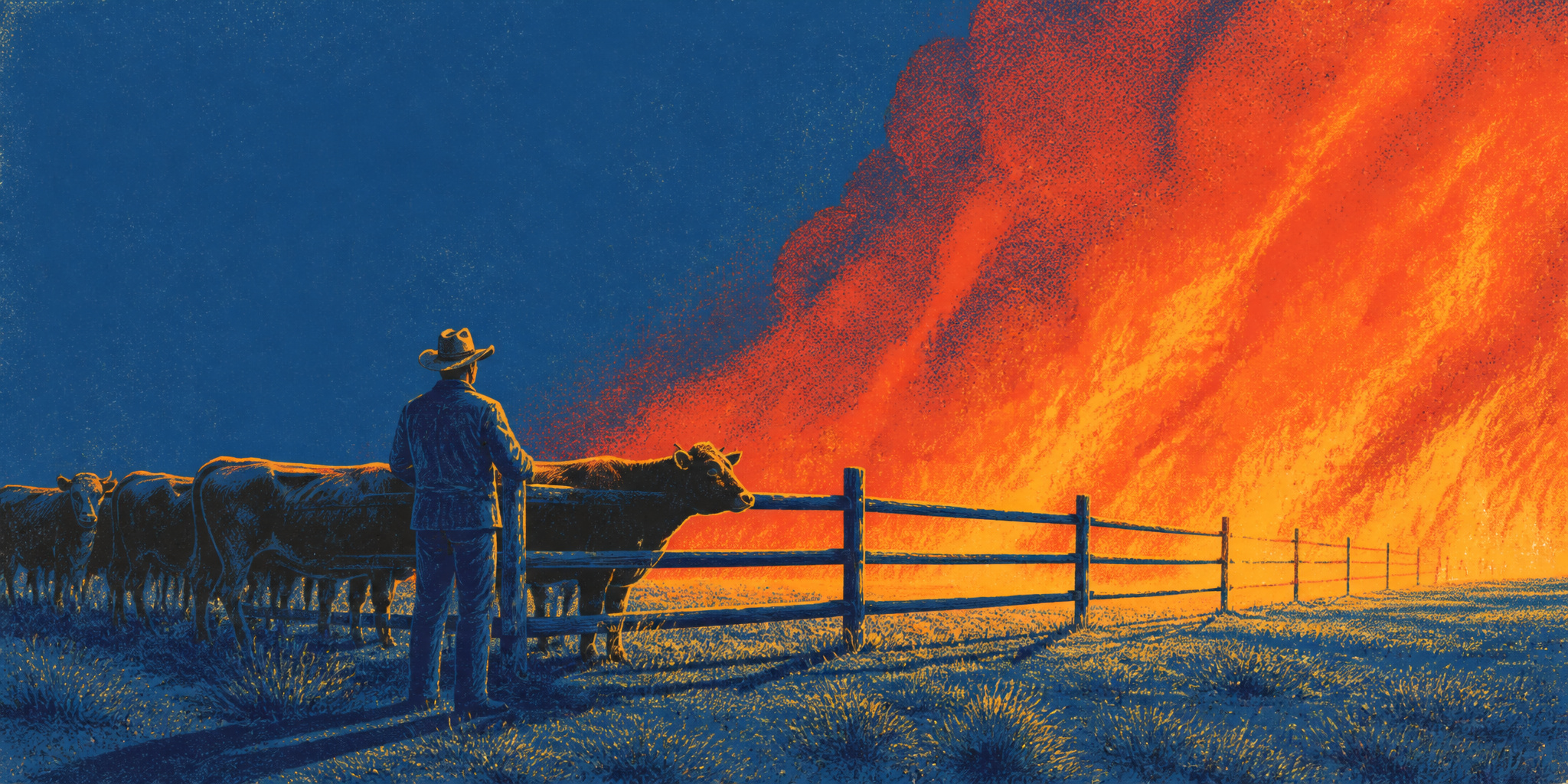
A Colorado rancher recalibrates water, feed, herd size, and neighbor obligations simultaneously as drought keeps shifting the math.

Two families hit by the same Texas flood face divergent recoveries shaped by which resources existed to connect to.
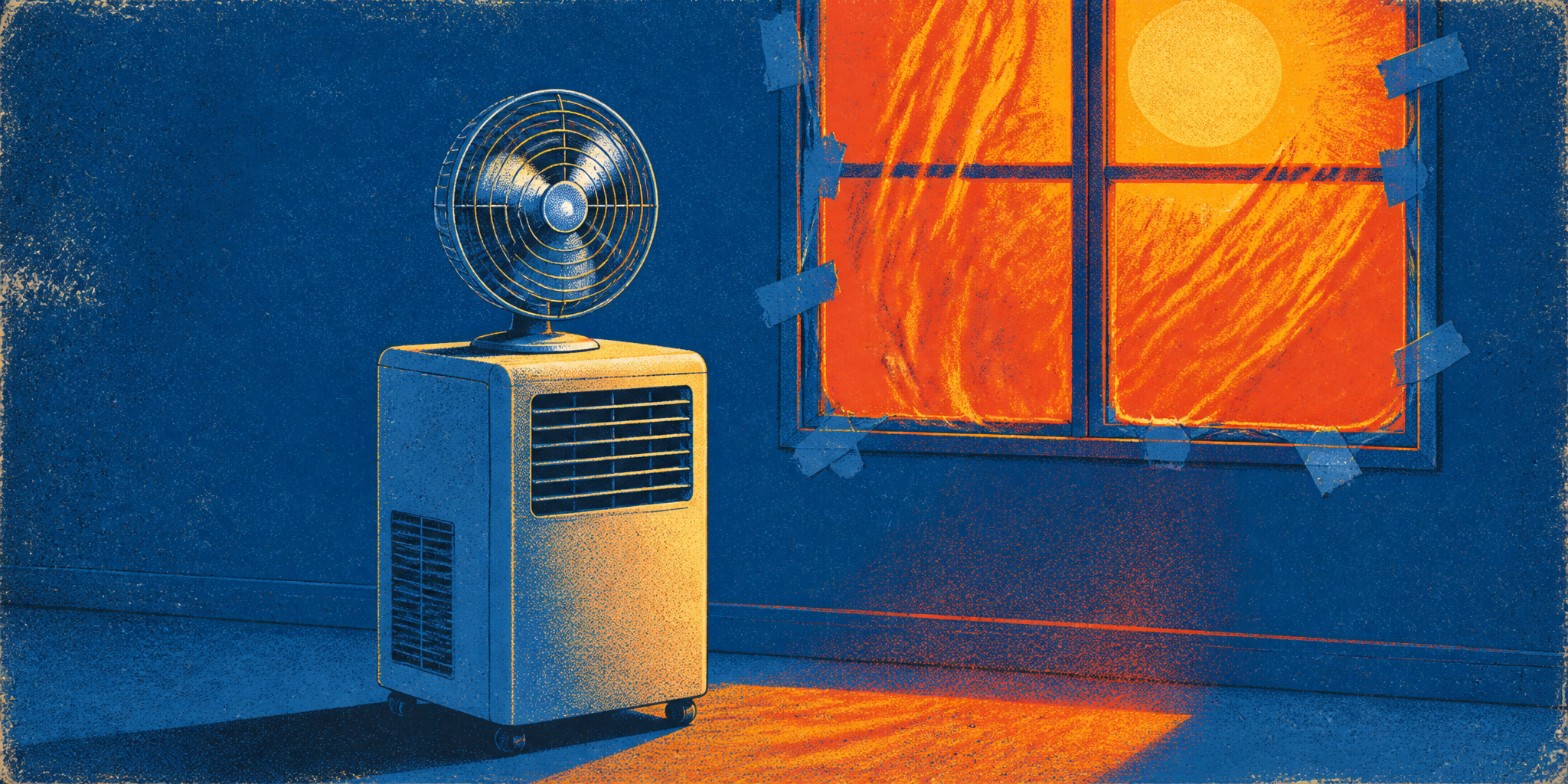
A Houston renter with COPD assembles daily livability from broken equipment, electric bills, bodily limits, and institutional timelines no one coordinates.
August — Issue #44

Arizona farming families hold operations together after losing their Colorado River water, facing fallow fields and a succession question with no clear answer.

A western Colorado ranching family sells breeding cattle and buys hay at impossible prices as irrigation water runs out two months early.

Montana fishing guides are rebuilding their livelihoods around an August that warming rivers have made unplannable, and testing whether the shoulder seasons can carry what summer loses.
August — Issue #43

Phoenix's heat relief sites must have water, chairs, and air conditioning. Not ramps, not outlets for a power wheelchair, not anyone assigned to notice you never came.

A burned hand and an RV in El Mirage mark the two points where Phoenix's heat warning chain breaks for disabled residents, and only one of the breaks has an owner.

During a Napa wildfire blackout, a woman with quadriplegia counted the hours left in her wheelchair battery. Every system that lists her name moves slower than that.
July — Issue #42
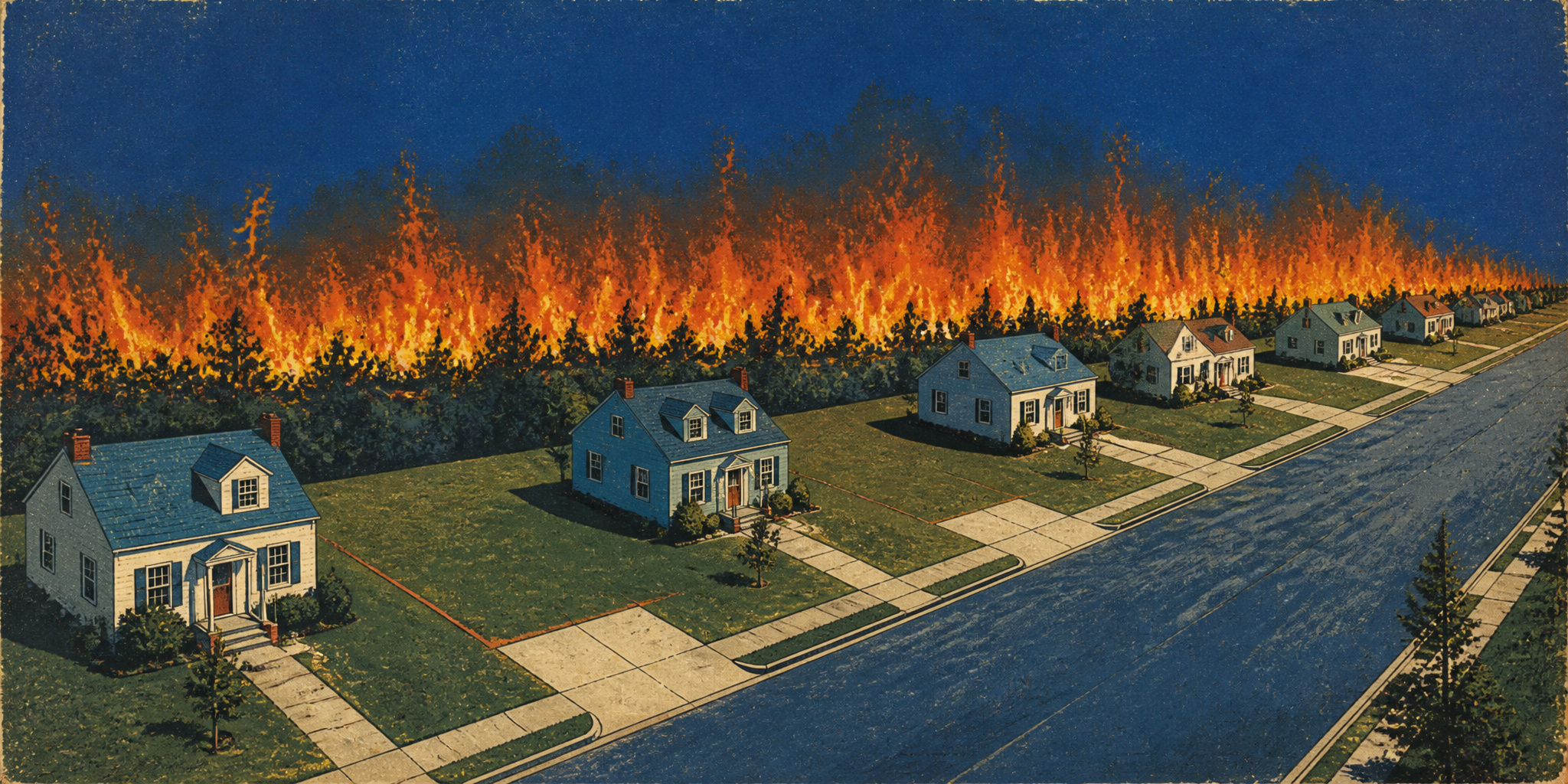
Repeat flooding forced neighbors into permanent, uncoordinated choices. What remains is a street losing the density and the relationships that made it livable.

In Maricopa County, air conditioners were present in nearly every indoor heat death. The infrastructure of adaptation exists on paper. It fails the specific people it was supposed to protect.

How layered public investment and years of community advocacy brought climate-ready air to a 121-year-old East Boston school, and why the daily labor of maintaining it matters more than the retrofit itself.
July — Issue #41
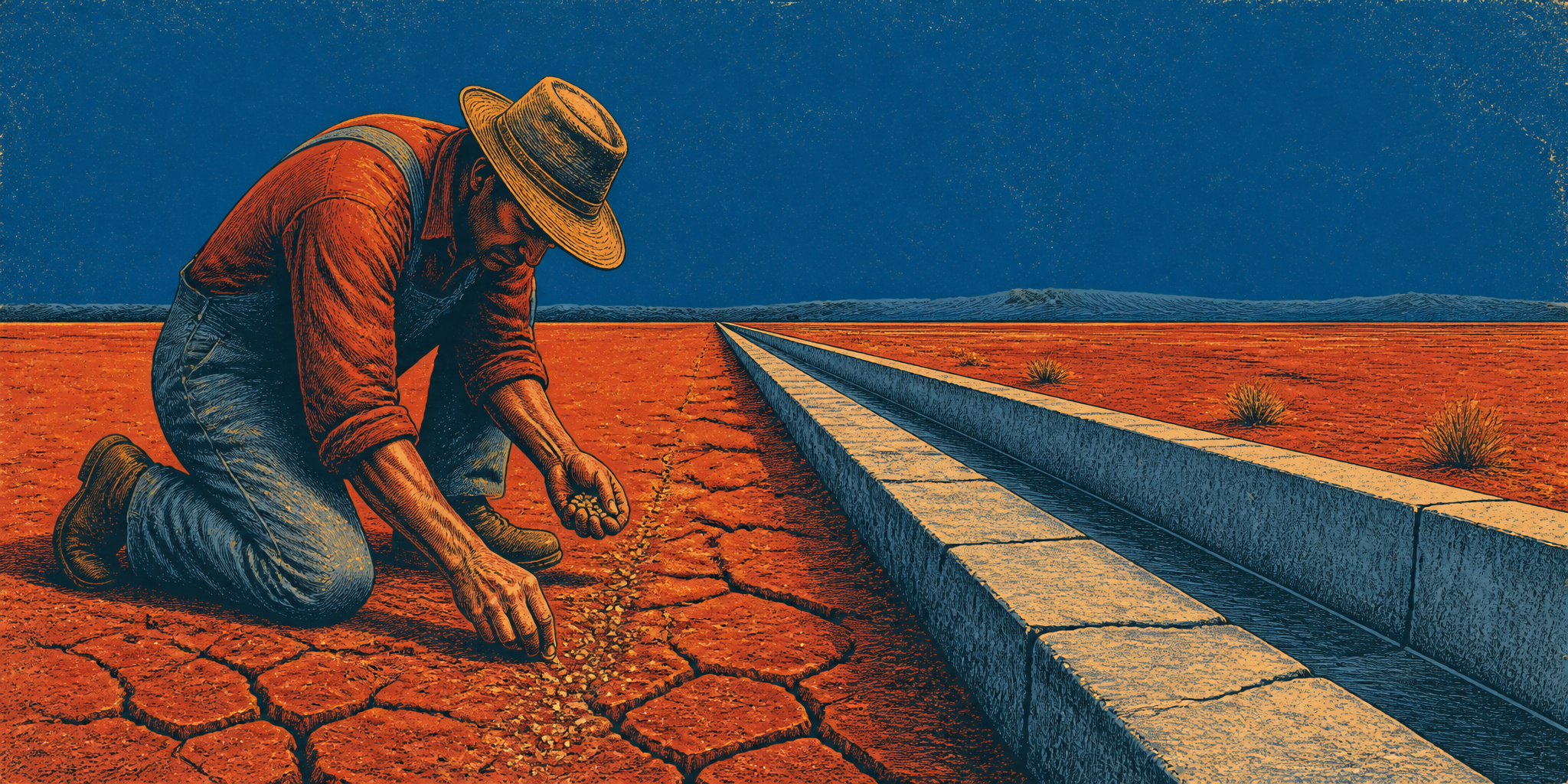
A fourth-generation Arizona farmer plants each season deeper into dependence on Colorado River water whose post-2026 allocation remains genuinely unknown.

Families standing on cleared LA fire lots face compounding costs in both directions, with no neutral ground between rebuilding and walking away.

A Buncombe County household carries two mortgages while waiting years for FEMA's buyout process to catch up with the decisions the river already forced.
July — Issue #40

Competing recovery clocks bleed households dry while permits, contamination testing, and insurance payouts run on institutional time.

How fire insurance policy exclusions create six-figure rebuilding gaps that no part of the system is responsible for closing.
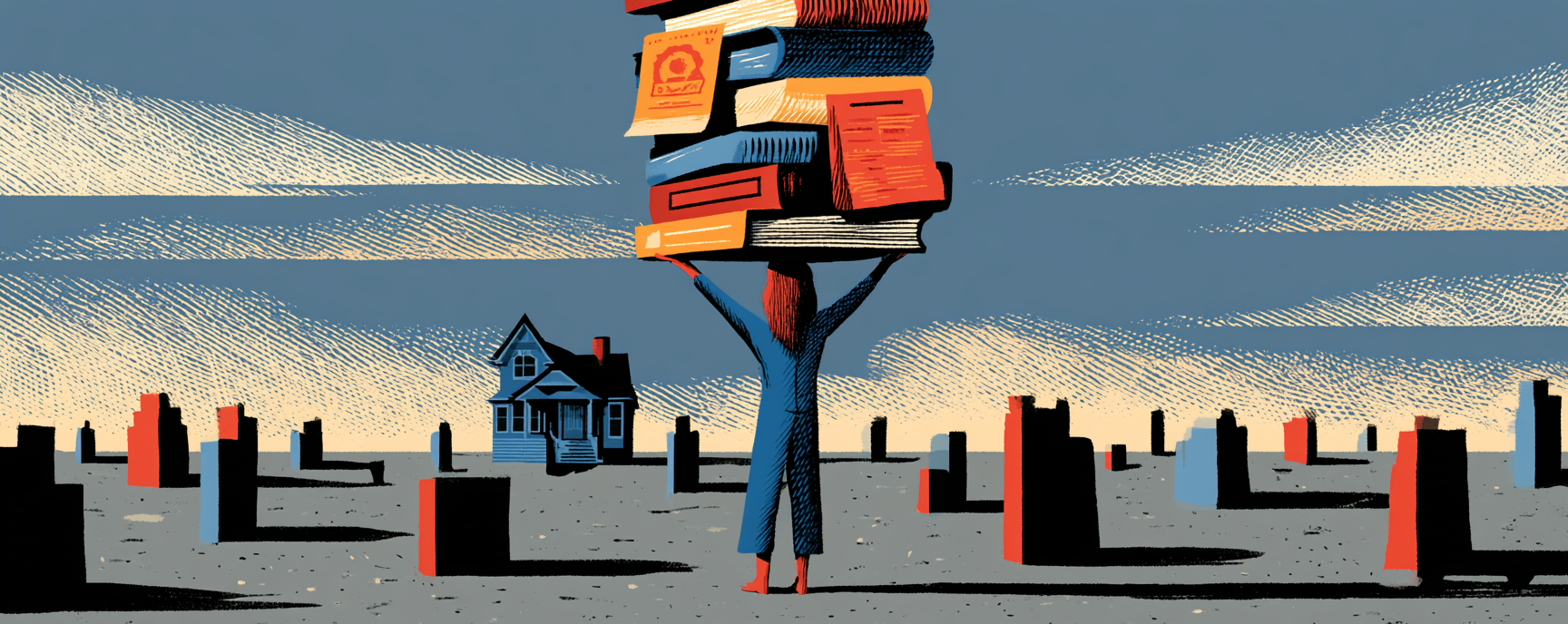
One Altadena family's sixteen-month rebuild reveals how households absorb every gap between the systems meant to carry them home.
July — Issue #39

Maricopa County data shows most indoor heat deaths occurred where air conditioning existed but failed, tracing the human reasons why.

White Hall, Alabama has federal plans and studies for wastewater infrastructure. Most households still lack functioning sewage systems.

Families in Western North Carolina carry mortgages on destroyed homes while FEMA buyout paperwork advances step by invisible step.
June — Issue #38

Western North Carolina buyout applicants watch mortgage deadlines expire while FEMA and state officials argue over paperwork compliance.

One Altadena family rebuilt in sixteen months because every institutional clock aligned; 5,842 neighbors are still waiting.

Displaced families in western North Carolina navigate unsynchronized buyout, mortgage, and insurance timelines no institution coordinates and only they absorb.
June — Issue #37

A Sandhills ranching family faces resilient grass and unforgiving financial math after Nebraska's largest recorded wildfire.

Three Buncombe County families navigate flood buyouts, burning savings and leaving places that shaped decades of living.

A Texas farmer who governs the aquifer restricting his own water confronts the converging math against irrigated agriculture's future.
June — Issue #36

America's model climate relocation arrived at its new site and found housing failures, frozen funding, and no federal playbook.

One Kansas farmer's rational water pivot destabilizes the shared infrastructure every neighbor depends on to survive.

FEMA buyouts help families leave Buncombe County flood zones, but no program accounts for the neighborhood that thins out behind them.
June — Issue #35
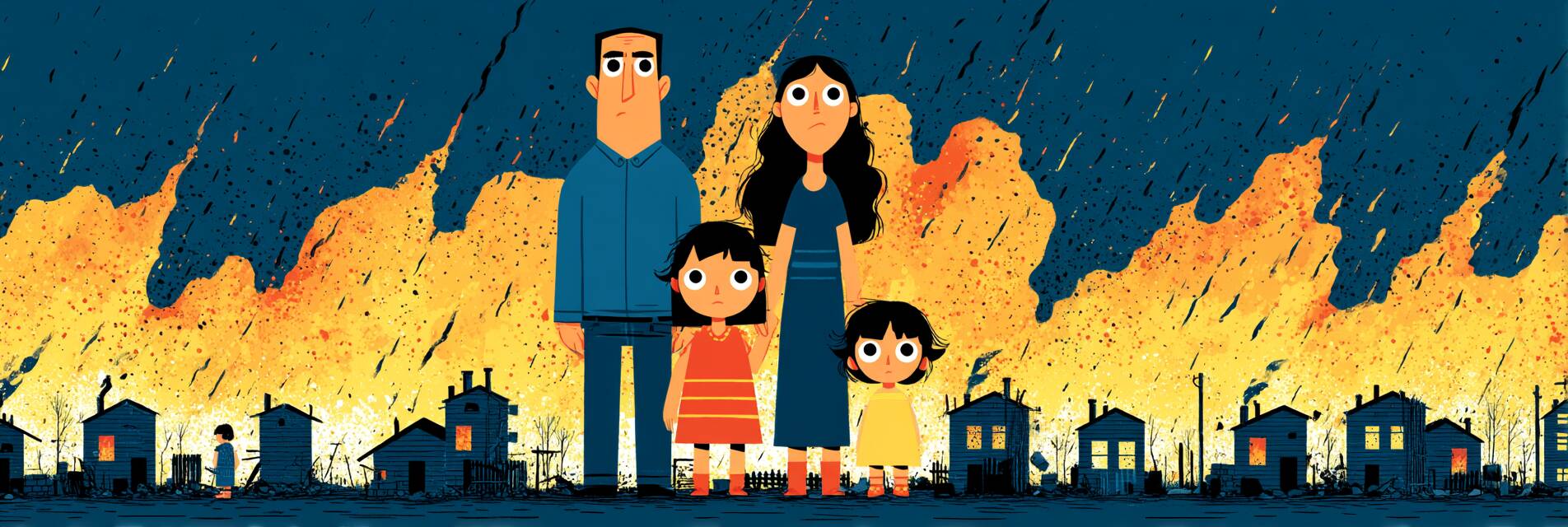
Palisades residents hold permits they cannot use, revealing how wealth and optionality produce their own form of paralysis.
An Altadena homeowner races to rebuild while corporate buyers and insurance shortfalls dismantle the community redlining built.

Altadena residents whose homes survived the Eaton Fire face contamination limbo with no remediation standards, no institutional recognition, and no safe path home.
June — Issue #34

Eighteen months after Helene, western North Carolina's invisible recovery infrastructure—meetings, medications, routines—remains shattered, with no instrument counting the cost.

Georgia wildfire survivors face recovery without the preparedness culture, institutional knowledge, or federal aid that fire-adapted communities rely on.

Sandhills ranchers face full overhead on dead operations while federal instruments answer piece by piece what only compounds whole.
May — Issue #33
A Georgia business owner's denied claim reveals how hurricane costs, drought, and wildfire losses compound inside an already-breaking insurance market.

South Georgia's historic wildfires exposed the gap between volunteer fire departments and extreme fire behavior nobody locally was built for.
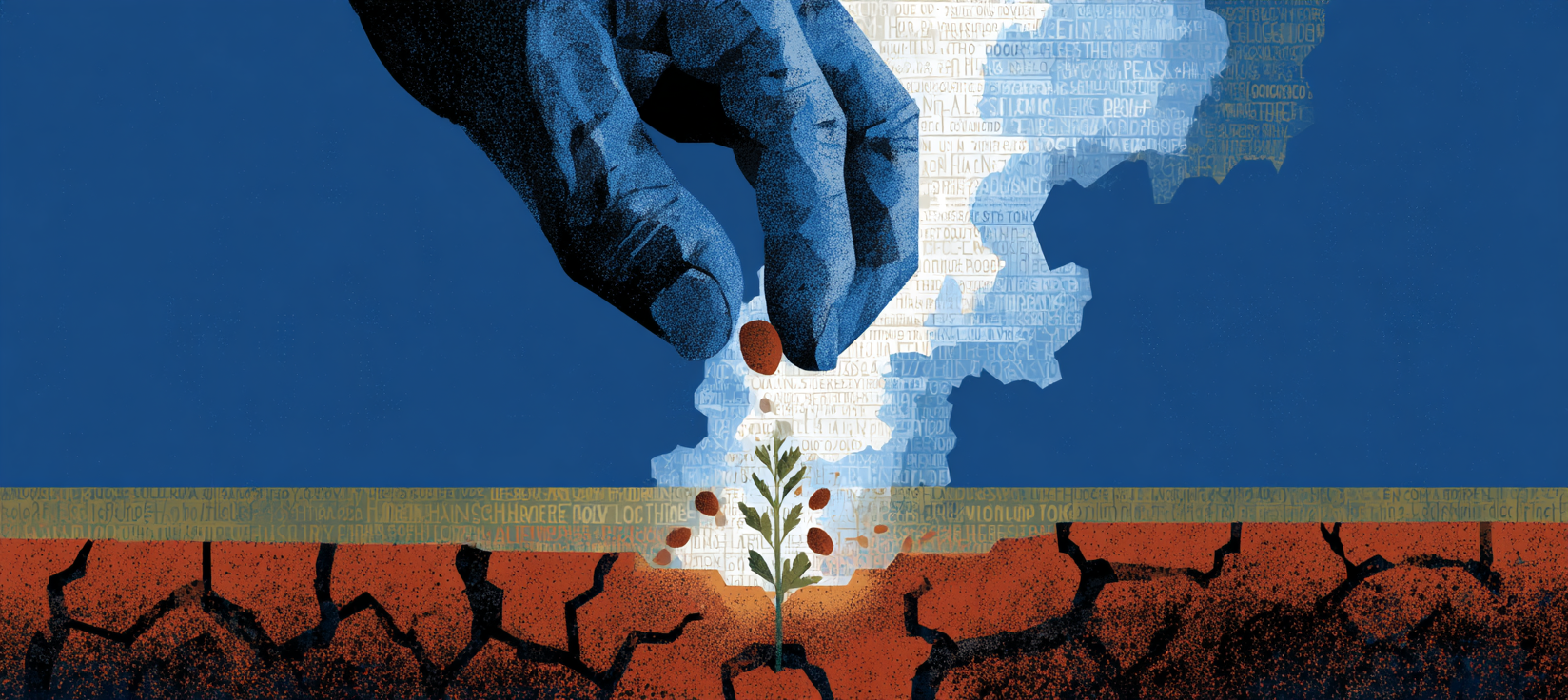
Georgia farmers borrow money to plant crops that may not survive, turning drought into debt with no rain in sight.
May — Issue #32

A Louisiana buyout program offers flooded residents a structured exit, but funding runs out before the neighborhood does.
Rising flood premiums silently replace the Grand Strand's middle-class coast with luxury construction, one renewal notice at a time.
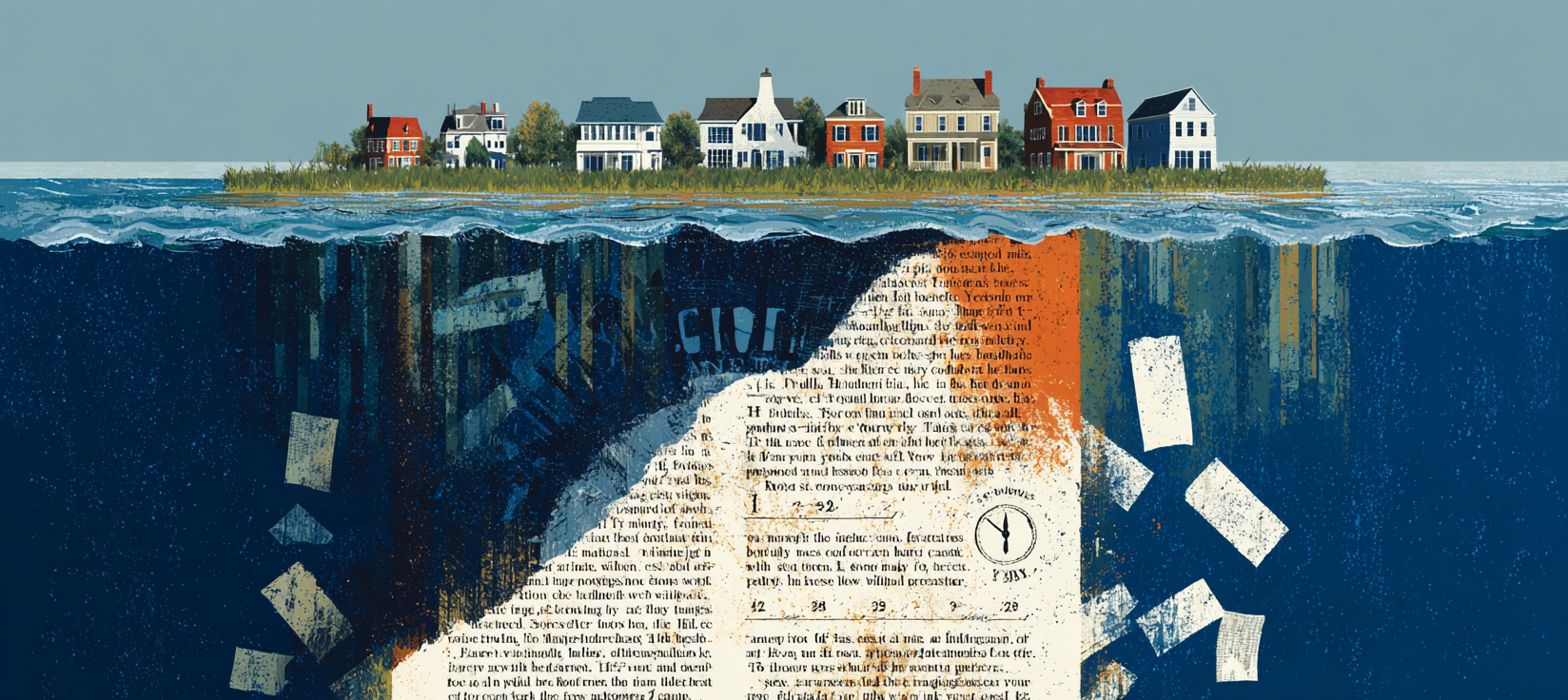
A Pawleys Island homeowner refinances just to keep up with flood premiums while the federal program beneath coastal markets plans months ahead, not decades.
May — Issue #31

Phoenix hit 105°F on the last day of winter. The cooling centers wouldn't open for five more weeks.

A Nebraska farmer prays for frost to kill wheat that survived the warmest, driest winter in recorded history.

In Evergreen, Colorado, 1,300 residents evacuated from a wildfire that doesn't exist yet, past fuel that can't be burned.
May — Issue #30

Kerr County plants fifty thousand trees along a river that already exceeded its century flood by three feet.
Texas wrote camp safety laws after children drowned, then routed enforcement through the agency that failed them.

Nine months after the Guadalupe River flood, a remodeled house settles whether you can stay. Whether you should remains unanswered.
April — Issue #29

A Kansas well measurer and invisible drillers record an aquifer's slow disappearance in a format no institution can read.
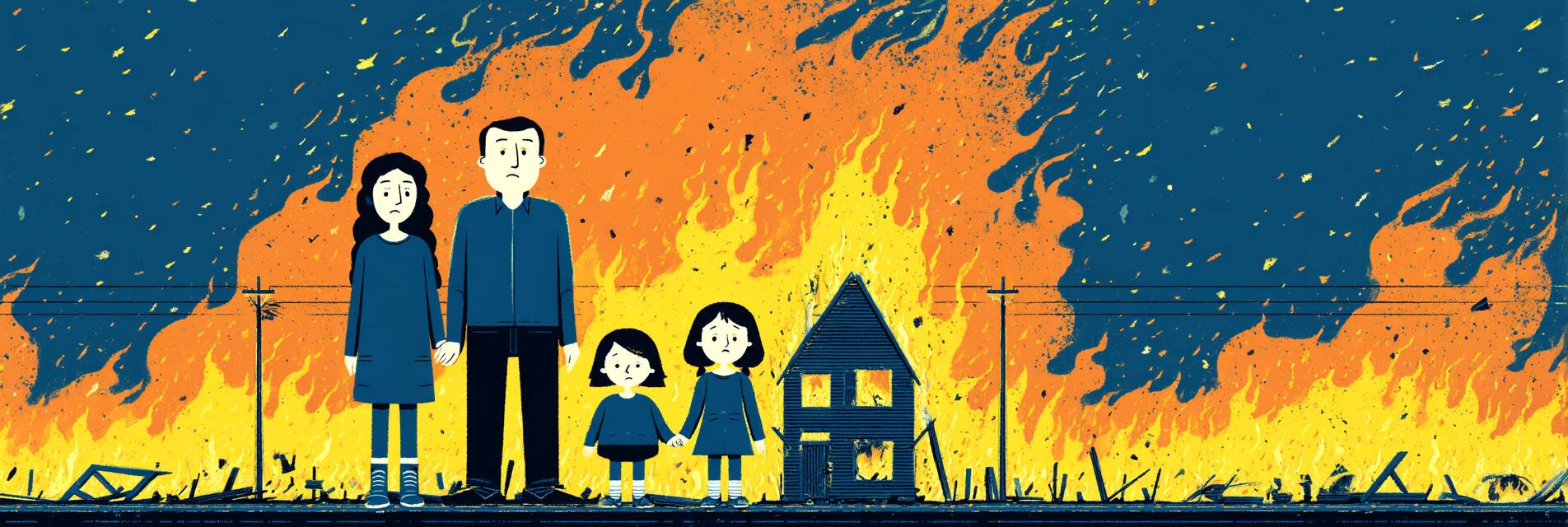
A Florida roofer's storm-tested knowledge exposes the gap between building codes, insurance markets, and what wind actually destroys.

A Phoenix arborist's lifetime of tree knowledge unravels as nights stop cooling and the desert becomes unrecognizable beneath his hands.
April — Issue #28

FEMA's new flood map splits a Hawaiian cul-de-sac, giving neighbors the same rain but different futures.
A Maine farmer buries thousands of feet of irrigation pipe in ground his family never had to water.

A Portuguese immigrant's son photographs his flooding street while the plan to buy out his father's house stalls indefinitely.
April — Issue #27
A state water specialist navigates Lake Powell's seven-foot margin above crisis while the governance framework expires beneath her.

A Colorado fuels specialist watches his prescribed burn season collapse as vanishing snowpack turns spring into fire weather.

Klamath Basin farmers committed spring money before the water number arrived, and the water number arrived wrong.
April — Issue #26
Against brutal math and vanishing neighbors, Altadena residents wager everything on returning to lots where nothing stands but stubborn hope.

Underinsured Black homeowners face an impossible choice: accept pennies, fight for years, or sell to corporate vultures circling Altadena.
Altadena's Army Corps cleared her lot to six inches. University researchers found lead below that line. Nobody will fix it.
March — Issue #25

Midwest farmers face a bet-the-operation planting decision as severe drought meets a thinner crop insurance safety net.

Plains ranchers rebuild after catastrophic fires, but the interval between burns is compressing faster than recovery allows.
When Phoenix broke heat records in March, one shelter director improvised what the city's own plan wouldn't fund for six more weeks.
March — Issue #24

Mississippi families buy the only homes they can afford, built to withstand winds the weather stopped obeying.

Florida retirees in manufactured homes face rising lot rents, vanishing insurance, and lethal heat with no exit.

Manufactured homes rated for 110 mph meet storms delivering 150, while insurance vanishes and something crawls through the leaking roof.
March — Issue #23

Oklahoma ranchers hit by the Ranger Road Fire are still recovering from the last blaze. The interval keeps shrinking.

Hurricane Helene's downed forests are curing into wildfire fuel, and volunteer crews face a landscape that didn't exist before.

A retired professor pays $2,900 monthly for a house the river repossessed while FEMA's buyout pipeline barely moves.
March — Issue #22
A Travis County fire chief runs weekend wildfire simulations for suburbs that haven't yet recognized they're in fire country.
Oklahoma's cattle relief coordinator holds the line between six-year drought and federal programs built for one bad season.

A family's careful ranching principles meet six years of compounding drought where each survival decision narrows the next.
March — Issue #21

Lasers map every branch on California's fire-prone hillsides while communities below still rebuild from the last blaze.

An architect loses his home five days after opening his firm, then rebuilds Altadena one neighbor at a time.
One Altadena family's year of rebuilding reveals the uncounted costs hiding behind California's fastest-ever permit numbers.
February — Issue #20

California farmer calculates which fields die when water allocations swing from zero to fifty-five percent, betting millions on unknowable futures.

Montana rancher discovers islands in ponds that held water for twenty-five years, faces impossible choices about which cattle to sell.
A Colorado water manager faces impossible allocation choices as three diverging summer projections force her to explain risks she cannot equitably distribute across desperate communities.